Rising jet fuel costs and Middle East disruptions are pushing carriers to cut frequencies, swap aircraft, and reposition capacity through Hong Kong’s aviation hub
SYSTEM-DRIVEN disruption in global aviation fuel markets is reshaping flight patterns through Hong Kong International Airport, as airlines adjust schedules, reduce frequencies, and redeploy aircraft in response to a prolonged surge in jet fuel costs tied to instability in the Middle East.
What is confirmed is that multiple airlines operating through Hong Kong have altered planned schedules for the summer travel season.
Carriers have reduced certain routes, consolidated flights, changed aircraft types, and shifted network capacity to contain operating costs after jet fuel prices rose sharply following disruptions linked to conflict affecting energy supply routes in the Gulf region.
The aviation industry’s response has been unusually preemptive.
Instead of relying mainly on last-minute cancellations, airlines revised schedules months in advance to stabilize operations and preserve margins during a period of volatile fuel pricing.
Data from aviation analytics firms show substantial reductions on selected long-haul and regional routes connected to Gulf transit hubs, especially services dependent on widebody aircraft with high fuel consumption.
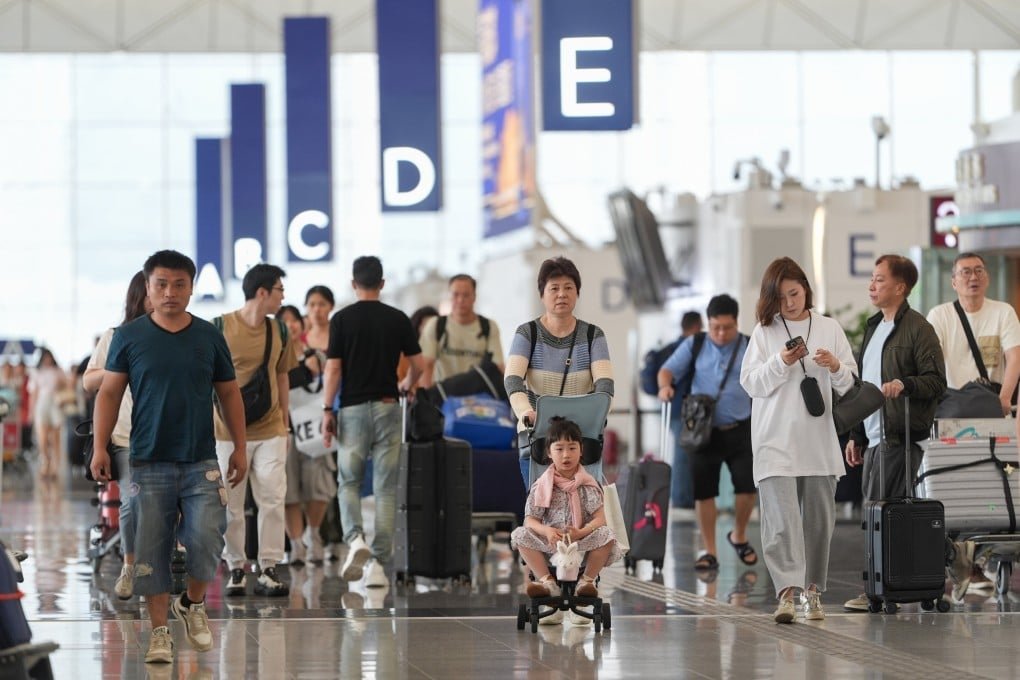
Hong Kong’s position in global aviation makes the effects particularly visible.
The city operates one of the world’s most important transit airports, linking Asia with Europe, the Middle East, and Africa.
Any disruption involving Gulf carriers or Middle Eastern airspace quickly affects passenger flows through Hong Kong because airlines in Dubai, Doha, and surrounding hubs serve as major connectors for long-haul intercontinental travel.
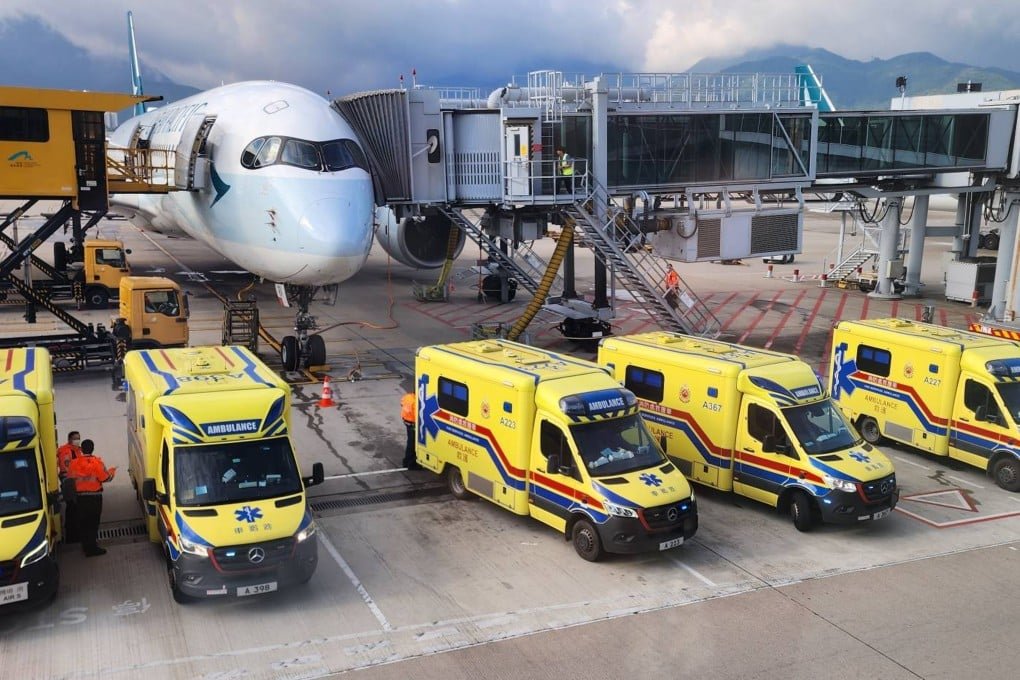
Cathay Pacific and its low-cost subsidiary HK Express have already cut portions of their passenger schedules for the May-to-June period.
The reductions mainly affected regional routes, but also included selected long-haul services to destinations in Australia, South Asia, and Africa.
Some Middle East routes were suspended entirely for extended periods as fuel economics deteriorated.
The mechanism behind the disruption is straightforward but severe.
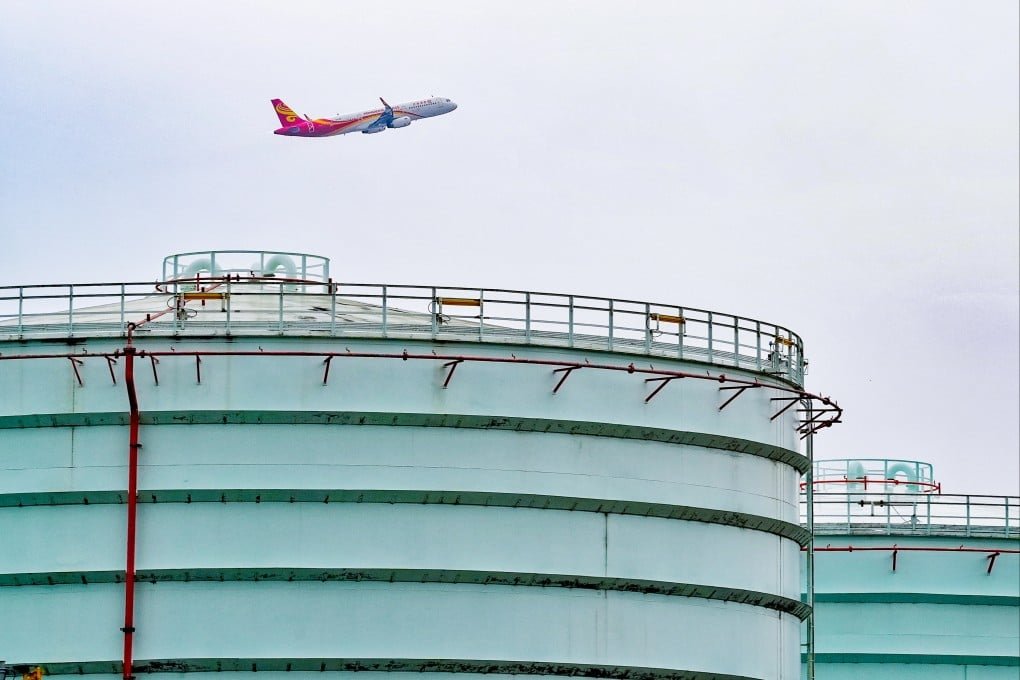
Jet fuel represents one of the largest operating expenses for airlines, often accounting for roughly a quarter or more of total costs.
When oil shipping routes face instability or supply interruptions, airlines immediately absorb higher fuel procurement costs.
Unlike many other industries, aviation has limited short-term flexibility because aircraft schedules, crew rotations, airport slots, and maintenance cycles are tightly interconnected.
The result is not a total collapse in air traffic but a strategic redistribution of capacity.
Airlines are concentrating flights on routes with stronger yields and higher passenger demand while trimming marginal services.
In practical terms, that means fewer frequencies on some routes, larger aircraft on others, and increased emphasis on profitable transit corridors.
For Hong Kong airport, the shift could produce an unusual combination of outcomes: fewer scheduled flights in some categories but stronger transfer traffic overall.
As certain Middle East routes face disruption, more passengers are being redirected through East Asian hubs, including Hong Kong, for onward connections between Europe and Asia.
Government officials in Hong Kong have publicly urged airlines to minimize disruption while also encouraging carriers to take advantage of temporary gaps in regional connectivity.
Authorities view the crisis not only as a logistical challenge but also as a competitive opening for Hong Kong’s airport to strengthen its role as a major international hub while rival routes face operational strain.
Passenger behavior is already changing.
Economy fares to Europe have risen sharply on many routes because reduced capacity coincides with strong seasonal travel demand.
Travelers are facing higher surcharges, fewer flight options, and more indirect itineraries.
Airlines have attempted to offset some pressure through revised fuel surcharges and operational efficiencies, but ticket prices remain elevated compared with earlier projections for the summer season.
The cargo sector is also affected.
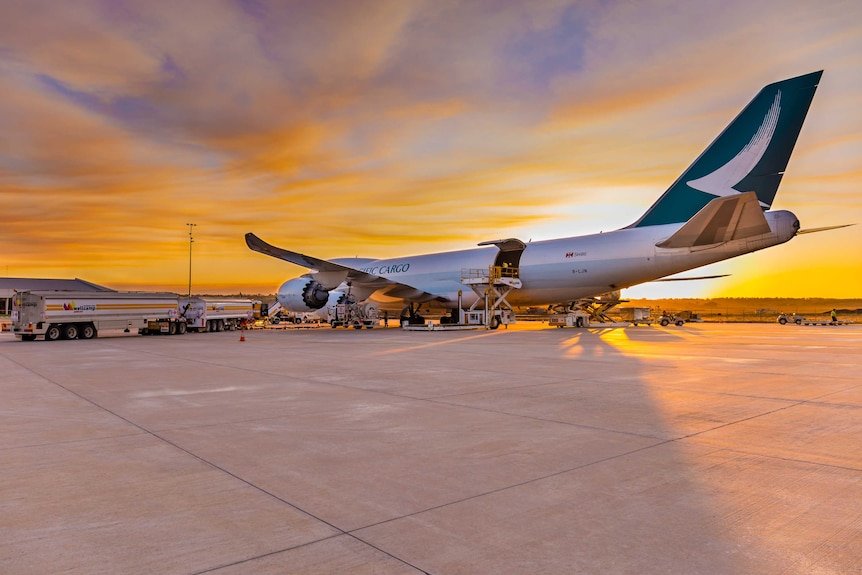
Hong Kong is one of the world’s largest air cargo gateways, and changes in passenger flight schedules can reduce available belly cargo capacity because many shipments travel underneath passenger aircraft.
Logistics firms and exporters are therefore monitoring aviation schedules closely, particularly for high-value shipments such as electronics, pharmaceuticals, and semiconductors.
At a structural level, the episode highlights how vulnerable global aviation remains to concentrated energy chokepoints.
Even though airlines hedge fuel exposure and diversify supply arrangements, a sustained shock involving Gulf energy routes can rapidly spread through international aviation networks.
The crisis is also exposing differences between carriers with strong financial buffers and those with weaker hedging strategies or thinner margins.
Hong Kong airport’s traffic mix is therefore entering a period of recalibration rather than simple decline.
Some routes are shrinking while others gain volume through rerouting and transfer demand.
Airlines are actively repositioning aircraft and schedules to adapt to a fuel environment that remains unstable, turning the airport into both a pressure point and an opportunity hub within a rapidly shifting global aviation market.
What is confirmed is that multiple airlines operating through Hong Kong have altered planned schedules for the summer travel season.
Carriers have reduced certain routes, consolidated flights, changed aircraft types, and shifted network capacity to contain operating costs after jet fuel prices rose sharply following disruptions linked to conflict affecting energy supply routes in the Gulf region.
The aviation industry’s response has been unusually preemptive.
Instead of relying mainly on last-minute cancellations, airlines revised schedules months in advance to stabilize operations and preserve margins during a period of volatile fuel pricing.
Data from aviation analytics firms show substantial reductions on selected long-haul and regional routes connected to Gulf transit hubs, especially services dependent on widebody aircraft with high fuel consumption.
Hong Kong’s position in global aviation makes the effects particularly visible.
The city operates one of the world’s most important transit airports, linking Asia with Europe, the Middle East, and Africa.
Any disruption involving Gulf carriers or Middle Eastern airspace quickly affects passenger flows through Hong Kong because airlines in Dubai, Doha, and surrounding hubs serve as major connectors for long-haul intercontinental travel.
Cathay Pacific and its low-cost subsidiary HK Express have already cut portions of their passenger schedules for the May-to-June period.
The reductions mainly affected regional routes, but also included selected long-haul services to destinations in Australia, South Asia, and Africa.
Some Middle East routes were suspended entirely for extended periods as fuel economics deteriorated.
The mechanism behind the disruption is straightforward but severe.
Jet fuel represents one of the largest operating expenses for airlines, often accounting for roughly a quarter or more of total costs.
When oil shipping routes face instability or supply interruptions, airlines immediately absorb higher fuel procurement costs.
Unlike many other industries, aviation has limited short-term flexibility because aircraft schedules, crew rotations, airport slots, and maintenance cycles are tightly interconnected.
The result is not a total collapse in air traffic but a strategic redistribution of capacity.
Airlines are concentrating flights on routes with stronger yields and higher passenger demand while trimming marginal services.
In practical terms, that means fewer frequencies on some routes, larger aircraft on others, and increased emphasis on profitable transit corridors.
For Hong Kong airport, the shift could produce an unusual combination of outcomes: fewer scheduled flights in some categories but stronger transfer traffic overall.
As certain Middle East routes face disruption, more passengers are being redirected through East Asian hubs, including Hong Kong, for onward connections between Europe and Asia.
Government officials in Hong Kong have publicly urged airlines to minimize disruption while also encouraging carriers to take advantage of temporary gaps in regional connectivity.
Authorities view the crisis not only as a logistical challenge but also as a competitive opening for Hong Kong’s airport to strengthen its role as a major international hub while rival routes face operational strain.
Passenger behavior is already changing.
Economy fares to Europe have risen sharply on many routes because reduced capacity coincides with strong seasonal travel demand.
Travelers are facing higher surcharges, fewer flight options, and more indirect itineraries.
Airlines have attempted to offset some pressure through revised fuel surcharges and operational efficiencies, but ticket prices remain elevated compared with earlier projections for the summer season.
The cargo sector is also affected.
Hong Kong is one of the world’s largest air cargo gateways, and changes in passenger flight schedules can reduce available belly cargo capacity because many shipments travel underneath passenger aircraft.
Logistics firms and exporters are therefore monitoring aviation schedules closely, particularly for high-value shipments such as electronics, pharmaceuticals, and semiconductors.
At a structural level, the episode highlights how vulnerable global aviation remains to concentrated energy chokepoints.
Even though airlines hedge fuel exposure and diversify supply arrangements, a sustained shock involving Gulf energy routes can rapidly spread through international aviation networks.
The crisis is also exposing differences between carriers with strong financial buffers and those with weaker hedging strategies or thinner margins.
Hong Kong airport’s traffic mix is therefore entering a period of recalibration rather than simple decline.
Some routes are shrinking while others gain volume through rerouting and transfer demand.
Airlines are actively repositioning aircraft and schedules to adapt to a fuel environment that remains unstable, turning the airport into both a pressure point and an opportunity hub within a rapidly shifting global aviation market.