A government-backed summit highlighting economic strategy and policy thinking underscores Hong Kong’s effort to reinforce its role as a regional center for intellectual and financial leadership.
SYSTEM-DRIVEN: The story is shaped by institutional strategy and governance—specifically Hong Kong’s use of policy forums and international summits to reinforce its global economic and intellectual positioning.
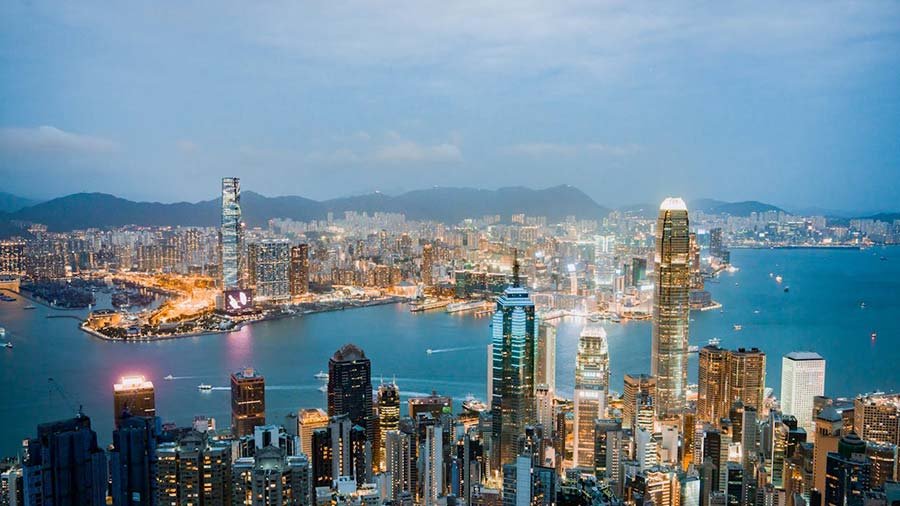
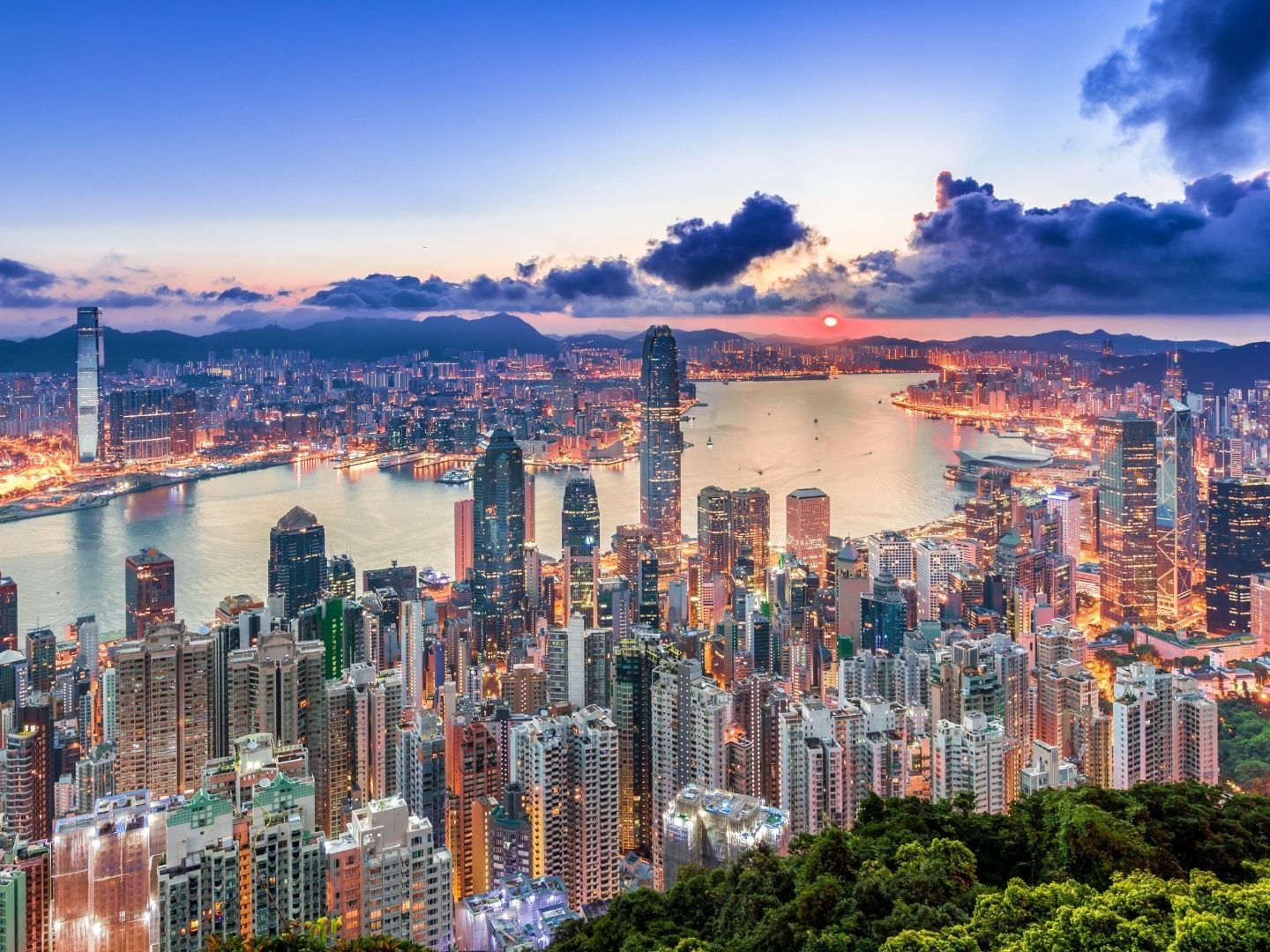
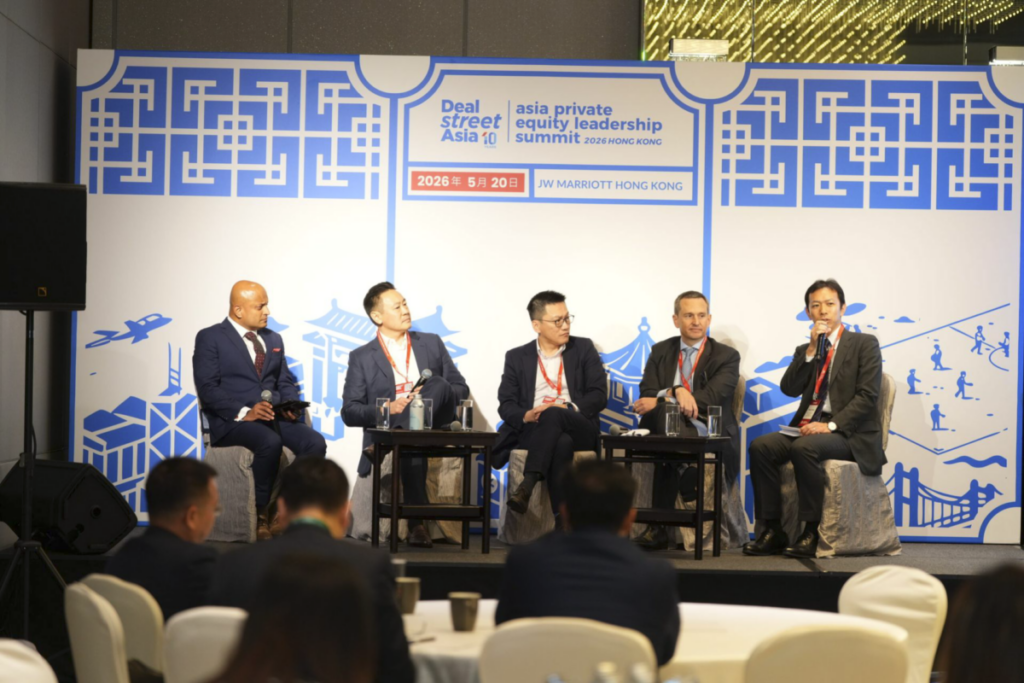
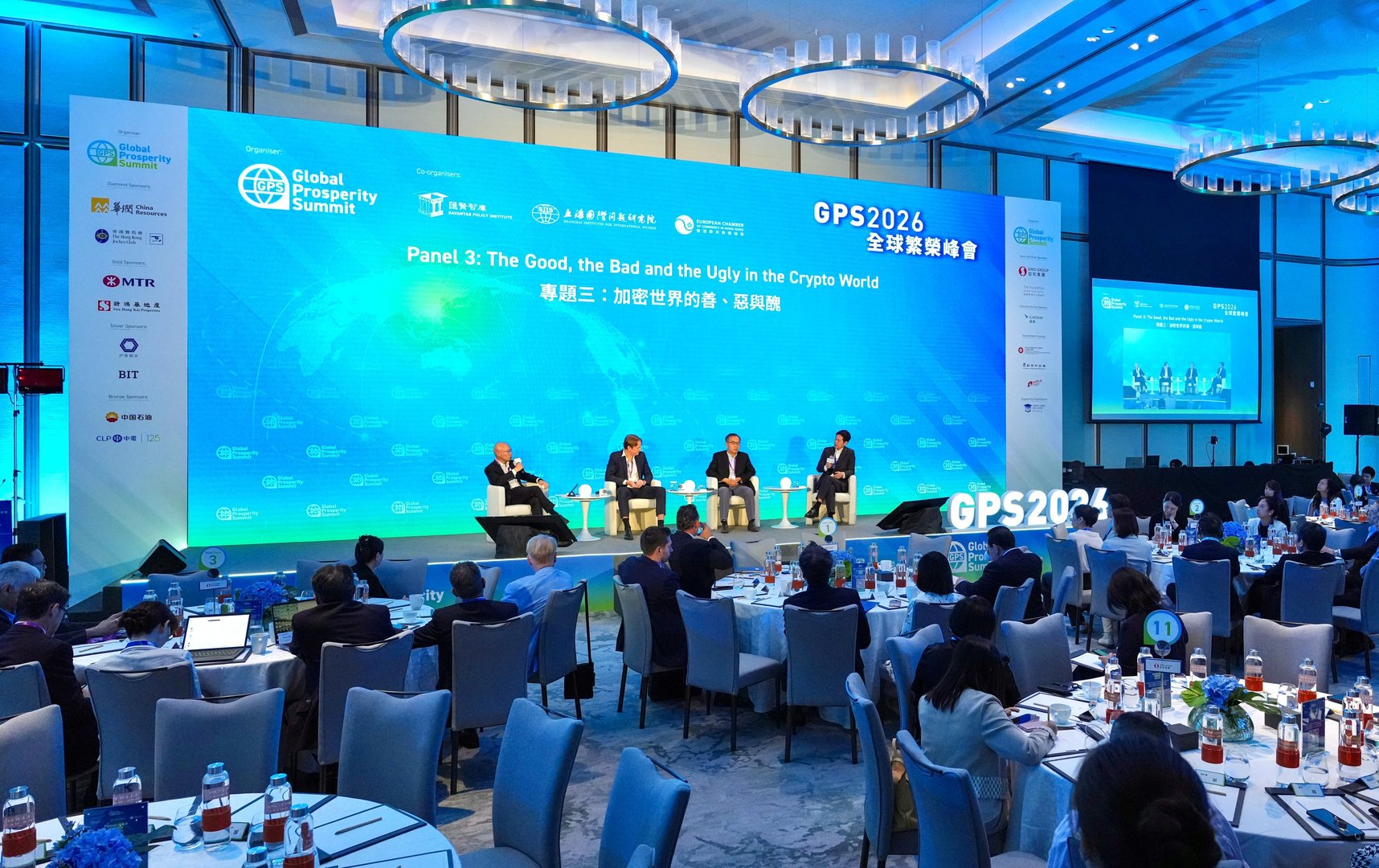
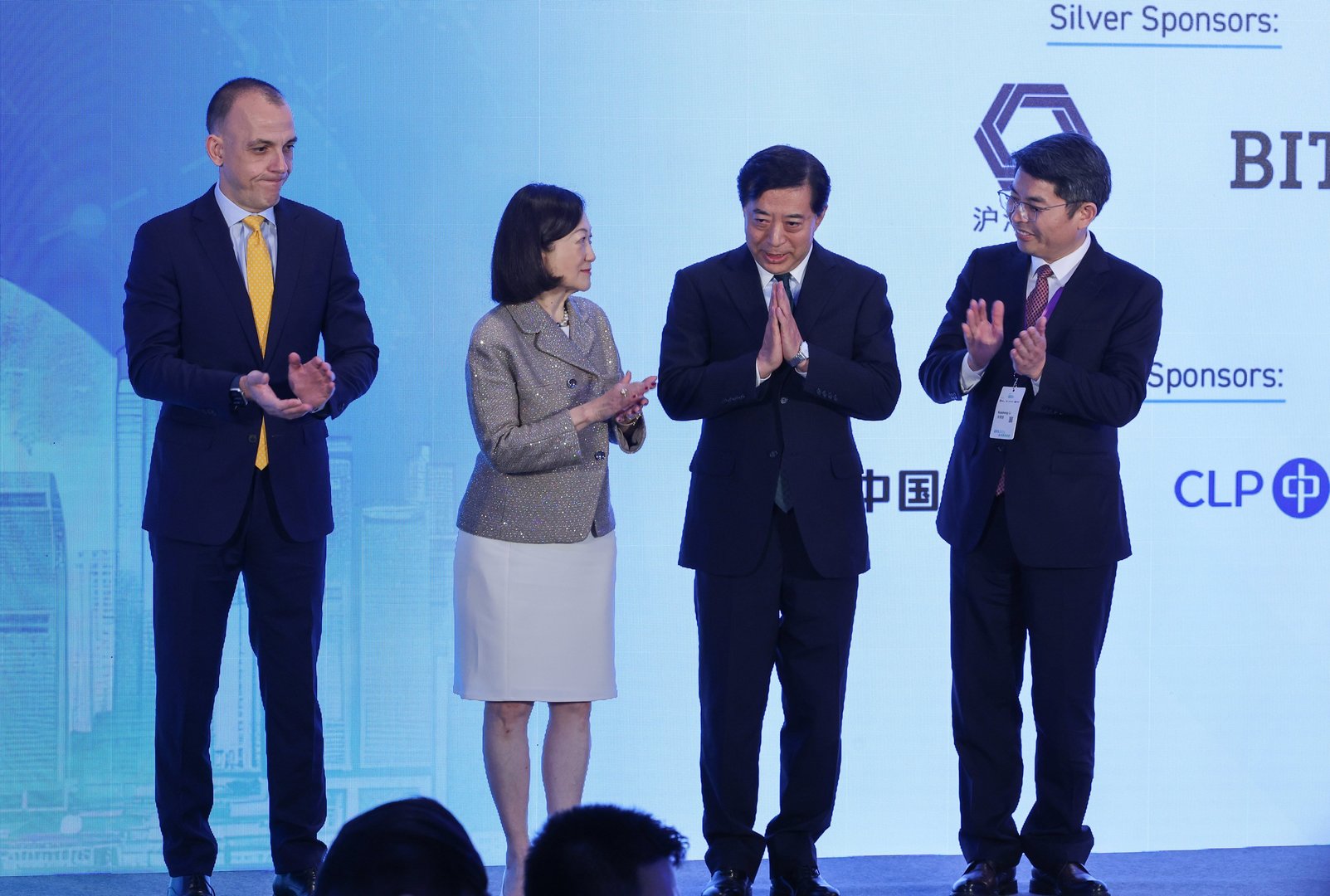
Hong Kong has used a high-profile “prosperity summit” to project itself as a hub of policy innovation and global economic thinking, bringing together political leaders, business executives, and academic figures to discuss long-term growth, financial stability, and regional integration.
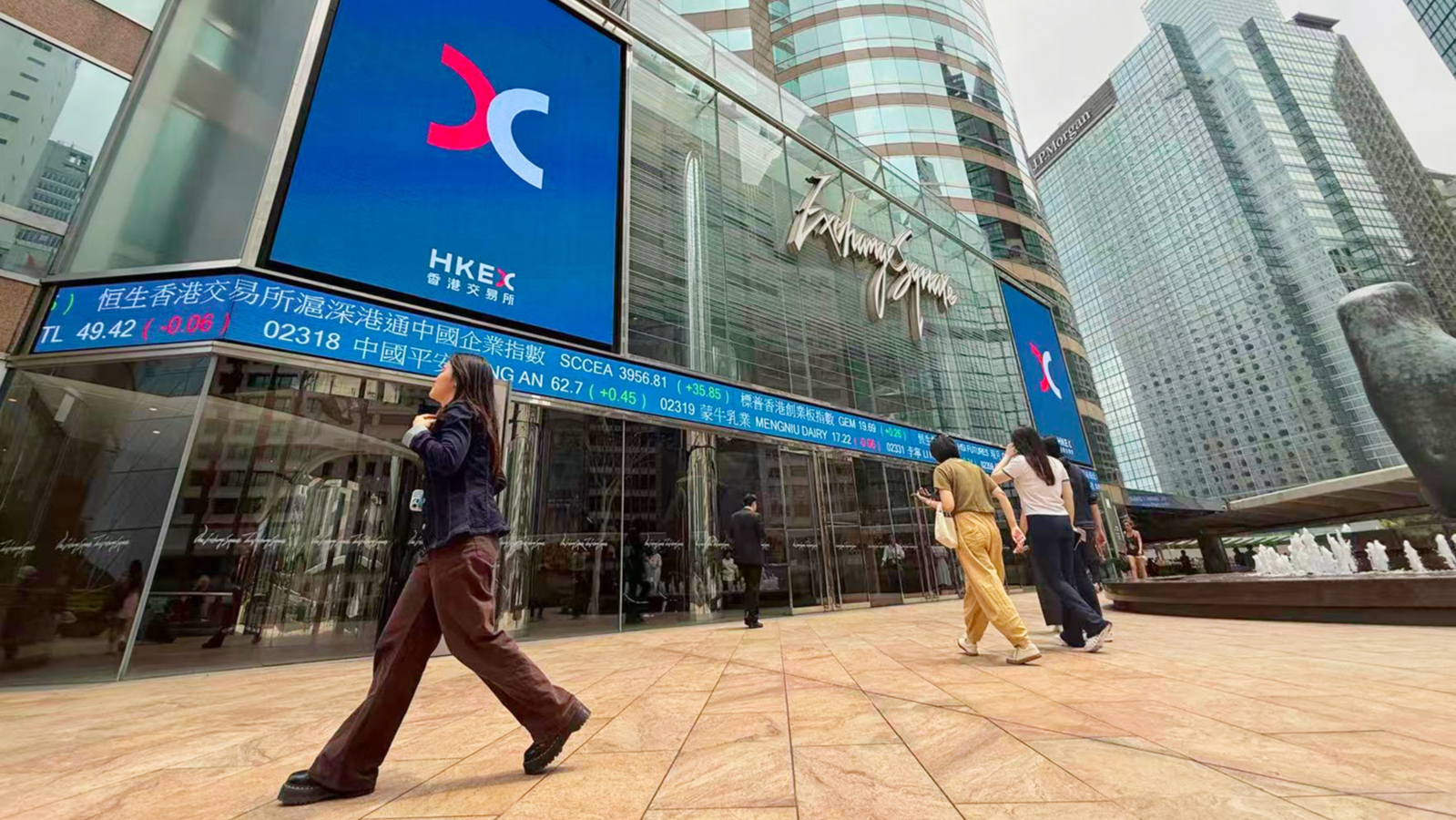
The event is part of a broader strategy by the Hong Kong Special Administrative Region government to strengthen confidence in its role as an international financial center amid shifting geopolitical and economic conditions.
What is confirmed is that the summit was framed around themes of economic resilience, capital flows, and the role of cities in shaping global development.
Officials positioned the gathering as evidence of Hong Kong’s continued ability to convene international dialogue at a time when global supply chains, investment patterns, and financial governance structures are being reshaped.
The key mechanism behind the event is soft power through convening authority.
Rather than announcing major policy shifts, the summit functions as a platform to signal stability, openness to investment, and intellectual relevance.
This approach reflects a broader trend among global financial centers that increasingly compete not only on taxation and regulation, but also on perceived influence over economic ideas and policy networks.
Hong Kong’s government has emphasized its role as a connector between mainland China and international markets.
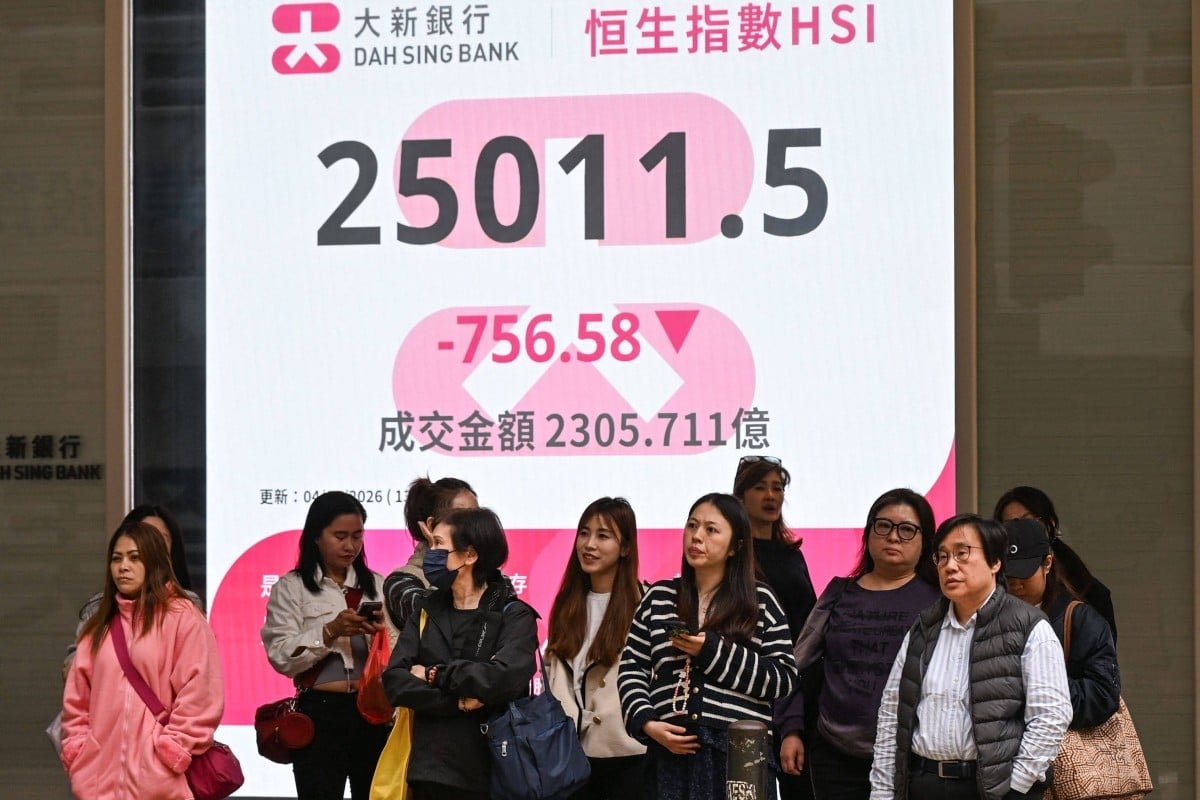
The city’s financial system remains deeply integrated with global capital flows, and policymakers have sought to reinforce its status despite concerns among some international investors about regulatory changes and geopolitical tensions in recent years.
The summit also highlights the growing importance of narrative competition in global finance.
Cities such as Singapore, Dubai, and New York have similarly invested in high-profile forums designed to attract capital and talent by reinforcing their reputations as stable and forward-looking economic centers.
In this context, Hong Kong’s event is less an isolated initiative and more part of a broader global pattern of economic positioning through curated dialogue platforms.
Critically, while the summit projects confidence, its impact depends on whether it translates into measurable economic outcomes such as investment inflows, expanded financial listings, or increased participation from multinational firms.
Without such outcomes, these forums risk being seen primarily as symbolic exercises rather than drivers of structural change.
The broader implication is that global cities are increasingly competing on perception as much as policy.
Intellectual leadership, as framed by Hong Kong officials, is now treated as an asset in itself—one that can reinforce financial relevance even in a fragmented geopolitical environment.
The summit therefore functions as both a signaling device and a strategic attempt to anchor Hong Kong more firmly in global economic networks.
The event concludes with continued efforts by Hong Kong authorities to position the city as a central node in international finance, with future policy forums and investment initiatives expected to extend this narrative of long-term economic relevance.
Hong Kong has used a high-profile “prosperity summit” to project itself as a hub of policy innovation and global economic thinking, bringing together political leaders, business executives, and academic figures to discuss long-term growth, financial stability, and regional integration.
The event is part of a broader strategy by the Hong Kong Special Administrative Region government to strengthen confidence in its role as an international financial center amid shifting geopolitical and economic conditions.
What is confirmed is that the summit was framed around themes of economic resilience, capital flows, and the role of cities in shaping global development.
Officials positioned the gathering as evidence of Hong Kong’s continued ability to convene international dialogue at a time when global supply chains, investment patterns, and financial governance structures are being reshaped.
The key mechanism behind the event is soft power through convening authority.
Rather than announcing major policy shifts, the summit functions as a platform to signal stability, openness to investment, and intellectual relevance.
This approach reflects a broader trend among global financial centers that increasingly compete not only on taxation and regulation, but also on perceived influence over economic ideas and policy networks.
Hong Kong’s government has emphasized its role as a connector between mainland China and international markets.
The city’s financial system remains deeply integrated with global capital flows, and policymakers have sought to reinforce its status despite concerns among some international investors about regulatory changes and geopolitical tensions in recent years.
The summit also highlights the growing importance of narrative competition in global finance.
Cities such as Singapore, Dubai, and New York have similarly invested in high-profile forums designed to attract capital and talent by reinforcing their reputations as stable and forward-looking economic centers.
In this context, Hong Kong’s event is less an isolated initiative and more part of a broader global pattern of economic positioning through curated dialogue platforms.
Critically, while the summit projects confidence, its impact depends on whether it translates into measurable economic outcomes such as investment inflows, expanded financial listings, or increased participation from multinational firms.
Without such outcomes, these forums risk being seen primarily as symbolic exercises rather than drivers of structural change.
The broader implication is that global cities are increasingly competing on perception as much as policy.
Intellectual leadership, as framed by Hong Kong officials, is now treated as an asset in itself—one that can reinforce financial relevance even in a fragmented geopolitical environment.
The summit therefore functions as both a signaling device and a strategic attempt to anchor Hong Kong more firmly in global economic networks.
The event concludes with continued efforts by Hong Kong authorities to position the city as a central node in international finance, with future policy forums and investment initiatives expected to extend this narrative of long-term economic relevance.