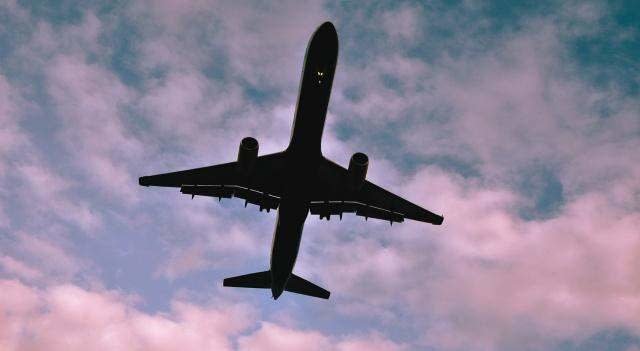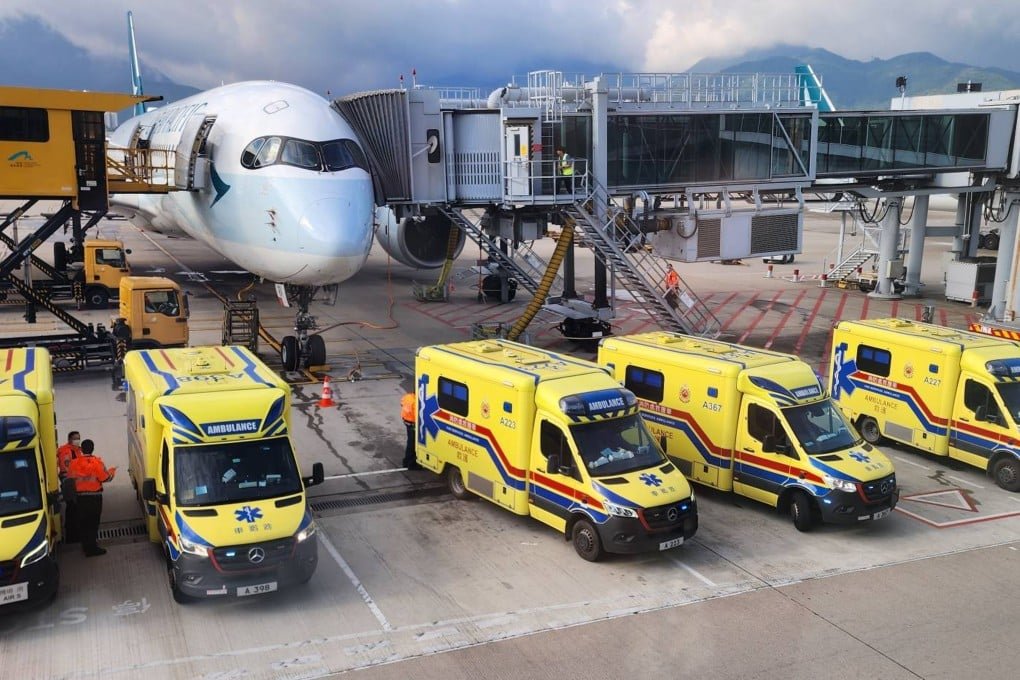
A Cathay Pacific service encountered sudden turbulence that caused injuries on board, raising renewed scrutiny of flight safety during unexpected atmospheric events
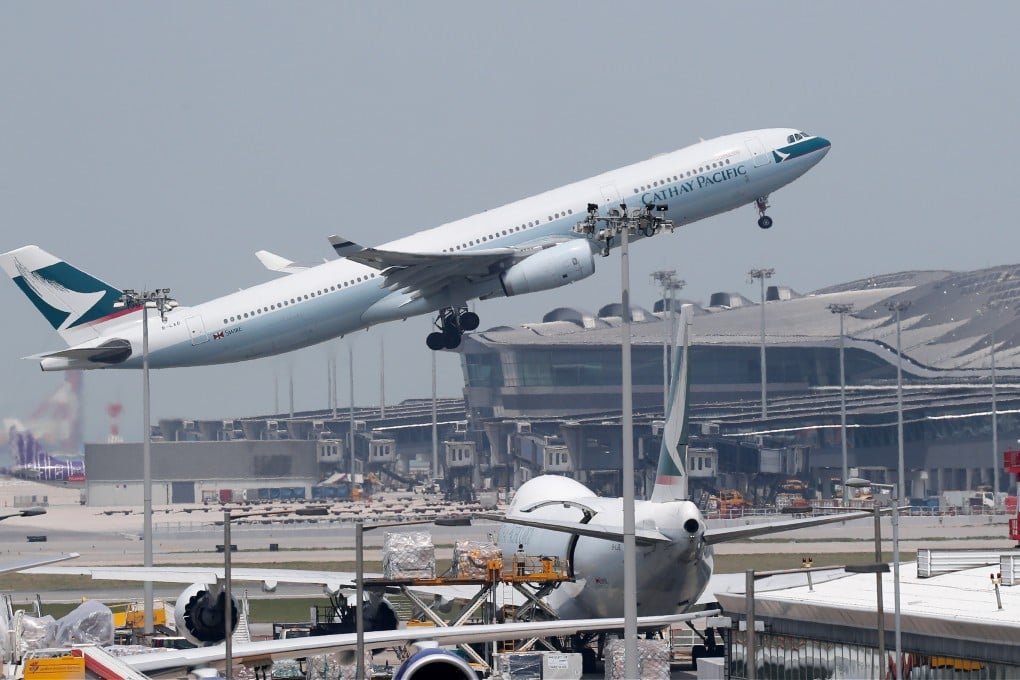
An event-driven aviation incident unfolded on a Cathay Pacific passenger flight travelling from Brisbane to Hong Kong, when the aircraft encountered severe turbulence that resulted in multiple onboard injuries.
The episode occurred during flight operations in which the aircraft was in stable transit conditions before experiencing a sudden and violent air disturbance that caused passengers and cabin crew to be thrown from their seats.
What is confirmed is that the turbulence was strong enough to cause physical harm to people on board, with roughly ten passengers reported as injured to varying degrees.
Cabin service was disrupted immediately as crew responded to secure the cabin, assist injured passengers, and ensure the aircraft remained safely controlled.
Such incidents typically require rapid coordination between flight attendants and pilots, who adjust altitude and flight path to minimize further exposure to unstable air.
Turbulence of this kind is usually associated with rapidly changing atmospheric conditions, including jet streams, storm systems, or clear-air turbulence that cannot be detected visually.
In modern aviation, aircraft are designed to withstand significant turbulence loads, but passengers and unsecured cabin crew remain vulnerable when sudden movements occur without warning.
Injuries most commonly involve head strikes, sprains, or blunt-force impacts from seat structures and overhead compartments.
The key issue highlighted by this incident is the unpredictability of severe turbulence and its increasing operational relevance for commercial aviation.
Airlines routinely rely on meteorological forecasting and onboard detection systems, yet clear-air turbulence in particular can emerge with limited or no advance warning.
This creates a persistent safety challenge even on long-established international routes such as flights between Australia and Hong Kong.
Cathay Pacific aircraft involved in such incidents are typically equipped with advanced weather radar and structural safety systems designed to maintain aircraft integrity under extreme conditions.
However, these systems do not fully eliminate the risk of passenger injury when turbulence occurs suddenly and at cruising altitude, where seatbelt use is often relaxed during service periods.
Following the event, standard aviation procedures involve assessing passenger injuries, conducting a post-flight inspection of the aircraft, and reviewing flight data to understand the intensity and duration of the turbulence encounter.
Airlines also typically evaluate whether operational advisories or route adjustments are needed for future flights on similar corridors.
The broader implication is that even highly regulated international aviation networks remain exposed to short-duration but high-intensity atmospheric events that can rapidly escalate from routine flight conditions to emergency cabin management scenarios, reinforcing the importance of continuous seatbelt compliance during flight.
The episode occurred during flight operations in which the aircraft was in stable transit conditions before experiencing a sudden and violent air disturbance that caused passengers and cabin crew to be thrown from their seats.
What is confirmed is that the turbulence was strong enough to cause physical harm to people on board, with roughly ten passengers reported as injured to varying degrees.
Cabin service was disrupted immediately as crew responded to secure the cabin, assist injured passengers, and ensure the aircraft remained safely controlled.
Such incidents typically require rapid coordination between flight attendants and pilots, who adjust altitude and flight path to minimize further exposure to unstable air.
Turbulence of this kind is usually associated with rapidly changing atmospheric conditions, including jet streams, storm systems, or clear-air turbulence that cannot be detected visually.
In modern aviation, aircraft are designed to withstand significant turbulence loads, but passengers and unsecured cabin crew remain vulnerable when sudden movements occur without warning.
Injuries most commonly involve head strikes, sprains, or blunt-force impacts from seat structures and overhead compartments.
The key issue highlighted by this incident is the unpredictability of severe turbulence and its increasing operational relevance for commercial aviation.
Airlines routinely rely on meteorological forecasting and onboard detection systems, yet clear-air turbulence in particular can emerge with limited or no advance warning.
This creates a persistent safety challenge even on long-established international routes such as flights between Australia and Hong Kong.
Cathay Pacific aircraft involved in such incidents are typically equipped with advanced weather radar and structural safety systems designed to maintain aircraft integrity under extreme conditions.
However, these systems do not fully eliminate the risk of passenger injury when turbulence occurs suddenly and at cruising altitude, where seatbelt use is often relaxed during service periods.
Following the event, standard aviation procedures involve assessing passenger injuries, conducting a post-flight inspection of the aircraft, and reviewing flight data to understand the intensity and duration of the turbulence encounter.
Airlines also typically evaluate whether operational advisories or route adjustments are needed for future flights on similar corridors.
The broader implication is that even highly regulated international aviation networks remain exposed to short-duration but high-intensity atmospheric events that can rapidly escalate from routine flight conditions to emergency cabin management scenarios, reinforcing the importance of continuous seatbelt compliance during flight.