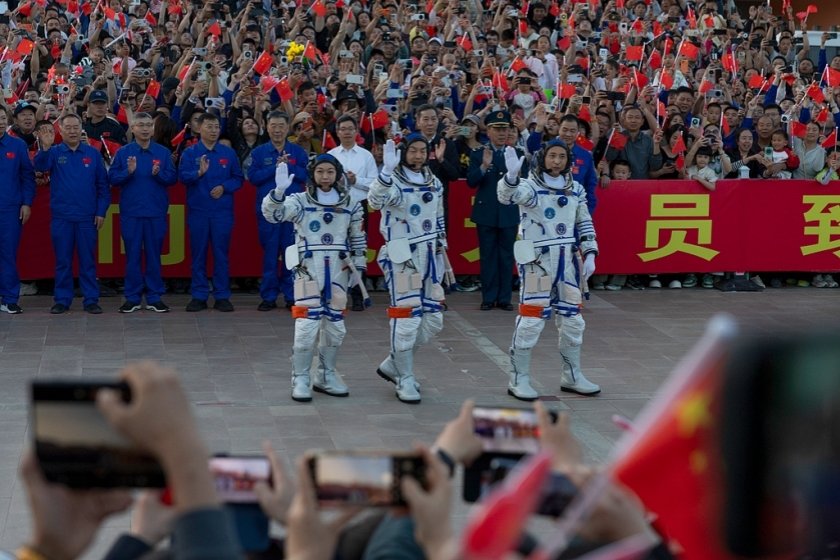
The launch of payload specialist Lai Ka-ying aboard the Shenzhou-23 mission marks a political and technological milestone for Hong Kong and China’s rapidly growing space program.
China’s state-run space program has launched the first astronaut from Hong Kong into orbit, turning a routine crew rotation mission into a politically significant demonstration of national integration, scientific prestige, and long-term technological ambition.
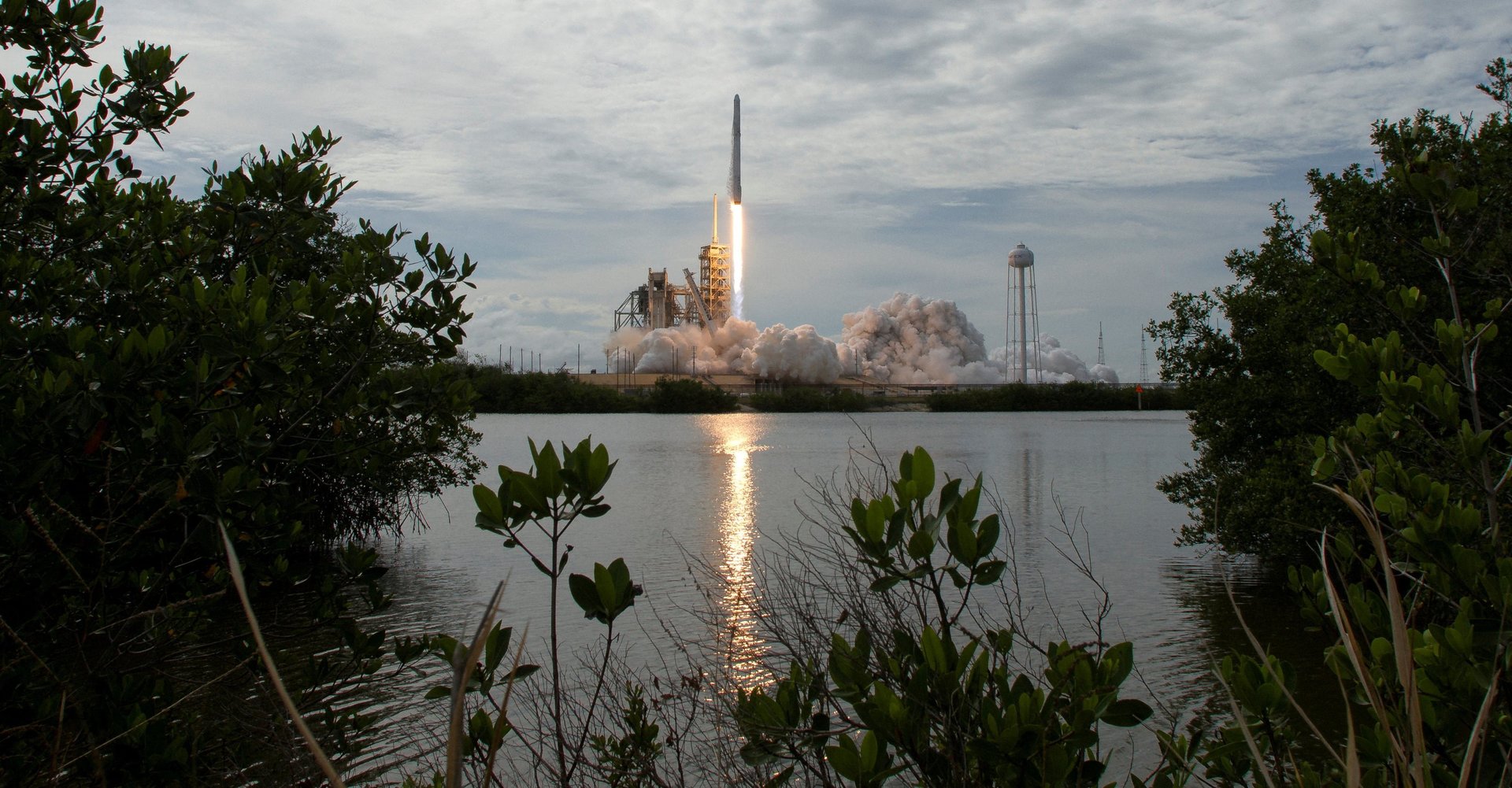
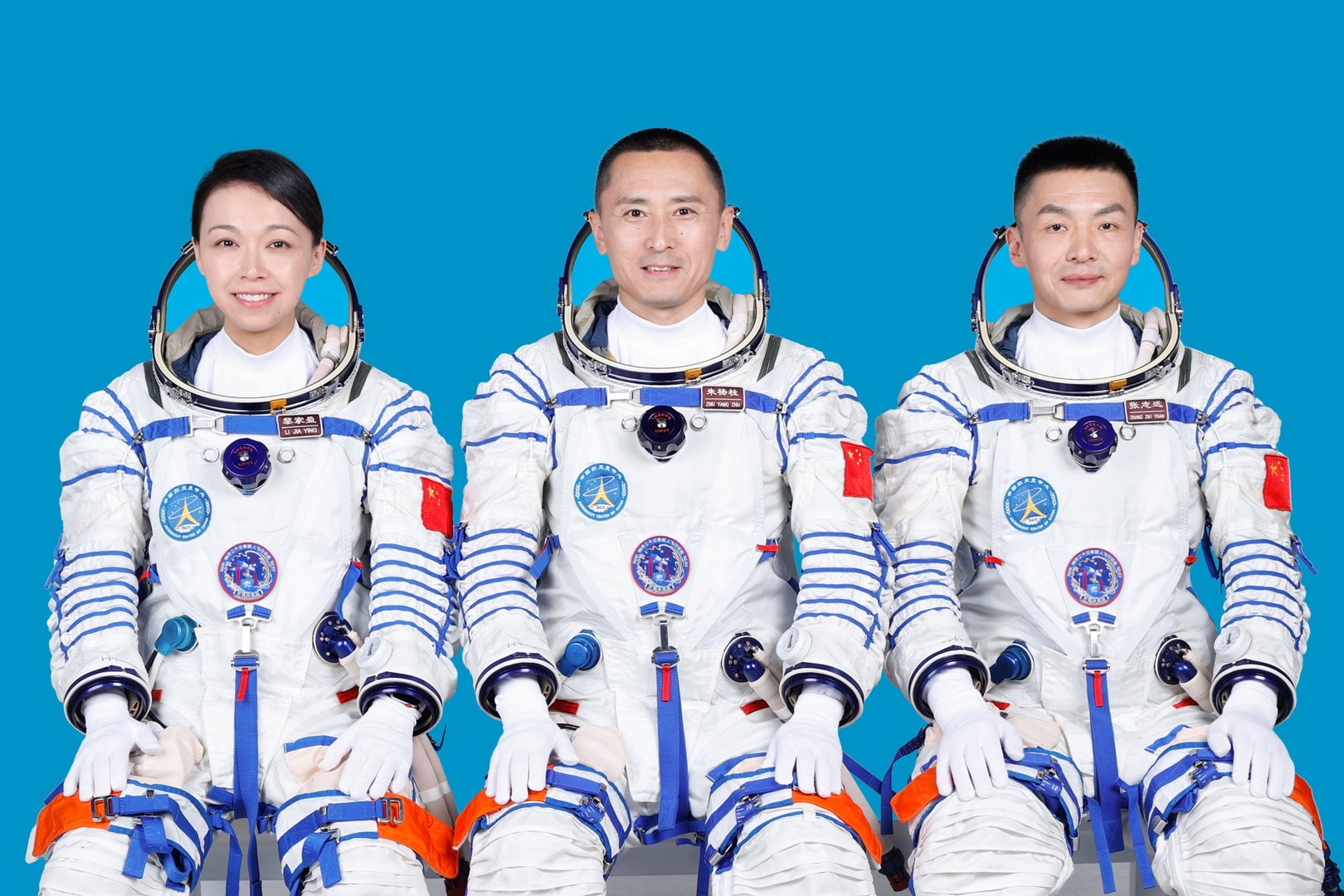
Lai Ka-ying, a former Hong Kong police officer and computer scientist, lifted off aboard the Shenzhou-23 spacecraft from the Jiuquan Satellite Launch Center on May 24 as part of a three-person crew heading to China’s Tiangong space station.
What is confirmed is that Lai joined the mission as a payload specialist responsible for scientific and technical operations aboard the orbital station.
The crew launched on a Long March-2F rocket and successfully entered orbit before docking procedures with Tiangong.
The mission forms part of China’s expanding human spaceflight program, which Beijing increasingly presents as evidence of the country’s emergence as a top-tier technological power.
The selection of Lai is significant because it reflects a broader transformation inside China’s astronaut corps.
Earlier generations of Chinese astronauts were almost exclusively drawn from military fighter pilot backgrounds.
China is now recruiting specialists with expertise in engineering, medicine, digital systems, and scientific research as orbital missions become more technically demanding.
Lai’s background fits that shift.
Before joining China’s astronaut program, she worked in the Hong Kong Police Force and later pursued advanced academic training in computer science and digital forensics.
Chinese authorities emphasized her technical credentials and civilian profile during official coverage surrounding the launch.
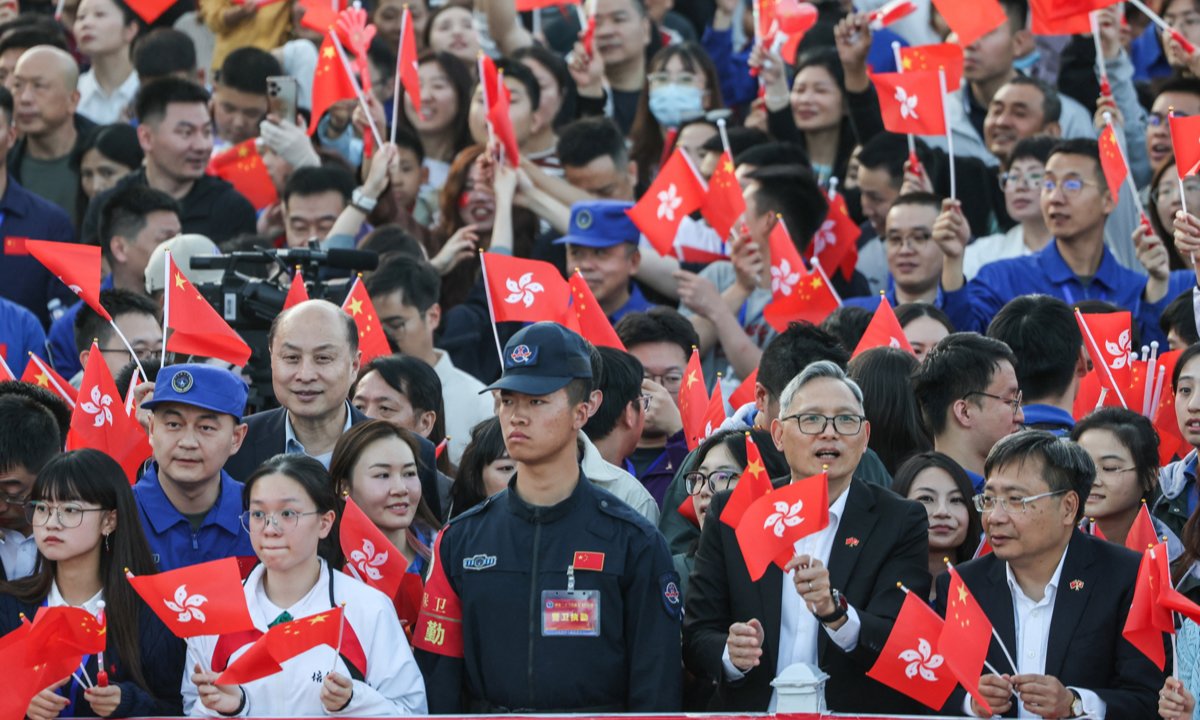
The mission immediately became a major public event in Hong Kong.
Schools organized live broadcasts of the launch.
Universities and science institutions rapidly promoted educational programming linked to aerospace research and STEM development.
Online reaction across Hong Kong was dominated by expressions of pride that someone born and educated in the city had become part of a national space mission.
The political symbolism is difficult to separate from the scientific achievement.
Beijing has increasingly used large-scale technology programs to reinforce narratives of national unity and modernization, particularly in Hong Kong after years of political tension and social division following the 2019 protests and the subsequent restructuring of the city’s political system.
For China’s leadership, the image of a Hong Kong-born astronaut participating in a flagship national mission serves multiple purposes simultaneously.
It projects technological confidence, promotes patriotic identity, and reinforces the idea that Hong Kong’s future is closely tied to mainland scientific and industrial development.
The launch also comes during an aggressive expansion phase for China’s space sector.
Since completing the core structure of the Tiangong space station, China has accelerated crewed missions, cargo launches, scientific experiments, and deep-space exploration planning.
Beijing has publicly stated its goal of landing astronauts on the moon before 2030 and establishing a long-term lunar research presence.
China’s space strategy has become increasingly geopolitical.
Excluded from direct cooperation with NASA on the International Space Station due to longstanding United States restrictions, Beijing built an independent orbital program capable of sustaining long-duration missions and international partnerships outside Western-led systems.
The Tiangong station now functions as both a scientific platform and a diplomatic instrument.
China has actively invited foreign researchers and international payload cooperation projects while positioning itself as a technological alternative to US-led aerospace dominance.
Lai’s mission therefore extends beyond symbolic representation for Hong Kong.
It demonstrates Beijing’s effort to integrate the city into national strategic industries, particularly aerospace, artificial intelligence, advanced manufacturing, and scientific research.
Authorities in Hong Kong and mainland China have repeatedly promoted the Greater Bay Area initiative as a combined innovation ecosystem linking Hong Kong with Shenzhen and other southern Chinese technology centers.
The timing is also economically important for Hong Kong itself.
The city is under pressure to diversify beyond finance, real estate, and traditional logistics sectors as geopolitical competition and slower regional growth reshape Asian business flows.
Science and technology development has become a central policy priority for both Hong Kong authorities and Beijing.
The mission has already triggered institutional responses.
Universities in Hong Kong are expanding aerospace partnerships and promoting space-related academic programs.
Science museums and education agencies have announced new outreach efforts tied to the launch.
Technology officials are using the event to encourage student interest in engineering and scientific careers.
At the same time, reactions inside Hong Kong remain politically layered.
Some residents celebrated the launch primarily as a scientific milestone.
Others viewed the mission through the lens of Hong Kong’s changing relationship with mainland China.
Critics questioned whether the intense patriotic framing surrounding the event overshadowed its scientific significance.
Still, the public response suggests the mission has resonated beyond politics alone.
Lai’s profile as a working professional rather than a military celebrity appears to have broadened public identification with the mission.
Supporters repeatedly highlighted her educational path, technical expertise, and career discipline as evidence that participation in advanced scientific programs is no longer confined to elite military structures.
The key issue is that China’s space program now functions as a strategic national system rather than a narrow aerospace project.
It supports industrial policy, military-adjacent technological development, scientific research, international influence, and domestic political messaging simultaneously.
For Hong Kong, the launch creates a rare moment in which the city is associated globally with scientific achievement rather than financial volatility or political conflict.
For China, it demonstrates that the country’s human spaceflight program has entered a more mature phase capable of incorporating specialists from outside traditional military channels while expanding the symbolic reach of Beijing’s technological ambitions.
With Lai Ka-ying now aboard the Tiangong station, Hong Kong has formally entered the history of Chinese human spaceflight as Beijing accelerates its push toward long-duration orbital operations and future lunar missions.
Lai Ka-ying, a former Hong Kong police officer and computer scientist, lifted off aboard the Shenzhou-23 spacecraft from the Jiuquan Satellite Launch Center on May 24 as part of a three-person crew heading to China’s Tiangong space station.
What is confirmed is that Lai joined the mission as a payload specialist responsible for scientific and technical operations aboard the orbital station.
The crew launched on a Long March-2F rocket and successfully entered orbit before docking procedures with Tiangong.
The mission forms part of China’s expanding human spaceflight program, which Beijing increasingly presents as evidence of the country’s emergence as a top-tier technological power.
The selection of Lai is significant because it reflects a broader transformation inside China’s astronaut corps.
Earlier generations of Chinese astronauts were almost exclusively drawn from military fighter pilot backgrounds.
China is now recruiting specialists with expertise in engineering, medicine, digital systems, and scientific research as orbital missions become more technically demanding.
Lai’s background fits that shift.
Before joining China’s astronaut program, she worked in the Hong Kong Police Force and later pursued advanced academic training in computer science and digital forensics.
Chinese authorities emphasized her technical credentials and civilian profile during official coverage surrounding the launch.
The mission immediately became a major public event in Hong Kong.
Schools organized live broadcasts of the launch.
Universities and science institutions rapidly promoted educational programming linked to aerospace research and STEM development.
Online reaction across Hong Kong was dominated by expressions of pride that someone born and educated in the city had become part of a national space mission.
The political symbolism is difficult to separate from the scientific achievement.
Beijing has increasingly used large-scale technology programs to reinforce narratives of national unity and modernization, particularly in Hong Kong after years of political tension and social division following the 2019 protests and the subsequent restructuring of the city’s political system.
For China’s leadership, the image of a Hong Kong-born astronaut participating in a flagship national mission serves multiple purposes simultaneously.
It projects technological confidence, promotes patriotic identity, and reinforces the idea that Hong Kong’s future is closely tied to mainland scientific and industrial development.
The launch also comes during an aggressive expansion phase for China’s space sector.
Since completing the core structure of the Tiangong space station, China has accelerated crewed missions, cargo launches, scientific experiments, and deep-space exploration planning.
Beijing has publicly stated its goal of landing astronauts on the moon before 2030 and establishing a long-term lunar research presence.
China’s space strategy has become increasingly geopolitical.
Excluded from direct cooperation with NASA on the International Space Station due to longstanding United States restrictions, Beijing built an independent orbital program capable of sustaining long-duration missions and international partnerships outside Western-led systems.
The Tiangong station now functions as both a scientific platform and a diplomatic instrument.
China has actively invited foreign researchers and international payload cooperation projects while positioning itself as a technological alternative to US-led aerospace dominance.
Lai’s mission therefore extends beyond symbolic representation for Hong Kong.
It demonstrates Beijing’s effort to integrate the city into national strategic industries, particularly aerospace, artificial intelligence, advanced manufacturing, and scientific research.
Authorities in Hong Kong and mainland China have repeatedly promoted the Greater Bay Area initiative as a combined innovation ecosystem linking Hong Kong with Shenzhen and other southern Chinese technology centers.
The timing is also economically important for Hong Kong itself.
The city is under pressure to diversify beyond finance, real estate, and traditional logistics sectors as geopolitical competition and slower regional growth reshape Asian business flows.
Science and technology development has become a central policy priority for both Hong Kong authorities and Beijing.
The mission has already triggered institutional responses.
Universities in Hong Kong are expanding aerospace partnerships and promoting space-related academic programs.
Science museums and education agencies have announced new outreach efforts tied to the launch.
Technology officials are using the event to encourage student interest in engineering and scientific careers.
At the same time, reactions inside Hong Kong remain politically layered.
Some residents celebrated the launch primarily as a scientific milestone.
Others viewed the mission through the lens of Hong Kong’s changing relationship with mainland China.
Critics questioned whether the intense patriotic framing surrounding the event overshadowed its scientific significance.
Still, the public response suggests the mission has resonated beyond politics alone.
Lai’s profile as a working professional rather than a military celebrity appears to have broadened public identification with the mission.
Supporters repeatedly highlighted her educational path, technical expertise, and career discipline as evidence that participation in advanced scientific programs is no longer confined to elite military structures.
The key issue is that China’s space program now functions as a strategic national system rather than a narrow aerospace project.
It supports industrial policy, military-adjacent technological development, scientific research, international influence, and domestic political messaging simultaneously.
For Hong Kong, the launch creates a rare moment in which the city is associated globally with scientific achievement rather than financial volatility or political conflict.
For China, it demonstrates that the country’s human spaceflight program has entered a more mature phase capable of incorporating specialists from outside traditional military channels while expanding the symbolic reach of Beijing’s technological ambitions.
With Lai Ka-ying now aboard the Tiangong station, Hong Kong has formally entered the history of Chinese human spaceflight as Beijing accelerates its push toward long-duration orbital operations and future lunar missions.