Announcement places K-pop group BTS in line for a multi-night run at Hong Kong’s new Kai Tak Stadium, signalling the venue’s push into major international touring circuits
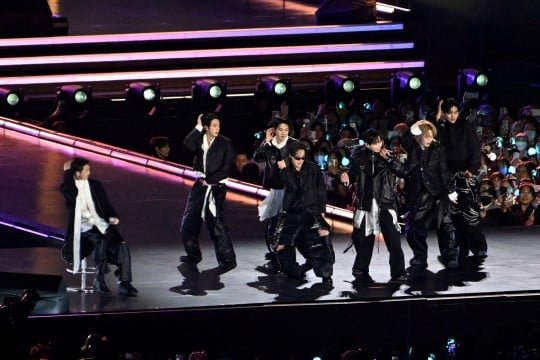
The global touring strategy of BTS, the South Korean pop group whose international reach has reshaped stadium-level music economics, has taken a new turn with an announcement that three concerts are planned at Hong Kong’s Kai Tak Stadium in 2027. The development positions both the group and the venue at the centre of Asia’s evolving live entertainment infrastructure, where large-scale arenas are increasingly competing for high-demand global acts years in advance.
What is confirmed is that promotional material and early scheduling plans reference three performances by BTS at Kai Tak Stadium in 2027. The shows are framed as part of a broader regional touring cycle that aligns with the group’s long-term return to large-scale touring following staggered solo and group activities among members in recent years.
However, detailed ticketing arrangements, final production logistics, and fully confirmed tour routing have not been formally published in a complete public schedule.
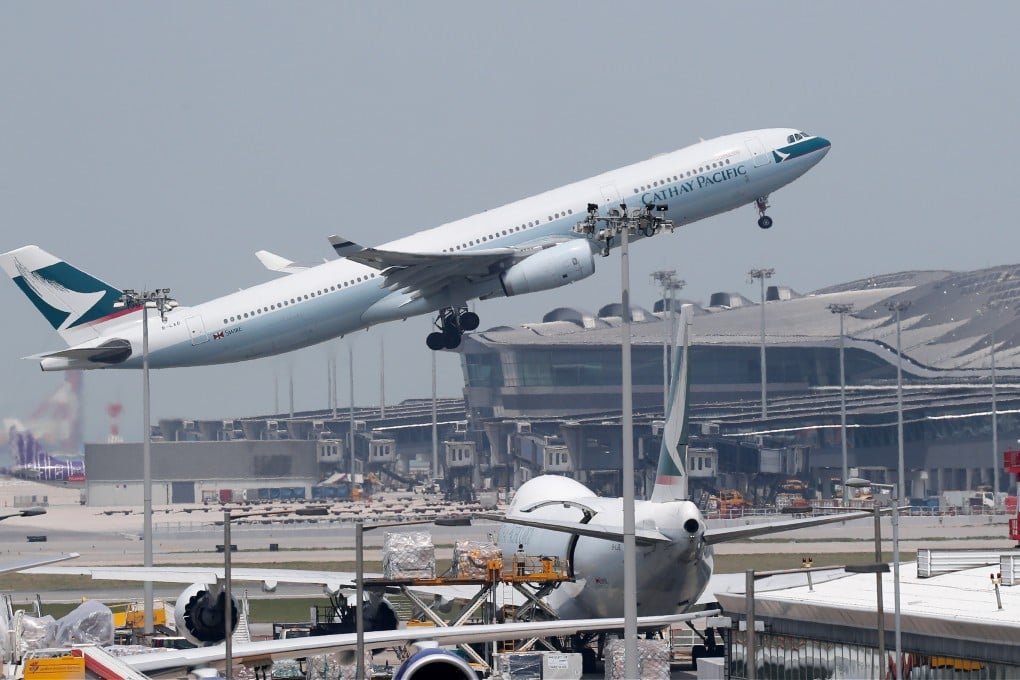
Kai Tak Stadium, built on the site of Hong Kong’s former airport, is part of a wider redevelopment of the Kai Tak district into a major sports and entertainment hub.
The venue is designed to host large international events, including concerts with audience capacities comparable to leading global stadiums in Singapore, Japan, and South Korea.
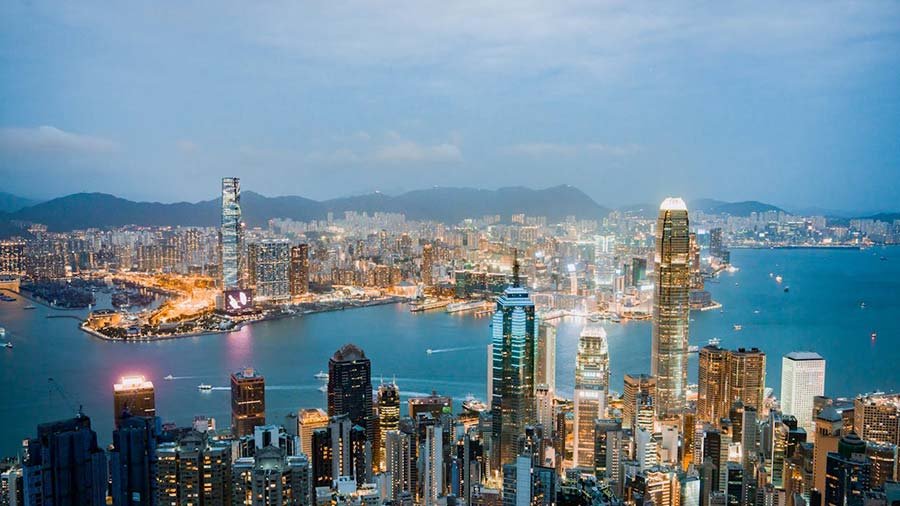
The facility’s positioning reflects Hong Kong’s broader ambition to regain prominence as a regional live events destination after years of disruption to tourism and large-scale entertainment programming.
For BTS, the announcement reinforces their status as one of the few global acts capable of sustaining multi-night stadium demand across multiple Asian cities.
Their touring model has historically combined high ticket demand, limited supply, and strong secondary economic effects in host cities, including tourism inflows, hospitality demand, and transport system strain during major event weekends.
The broader significance of the planned concerts lies in the competitive landscape for global touring acts in Asia.
Cities across the region are increasingly investing in stadium infrastructure and bidding aggressively for high-profile performances that can generate measurable economic spillovers.
Hong Kong’s inclusion in a potential BTS tour schedule signals its attempt to reassert itself alongside regional competitors that have recently secured extended residencies and multi-night stadium runs for comparable acts.
At the same time, large-scale international tours are increasingly scheduled years in advance, and routing decisions remain sensitive to regulatory conditions, venue readiness, and shifting artist availability.
As a result, early announcements of this type often function as indicative planning markers rather than fully locked contractual finalisations.
If completed as planned, the three concerts would represent one of the first major K-pop stadium engagements at Kai Tak Stadium, anchoring the venue’s entry into the global touring ecosystem and testing its capacity to handle high-density international audiences at scale.
The scheduling now places Hong Kong in the forward planning cycle of global stadium tours, where confirmed dates translate into long-term commitments across travel, logistics, and regional entertainment infrastructure planning.
What is confirmed is that promotional material and early scheduling plans reference three performances by BTS at Kai Tak Stadium in 2027. The shows are framed as part of a broader regional touring cycle that aligns with the group’s long-term return to large-scale touring following staggered solo and group activities among members in recent years.
However, detailed ticketing arrangements, final production logistics, and fully confirmed tour routing have not been formally published in a complete public schedule.
Kai Tak Stadium, built on the site of Hong Kong’s former airport, is part of a wider redevelopment of the Kai Tak district into a major sports and entertainment hub.
The venue is designed to host large international events, including concerts with audience capacities comparable to leading global stadiums in Singapore, Japan, and South Korea.
The facility’s positioning reflects Hong Kong’s broader ambition to regain prominence as a regional live events destination after years of disruption to tourism and large-scale entertainment programming.
For BTS, the announcement reinforces their status as one of the few global acts capable of sustaining multi-night stadium demand across multiple Asian cities.
Their touring model has historically combined high ticket demand, limited supply, and strong secondary economic effects in host cities, including tourism inflows, hospitality demand, and transport system strain during major event weekends.
The broader significance of the planned concerts lies in the competitive landscape for global touring acts in Asia.
Cities across the region are increasingly investing in stadium infrastructure and bidding aggressively for high-profile performances that can generate measurable economic spillovers.
Hong Kong’s inclusion in a potential BTS tour schedule signals its attempt to reassert itself alongside regional competitors that have recently secured extended residencies and multi-night stadium runs for comparable acts.
At the same time, large-scale international tours are increasingly scheduled years in advance, and routing decisions remain sensitive to regulatory conditions, venue readiness, and shifting artist availability.
As a result, early announcements of this type often function as indicative planning markers rather than fully locked contractual finalisations.
If completed as planned, the three concerts would represent one of the first major K-pop stadium engagements at Kai Tak Stadium, anchoring the venue’s entry into the global touring ecosystem and testing its capacity to handle high-density international audiences at scale.
The scheduling now places Hong Kong in the forward planning cycle of global stadium tours, where confirmed dates translate into long-term commitments across travel, logistics, and regional entertainment infrastructure planning.