A Hong Kong police officer and computer science PhD has been selected as payload specialist for China’s Tiangong space station mission
China’s human spaceflight programme has formally expanded its astronaut corps to include Hong Kong for the first time, marking a SYSTEM-DRIVEN milestone in the integration of regional scientific talent into the national space architecture.
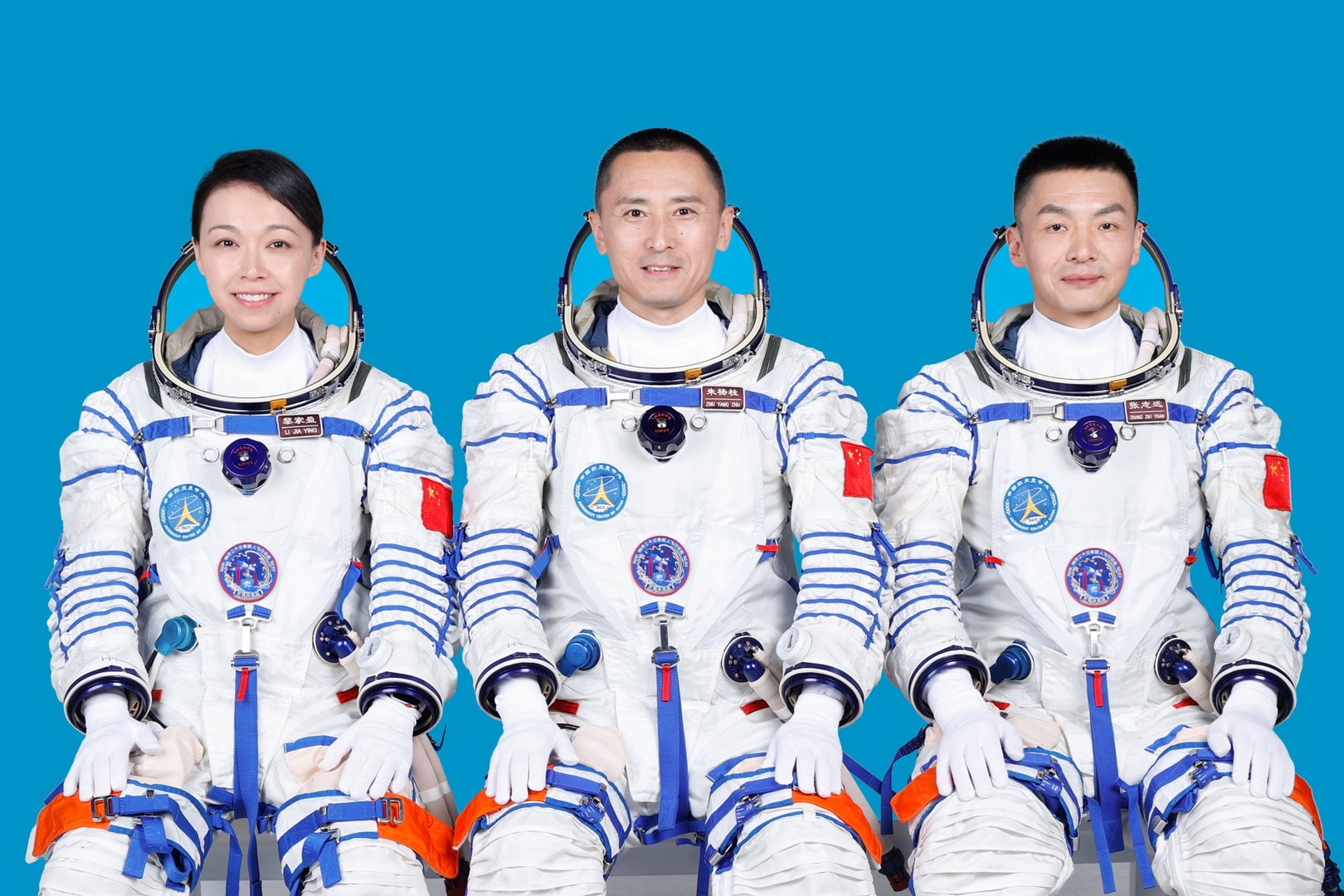
The China Manned Space Agency confirmed that Lai Ka-ying, a Hong Kong Special Administrative Region resident, has been selected as a payload specialist for the Shenzhou-23 mission to the Tiangong space station.
What is confirmed is that Lai will fly as part of a three-person crew alongside mission commander Zhu Yangzhu and pilot Zhang Zhiyuan.
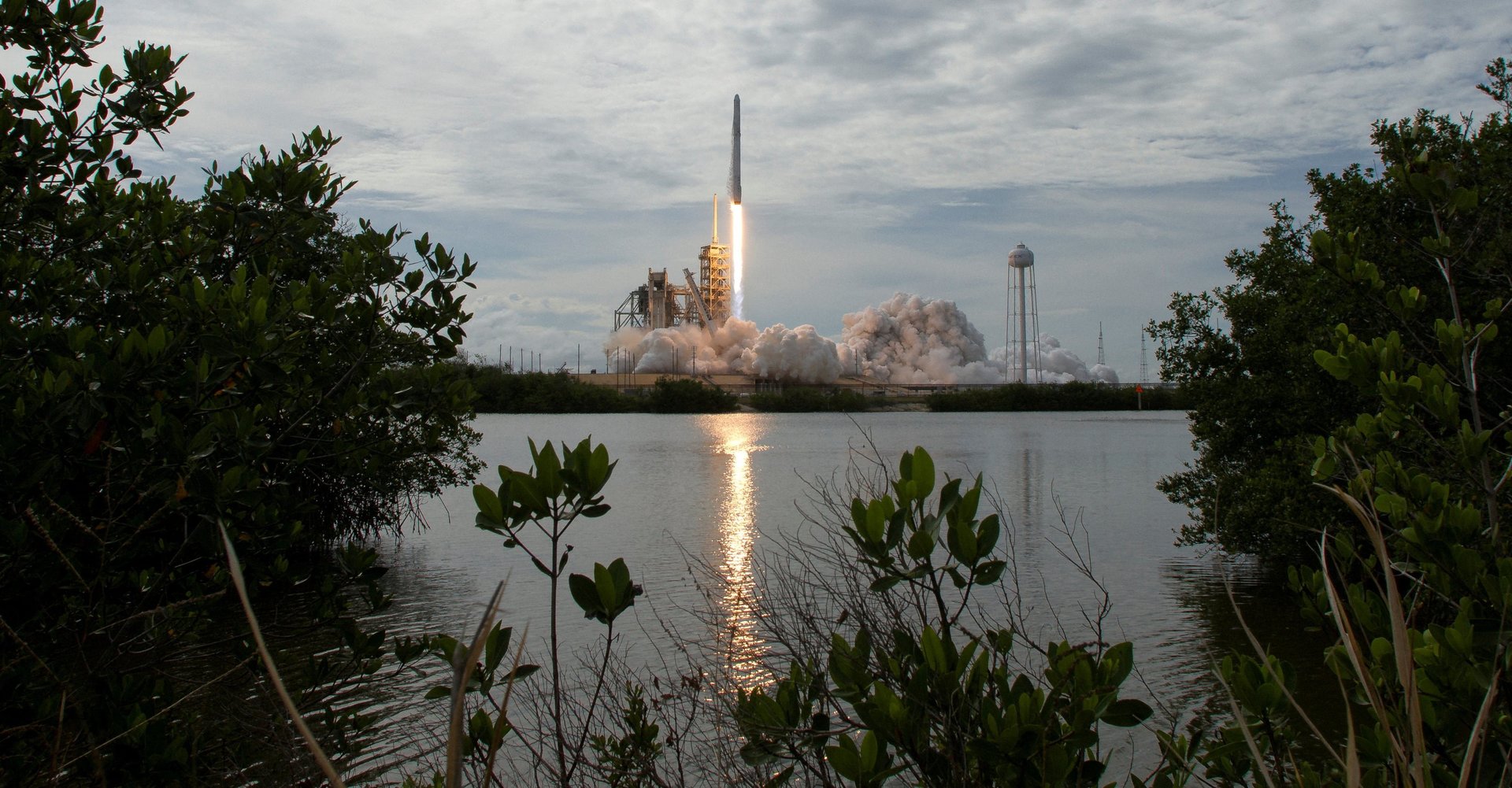
The spacecraft is scheduled to launch from the Jiuquan Satellite Launch Center and dock with the Tiangong orbital station, continuing China’s long-duration crewed operations in low Earth orbit.
The mission forms part of the ongoing rotation of crews who live and work aboard the station conducting scientific experiments, maintenance, and applied research.
Lai’s selection is significant because she is the first astronaut from Hong Kong to be assigned to a spaceflight mission.
She joins as a payload specialist, a role focused on scientific and technical work rather than spacecraft piloting.
Payload specialists typically conduct experiments, manage onboard research systems, and support mission-specific objectives inside the station’s laboratory modules.
Her background is outside traditional aerospace pathways.
She is a serving member of the Hong Kong Police Force and holds a doctorate in computer science, with prior research experience in digital forensics and cryptography.
That combination reflects a broader shift in astronaut recruitment under China’s fourth-generation selection process, which has expanded beyond military pilots to include specialists from scientific and engineering fields.
The mission itself is part of the operational cycle of the Tiangong space station, which has been continuously crewed through successive Shenzhou missions.
Each crew typically remains in orbit for months, carrying out experiments in life sciences, materials research, and space technology testing.
The station is designed to support long-term human presence in orbit and to serve as a platform for national and international scientific work.
Officials have framed Lai’s selection as part of a broader effort to integrate Hong Kong’s scientific and technological talent into national research programmes under the “one country, two systems” framework.
It also reflects the expansion of China’s astronaut training pipeline, which now includes candidates from Hong Kong and Macau in addition to mainland recruits.
Beyond symbolism, the practical implications are operational.
Payload specialists must complete intensive astronaut training, including survival preparation, spacecraft systems instruction, and simulated mission operations.
Their performance directly affects the execution of onboard experiments and the efficiency of station operations during long-duration flights.
The Shenzhou-23 mission is expected to continue routine maintenance of the Tiangong station and conduct scientific experiments alongside a planned overlap with the returning crew currently aboard.
With the station now in its operational phase, each new rotation contributes to sustained orbital infrastructure rather than initial assembly.
Lai’s participation therefore represents both an individual milestone and a structural development in China’s space programme, embedding Hong Kong-trained expertise into a permanently crewed orbital system that continues to expand its scientific and geopolitical reach in low Earth orbit.
The China Manned Space Agency confirmed that Lai Ka-ying, a Hong Kong Special Administrative Region resident, has been selected as a payload specialist for the Shenzhou-23 mission to the Tiangong space station.
What is confirmed is that Lai will fly as part of a three-person crew alongside mission commander Zhu Yangzhu and pilot Zhang Zhiyuan.
The spacecraft is scheduled to launch from the Jiuquan Satellite Launch Center and dock with the Tiangong orbital station, continuing China’s long-duration crewed operations in low Earth orbit.
The mission forms part of the ongoing rotation of crews who live and work aboard the station conducting scientific experiments, maintenance, and applied research.
Lai’s selection is significant because she is the first astronaut from Hong Kong to be assigned to a spaceflight mission.
She joins as a payload specialist, a role focused on scientific and technical work rather than spacecraft piloting.
Payload specialists typically conduct experiments, manage onboard research systems, and support mission-specific objectives inside the station’s laboratory modules.
Her background is outside traditional aerospace pathways.
She is a serving member of the Hong Kong Police Force and holds a doctorate in computer science, with prior research experience in digital forensics and cryptography.
That combination reflects a broader shift in astronaut recruitment under China’s fourth-generation selection process, which has expanded beyond military pilots to include specialists from scientific and engineering fields.
The mission itself is part of the operational cycle of the Tiangong space station, which has been continuously crewed through successive Shenzhou missions.
Each crew typically remains in orbit for months, carrying out experiments in life sciences, materials research, and space technology testing.
The station is designed to support long-term human presence in orbit and to serve as a platform for national and international scientific work.
Officials have framed Lai’s selection as part of a broader effort to integrate Hong Kong’s scientific and technological talent into national research programmes under the “one country, two systems” framework.
It also reflects the expansion of China’s astronaut training pipeline, which now includes candidates from Hong Kong and Macau in addition to mainland recruits.
Beyond symbolism, the practical implications are operational.
Payload specialists must complete intensive astronaut training, including survival preparation, spacecraft systems instruction, and simulated mission operations.
Their performance directly affects the execution of onboard experiments and the efficiency of station operations during long-duration flights.
The Shenzhou-23 mission is expected to continue routine maintenance of the Tiangong station and conduct scientific experiments alongside a planned overlap with the returning crew currently aboard.
With the station now in its operational phase, each new rotation contributes to sustained orbital infrastructure rather than initial assembly.
Lai’s participation therefore represents both an individual milestone and a structural development in China’s space programme, embedding Hong Kong-trained expertise into a permanently crewed orbital system that continues to expand its scientific and geopolitical reach in low Earth orbit.