A new regulatory push would require claw machines and similar amusement devices to show winning probabilities and operator licensing details, tightening oversight of a lightly regulated gambling-adjacent industry
A SYSTEM-DRIVEN regulatory proposal is moving through Australian policy discussions that could significantly change how claw machines and similar prize-based amusement devices operate, with new transparency requirements potentially mandating the display of win probabilities and operator licensing information.

The proposal reflects growing scrutiny of gaming-style machines that sit in a regulatory grey zone between entertainment and gambling.

What is confirmed is that the initiative has been outlined by a government minister as part of a broader effort to improve consumer transparency in gaming environments.

Under the proposed framework, operators of claw machines would be required to disclose the odds of winning prizes, as well as provide clear identification of the licensed entity responsible for the machine’s operation.

The aim is to ensure users understand the likelihood of success before spending money on repeated attempts.

Claw machines, commonly found in arcades, shopping centres, and entertainment venues, operate by allowing players to control a mechanical claw in an attempt to retrieve a prize.

While often marketed as games of skill, their actual mechanics typically involve programmed payout rates that determine how frequently prizes can be won.

This structural design has led to longstanding debate over whether they should be treated as pure amusement devices or as gambling-like systems requiring stricter disclosure rules.

The key issue behind the policy is informational asymmetry between operators and consumers.

At present, users often have no access to the underlying probability settings that govern win rates, meaning repeated play can occur without an understanding of expected outcomes.

Regulators argue that this lack of transparency can lead to misleading perceptions of skill-based control over outcomes that are in fact statistically constrained.

If implemented, the changes would align claw machine regulation more closely with gambling-style transparency requirements already seen in sectors such as electronic gaming machines and online wagering in some jurisdictions.

However, claw machines have traditionally been regulated at a lower level due to their classification as amusement devices rather than gambling products.

Industry operators may face compliance costs associated with calculating, verifying, and displaying win probabilities, which can vary depending on machine configuration and prize cycles.

Smaller venue operators could be disproportionately affected if compliance obligations require technical audits or standardized reporting mechanisms.

Consumer advocates have long argued that clearer disclosure could reduce unrealistic expectations about winning frequency and help prevent excessive spending, particularly among younger users.

The proposed law reflects a broader regulatory trend toward applying gambling-style safeguards to adjacent entertainment products that incorporate chance-based mechanics.

The broader implication is a gradual tightening of oversight across hybrid entertainment-gambling systems, where the boundary between play and wagering is increasingly blurred.

If enacted, the policy would establish a precedent for greater transparency in arcade-based gaming devices and potentially reshape how such machines are marketed and operated in public venues.
A catastrophic collapse in a Chinese coal mine has killed dozens, reviving scrutiny of industrial safety enforcement in one of the world’s most hazardous mining sectors
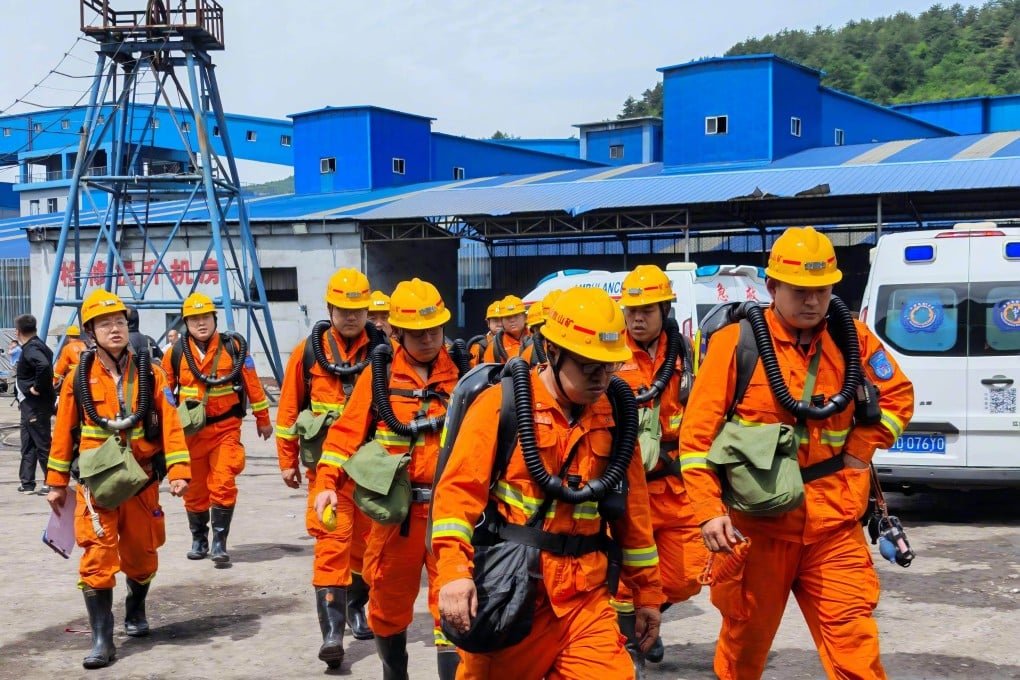
An EVENT-DRIVEN industrial disaster has resulted in the deaths of at least eighty-two workers following a major accident at a coal mine in China, marking the country’s deadliest mining incident in more than a decade.

The scale of the casualties has placed immediate focus on operational safety standards, emergency response capacity, and regulatory enforcement in one of the world’s largest coal-producing sectors.

What is confirmed is that the incident involved a sudden and severe failure within an underground mining operation, leading to a rapid escalation of hazardous conditions that trapped workers inside the site.

Rescue efforts were launched immediately following the event, but the severity of the collapse and resulting environmental conditions inside the mine significantly limited survival prospects and complicated recovery operations.

Coal mining in China remains a critical component of national energy production, but it is also widely recognized as one of the most dangerous industrial activities in the country.

Despite decades of regulatory tightening, accidents continue to occur due to a combination of complex geology, high production pressure, and uneven enforcement of safety protocols across regions and operators.

Large-scale incidents typically trigger emergency inspections and temporary shutdowns of nearby mining operations.

The key issue highlighted by this disaster is the persistent gap between formal safety regulations and on-the-ground implementation in high-risk industrial environments.

While national standards require ventilation systems, structural reinforcements, and continuous monitoring of gas levels, the effectiveness of these measures depends heavily on maintenance practices and real-time compliance in operational settings.

In major mining accidents, methane buildup, structural collapse, or equipment failure are among the most common triggering factors.

Once initiated, these events can escalate within minutes, making evacuation extremely difficult and limiting the effectiveness of rescue teams, particularly in deep or geologically unstable mines.
Chinese authorities typically respond to such disasters with formal investigations aimed at determining technical causes and identifying regulatory breaches.
These investigations often include suspension of operating licenses, detention of responsible personnel in cases of negligence, and nationwide safety campaigns intended to prevent similar incidents.

The broader implication is that despite significant modernization of China’s energy sector and repeated safety reform campaigns, coal mining continues to carry systemic risk due to the inherent hazards of extraction combined with ongoing demand for high output.

Each major incident renews pressure on regulators to balance energy security needs with worker safety obligations in a sector that remains structurally high-risk.

The confirmed death toll of eighty-two underscores the severity of the event and places it among the most significant mining tragedies in recent Chinese industrial history, prompting renewed scrutiny of safety enforcement and operational accountability across the coal industry.
JPMorgan analysis suggests the high-profile private-market transaction will not significantly divert capital from Hong Kong’s recovering listing pipeline
A SYSTEM-DRIVEN development in global capital markets is shaping how investors interpret large private share transactions alongside public listings, as analysts assess whether liquidity events in major private companies could disrupt emerging initial public offering (IPO) pipelines in Asia.

A recent secondary share sale involving SpaceX, the privately held aerospace and satellite company founded by Elon Musk, has drawn attention in this context due to concerns it could absorb investor capital that might otherwise flow into public offerings, including those in Hong Kong.

The key issue is whether large-scale private market transactions in globally prominent companies meaningfully reduce demand for IPOs in regional markets.

What is confirmed is that SpaceX has periodically conducted secondary share sales, allowing employees and early investors to sell holdings without the company itself going public.

These transactions have become increasingly significant as private valuations in sectors such as space technology and artificial intelligence have expanded, offering investors access to high-growth firms outside traditional exchanges.

Market analysts cited in recent assessments argue that the scale and structure of such transactions mean they do not function in the same way as IPO fundraising.

Unlike public offerings, secondary share sales do not typically involve broad retail participation or capital raising for expansion.

Instead, they provide liquidity within an already established private valuation framework.

As a result, their impact on global IPO appetite is considered indirect rather than substitutive.

Hong Kong’s IPO market has been in a recovery phase following several subdued years driven by global interest rate shifts, regulatory tightening in key sectors, and reduced cross-border capital flows.

Recent listings and renewed pipeline activity have been interpreted as signs of improving sentiment, particularly in technology, consumer, and financial services sectors.

The concern that high-profile private market deals might divert institutional capital has been raised periodically, but is not supported by clear evidence of sustained displacement effects.

Institutional investors typically allocate capital across both private and public markets based on mandate structures, risk profiles, and liquidity constraints.

In practice, access to private secondary sales like those involving SpaceX is limited to specific investor groups and does not broadly compete with the diversified demand base for IPO allocations in markets such as Hong Kong.

The broader implication is that the continued growth of private market liquidity events reflects a structural shift in global capital formation rather than a direct competitor to public listings.

As companies remain private for longer periods and achieve higher valuations before listing, secondary transactions have become a parallel mechanism for investor entry and exit, rather than a replacement for IPO activity.

As a result, current analysis suggests that Hong Kong’s IPO pipeline remains primarily influenced by domestic regulatory conditions, regional economic performance, and global interest rate expectations, rather than isolated secondary share sales in large U.S.-based private companies.
A Cathay Pacific service encountered sudden turbulence that caused injuries on board, raising renewed scrutiny of flight safety during unexpected atmospheric events
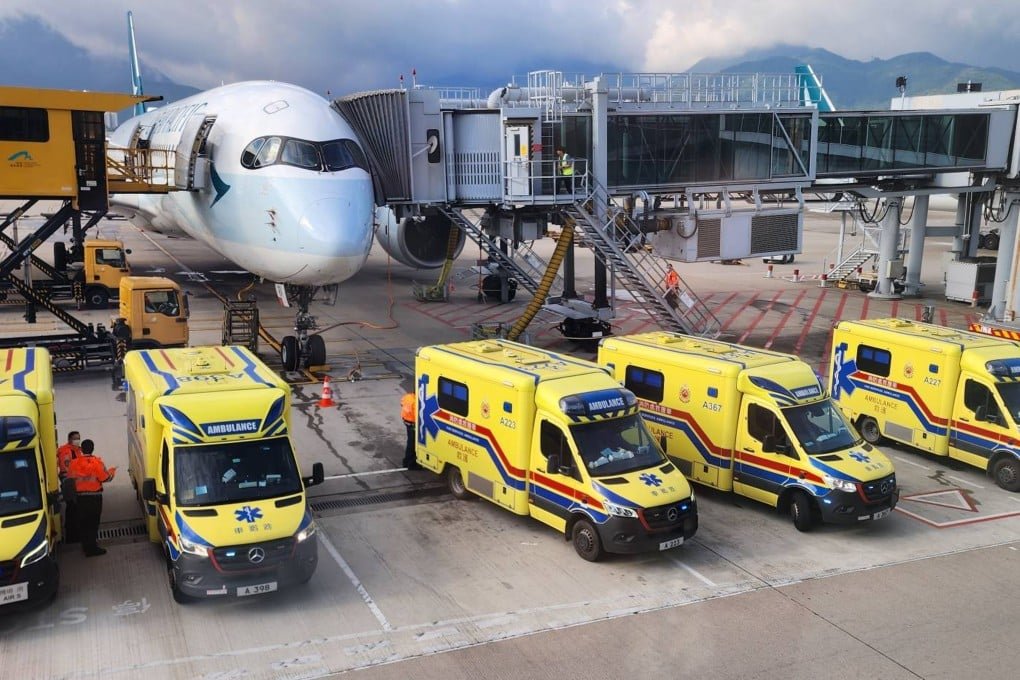
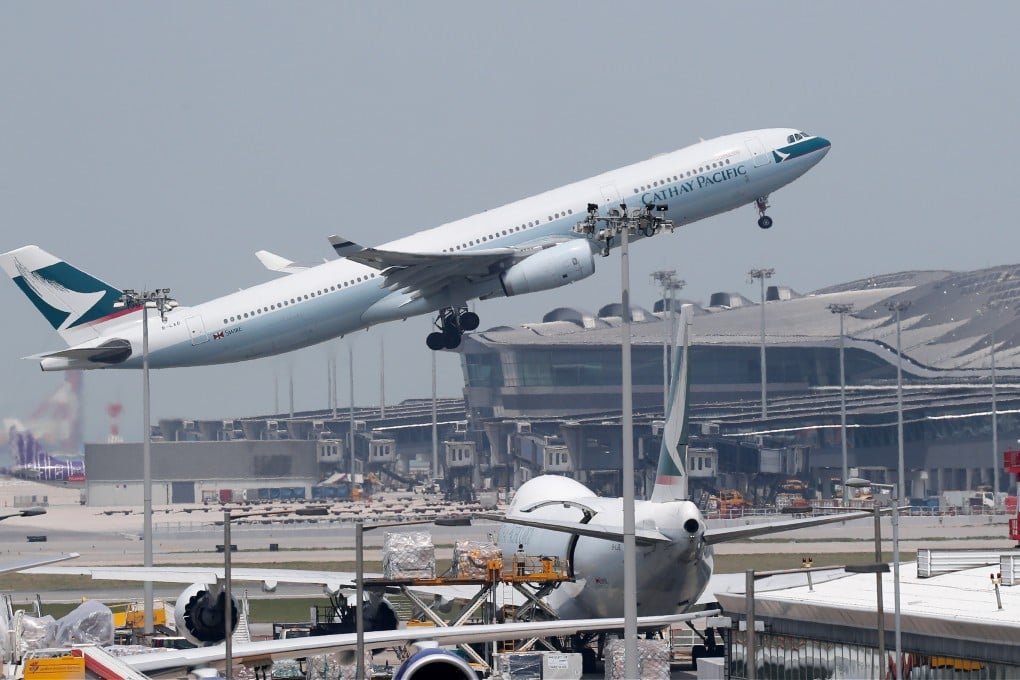
An event-driven aviation incident unfolded on a Cathay Pacific passenger flight travelling from Brisbane to Hong Kong, when the aircraft encountered severe turbulence that resulted in multiple onboard injuries.

The episode occurred during flight operations in which the aircraft was in stable transit conditions before experiencing a sudden and violent air disturbance that caused passengers and cabin crew to be thrown from their seats.

What is confirmed is that the turbulence was strong enough to cause physical harm to people on board, with roughly ten passengers reported as injured to varying degrees.

Cabin service was disrupted immediately as crew responded to secure the cabin, assist injured passengers, and ensure the aircraft remained safely controlled.

Such incidents typically require rapid coordination between flight attendants and pilots, who adjust altitude and flight path to minimize further exposure to unstable air.

Turbulence of this kind is usually associated with rapidly changing atmospheric conditions, including jet streams, storm systems, or clear-air turbulence that cannot be detected visually.

In modern aviation, aircraft are designed to withstand significant turbulence loads, but passengers and unsecured cabin crew remain vulnerable when sudden movements occur without warning.

Injuries most commonly involve head strikes, sprains, or blunt-force impacts from seat structures and overhead compartments.

The key issue highlighted by this incident is the unpredictability of severe turbulence and its increasing operational relevance for commercial aviation.

Airlines routinely rely on meteorological forecasting and onboard detection systems, yet clear-air turbulence in particular can emerge with limited or no advance warning.

This creates a persistent safety challenge even on long-established international routes such as flights between Australia and Hong Kong.

Cathay Pacific aircraft involved in such incidents are typically equipped with advanced weather radar and structural safety systems designed to maintain aircraft integrity under extreme conditions.

However, these systems do not fully eliminate the risk of passenger injury when turbulence occurs suddenly and at cruising altitude, where seatbelt use is often relaxed during service periods.

Following the event, standard aviation procedures involve assessing passenger injuries, conducting a post-flight inspection of the aircraft, and reviewing flight data to understand the intensity and duration of the turbulence encounter.

Airlines also typically evaluate whether operational advisories or route adjustments are needed for future flights on similar corridors.

The broader implication is that even highly regulated international aviation networks remain exposed to short-duration but high-intensity atmospheric events that can rapidly escalate from routine flight conditions to emergency cabin management scenarios, reinforcing the importance of continuous seatbelt compliance during flight.
Authorities reject allegations against prosecutors, framing them as attacks on the integrity of the legal system amid heightened political sensitivity
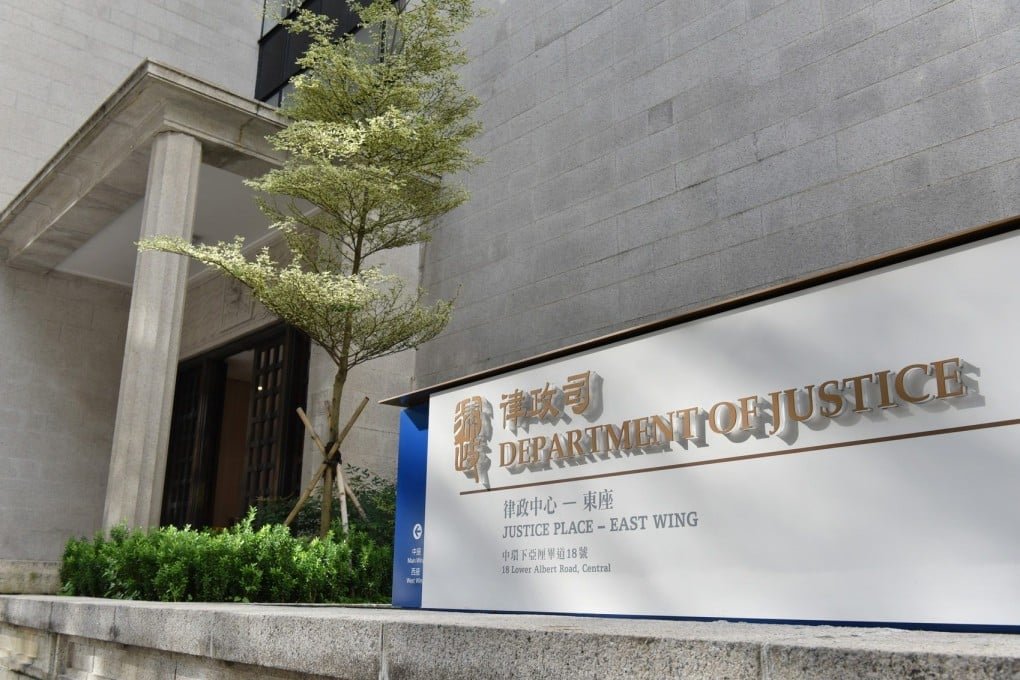
An institutional response by Hong Kong’s Department of Justice to public allegations involving prosecutorial conduct has underscored the SYSTEM-DRIVEN tensions shaping the city’s legal and political environment, where the independence and credibility of the prosecution service remain central to ongoing governance debates.

What is confirmed is that Hong Kong’s justice authorities have publicly rejected what they describe as “despicable” claims directed at prosecutors.

The department’s response was framed as a defence of the integrity of its legal personnel and the wider prosecutorial system, which is responsible for bringing criminal cases before the courts and representing the public interest in legal proceedings.

The allegations themselves have not been independently substantiated in the public domain, but they have prompted an unusually direct institutional rebuttal.

The Justice Department’s language reflects an effort to reinforce confidence in prosecutorial independence, particularly in cases that attract public attention or political interpretation.

Officials have emphasized that prosecutors operate under established legal procedures and professional codes, and that their decisions are subject to internal review mechanisms and judicial oversight.

The role of prosecutors in Hong Kong is structurally distinct from both law enforcement agencies and the judiciary.

While police investigate criminal activity, prosecutors decide whether cases proceed to court and conduct those cases in front of judges.

This separation is intended to ensure procedural fairness, but it also places prosecutors at the center of politically sensitive or high-profile cases where legal judgments may be scrutinized in public discourse.

The Justice Department’s statement also reflects broader pressures on legal institutions in Hong Kong, where the operation of the rule of law has been closely observed domestically and internationally.

In recent years, public debate over judicial independence and prosecutorial discretion has intensified, particularly in cases involving national security, public order, and political expression.

Within that context, official responses to criticism of legal actors often carry institutional significance beyond the specific allegations involved.

The immediate consequence of the department’s rebuttal is the reinforcement of an official narrative that challenges attempts to question prosecutorial integrity through public claims.

At the same time, it highlights the sensitivity of legal institutions to reputational pressure, especially in environments where legal decisions can intersect with broader political narratives.

No procedural changes have been announced in response to the allegations, and there is no indication of disciplinary action or formal investigation arising from the claims referenced in the public exchange.

The Justice Department’s position instead centers on defending existing prosecutorial standards and affirming confidence in the system’s internal safeguards.

The dispute therefore sits less in the realm of legal procedure and more in the contested space of public trust in institutions, where competing narratives about fairness, accountability, and authority continue to shape how the justice system is perceived and discussed.
A Hong Kong police officer and computer science PhD has been selected as payload specialist for China’s Tiangong space station mission
China’s human spaceflight programme has formally expanded its astronaut corps to include Hong Kong for the first time, marking a SYSTEM-DRIVEN milestone in the integration of regional scientific talent into the national space architecture.

The China Manned Space Agency confirmed that Lai Ka-ying, a Hong Kong Special Administrative Region resident, has been selected as a payload specialist for the Shenzhou-23 mission to the Tiangong space station.

What is confirmed is that Lai will fly as part of a three-person crew alongside mission commander Zhu Yangzhu and pilot Zhang Zhiyuan.

The spacecraft is scheduled to launch from the Jiuquan Satellite Launch Center and dock with the Tiangong orbital station, continuing China’s long-duration crewed operations in low Earth orbit.

The mission forms part of the ongoing rotation of crews who live and work aboard the station conducting scientific experiments, maintenance, and applied research.

Lai’s selection is significant because she is the first astronaut from Hong Kong to be assigned to a spaceflight mission.

She joins as a payload specialist, a role focused on scientific and technical work rather than spacecraft piloting.

Payload specialists typically conduct experiments, manage onboard research systems, and support mission-specific objectives inside the station’s laboratory modules.

Her background is outside traditional aerospace pathways.

She is a serving member of the Hong Kong Police Force and holds a doctorate in computer science, with prior research experience in digital forensics and cryptography.

That combination reflects a broader shift in astronaut recruitment under China’s fourth-generation selection process, which has expanded beyond military pilots to include specialists from scientific and engineering fields.

The mission itself is part of the operational cycle of the Tiangong space station, which has been continuously crewed through successive Shenzhou missions.

Each crew typically remains in orbit for months, carrying out experiments in life sciences, materials research, and space technology testing.

The station is designed to support long-term human presence in orbit and to serve as a platform for national and international scientific work.

Officials have framed Lai’s selection as part of a broader effort to integrate Hong Kong’s scientific and technological talent into national research programmes under the “one country, two systems” framework.

It also reflects the expansion of China’s astronaut training pipeline, which now includes candidates from Hong Kong and Macau in addition to mainland recruits.

Beyond symbolism, the practical implications are operational.

Payload specialists must complete intensive astronaut training, including survival preparation, spacecraft systems instruction, and simulated mission operations.

Their performance directly affects the execution of onboard experiments and the efficiency of station operations during long-duration flights.

The Shenzhou-23 mission is expected to continue routine maintenance of the Tiangong station and conduct scientific experiments alongside a planned overlap with the returning crew currently aboard.

With the station now in its operational phase, each new rotation contributes to sustained orbital infrastructure rather than initial assembly.

Lai’s participation therefore represents both an individual milestone and a structural development in China’s space programme, embedding Hong Kong-trained expertise into a permanently crewed orbital system that continues to expand its scientific and geopolitical reach in low Earth orbit.
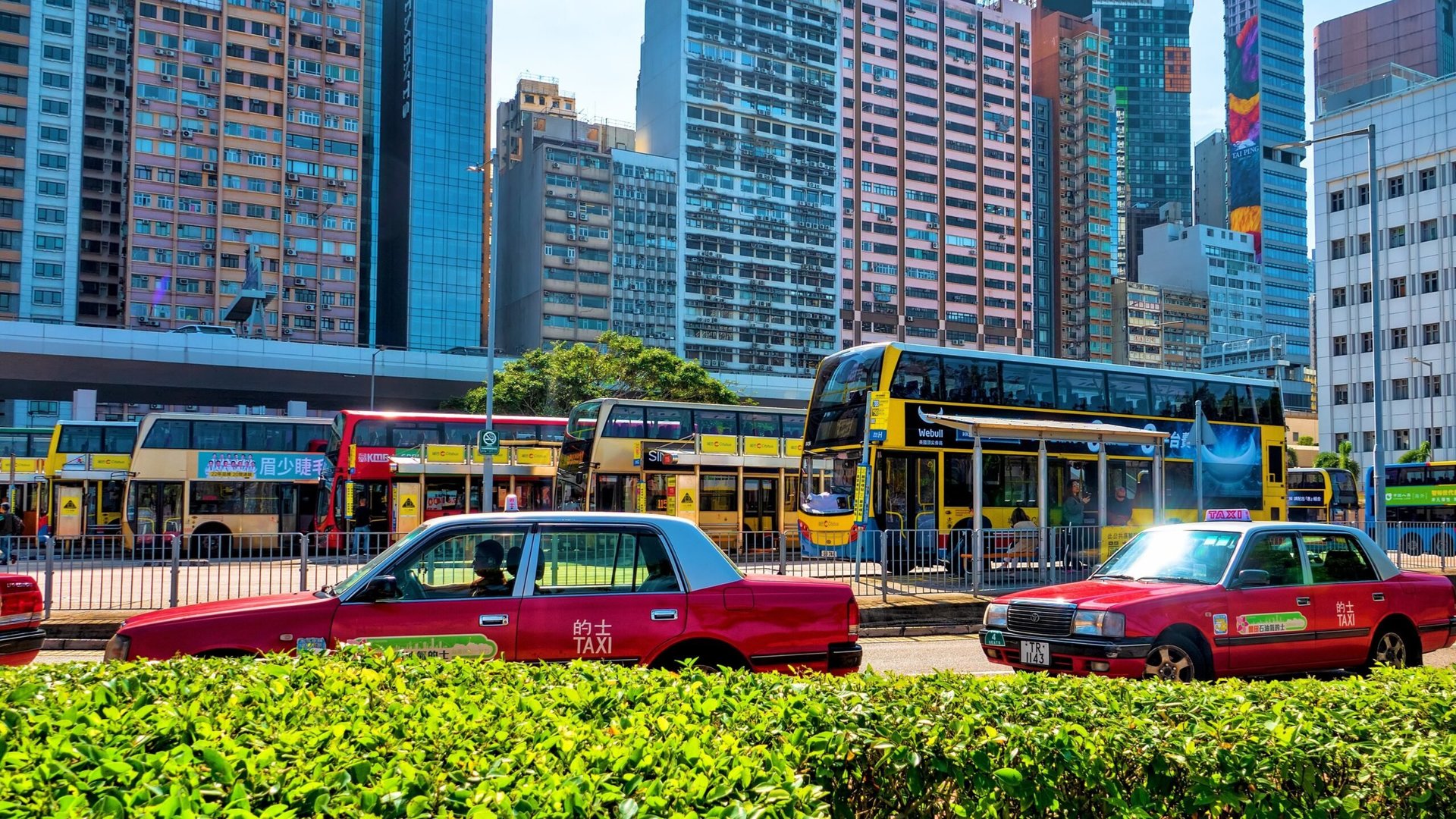
From transport habits to food culture and night routines, daily life adapts to heat, humidity, and sudden rain
Summer in Hong Kong is less about escaping the heat and more about adapting to it.

The city’s rhythm shifts under high humidity, sudden rain, and long evenings that blur into neon-lit nights.

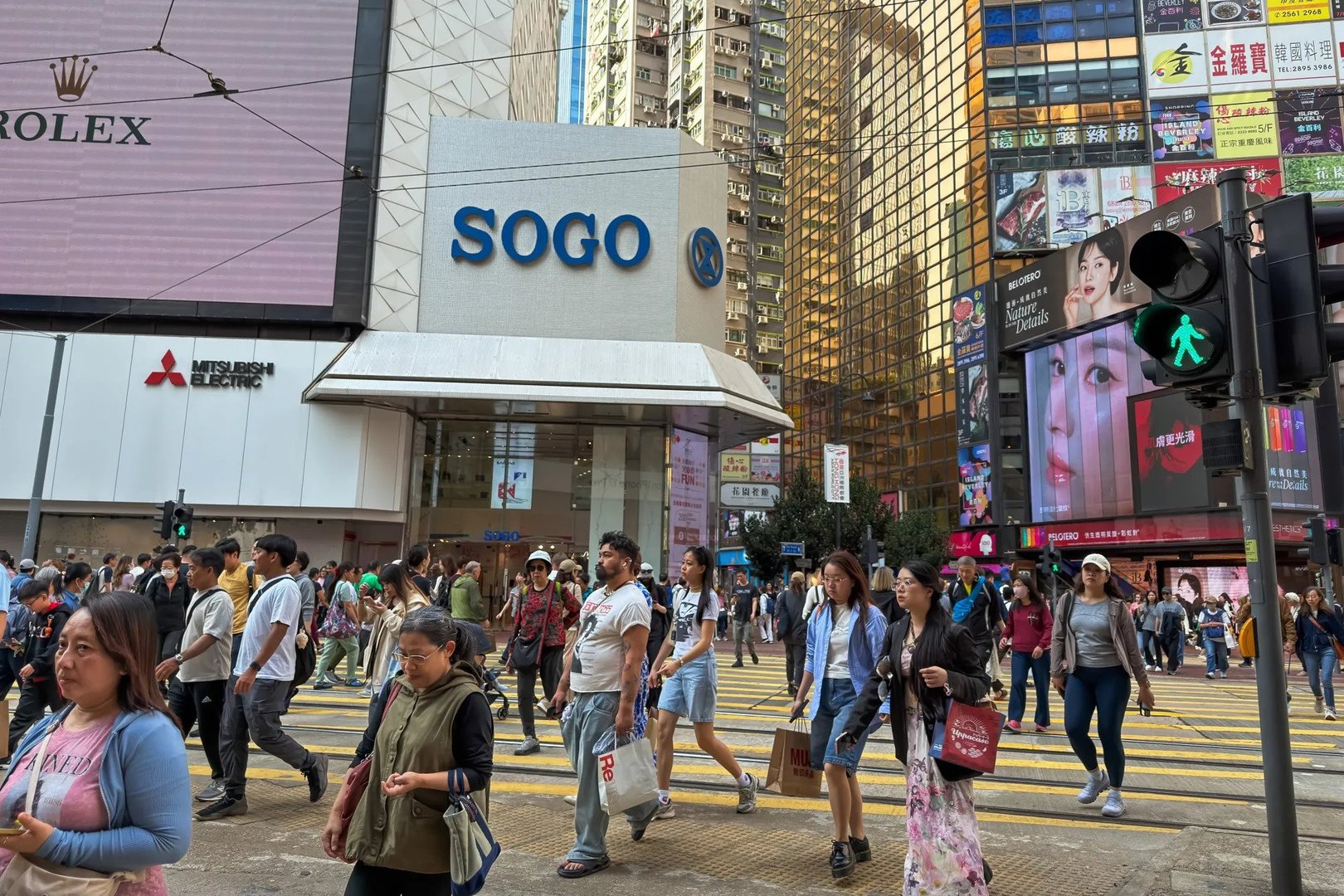
Living like a local means building your day around climate, transport, and food culture rather than tourist landmarks.

Hong Kong’s summer is defined by two forces: intense heat and unpredictable downpours.

Locals plan around this rather than avoiding it.

Outdoor activity is typically pushed to early morning or late evening, while midday becomes a time for indoor spaces—shopping malls, shaded food courts, and air-conditioned transit hubs that function as unofficial community centers.

One of the most practical ways to experience the city like a resident is through its transport system.

The MTR (Mass Transit Railway) is not just a metro network but the backbone of daily life.

It connects dense residential districts with commercial centers like Central and Tsim Sha Tsui, making spontaneous movement across the city easy even in heavy rain.

Above ground, double-decker buses and ferries continue to serve as essential connectors, especially routes crossing the harbour.

A defining summer ritual is staying close to water.

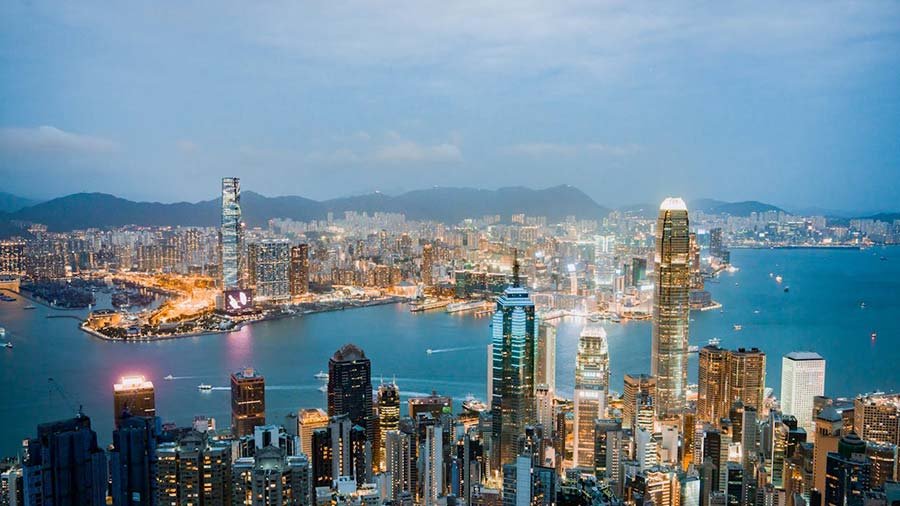
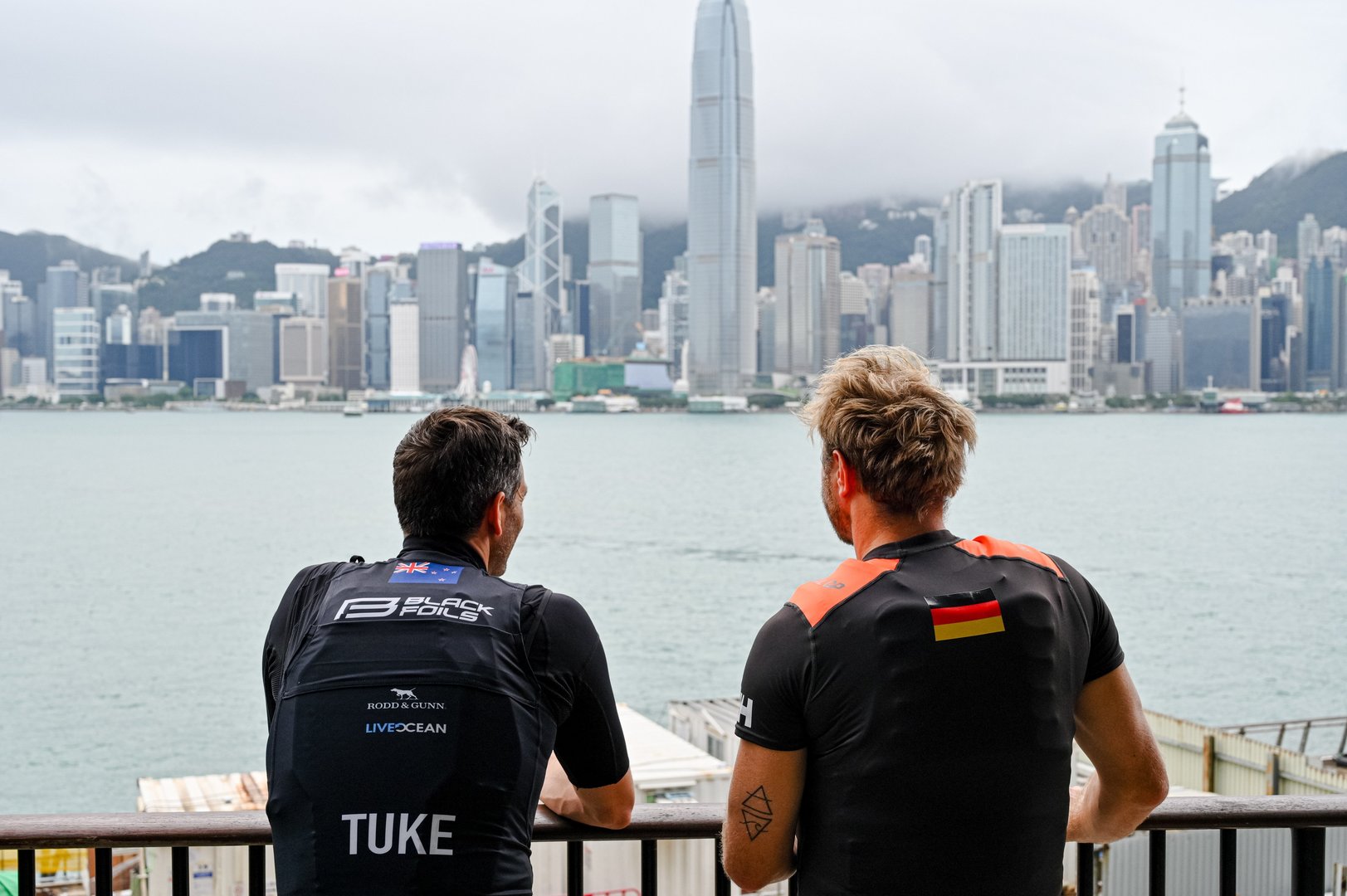
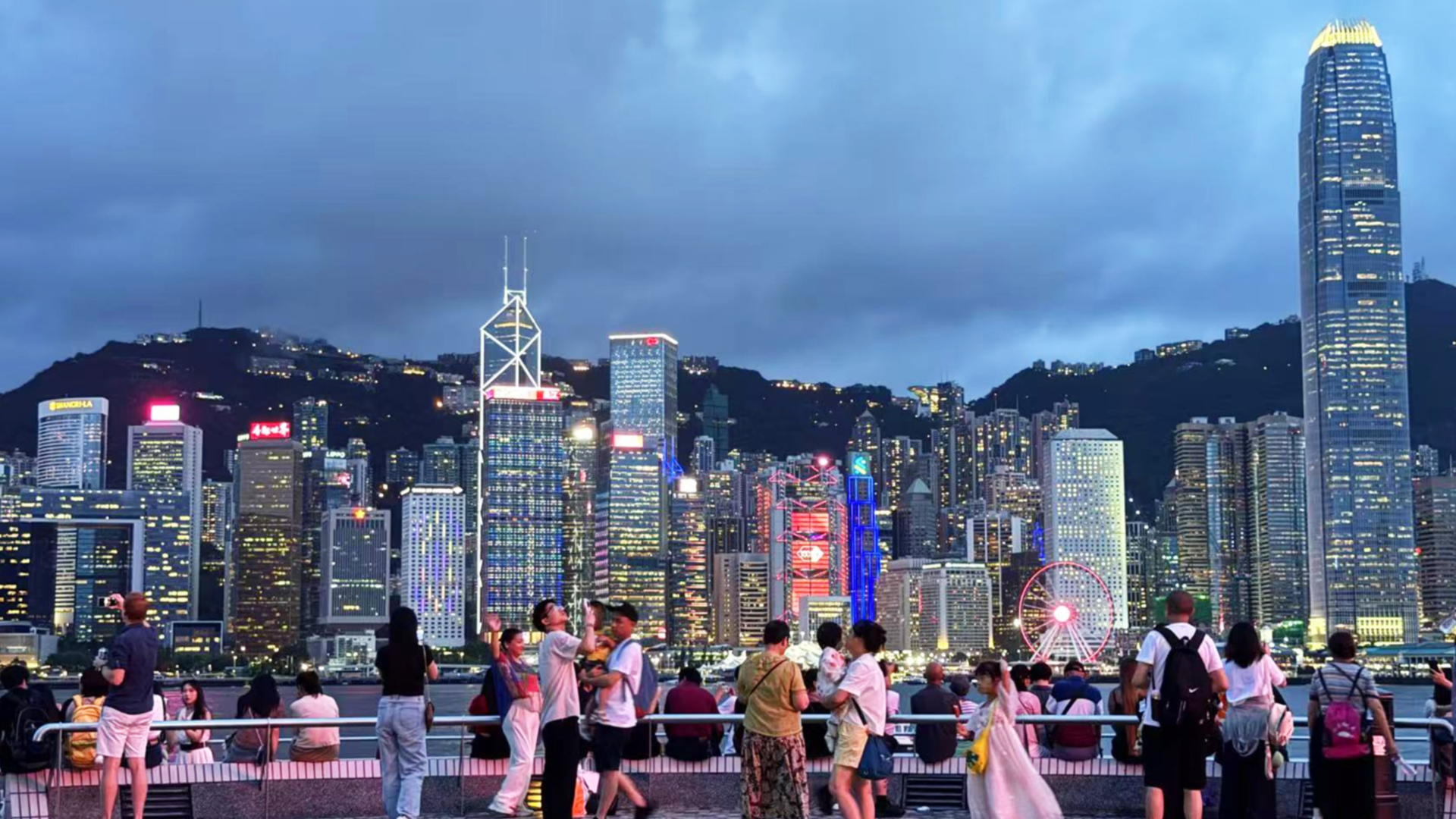
Victoria Harbour becomes a focal point in the evenings when temperatures drop slightly and the skyline reflects off the water.

Locals gather along promenades in Tsim Sha Tsui and Central for walks, casual exercise, or simply sitting outside once the worst of the heat passes.

The waterfront is less a sightseeing stop and more an everyday public space.

Food is central to how residents structure their day in summer.

Breakfast often starts early in neighbourhood tea cafés known for quick, efficient service and strong iced drinks.

Lunch tends to be short and indoor, often in air-conditioned malls connected to transit stations.

Dishes are designed for the climate—light soups, rice sets, and cold drinks are common, with dessert shops serving chilled tofu pudding, mango-based sweets, and herbal jelly to counter the humidity.

Neighbourhoods like Sham Shui Po, Mong Kok, and Causeway Bay reveal different layers of daily life.

In Sham Shui Po, street markets operate early before heat peaks, selling electronics, fabric, and local snacks.

Mong Kok stays busy throughout the day but shifts indoors during peak afternoon heat.

Causeway Bay concentrates much of its activity in vertical shopping complexes where entire blocks are stacked with retail, dining, and services under one roof.

Summer also reshapes how people use leisure time.

Hiking remains popular, but routes are chosen carefully and attempted early in the morning.

Trails like those on the outlying islands or hill paths above urban districts are treated as brief escapes rather than full-day expeditions.

The goal is not distance but timing—finishing before the heat becomes oppressive.

Rainstorms are a normal part of the season.

Sudden downpours can flood streets temporarily, but they rarely stop movement for long.

Covered walkways, underground malls, and elevated footbridges allow the city to keep functioning with minimal disruption.

Locals carry umbrellas as standard equipment, not as preparation for bad weather but as part of daily routine.

To spend summer in Hong Kong like a local is to accept the city’s climate rather than fight it.

Life shifts between air-conditioned interiors and brief, deliberate outdoor moments, shaped by transport efficiency and food culture rather than fixed schedules.

The result is a city that does not slow down in summer—it simply changes where its life happens.
The Geely-backed electric vehicle maker is expanding internationally, but its Australian prospects hinge on pricing, perception, and competition in a rapidly crowding EV segment.
SYSTEM-DRIVEN dynamics in the global electric vehicle market are shaping the international expansion strategy of Zeekr, a premium EV brand owned by China’s Geely Holding Group.

The company’s stated trajectory toward entering or strengthening its position in Australia reflects a broader shift in which Chinese automakers are moving upmarket and directly competing with established Western and Korean brands in advanced automotive economies.

What is confirmed is that Zeekr was launched in 2021 as a premium electric vehicle marque under Geely, positioned to compete in the higher end of the EV segment rather than the budget category typically associated with early Chinese exports.

The brand has expanded quickly across select international markets, leveraging Geely’s existing global supply chains, platform engineering, and battery technology partnerships.

Its product lineup includes electric SUVs and performance-oriented models designed to compete with brands such as Tesla and European luxury EV manufacturers.

Australia has emerged as a strategically important market for electric vehicle expansion due to its growing EV adoption, relatively open automotive import structure, and high consumer interest in SUVs. However, it is also a highly competitive environment where brand trust plays a decisive role in purchase decisions.

Consumers in Australia have historically favored established Japanese, Korean, and European manufacturers, and newer Chinese entrants must overcome both price skepticism and concerns about long-term reliability, resale value, and after-sales service.

The central issue is not simply market entry, but brand legitimacy.

Zeekr’s positioning as a premium EV brand means it is not competing only on affordability, but also on perceived quality, safety standards, software integration, and dealership support.

These factors are critical in Australia, where servicing networks and spare parts availability strongly influence consumer confidence in new automotive brands.

The broader mechanism at work is the rapid normalization of Chinese EV exports into developed markets.

Over the past five years, Chinese manufacturers have moved from low-cost combustion vehicles to technologically advanced electric platforms, often incorporating competitive battery ranges, fast-charging systems, and increasingly sophisticated driver-assistance software.

This shift has challenged long-standing assumptions about automotive hierarchy and forced established manufacturers to accelerate their own electrification strategies.

In Australia, the competitive field is intensifying as multiple Chinese brands expand simultaneously, creating both opportunity and risk.

On one hand, consumers benefit from increased choice and downward pressure on pricing.

On the other, the market becomes fragmented, and individual brands must work harder to establish identity and trust.

Zeekr’s success will depend on whether it can differentiate itself not just as another EV entrant, but as a durable long-term presence with credible local support infrastructure.

The implications extend beyond a single company.

If Zeekr succeeds in building consumer confidence in Australia, it would reinforce a broader trend of Chinese premium automotive brands gaining acceptance in Western-aligned markets.

If it struggles, it may highlight persistent barriers related to brand perception and geopolitical sensitivity that continue to shape global automotive competition despite technological convergence.

For now, Zeekr’s trajectory in Australia reflects a transitional phase in the global EV industry, where technological capability is no longer the primary barrier to entry, but trust, infrastructure, and brand equity remain decisive factors in determining who ultimately wins market share.
A surge of mainland Chinese technology listings has turned Hong Kong back into one of the world’s busiest fundraising hubs, driven by artificial intelligence investment, regulatory reforms, and renewed investor appetite for China-linked growth.
Hong Kong’s capital market system is driving a sharp revival in initial public offerings as mainland Chinese technology companies, especially artificial intelligence developers and semiconductor firms, increasingly choose the city to raise billions of dollars from global investors.

The resurgence is not being powered by a single blockbuster listing.

It is the result of structural changes inside Hong Kong’s financial framework combined with a wider shift in investor sentiment toward Chinese technology.

Exchange reforms designed specifically for high-growth and pre-profit tech companies are now attracting a steady pipeline of firms that previously struggled to access public markets.

What is confirmed is that Hong Kong has climbed back near the top of global IPO fundraising rankings in 2026 after several years of weak activity caused by higher global interest rates, China’s property downturn, geopolitical tensions, and a prolonged collapse in investor confidence toward Chinese equities.

The strongest momentum is concentrated in artificial intelligence.

Chinese large-language-model developers, AI chipmakers, robotics firms, cloud infrastructure providers, and autonomous-driving companies are increasingly using Hong Kong as their preferred fundraising venue.

Several of the world’s first publicly listed pure-play Chinese AI model developers have debuted in the city within months of each other.

MiniMax Group raised roughly HK$4.8 billion in January through one of the most closely watched AI listings of the year.

Zhipu AI also launched a major Hong Kong flotation, becoming part of a broader wave of mainland firms attempting to secure large pools of international capital before competition intensifies further across China’s AI industry.

The mechanism behind the boom matters more than the headline numbers.

Hong Kong Exchanges and Clearing introduced Chapter 18C, a specialist listing regime aimed at advanced technology companies with strong research capabilities but limited profitability.

The framework effectively created a public financing route for companies operating in sectors such as AI, semiconductors, robotics, aerospace, and advanced manufacturing.

The policy change altered the economics of listing in Hong Kong.

Previously, many early-stage Chinese technology firms either remained private for longer or attempted overseas listings in New York despite mounting geopolitical risks.

Hong Kong is now positioning itself as the primary offshore capital market for Chinese innovation.

The city’s exchange operator says fundraising through Chapter 18C companies in the first quarter of 2026 alone exceeded the combined total from the previous two years.

AI-related issuers now dominate much of the pipeline.

This is occurring alongside broader financial reforms.

Hong Kong regulators have relaxed some listing thresholds, expanded eligibility rules for innovative companies, and accelerated review procedures in an attempt to compete more aggressively with Nasdaq, Shanghai’s STAR Market, and regional exchanges.

Investor behavior has also shifted.

Global funds that sharply reduced Chinese exposure during the regulatory crackdowns of 2021 through 2023 are selectively returning to sectors linked to artificial intelligence, advanced computing, electric vehicles, and industrial automation.

The perception among many institutional investors is that Beijing now views technological self-sufficiency as a strategic national priority, creating long-term policy support for companies tied to AI infrastructure and semiconductor development.

The recovery is especially significant because Hong Kong’s IPO market had deteriorated severely after the pandemic-era boom.

Deal flow slowed dramatically as Chinese growth weakened and U.S.-China tensions intensified.

International investors questioned whether Hong Kong could maintain its role as Asia’s premier financial gateway while mainland regulators tightened oversight of overseas listings and cross-border data transfers.

The current rebound does not eliminate those risks.

Regulatory pressure remains substantial.

Chinese authorities have simultaneously intensified scrutiny of cross-border securities activity and offshore financial platforms.

Beijing recently announced new enforcement actions against unauthorized overseas brokerage operations serving mainland clients, underscoring that capital controls and market supervision remain central policy priorities.

That contradiction defines the current market environment.

China wants advanced technology firms to access large-scale funding while maintaining tighter control over capital flows, sensitive data, and financial risk.

Hong Kong’s unique position under the "one country, two systems" framework allows it to function as a controlled international fundraising channel rather than a fully unrestricted offshore market.

The beneficiaries extend beyond AI startups themselves.

Investment banks, law firms, auditors, market makers, and institutional investors are all seeing increased activity as large Chinese technology groups restart fundraising plans that were delayed during weaker market conditions.

Foreign companies are also showing renewed interest in Hong Kong listings as liquidity improves.

Another important development is the return of cornerstone investors, including sovereign wealth funds, mainland Chinese institutional funds, Middle Eastern capital pools, and long-only global asset managers.

Their participation has helped stabilize pricing and signal confidence in larger offerings.

Yet the recovery remains highly concentrated.

Technology, AI, and advanced manufacturing dominate investor enthusiasm while sectors tied to Chinese real estate or traditional consumer growth remain weaker.

Many investors continue to treat Chinese assets cautiously because of persistent geopolitical tensions, export restrictions on advanced chips, and the possibility of further regulatory intervention.

The deeper strategic issue is whether Hong Kong can convert the current IPO surge into a durable repositioning of its financial identity.

The city is increasingly presenting itself not simply as a gateway to China’s old industrial economy, but as the main offshore financing center for Chinese high technology.

That shift carries global implications.

As Washington expands restrictions on advanced semiconductor exports and AI technology transfers, Chinese firms are under pressure to build domestic alternatives across the entire technology supply chain.

Public capital raised in Hong Kong is becoming an important source of funding for that effort.

The IPO boom therefore reflects more than market optimism.

It represents a broader restructuring of how Chinese technology companies access international finance in an era of intensifying economic competition and technological fragmentation.

Hong Kong’s exchange now holds one of the world’s largest pipelines of AI-related listings, with additional semiconductor, robotics, biotech, and advanced computing firms expected to seek public funding through 2026.
The ruling against the veteran entertainment executive marks another high-profile enforcement action in Hong Kong’s campaign to strengthen market integrity and financial regulation.
Hong Kong’s financial enforcement system is driving the significance of the conviction of veteran film producer and actor Raymond Wong Pak-ming, who was found guilty of insider trading after prosecutors proved he tipped his sister to buy shares in a company he controlled before confidential negotiations became public.

The Eastern Court ruled that Wong knowingly shared inside information related to Transmit Entertainment, formerly known as Pegasus Entertainment Holdings, during a period in 2017 when he was chairman and controlling shareholder of the company.

The court found that he encouraged his younger sister to buy shares while he was involved in undisclosed negotiations over a potential share sale.

The prosecution centered on WhatsApp messages and money transfers between Wong and his sister between August and October 2017. Prosecutors argued that Wong urged her repeatedly to buy shares while the stock traded below HK$0.2. The court heard that Wong transferred approximately HK$2 million to support the trades.

His sister later earned more than HK$1 million in profits after the company disclosed developments that affected the share price.

Wong denied wrongdoing throughout the proceedings.

He argued that his messages were sarcastic and claimed the siblings commonly communicated using irony.

The magistrate rejected that explanation, describing parts of Wong’s defense as illogical and inconsistent with the evidence presented during the 16-day trial.

The conviction follows criminal proceedings initiated by Hong Kong’s Securities and Futures Commission in early 2025, although the underlying conduct dates back nearly nine years.

The long timeline illustrates the complexity of insider dealing investigations in Hong Kong, where regulators increasingly rely on digital communications, trading records, financial transfers, and behavioral patterns to build criminal cases.

The case is especially notable because Wong is one of Hong Kong’s best-known entertainment figures.

He helped shape the city’s commercial film industry through productions tied to major comedy and action franchises and maintained extensive business interests beyond filmmaking.

The prosecution therefore carries symbolic weight beyond the financial amount involved.

What makes the ruling important for regulators is not the scale of the profit but the enforcement message.

Hong Kong has faced years of pressure to demonstrate that its financial markets remain credible, transparent, and effectively supervised as competition intensifies among Asian financial centers.

Insider trading cases historically have been difficult to prosecute because they require proof that confidential price-sensitive information was knowingly misused.

The conviction also arrives during a broader period of intensified market enforcement.

Hong Kong authorities are simultaneously pursuing several other insider dealing cases involving hedge funds, financiers, and institutional traders.

One closely watched ongoing trial involves former Segantii Capital Management executives accused of trading ahead of a major block sale involving Esprit Holdings shares.

That case is being treated within the financial industry as a major test of Hong Kong’s willingness to pursue sophisticated market participants through criminal courts rather than relying only on civil penalties.

The broader policy objective is clear.

Hong Kong regulators are attempting to reinforce the territory’s reputation as a rules-based international capital market at a time when investor confidence, cross-border listings, and mainland Chinese capital flows are strategically important to the city’s economic position.

The Raymond Wong case also demonstrates how personal relationships remain central to many insider dealing prosecutions.

Regulators worldwide increasingly focus on trades executed through relatives, friends, or informal intermediaries because those channels are often used to distance insiders from suspicious transactions.

Courts generally examine timing, communication records, unusual trading behavior, and financial assistance to determine whether confidential information was improperly shared.

In this case, the court accepted that Wong’s role as chairman gave him access to material non-public information tied to ongoing negotiations involving the company.

The ruling effectively established that his instructions to his sister were deliberate attempts to exploit that information before the market had equal access to it.

Sentencing has been scheduled for June.

Under Hong Kong law, insider dealing can carry substantial financial penalties and prison terms.

The outcome will be closely watched within both the entertainment industry and financial sector because it will indicate how aggressively courts intend to punish market misconduct involving prominent public figures.

The conviction strengthens the Securities and Futures Commission’s recent enforcement record and signals that Hong Kong authorities intend to continue pursuing criminal insider trading prosecutions even when the alleged conduct involves influential business and cultural figures with longstanding public profiles.
Authorities are targeting offshore brokerages accused of illegally serving mainland investors as Beijing tightens control over capital flows and financial supervision
SYSTEM-DRIVEN financial regulation is driving China’s latest crackdown on cross-border securities activity, as authorities move to shut down what they describe as illegal offshore trading services offered to mainland investors.

The campaign, announced jointly by multiple Chinese regulatory agencies, marks one of the country’s most aggressive recent efforts to reinforce capital controls and tighten oversight of overseas investment channels.

What is confirmed is that China’s securities regulator, working alongside other state agencies including the central bank and market regulators, has launched a two-year rectification campaign targeting unauthorized cross-border securities, futures, and fund businesses.

The initiative specifically focuses on overseas brokerages that solicit mainland Chinese clients without holding the required domestic licenses.

Authorities have identified several online brokerage firms, including Tiger Brokers, Futu Securities International, and Longbridge Securities, as targets for enforcement action.

Regulators allege that these firms enabled mainland residents to trade overseas securities through offshore platforms while operating outside China’s approved regulatory framework.

Chinese authorities say the firms violated securities laws, disrupted market order, and facilitated unauthorized cross-border capital movement.

The enforcement measures include planned confiscation of alleged illegal gains, financial penalties, and operational restrictions.

Some companies disclosed that they received advance notices of administrative punishment, including large proposed fines.

The affected firms have stated publicly that they intend to cooperate with regulators and continue compliance efforts.

The immediate market reaction was severe.

Shares linked to the targeted brokerages fell sharply after the announcement, reflecting investor concern that the crackdown could materially weaken a business model built around mainland demand for offshore assets, particularly United States and Hong Kong-listed stocks.

The central issue is not simply securities licensing.

China maintains extensive controls over cross-border capital flows, limiting how domestic investors move money overseas.

Offshore trading platforms created a partially accessible pathway for mainland investors seeking exposure to foreign equities outside tightly managed state-approved channels.

Regulators now appear determined to close those gaps more comprehensively.

The new campaign establishes a two-year transition period during which existing mainland clients of affected platforms will generally be allowed to sell holdings and withdraw funds, but not initiate new investments.

This distinction is important because authorities are attempting to avoid sudden investor disruption while still dismantling the underlying business structure.

The crackdown also reflects a broader regulatory pattern in China’s financial system.

Over recent years, Beijing has tightened supervision across fintech, online finance, data governance, cryptocurrency activity, and offshore fundraising mechanisms.

Officials increasingly frame these efforts as necessary to protect financial stability, maintain regulatory sovereignty, and reduce systemic risk.

Hong Kong occupies a particularly sensitive position in this framework.

Many of the targeted brokerage operations are based in Hong Kong or use Hong Kong-linked structures to connect mainland investors with overseas markets.

The city remains a major international financial center, but Beijing has simultaneously moved to ensure that cross-border finance involving mainland investors remains under centralized regulatory control.

The campaign could accelerate a shift toward officially sanctioned investment channels such as Stock Connect and other quota-based cross-border programs that allow mainland participation under direct regulatory supervision.

These systems provide Beijing with greater visibility and control over capital movement while preserving access to selected foreign assets.

For investors and financial firms, the implications are substantial.

Brokerages that relied heavily on mainland client acquisition may need to redesign operations, restructure onboarding systems, or retreat from certain market segments entirely.

International investors are also likely to reassess regulatory exposure tied to Chinese fintech and brokerage platforms operating across jurisdictions.

The crackdown ultimately signals that China’s leadership is prioritizing centralized oversight of financial flows over the rapid expansion of lightly regulated cross-border investment services.

The next phase will focus on enforcement implementation, platform restructuring, and migration of investor activity into state-approved channels.
New cooperation framework highlights Hong Kong’s push to integrate finance, innovation, and manufacturing links with inland Chinese industrial hubs
SYSTEM-DRIVEN regional economic integration is shaping the deepening cooperation between Hong Kong and Chongqing, two major Chinese cities positioned at opposite ends of the country’s coastal-inland development axis.

The latest engagement, framed under themes of “strong industry” and “real scenarios,” reflects a broader policy direction aimed at linking Hong Kong’s financial and professional services base with Chongqing’s large-scale manufacturing and industrial capacity.

What is confirmed is that Hong Kong has intensified institutional and economic engagement with Chongqing through structured cooperation initiatives involving industry development, investment facilitation, and innovation exchange.

The framing of this engagement emphasizes practical industrial applications rather than symbolic partnerships, focusing on deployable projects in areas such as advanced manufacturing, logistics, and technology-driven production systems.

Chongqing, one of China’s largest municipalities, functions as a major inland industrial center with established strengths in automotive manufacturing, electronics assembly, and heavy industry.

It also serves as a key logistics hub for western China, linking domestic production networks with Belt and Road trade corridors that extend toward Central Asia and Europe.

Hong Kong, by contrast, operates as an international financial center with deep capital markets, legal infrastructure, and global investor access.

The strategic logic behind the cooperation is based on complementarity.

Hong Kong provides access to international capital, professional services, and global regulatory connectivity, while Chongqing offers industrial scale, production capacity, and supply chain depth.

Policymakers on both sides have increasingly framed this relationship as a way to convert financial flows into tangible industrial outcomes, rather than treating finance and manufacturing as separate economic spheres.

The emphasis on “real scenarios” reflects a shift in policy language toward implementation-focused collaboration.

Instead of general memorandums or broad investment promotion, cooperation is being directed toward specific industrial use cases, pilot projects, and enterprise-level participation.

This includes efforts to align corporate investment with defined production environments, testing grounds for new technologies, and structured supply chain integration.

This model also aligns with broader national economic planning priorities that encourage regional specialization and inter-city coordination.

Hong Kong is being positioned as a gateway for international investment into mainland industrial systems, while Chongqing is being developed as a scalable manufacturing base capable of absorbing capital and translating it into production output.

For businesses, the implications lie in expanded cross-jurisdiction opportunities, but also in increased complexity.

Firms engaging in Hong Kong–Chongqing projects must navigate differences in regulatory systems, legal frameworks, and operational standards.

At the same time, such cooperation can reduce friction in capital deployment by providing clearer institutional pathways between investors and industrial operators.

The deepening engagement therefore reflects not a single agreement, but an evolving framework of economic coordination.

It illustrates how Hong Kong’s role is being recalibrated from a predominantly financial intermediary into a structured participant in industrial strategy, connected more directly to mainland production ecosystems.

As cooperation expands, the effectiveness of the model will depend on whether pilot projects and investment channels can translate policy alignment into sustained industrial output across both cities.
Zhipu and MiniMax are set to join the Hang Seng Tech Index, reflecting the growing influence of China’s private AI sector in regional capital markets
SYSTEM-DRIVEN market restructuring is reshaping Hong Kong’s technology benchmark as the Hang Seng Tech Index undergoes a scheduled rebalancing that will include Chinese artificial intelligence firms Zhipu and MiniMax.

The adjustment reflects how index composition in Hong Kong is increasingly influenced by the rapid expansion of China’s AI industry and its integration into publicly tracked equity portfolios.

What is confirmed is that Zhipu and MiniMax are set to be added to the Hang Seng Tech Index, a benchmark that tracks major technology-related companies listed in Hong Kong.

The index serves as a key reference point for global investors seeking exposure to Chinese technology equities, and changes to its composition can influence passive fund allocations, sector weighting, and investor sentiment.

Zhipu and MiniMax are part of a new generation of Chinese artificial intelligence companies that emerged in the post-large-language-model expansion cycle.

These firms focus on generative AI systems, including large language models, multimodal tools, and enterprise AI applications.

Their inclusion signals that the index provider considers them sufficiently representative of the evolving technology sector, even though many AI-native firms remain relatively young compared with established internet giants traditionally dominant in the index.

The Hang Seng Tech Index was created to track the performance of leading technology companies listed in Hong Kong, including firms across internet platforms, e-commerce, semiconductors, and digital services.

In recent years, its composition has increasingly reflected structural shifts in China’s technology economy, particularly the rise of artificial intelligence, cloud computing, and advanced software development as core growth sectors.

Index inclusion has practical consequences for capital flows.

Many exchange-traded funds and institutional investment products are structured to replicate benchmark indices.

When new companies are added, they can receive increased demand from passive investment vehicles, while also gaining visibility among global investors who use index membership as a signal of market maturity and liquidity.

The inclusion of AI-focused companies also highlights a broader competition among global financial centers to define the composition of emerging technology benchmarks.

As artificial intelligence becomes a central driver of productivity expectations and corporate valuation models, index providers are under pressure to reflect the sector more directly rather than relying on legacy internet and hardware names.

At the same time, index membership does not eliminate underlying volatility or regulatory risk.

China’s technology sector remains sensitive to policy direction, capital market access rules, and shifting regulatory frameworks governing data, algorithms, and platform governance.

These factors continue to influence investor risk assessments regardless of benchmark inclusion.

The rebalancing therefore represents both a recognition of structural change in China’s technology landscape and a recalibration of how Hong Kong’s equity indices map that transformation into global investment frameworks.
The flagship cross-border development zone aimed at linking Hong Kong and Shenzhen is drawing wide business interest as officials advance early-stage planning and investment positioning
SYSTEM-DRIVEN development policy is shaping Hong Kong’s Northern Metropolis, a large-scale urban and industrial expansion project designed to integrate the city’s northern New Territories with adjacent innovation zones in mainland China.

The initiative is intended to function as a long-term economic engine, combining housing, logistics, advanced manufacturing, and research industries in a single cross-border development framework.

What is confirmed is that the newly appointed chairman overseeing parts of the project’s industrial park planning has stated that a significant number of companies are actively seeking positions within the Northern Metropolis development.

The comments reflect ongoing efforts by Hong Kong authorities to transition the project from strategic blueprint to investment-ready industrial zones, although full allocation processes and final tenancy agreements remain in staged development.

The Northern Metropolis plan is structured around multiple innovation and technology clusters, including areas intended for advanced manufacturing, biotechnology, and cross-border supply chain integration.

It is also closely linked to Hong Kong’s broader strategy of strengthening economic connectivity with Shenzhen, which already hosts one of China’s most established technology and hardware ecosystems.

The design assumes that regulatory coordination and infrastructure alignment across the border will allow companies to operate across both jurisdictions with reduced friction compared to traditional arrangements.

Corporate interest in the project reflects broader regional competition for high-value industrial investment.

Cities across the Greater Bay Area are increasingly competing to attract firms in semiconductors, green technology, robotics, and data-driven manufacturing.

The Northern Metropolis is positioned as Hong Kong’s primary response to this competition, offering land availability, proximity to mainland supply chains, and access to international financial services.

However, the development remains in a transitional phase where expressed interest from companies does not necessarily equate to finalized investment commitments.

Large infrastructure projects of this scale typically involve multi-year planning cycles, phased land release, environmental approvals, and regulatory coordination between municipal and cross-border authorities.

As a result, current statements primarily indicate market demand signals rather than completed commercial occupancy.

The project also carries structural implications for Hong Kong’s long-term economic composition.

By shifting part of its growth strategy toward industrial and innovation clusters in the north, the city is attempting to diversify beyond its traditional reliance on finance, property, and services.

This repositioning is closely tied to broader national-level development strategies aimed at integrating Hong Kong more deeply into regional industrial supply chains.

If realized at scale, the Northern Metropolis could become one of the most significant new urban-industrial zones in the region, reshaping land use, transport infrastructure, and cross-border economic flows.

The current wave of corporate interest is therefore being treated as an early indicator of how effectively the project can translate strategic planning into sustained industrial participation.

The development now proceeds through staged planning approvals and infrastructure rollout, with industrial park allocation expected to follow as site preparation and policy frameworks mature.
Announcement places K-pop group BTS in line for a multi-night run at Hong Kong’s new Kai Tak Stadium, signalling the venue’s push into major international touring circuits
The global touring strategy of BTS, the South Korean pop group whose international reach has reshaped stadium-level music economics, has taken a new turn with an announcement that three concerts are planned at Hong Kong’s Kai Tak Stadium in 2027. The development positions both the group and the venue at the centre of Asia’s evolving live entertainment infrastructure, where large-scale arenas are increasingly competing for high-demand global acts years in advance.

What is confirmed is that promotional material and early scheduling plans reference three performances by BTS at Kai Tak Stadium in 2027. The shows are framed as part of a broader regional touring cycle that aligns with the group’s long-term return to large-scale touring following staggered solo and group activities among members in recent years.

However, detailed ticketing arrangements, final production logistics, and fully confirmed tour routing have not been formally published in a complete public schedule.

Kai Tak Stadium, built on the site of Hong Kong’s former airport, is part of a wider redevelopment of the Kai Tak district into a major sports and entertainment hub.

The venue is designed to host large international events, including concerts with audience capacities comparable to leading global stadiums in Singapore, Japan, and South Korea.

The facility’s positioning reflects Hong Kong’s broader ambition to regain prominence as a regional live events destination after years of disruption to tourism and large-scale entertainment programming.

For BTS, the announcement reinforces their status as one of the few global acts capable of sustaining multi-night stadium demand across multiple Asian cities.

Their touring model has historically combined high ticket demand, limited supply, and strong secondary economic effects in host cities, including tourism inflows, hospitality demand, and transport system strain during major event weekends.

The broader significance of the planned concerts lies in the competitive landscape for global touring acts in Asia.

Cities across the region are increasingly investing in stadium infrastructure and bidding aggressively for high-profile performances that can generate measurable economic spillovers.

Hong Kong’s inclusion in a potential BTS tour schedule signals its attempt to reassert itself alongside regional competitors that have recently secured extended residencies and multi-night stadium runs for comparable acts.

At the same time, large-scale international tours are increasingly scheduled years in advance, and routing decisions remain sensitive to regulatory conditions, venue readiness, and shifting artist availability.

As a result, early announcements of this type often function as indicative planning markers rather than fully locked contractual finalisations.

If completed as planned, the three concerts would represent one of the first major K-pop stadium engagements at Kai Tak Stadium, anchoring the venue’s entry into the global touring ecosystem and testing its capacity to handle high-density international audiences at scale.

The scheduling now places Hong Kong in the forward planning cycle of global stadium tours, where confirmed dates translate into long-term commitments across travel, logistics, and regional entertainment infrastructure planning.
A senior InvestHK representative warns that Mexican businesses are underutilising Hong Kong’s role as a gateway to Asian markets amid shifting global supply chains and trade realignment.
ACTOR-DRIVEN: The story is driven by institutional messaging from InvestHK, Hong Kong’s government investment promotion agency, and its effort to position the city as a strategic bridge between Latin America and Asia.

Invest Hong Kong, the city’s official investment promotion arm, has stated that Mexico is overlooking significant trade and investment opportunities available through Hong Kong’s financial and logistics ecosystem.

The comments were made in the context of ongoing efforts by Hong Kong to expand its commercial links beyond traditional markets and attract greater participation from Latin American economies.

What is confirmed is that InvestHK officials have publicly highlighted Mexico as a country with growing trade potential that is not yet fully connected to Hong Kong’s financial services, capital markets, and regional distribution networks.

The remarks reflect a broader outreach strategy aimed at encouraging Latin American companies to use Hong Kong as a base for accessing Mainland China and wider Asian markets.

The key issue underlying the statement is structural trade connectivity.

Hong Kong functions as a major international financial centre with deep capital markets, a convertible currency regime, and established legal and logistics infrastructure.

These features make it a common intermediary for cross-border investment into Asia, particularly China and Southeast Asia.

However, trade links between Hong Kong and Latin America remain comparatively underdeveloped relative to those with North America, Europe, and parts of Asia.

Mexico’s economy is deeply integrated with North American supply chains through manufacturing and exports, particularly under the framework of the United States–Mexico–Canada Agreement.

This strong regional orientation may reduce incentives for Mexican firms to prioritise distant Asian financial hubs, even as global trade diversification accelerates.

Hong Kong’s argument is that this creates an untapped channel for diversification and capital access.

InvestHK’s outreach also reflects broader geopolitical and economic shifts in global trade.

As companies reassess supply chains due to trade tensions, logistics disruptions, and regionalisation trends, financial centres are competing more aggressively to position themselves as gateways to emerging markets.

Hong Kong’s pitch to Latin America is part of this competitive repositioning.

From a financial perspective, Hong Kong offers access to equity markets, fundraising platforms, and professional services that support international expansion.

It also serves as a hub for offshore renminbi transactions, which can be relevant for companies seeking exposure to Chinese markets.

However, utilisation of these services depends heavily on corporate awareness, regulatory familiarity, and established trade relationships.

The implications of the statement are less about immediate policy change and more about market engagement gaps.

If Mexican firms increase participation in Hong Kong-based financial channels, it could diversify capital sources and strengthen Asia–Latin America trade corridors.

If not, Hong Kong’s role as an intermediary may remain concentrated in its existing regional networks.

The broader conclusion from InvestHK’s message is that global trade architecture is increasingly shaped not only by geography but by awareness and institutional connectivity.

Hong Kong is actively seeking to expand that network, and Mexico is being identified as a market where engagement has not yet reached its potential.
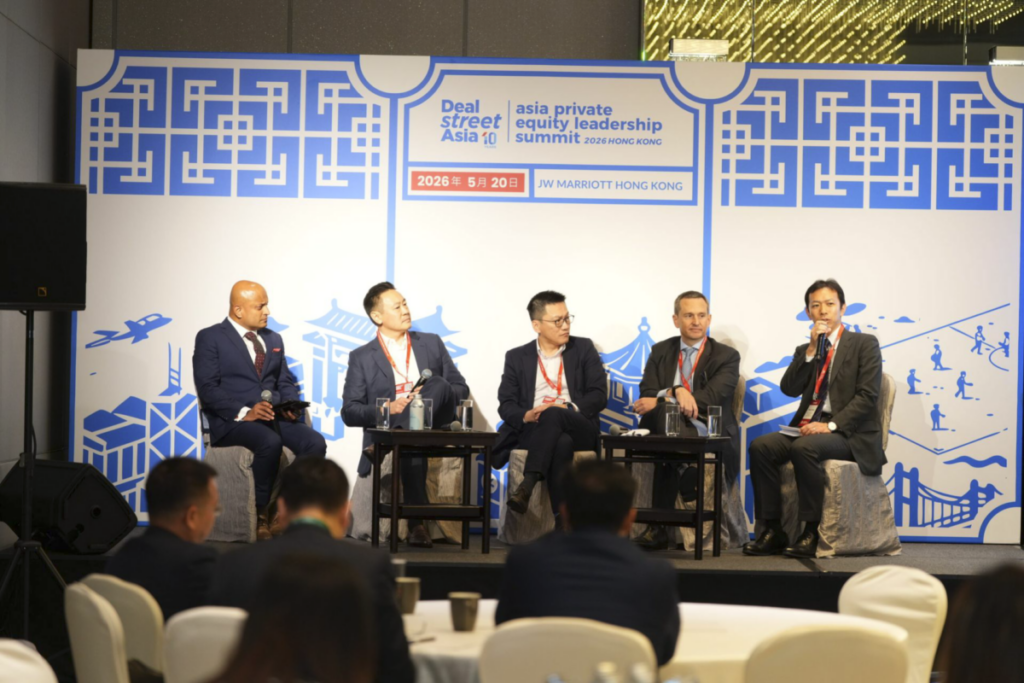
At a DealStreetAsia conference in Hong Kong, industry leader Paul DiGiacomo outlined how private markets are adapting to higher interest rates, tighter liquidity, and shifting global capital flows.
SYSTEM-DRIVEN: The story is driven by structural changes in global financial markets, particularly the evolution of private capital, interest rate regimes, and cross-border investment flows.

Paul DiGiacomo’s remarks at a DealStreetAsia conference in Hong Kong focused on the shifting dynamics of global private markets, where higher interest rates and reduced liquidity are reshaping dealmaking behavior.

The event brought together investors, fund managers, and financial sector participants to assess how capital is being allocated in a more constrained macroeconomic environment.

What is confirmed is that DiGiacomo addressed the state of private equity and private credit markets, emphasizing how the cost of capital has altered investment strategies.

In recent years, central bank rate increases across major economies have significantly raised borrowing costs, slowing deal activity and forcing funds to reassess valuations and exit timelines.

The key issue underpinning the discussion is liquidity.

For more than a decade following the global financial crisis, abundant low-cost capital supported rapid expansion in private markets.

That environment has now reversed.

With fewer exits and slower fundraising cycles, investors are under pressure to generate returns through operational improvements rather than financial engineering alone.

Hong Kong’s role as the venue is also structurally significant.

The city remains one of Asia’s key financial hubs, serving as a meeting point between global institutional capital and Asia-Pacific investment opportunities.

Conferences like this function as barometers of sentiment among regional and international investors navigating an uncertain macroeconomic landscape.

DiGiacomo’s participation reflects a broader trend in which senior figures in private markets are increasingly focused on resilience strategies rather than aggressive expansion.

This includes greater scrutiny of leverage levels, more selective deal sourcing, and a stronger emphasis on sectors with stable cash flows such as infrastructure, healthcare, and essential services.

At a systemic level, private markets are adjusting to a new equilibrium.

Capital is no longer freely abundant, and the pricing of risk has become more sensitive to macroeconomic conditions.

This shift is reshaping how funds are structured, how investments are timed, and how returns are generated across global portfolios.

The implications extend beyond the private equity industry.

Slower deal activity affects corporate financing options, startup funding environments, and cross-border investment flows.

As a result, policymakers and financial institutions are closely monitoring whether current conditions represent a cyclical adjustment or a longer-term structural shift in global capital markets.

The conference concludes with a shared recognition among participants that adaptability, discipline, and capital efficiency are becoming central requirements for success in private markets operating under tighter financial conditions.
A government-backed summit highlighting economic strategy and policy thinking underscores Hong Kong’s effort to reinforce its role as a regional center for intellectual and financial leadership.
SYSTEM-DRIVEN: The story is shaped by institutional strategy and governance—specifically Hong Kong’s use of policy forums and international summits to reinforce its global economic and intellectual positioning.

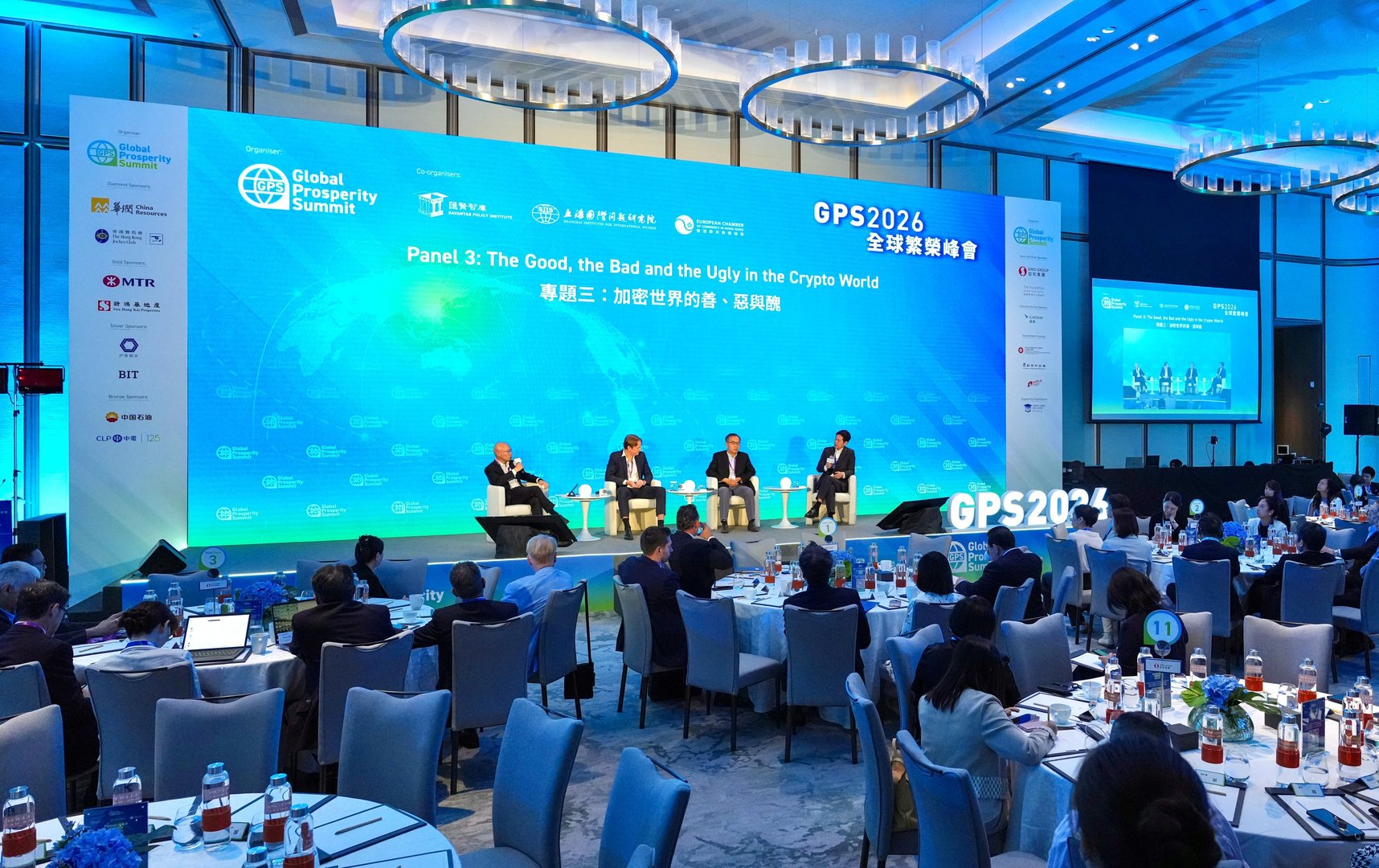
Hong Kong has used a high-profile “prosperity summit” to project itself as a hub of policy innovation and global economic thinking, bringing together political leaders, business executives, and academic figures to discuss long-term growth, financial stability, and regional integration.

The event is part of a broader strategy by the Hong Kong Special Administrative Region government to strengthen confidence in its role as an international financial center amid shifting geopolitical and economic conditions.

What is confirmed is that the summit was framed around themes of economic resilience, capital flows, and the role of cities in shaping global development.

Officials positioned the gathering as evidence of Hong Kong’s continued ability to convene international dialogue at a time when global supply chains, investment patterns, and financial governance structures are being reshaped.

The key mechanism behind the event is soft power through convening authority.

Rather than announcing major policy shifts, the summit functions as a platform to signal stability, openness to investment, and intellectual relevance.

This approach reflects a broader trend among global financial centers that increasingly compete not only on taxation and regulation, but also on perceived influence over economic ideas and policy networks.

Hong Kong’s government has emphasized its role as a connector between mainland China and international markets.

The city’s financial system remains deeply integrated with global capital flows, and policymakers have sought to reinforce its status despite concerns among some international investors about regulatory changes and geopolitical tensions in recent years.

The summit also highlights the growing importance of narrative competition in global finance.

Cities such as Singapore, Dubai, and New York have similarly invested in high-profile forums designed to attract capital and talent by reinforcing their reputations as stable and forward-looking economic centers.

In this context, Hong Kong’s event is less an isolated initiative and more part of a broader global pattern of economic positioning through curated dialogue platforms.

Critically, while the summit projects confidence, its impact depends on whether it translates into measurable economic outcomes such as investment inflows, expanded financial listings, or increased participation from multinational firms.

Without such outcomes, these forums risk being seen primarily as symbolic exercises rather than drivers of structural change.

The broader implication is that global cities are increasingly competing on perception as much as policy.

Intellectual leadership, as framed by Hong Kong officials, is now treated as an asset in itself—one that can reinforce financial relevance even in a fragmented geopolitical environment.

The summit therefore functions as both a signaling device and a strategic attempt to anchor Hong Kong more firmly in global economic networks.

The event concludes with continued efforts by Hong Kong authorities to position the city as a central node in international finance, with future policy forums and investment initiatives expected to extend this narrative of long-term economic relevance.
The potential acquisition of the UK e-commerce and credit retailer would mark a major cross-border deal amid shifting global capital flows and tighter scrutiny of foreign ownership
ACTOR-DRIVEN: the reported interest by Chinese e-commerce giant JD.com in acquiring the UK retailer The Very Group is being shaped by corporate expansion strategy, cross-border investment dynamics, and heightened regulatory scrutiny of foreign ownership in sensitive retail and financial sectors.

Chinese technology and retail conglomerate JD.com is weighing a potential bid of around £2 billion for The Very Group, one of the United Kingdom’s largest online retailers, according to reports based on market and deal discussions.

What is confirmed is that early-stage talks have taken place and that JD.com has been evaluating international acquisition opportunities as part of its broader effort to expand beyond the Chinese domestic market.

The Very Group operates one of the UK’s most established digital retail platforms, combining e-commerce operations with consumer credit services.

Its business model is built around online shopping through the Very brand alongside a financial arm that provides credit facilities to customers.

This hybrid structure makes the company both a retail operator and a consumer finance lender, increasing its strategic value but also its regulatory sensitivity.

JD.com, one of China’s largest e-commerce companies, has been actively seeking overseas expansion to diversify revenue streams and reduce reliance on its domestic market, where growth has slowed amid weaker consumer demand and regulatory pressure.

International acquisitions or partnerships have become a central part of its strategy to gain access to established logistics networks, retail brands, and consumer bases in mature markets.

The reported valuation of around £2 billion reflects both The Very Group’s scale and the broader pressures facing UK mid-market retailers.

The company has faced challenges linked to inflation, higher borrowing costs, and changes in consumer spending patterns, particularly among households reliant on credit-based purchasing.

These factors have weighed on profitability across parts of the UK retail sector.

Any potential transaction would likely face significant regulatory review in the United Kingdom.

Foreign acquisitions of large consumer-facing companies, particularly those involving financial services operations, are subject to national security and market stability assessments.

Authorities have previously intervened in or scrutinized deals involving technology infrastructure, data-rich platforms, and strategic retail assets.

The Very Group’s ownership structure has also been shaped by previous investment cycles in private equity-backed retail consolidation.

Its current positioning reflects broader trends in UK retail, where online-first companies with integrated finance arms have become increasingly attractive targets for global buyers seeking scalable digital platforms.

For JD.com, a successful acquisition would represent a significant foothold in the European retail market, providing direct access to UK consumers and a mature e-commerce ecosystem.

It would also give the company exposure to Western regulatory environments, logistics systems, and brand networks that differ substantially from those in China.

The deal, if pursued, would occur against a backdrop of heightened geopolitical sensitivity around Chinese investment in strategic sectors across Europe.

While retail is not traditionally classified as critical infrastructure, the combination of consumer data, credit services, and digital platforms has increasingly drawn attention from policymakers concerned about data governance and financial oversight.

At this stage, discussions remain preliminary, and no binding offer has been made.

The situation reflects an exploratory phase in which both strategic fit and regulatory feasibility are being assessed.

The outcome will depend on valuation alignment, financing structure, and the likelihood of obtaining approval from UK regulatory authorities.

If a formal bid materializes, it would rank among the most significant UK retail transactions involving a Chinese buyer in recent years, reinforcing the continued role of cross-border acquisitions in reshaping the ownership of major consumer platforms in Europe.

The next phase will be determined by whether JD.com proceeds from exploratory talks to a structured offer backed by regulatory and financial planning.
As Beijing accelerates its AI strategy, Hong Kong is being reframed as a financing and IPO hub linking mainland AI firms with global capital markets and accelerating commercialization.
Hong Kong’s emerging role as a financial and capital-market gateway for China’s artificial intelligence sector reflects a broader structural shift in how Chinese tech companies are funded, scaled, and brought to global markets.

The Special Administrative Region is being positioned not as a primary research hub for frontier AI, but as a capital-raising and listing platform designed to connect mainland AI developers with international investors while operating within China’s regulatory and strategic framework.

What is confirmed is that Hong Kong authorities have explicitly prioritized artificial intelligence as a core pillar of future industrial development, alongside finance and advanced manufacturing.

Government-led initiatives include dedicated committees on AI development, subsidized research programs, and infrastructure expansion to support large-scale computing and data-intensive applications.

These policies are aimed at accelerating the commercialization of AI across sectors such as healthcare, logistics, robotics, and financial services.

At the same time, the city’s stock exchange and related financial institutions have been actively positioning Hong Kong as an international listing venue for technology companies, particularly those in AI and high-growth deep-tech sectors.

Recent listings and planned offerings from Chinese AI firms and semiconductor developers highlight a growing pipeline of issuers seeking access to global capital through Hong Kong’s markets, especially at a time when overseas financing channels are more constrained for mainland companies.

The mechanism behind this shift is financial rather than technological.

Mainland China’s leading AI firms are developing large-scale models and applications domestically, but require significant and continuous funding for computing infrastructure, data centers, and talent acquisition.

Hong Kong provides a legal and financial interface where these capital demands can be met through equity markets, institutional investors, and cross-border capital flows that are more difficult to access directly from the mainland.

This role is reinforced by broader geopolitical and financial fragmentation in global technology markets.

As Western restrictions on advanced computing, chips, and AI-related services tighten, Chinese firms are increasingly dependent on domestic and regional capital ecosystems.

Hong Kong’s regulatory framework, which combines international financial standards with alignment to mainland policy direction, positions it as a compromise venue for raising funds while maintaining investor familiarity and liquidity.

The stakes for Hong Kong are significant.

A successful positioning as a leading AI capital hub would strengthen its status as a global financial center at a time when competition from other Asian markets is intensifying.

It would also deepen its integration into China’s broader technological strategy, where AI is treated as a foundational driver of productivity and economic transformation rather than a standalone sector.

For investors, this shift signals a re-pricing of Chinese AI assets through public markets rather than venture capital cycles.

The emphasis is moving toward monetization, infrastructure-heavy business models, and early-stage commercialization rather than purely research-driven narratives.

This has already influenced valuation dynamics and listing activity in Hong Kong’s equity markets.

The broader implication is that Hong Kong is evolving into a structural bridge between China’s AI industrial policy and global capital allocation.

Rather than competing with Silicon Valley as an innovation engine, it is being shaped into a financing layer for one of the most capital-intensive technological transitions in the global economy, reinforcing its role as a gateway for scaling China’s AI ambitions into internationally traded assets.
The bank is reaffirming its reliance on staff amid concerns over artificial intelligence adoption, highlighting tensions between automation, job security, and financial-sector efficiency.
A SYSTEM-DRIVEN shift in banking strategy is unfolding as Standard Chartered moves to reinforce the role of human employees following internal and external backlash over its accelerating use of artificial intelligence.

The bank’s response reflects broader tensions across global finance, where AI-driven automation is being deployed to improve efficiency while raising concerns over workforce displacement and operational risk.

What is confirmed is that Standard Chartered has publicly emphasized the “value of its people” after criticism emerged regarding how aggressively artificial intelligence tools are being integrated into its operations.

The bank has been investing in AI systems for tasks such as risk analysis, customer service optimization, compliance monitoring, and productivity enhancement across its international footprint.

The key issue driving the reaction is the perceived imbalance between technological efficiency gains and employee security.

As large financial institutions deploy generative AI and machine learning tools, concerns have intensified among staff and regulators about job displacement, decision-making transparency, and accountability in automated systems.

Standard Chartered’s position reflects an attempt to balance two competing pressures.

On one hand, the bank faces competitive demands from global peers also adopting AI to reduce costs and accelerate decision cycles.

On the other, it must maintain workforce stability, institutional knowledge, and regulatory compliance in a sector where human oversight remains critical for governance and risk management.

The backlash highlights a broader industry-wide debate over how AI should be integrated into core banking functions.

Financial institutions are increasingly using AI to process large volumes of data, detect fraud patterns, and support credit decisioning, but these systems still require human validation to mitigate errors and model bias.

The situation also reflects growing sensitivity among employees in large corporations about automation-led restructuring.

While banks publicly frame AI adoption as augmentation rather than replacement, internal restructuring and role consolidation have fueled uncertainty about long-term employment trajectories in certain divisions.

Regulators in multiple jurisdictions have also signaled that reliance on AI in financial decision-making must be accompanied by clear accountability frameworks.

This includes requirements for explainability, auditability, and human oversight in high-impact decisions such as lending, compliance enforcement, and risk exposure management.

Standard Chartered’s reaffirmation of its workforce value signals an effort to stabilize internal confidence while continuing technological transformation.

The bank is expected to proceed with AI integration, but with stronger emphasis on hybrid models where human judgment remains embedded in critical workflows.
Authorities tighten travel guidance amid renewed Ebola transmission risks in parts of the Democratic Republic of Congo, signaling elevated public health concern and cross-border precautionary measures.
A SYSTEM-DRIVEN public health response has been triggered after Hong Kong issued its highest-level travel advisory for the Democratic Republic of Congo (DRC) following a rise in Ebola cases.

The alert reflects growing concern over the re-emergence of a high-fatality infectious disease that requires rapid containment measures and strict travel risk management.

What is confirmed is that Ebola cases have been reported in parts of the DRC, prompting health authorities in Hong Kong to elevate their travel warning to a red level.

This designation signals that travelers should avoid non-essential trips to affected regions due to serious and potentially life-threatening health risks.

Ebola virus disease is a severe hemorrhagic fever caused by infection with the Ebola virus, transmitted through direct contact with infected bodily fluids or contaminated materials.

Past outbreaks have demonstrated high fatality rates and significant strain on healthcare systems, particularly in regions with limited medical infrastructure.

The DRC has experienced multiple Ebola outbreaks over the past decade, making it one of the countries most frequently affected by the virus.

The current rise in cases has raised concerns about localized transmission clusters and the potential for further spread if containment measures are not fully effective.

The key issue driving the alert is the need to prevent international importation of cases through travel corridors.

While Ebola is not typically spread through airborne transmission, the mobility of infected individuals during incubation periods presents a risk of cross-border dissemination without strict monitoring and early detection protocols.

Hong Kong’s red travel alert system is part of a structured risk communication framework used to inform residents about health, security, and environmental threats abroad.

The highest tier is reserved for situations where there is a clear and significant danger, and where travel is strongly discouraged except under exceptional circumstances.

The implications extend beyond travel restrictions.

Elevated alerts often trigger additional screening measures, public health advisories, and coordination with airlines and border control agencies to identify potential exposure risks.

They also reflect broader global vigilance around infectious disease outbreaks in regions with frequent international travel links.

The situation remains under active monitoring by health authorities as containment efforts continue in the DRC, with emphasis on isolating cases, tracing contacts, and limiting community transmission.

The red alert will remain in effect while the outbreak risk is assessed and containment stability is evaluated.
The Hong Kong-born performer moved from elite fencing training to international fame with GOT7 and a solo career built on cross-border entertainment success.
The story of Jackson Wang is driven by an ACTOR-DRIVEN transformation: the career evolution of a single individual whose shift from elite sports to global entertainment reshaped his public identity and influence across Asian and international pop culture.

Jackson Wang, born and raised in Hong Kong, initially pursued competitive fencing at a high level.

He trained as a sabre fencer and reached a standard strong enough to be considered for national-level competition, reflecting years of structured athletic discipline and international sporting exposure during his youth.

His early trajectory was shaped by performance sport systems that prioritize precision, reaction speed, and strategic control—skills that later became part of his public narrative as an entertainer.

What is confirmed is that Wang ultimately left his fencing path before competing at the senior international level, choosing instead to pursue a career in entertainment after being recruited into the South Korean music industry.

He later became a member of the boy group GOT7, formed under JYP Entertainment, debuting in twenty fourteen.

The group’s success across East Asia and global K-pop markets established Wang as a performer with multilingual reach and cross-cultural appeal.

His transition reflects a broader structural feature of the K-pop system, which recruits talent internationally and trains them through intensive performance programs combining music, dance, language, and media training.

Wang’s background as an athlete is often cited as contributing to his endurance, discipline, and stage performance style, though his music career is independent of his sporting achievements.

After establishing himself with GOT7, Wang expanded into a solo career, launching music projects that targeted global streaming audiences rather than region-specific markets.

His work incorporates English, Mandarin, and Korean language elements, positioning him within a growing category of transnational pop artists who operate outside a single national industry.

Beyond music, Wang founded his own entertainment label, Team Wang, which manages his solo releases and brand partnerships.

This shift reflects a broader trend in the music industry where established artists move toward ownership structures that give them control over production, distribution, and commercial collaborations.

The significance of Wang’s trajectory lies in its intersection of sports discipline, K-pop industrial training, and global digital distribution.

His career illustrates how modern entertainment pathways increasingly absorb talent from non-musical elite training backgrounds and convert them into globally marketable cultural figures.

His visibility across fashion, music, and branding sectors further reinforces his role as a multi-platform entertainer rather than a single-domain performer.

Today, Jackson Wang is positioned as one of the more internationally recognized figures to emerge from the K-pop system, with a career defined not by a single national market but by a layered identity spanning Hong Kong origins, South Korean industry development, and global pop consumption networks.
Economic indicators point to a cautious rebound driven by services, trade normalization, and policy support, though structural weaknesses persist beneath headline stabilization
SYSTEM-DRIVEN dynamics across Hong Kong and mainland China are shaping a gradual but uneven economic recovery, as growth momentum broadens beyond isolated sectors into a wider, though still fragile, stabilization of activity.

The core development is a shift from concentrated recovery to more distributed growth across services, trade, and selected financial activities.

In Hong Kong, economic conditions are increasingly influenced by the normalization of cross-border mobility, tourism inflows, and financial-sector activity tied to regional capital flows.

In mainland China, the recovery pattern reflects a combination of policy support, infrastructure spending, and selective improvement in consumption, even as key sectors remain under pressure.

A central mechanism behind the observed momentum is policy-driven stabilization.

Both fiscal and monetary tools have been deployed to support domestic demand, ease liquidity conditions, and prevent sharper downturns in structurally sensitive areas such as property and small-business credit.

These measures do not generate uniform expansion, but they reduce downside volatility and help sustain incremental growth across multiple sectors.

Hong Kong’s position is shaped by its role as a financial intermediary and service hub.

The reopening of regional travel and gradual restoration of business activity have supported hospitality, retail, and financial services.

At the same time, the territory continues to adjust to shifting global capital flows and changing investor sentiment toward China-linked assets, which remain sensitive to geopolitical and macroeconomic developments.

In mainland China, the recovery is more uneven.

Export resilience in certain industrial categories has provided support, while domestic consumption shows partial but inconsistent improvement.

Property sector weakness continues to act as a structural drag, affecting household wealth perception, local government revenue, and broader investment confidence.

This creates a dual-speed economy where some sectors expand while others remain constrained.

Financial markets reflect this complexity.

Periodic improvements in equity sentiment and capital inflows coexist with caution around leverage, corporate earnings quality, and long-term growth expectations.

Investors increasingly differentiate between sectors benefiting from policy support and those still exposed to structural adjustment pressures.

The broader implication is that recovery is becoming less about rapid expansion and more about stabilization after a period of adjustment.

Rather than a synchronized rebound, growth is emerging in layers, with services and external demand leading while domestically sensitive sectors recover more slowly.

This environment places greater emphasis on policy calibration.

Authorities face the challenge of sustaining momentum without reigniting financial imbalances, particularly in real estate and local government debt.

As a result, support measures are increasingly targeted rather than broad-based, reinforcing a pattern of gradual normalization rather than sharp acceleration.

The outcome is a regional economic landscape defined by cautious stabilization.

Growth is broadening, but not uniformly strengthening, and the durability of recovery will depend on whether domestic demand can become more self-sustaining as external and policy-driven support normalizes.
Authorities are investigating suspected illegal movement of high-end AI chips into Hong Kong, highlighting rising pressure around semiconductor export restrictions and global AI supply chains.
An enforcement operation targeting the alleged smuggling of advanced semiconductor hardware has led to the detention of three individuals in connection with suspected illegal transfers of Nvidia AI chips into Hong Kong.

The case centers on the movement of high-performance computing components that are widely used in artificial intelligence development and are subject to increasing international export controls.

What is confirmed is that the individuals were taken into custody as part of an investigation into suspected violations involving restricted technology shipments.

The chips in question are associated with cutting-edge AI workloads, including large-scale model training and data center acceleration, making them strategically sensitive in global technology competition.

The core issue driving the case is the tightening global framework around semiconductor exports, particularly advanced GPUs produced by leading manufacturers such as Nvidia.

These components have become subject to heightened regulatory scrutiny due to their dual-use potential in commercial AI systems and advanced computing applications with national security implications.

The investigation reflects broader enforcement efforts aimed at preventing circumvention of export restrictions through intermediary jurisdictions.

Hong Kong’s role as a major logistics and re-export hub has placed it under increased attention in monitoring the flow of high-end electronics, particularly as global demand for AI infrastructure continues to surge.

If the allegations are substantiated, the case would illustrate how supply chain pressures and regulatory divergence between markets can create incentives for gray-market or illicit distribution channels.

Even when shipments originate legally, downstream diversion can occur through complex routing networks involving multiple entities and transit points.

The detentions also underscore the commercial value and scarcity of advanced AI chips, which remain constrained by manufacturing capacity and export licensing regimes.

As AI adoption accelerates across industries, access to compute hardware has become a critical bottleneck, intensifying both legitimate procurement competition and illicit market activity.

Authorities are continuing to examine the structure of the alleged network, including procurement channels, intermediaries, and end-use destinations of the hardware.

The outcome of the case is expected to influence enforcement posture in the region and reinforce compliance expectations for companies operating in high-tech supply chains.
Inclusion of leading Chinese AI startups in Hong Kong’s tech benchmark reflects rising investor focus on domestic AI champions and deeper integration of China’s AI sector with capital markets
SYSTEM-DRIVEN dynamics in Hong Kong’s equity market structure are reshaping how artificial intelligence companies are classified, valued, and accessed by global investors, as leading Chinese AI startups Zhipu and MiniMax are expected to be included in a key Hong Kong technology index.

The anticipated inclusion reflects a broader effort by Hong Kong’s financial ecosystem to anchor emerging artificial intelligence firms within mainstream investment frameworks.

Index membership is not merely symbolic; it directly influences fund allocation, benchmark tracking flows, and institutional visibility.

For companies entering such indices, it can translate into higher liquidity and sustained investor attention.

Zhipu and MiniMax are among a new generation of Chinese AI developers that have gained prominence in large language models and generative AI systems.

Their rise comes amid intense domestic competition in China’s AI sector, where multiple startups and established technology giants are racing to develop foundational models and commercial applications.

Inclusion in a Hong Kong tech benchmark signals that capital markets are beginning to treat these firms as core components of the region’s technology landscape rather than speculative early-stage ventures.

The mechanism behind index inclusion is driven by classification rules tied to sector definitions, market capitalization thresholds, liquidity conditions, and technological relevance.

As AI becomes increasingly central to global technology indices, benchmark providers are adjusting methodologies to reflect the structural shift from traditional internet platforms toward AI-first business models.

For Hong Kong’s capital markets, this development serves a strategic purpose.

The city has been working to strengthen its position as a listing and financing hub for Chinese technology firms amid fluctuating global investor sentiment and periodic restrictions affecting cross-border capital flows.

Expanding the representation of AI companies within key indices is intended to deepen liquidity and attract thematic investment funds focused on artificial intelligence exposure.

Investor implications are significant.

Index inclusion typically triggers passive fund inflows as exchange-traded funds and institutional portfolios adjust holdings to match benchmark composition.

This can improve trading volumes and valuation stability for newly added companies, particularly in sectors where investor understanding is still developing and sentiment-driven volatility is high.

The move also reflects intensifying competition between major financial centers to capture AI-related capital.

As global investors increasingly allocate funds based on artificial intelligence themes, benchmark composition has become a critical battleground for visibility and capital access.

Hong Kong’s positioning of Chinese AI firms within its indices is part of a broader strategy to channel regional innovation into structured investment products.

At the same time, the development highlights the early-stage nature of AI monetization in China.

While investor enthusiasm for artificial intelligence remains strong, revenue models are still evolving, and profitability timelines remain uncertain for many firms in the sector.

Index inclusion therefore represents recognition of strategic importance rather than confirmation of stable earnings performance.

The broader consequence is a gradual financial normalization of artificial intelligence companies within mainstream equity markets.

As firms like Zhipu and MiniMax enter established benchmarks, AI exposure becomes embedded in passive investment structures, ensuring sustained capital flow regardless of short-term market sentiment.

This shift reinforces Hong Kong’s role as a conduit between China’s rapidly developing AI ecosystem and global institutional capital, while signaling that artificial intelligence is becoming a permanent structural component of regional equity market architecture rather than a niche technology segment.
The company’s stance against deep price cuts highlights tightening margins, rising input costs, and intensifying competition in China’s EV sector
Electric vehicle pricing strategy across China’s highly competitive auto market is increasingly shaped by rising input costs, weakening margins, and aggressive industry competition, with Nio’s recent market reaction in Hong Kong reflecting investor sensitivity to pricing discipline in the sector.

The immediate market movement followed investor interpretation of Nio’s position against what it described as “overaggressive” price reductions in the electric vehicle industry.

Rather than engaging in deeper discounting to protect volume, the company signaled that sustained price cuts are becoming structurally difficult to maintain as material costs remain elevated and profitability pressures intensify.

Shares listed in Hong Kong responded positively, reflecting expectations that pricing restraint may help stabilize margins.

At the core of the issue is the economics of China’s electric vehicle market, which has entered a prolonged price competition phase.

Automakers, particularly newer entrants and mid-tier players, have been reducing vehicle prices to maintain sales momentum in a slowing demand environment.

However, this strategy has led to shrinking profit margins across the industry, forcing companies to balance market share retention against financial sustainability.

Rising material costs are reinforcing this tension.

Key inputs such as battery components, specialized semiconductors, and advanced automotive materials remain sensitive to global supply conditions and commodity fluctuations.

Even as some input prices have stabilized compared with previous peaks, they remain structurally higher than pre-cycle levels, limiting the ability of manufacturers to aggressively discount finished vehicles without eroding profitability.

Nio’s position reflects a broader strategic shift among Chinese electric vehicle manufacturers.

Instead of competing primarily on price, some firms are attempting to emphasize product differentiation, software ecosystems, and premium positioning to avoid direct participation in the deepest discounting cycles.

This approach carries risk in a market where consumers have become increasingly price-sensitive due to macroeconomic uncertainty and abundant model availability.

Investor reaction in Hong Kong highlights how closely capital markets are now tracking margin discipline in the EV sector.

While high sales growth previously drove valuations, current sentiment places greater weight on cash burn, gross margins, and the sustainability of pricing strategies.

Companies perceived as resisting destructive price competition may be rewarded with improved valuation stability, even if short-term volume growth slows.

The competitive backdrop remains intense.

China’s electric vehicle industry continues to expand capacity, with multiple manufacturers targeting similar customer segments.

This structural oversupply has made price competition a recurring feature of the market cycle, forcing weaker players to either consolidate, reposition, or exit.

The broader implication is a transition phase in the EV sector, moving from expansion-driven competition to efficiency-driven survival.

Companies are increasingly judged not only on sales growth but on their ability to maintain pricing power in a structurally crowded market.

Nio’s stance signals that this shift is accelerating, with pricing discipline becoming a central determinant of financial resilience.

The result is a market where investor attention is shifting away from pure delivery figures and toward whether electric vehicle makers can sustain viable unit economics under persistent cost pressure and intensified domestic competition.
A shift in corporate behavior reflects tighter credit conditions, refinancing pressure, and uneven recovery across China’s economy and Hong Kong’s capital markets
Corporate balance-sheet management across Hong Kong and mainland China is increasingly defined by a defensive accumulation of cash, reflecting structural shifts in credit availability, refinancing risk, and uneven economic momentum.

Rather than relying on continuous access to cheap financing, more listed firms and privately held groups are deliberately strengthening liquidity positions, even when it reduces short-term investment capacity.

The core driver is a tighter and more selective financing environment.

Over the past several years, credit conditions have become less predictable, particularly for sectors exposed to property, infrastructure-linked debt, and leveraged expansion models.

At the same time, higher global interest rates have raised the cost of offshore borrowing, narrowing the advantage that Chinese and Hong Kong firms previously enjoyed when tapping international debt markets.

The result is a greater emphasis on internal liquidity as a buffer against refinancing shocks.

A second factor is the uneven recovery profile within China’s broader economy.

Consumption growth has been inconsistent, property sector stress has weighed on sentiment, and private-sector investment appetite has remained cautious.

In this environment, companies are treating cash as strategic insurance rather than idle capital.

This is particularly visible among mid-cap industrial firms, exporters facing volatile external demand, and developers managing delayed project cash flows.

Hong Kong-listed companies are also responding to capital-market volatility.

Equity valuations have fluctuated, IPO windows have opened and closed quickly, and investor risk appetite has remained inconsistent.

For firms that once relied on frequent refinancing or equity issuance, the ability to time markets has become less reliable.

Holding larger cash reserves reduces dependence on short-term market access and gives management more flexibility during periods of weak sentiment.

A related structural issue is refinancing concentration.

A significant portion of corporate debt in both Hong Kong and mainland China is subject to rollover risk within relatively short time frames.

As lenders become more cautious and underwriting standards tighten, companies are choosing to pre-fund liabilities or retain excess cash to avoid forced refinancing under unfavorable conditions.

This behavior is especially pronounced among firms with cross-border funding exposure.

Policy direction also plays a role.

Financial regulators have emphasized stability and risk containment in recent cycles, encouraging more disciplined leverage management.

While this supports long-term resilience, it has the short-term effect of reducing aggressive credit expansion.

Companies interpret this as a signal to rely less on rapid external funding growth and more on internal balance-sheet strength.

The implications are twofold.

In the near term, higher corporate cash holdings reduce liquidity stress and lower default risk during cyclical downturns.

However, they also indicate weaker confidence in investment returns and slower capital deployment into productive assets.

This can contribute to subdued growth in private-sector investment, even when headline economic indicators stabilize.

Over time, this shift may reshape capital allocation across the region.

Firms with strong cash positions gain strategic optionality for acquisitions, debt restructuring, or opportunistic expansion when market conditions improve.

At the same time, sustained caution in deploying capital may reinforce a lower-growth equilibrium if investment remains consistently below historical norms.

The result is a corporate sector increasingly defined by resilience over expansion, where liquidity is treated not as a byproduct of success but as a primary tool of survival in a more uncertain financial cycle.
China’s PCG Power is reportedly preparing a Hong Kong listing filing as early as August, reflecting renewed appetite for renewable energy financing and offshore equity fundraising
ACTOR-DRIVEN: The development centers on PCG Power, a Chinese energy company, and its planned attempt to raise capital through a public listing in Hong Kong, a key offshore fundraising hub for mainland firms.

What is confirmed is that PCG Power is preparing to file for a potential initial public offering in Hong Kong, with timelines reportedly targeting as early as August.

The move places the company among a growing cohort of Chinese energy and industrial firms seeking offshore listings to secure funding amid a challenging domestic financing environment and shifting global capital conditions.

The mechanism behind a Hong Kong IPO filing involves regulatory disclosure to the Hong Kong Stock Exchange, where companies must submit detailed financial statements, governance structures, risk disclosures, and business outlooks before approval to proceed with a public listing.

For Chinese mainland firms, Hong Kong serves as a strategic bridge market, allowing access to international investors while remaining within a familiar regulatory and legal framework.

PCG Power’s reported listing plans reflect broader structural trends in China’s energy sector, particularly the capital-intensive nature of power generation and energy transition projects.

Companies in this sector often require large-scale funding for renewable infrastructure, grid integration, and capacity expansion, making equity markets a critical source of long-term financing.

The timing is significant because Hong Kong IPO activity has fluctuated in recent years due to global interest rate volatility, regulatory tightening in both China and the United States, and uneven investor sentiment toward Chinese equities.

Despite these constraints, energy and infrastructure firms have remained relatively active in seeking listings, supported by long-term demand narratives tied to decarbonization and energy security.

For PCG Power, a successful listing could provide access to substantial capital for expansion, while also increasing transparency and international visibility.

However, IPO execution depends on regulatory approval, market conditions at the time of listing, and investor appetite for Chinese industrial and energy exposure.

At a broader level, the planned filing highlights Hong Kong’s continuing role as a financial conduit for mainland Chinese corporates, especially in sectors requiring heavy capital investment.

It also underscores the ongoing reliance of China’s energy transition companies on equity markets to supplement bank lending and state-backed financing channels.

The outcome of the filing process will determine whether PCG Power joins the next wave of Hong Kong listings, a pipeline that is increasingly shaped by energy, infrastructure, and technology firms competing for capital in a selective global investment environment.
Investment patterns are evolving from visitor spending to structural ownership in Thai manufacturing, real estate, and services, reshaping economic ties between the two countries.
SYSTEM-DRIVEN changes in regional investment flows are driving a structural shift in the relationship between China and Thailand, as Chinese capital moves beyond tourism and short-term consumption into deeper, longer-term positions in Thai business ownership, industrial capacity, and service-sector operations.

What is confirmed is that Chinese economic engagement in Thailand has expanded significantly in recent years, evolving from a model dominated by tourism receipts and consumer spending into one increasingly characterized by direct investment in businesses, industrial estates, logistics networks, real estate development, and export-oriented manufacturing.

This shift reflects broader structural changes in global capital allocation.

As China’s domestic economy slows relative to its high-growth decades and as geopolitical tensions influence investment destinations, Chinese firms and investors have increasingly diversified their overseas exposure across Southeast Asia, with Thailand emerging as a key hub due to its geographic location, established infrastructure, and integration into regional supply chains.

Thailand, in turn, has actively sought foreign direct investment to support industrial upgrading, technological development, and export competitiveness.

Chinese capital has become one of the most significant sources of this investment inflow.

The transformation is not limited to large state-backed infrastructure projects.

It now includes private-sector expansion in electric vehicle supply chains, solar energy manufacturing, electronics assembly, logistics platforms, warehousing, food processing, e-commerce services, and hospitality assets.

In several of these sectors, Chinese firms are not only investing but also operating integrated business ecosystems that connect production, distribution, and retail.

Tourism was historically the most visible channel of Chinese economic influence in Thailand.

Before the pandemic, Chinese tourists accounted for one of the largest shares of arrivals in the country, supporting airlines, hotels, restaurants, retail businesses, and entertainment sectors.

However, the post-pandemic recovery has been uneven, and the structure of engagement has begun to shift away from pure visitor flows toward more embedded economic activity.

The emerging pattern is one of capital layering.

Initial tourism exposure often precedes deeper economic engagement, where business networks formed through travel and commerce evolve into investment relationships.

Over time, this has contributed to a gradual increase in Chinese participation in Thai corporate structures and joint ventures.

A key driver of this trend is supply chain relocation.

Global companies have been diversifying manufacturing bases away from concentrated production in a single country, particularly China, due to geopolitical risk, trade policy uncertainty, and logistical vulnerabilities exposed during the pandemic.

Southeast Asia, including Thailand, has benefited from this redistribution of industrial capacity.

Chinese firms are both participants in and responses to this shift.

Many are relocating parts of their production networks into Thailand to maintain access to export markets, reduce tariff exposure, and position themselves within ASEAN-linked trade agreements.

This has created a dual dynamic in which China is both the source of outward investment and a competitor within regional manufacturing ecosystems.

The expansion of Chinese capital into Thai business structures also reflects Thailand’s own development strategy.

The country has long pursued a model based on export-led growth, industrial clustering, and foreign direct investment.

Government policy frameworks such as the Eastern Economic Corridor have been designed to attract advanced manufacturing and logistics investment, including from Chinese electric vehicle and electronics companies.

However, the deepening economic integration also raises structural questions.

One concern is the balance between foreign ownership and domestic control in key strategic sectors.

As foreign capital becomes more embedded in infrastructure and production networks, policymakers face increasing pressure to ensure that domestic firms retain competitiveness and that technology transfer occurs rather than long-term dependency.

Another issue is sector concentration.

Chinese investment is heavily concentrated in certain industries, particularly electric vehicles, renewable energy manufacturing, and export-oriented industrial production.

While this accelerates industrial upgrading, it can also create uneven development across sectors and regions.

Real estate has become another visible area of expansion.

Chinese buyers and developers have participated in residential and commercial property markets, particularly in urban centers and tourism-linked regions.

This has contributed to both capital inflows and periodic political debate over property ownership, affordability, and regulatory oversight.

Financial integration is also evolving, although more slowly.

Cross-border banking relationships, yuan-denominated trade settlement mechanisms, and regional payment linkages are gradually increasing, but capital controls and regulatory frameworks still limit full financial convergence.

Despite these complexities, the overall trajectory is clear.

China’s economic relationship with Thailand is shifting from episodic, consumption-driven engagement toward structural, embedded participation in the country’s production economy.

This reflects both China’s outward investment strategy and Thailand’s industrial policy priorities.

The result is a more tightly integrated but also more complex bilateral economic relationship, in which tourism is no longer the primary lens through which influence is measured.

Instead, the defining feature is the growing depth of Chinese participation in Thailand’s long-term economic architecture, spanning manufacturing, infrastructure, services, and supply chain networks that will shape the country’s growth path for years to come.
A shifting global listings landscape reflects volatile equity markets, stronger U.S. tech issuance, and uneven recovery in Asia’s fundraising pipeline
A SYSTEM-DRIVEN shift in global capital markets is reshaping the competition for initial public offerings, with Hong Kong’s long-held position as a leading global IPO venue coming under pressure as Nasdaq accelerates deal flow and closes the gap in total fundraising volume.

What is confirmed is that global IPO rankings are in flux, driven by divergent market cycles across the United States, Hong Kong, and mainland China-linked exchanges.

Hong Kong’s recent pipeline has been affected by uneven investor sentiment, slower large-scale listings, and broader macroeconomic uncertainty linked to China’s property sector and domestic consumption recovery.

At the same time, U.S. markets—particularly Nasdaq—have benefited from renewed risk appetite in technology and artificial intelligence-related sectors, supporting higher-quality listings and stronger valuations.

The competitive dynamic between Hong Kong and Nasdaq is not new, but the balance has become more sensitive to short-term capital flows and sector concentration.

Nasdaq’s strength has been anchored in technology, software, and high-growth companies, which have seen renewed investor demand after a period of tightening monetary policy and valuation compression.

Hong Kong, by contrast, has historically served as a key gateway for mainland Chinese companies seeking international capital, but its deal pipeline has become more cyclical and dependent on regulatory conditions and domestic economic confidence.

The shift is also structural.

Global IPO markets are increasingly segmented by industry specialization rather than geography alone.

High-growth technology firms tend to favor U.S. listings due to deeper liquidity and analyst coverage, while Hong Kong remains more exposed to financials, real estate-linked assets, and state-influenced enterprises.

This divergence has contributed to volatility in year-to-year rankings of global IPO fundraising.

For Hong Kong, the implications extend beyond prestige.

IPO activity is a key driver of its financial services ecosystem, supporting investment banking revenues, legal advisory work, and secondary trading liquidity.

A sustained loss of global leadership would signal a rebalancing of capital formation toward U.S. markets and potentially regional hubs in the Middle East and parts of Southeast Asia.

At the same time, Hong Kong retains structural advantages, including proximity to mainland Chinese issuers, established regulatory infrastructure, and deep ties to cross-border capital flows.

These factors continue to support its relevance even as short-term rankings fluctuate.

The immediate consequence of the current trend is heightened competition for large listings, with issuers increasingly able to choose between jurisdictions based on valuation, regulatory expectations, and investor base composition.

The broader implication is that IPO leadership is becoming less stable and more cyclical, reflecting a global capital market that is fragmenting into competing centers rather than consolidating around a single dominant exchange.

Nasdaq’s narrowing gap underscores a more fundamental reality: global IPO leadership is no longer determined by geography alone, but by which market can most effectively align liquidity, sector specialization, and investor demand at a given point in the economic cycle.
White House move highlights growing tension between safety rules for artificial intelligence and strategic pressure to maintain U.S. technological dominance over China
An ACTOR-DRIVEN policy decision by U.S. President Donald Trump has temporarily halted the signing of a planned executive order on artificial intelligence regulation, underscoring the growing tension between domestic oversight of advanced technologies and international competition with China.

What is confirmed is that the planned executive order, which had been scheduled for signing, was postponed after Trump raised concerns that certain regulatory provisions could slow down U.S. innovation in artificial intelligence or weaken America’s competitive position.

The decision reflects a broader strategic calculation within the administration that AI leadership is closely tied to economic strength, national security, and geopolitical influence.

Speaking publicly, Trump indicated that the United States is currently ahead in artificial intelligence development and expressed reluctance to introduce measures that could disrupt that advantage.

He framed the issue as a matter of maintaining momentum in a rapidly evolving sector, where both commercial deployment and military applications are seen as strategically significant.

The delayed order was expected to introduce a structured review process for advanced AI models before public release, involving federal agencies and a pre-deployment evaluation window.

That framework was intended to address concerns about safety, security risks, and the potential misuse of increasingly powerful systems.

However, internal debate over its scope and timing appears to have contributed to the pause.

The policy dispute reflects a core structural dilemma in AI governance: tighter regulation may reduce risks related to misuse, bias, or security vulnerabilities, but it can also slow down development cycles in a sector where speed is considered a key competitive advantage.

In the context of escalating U.S.–China technological rivalry, regulatory choices are increasingly being evaluated through a strategic lens rather than purely a safety one.

China’s rapid expansion in artificial intelligence, alongside parallel investments in robotics and advanced manufacturing, has intensified pressure on Washington to avoid regulatory frameworks perceived as overly restrictive.

At the same time, concerns inside the United States about uncontrolled AI deployment continue to grow, particularly around security implications and the concentration of power among leading technology firms.

The immediate consequence of the delay is a temporary regulatory vacuum at the federal level regarding pre-release oversight of advanced AI systems.

The broader implication is that future AI policy in the United States is likely to be shaped less by technical safety debates alone and more by its perceived impact on geopolitical competition with China, setting the stage for continued policy uncertainty as the technology accelerates.

The administration is expected to revisit the executive order after further internal review, with any revised version likely to reflect a recalibration between innovation priorities and national security safeguards in the evolving global AI race.
Putin’s latest visit highlights strategic messaging between Beijing and Moscow, while key energy and trade agreements fail to materialize
A SYSTEM-DRIVEN shift in global geopolitics is shaping the evolving relationship between China and Russia, where symbolic alignment on a “multipolar world order” is increasingly visible, but concrete economic breakthroughs remain limited.

During the latest high-level engagement between the two countries, both sides publicly reaffirmed strategic trust and a shared view that global power should not be concentrated in a single bloc.

Chinese academic commentary emphasized that the diplomatic sequence of major leaders visiting China underscores Beijing’s strengthened position within the broader triangular dynamic involving China, Russia, and the United States.

The framing reflects a deliberate effort to present China as a central stabilizing force in an increasingly fragmented international system.

However, what is confirmed from the visit is that it did not produce major new economic commitments.

In particular, no finalized agreement emerged on the closely watched Power of Siberia 2 pipeline project, a long-discussed energy initiative that would significantly expand Russian gas exports to China and deepen long-term energy interdependence.

The absence of a deal signals continued gaps between strategic rhetoric and financial or infrastructural execution.

The imbalance in the relationship is becoming more visible.

Russia, constrained by Western sanctions and reduced access to European energy markets, has grown more dependent on Asian demand, especially from China.

At the same time, China retains significant negotiating leverage due to its scale, diversified energy imports, and ability to delay or condition large infrastructure commitments.

This asymmetry shapes the pace and substance of agreements, even when political alignment appears strong.

Analysts within China have framed the relationship as structurally beneficial for Beijing, arguing that hosting multiple global leaders reinforces its diplomatic centrality.

The broader implication is that China is increasingly positioning itself as a pivotal actor in managing relations between rival powers, using engagement with both Russia and the United States to strengthen its strategic flexibility without committing to binding alignment with either side.

The visit ultimately reinforces a pattern now visible in Eurasian diplomacy: strong political signaling and shared language on global governance, paired with cautious, incremental economic outcomes.

This divergence suggests that while China and Russia continue to project unity on the international stage, their practical cooperation is still constrained by differing economic priorities and uneven bargaining power, shaping the trajectory of their partnership in the years ahead.
The flagship department store faces financing strain amid shifting consumer demand and a slower recovery in high-end retail spending
ACTOR-DRIVEN financial restructuring is shaping the outlook for one of Hong Kong’s most recognizable retail landmarks, as Sogo’s flagship department store moves to refinance a major loan under conditions of continued pressure in the city’s retail sector.

Sogo, the Japanese department store brand long associated with prime retail space in Hong Kong’s Causeway Bay district, is working to refinance an existing loan tied to its flagship operations.

The refinancing effort reflects broader financial management challenges facing large physical retailers in the city as they adapt to structural changes in consumer behavior and uneven post-pandemic recovery in spending.

The Sogo store in Causeway Bay has historically been one of Hong Kong’s most valuable retail assets, benefiting from heavy foot traffic, tourism inflows, and high-end consumer demand.

However, the retail environment that once supported premium department stores has shifted significantly.

Changes include weaker inbound tourism compared with pre-pandemic levels, increased competition from online retail channels, and a gradual reallocation of consumer spending patterns toward experiential services rather than goods.

Refinancing activity in commercial retail property often signals a need to extend debt maturities, adjust borrowing costs, or restructure repayment schedules in response to changing cash flow conditions.

In Sogo’s case, the move comes as lenders and property-linked operators across Hong Kong reassess risk exposure in retail real estate, where valuations have been sensitive to fluctuating occupancy rates and tenant performance.

Causeway Bay, where Sogo’s flagship store is located, remains one of Hong Kong’s most expensive retail corridors, but it has also experienced volatility in rents and store performance in recent years.

Retail landlords in prime districts have faced pressure to offer concessions or adjust leasing structures to retain tenants, particularly in sectors dependent on discretionary spending.

The refinancing effort also highlights the broader financing environment in Hong Kong, where interest rate conditions and credit tightening have increased the cost of servicing debt for commercial property operators.

Even established retail institutions are now required to actively manage refinancing risk as part of longer-term balance sheet stabilization strategies.

For Hong Kong’s retail sector, the outcome of Sogo’s refinancing will be closely watched as an indicator of lender confidence in high-profile retail assets.

A successful refinancing would suggest continued support for core retail locations, while any delay or restructuring could signal deeper caution in the financing of large-scale department store operations in the city.
Policy shift targets ultra-expensive homes as transaction activity and sentiment improve across the city’s residential sector
SYSTEM-DRIVEN housing policy in Hong Kong is evolving as authorities adjust stamp duty rules on luxury properties in response to a rebound in high-end real estate activity and broader stabilization in the residential market.

Hong Kong has moved to raise stamp duty obligations on luxury home transactions, signaling a calibrated tightening of fiscal measures aimed at the city’s most expensive property segment.

The adjustment comes at a time when the luxury housing market is showing renewed momentum after a period of correction driven by higher interest rates, weaker investor sentiment, and earlier cooling measures designed to restrain speculative buying.

The policy change focuses on high-value residential transactions, where stamp duty plays a significant role in total acquisition costs.

In Hong Kong’s property system, stamp duty functions as a direct transaction tax, with higher tiers applied to more expensive properties.

By increasing the duty on luxury homes, policymakers are targeting a segment that typically involves wealthy domestic buyers, mainland Chinese investors, and international capital flows.

The timing reflects a broader shift in market conditions.

After a prolonged downturn in property prices and transaction volumes, Hong Kong’s housing market has shown signs of recovery, particularly in the premium segment.

Improved sentiment has been supported by expectations of interest rate stabilization, gradual reopening effects in cross-border mobility, and renewed appetite among high-net-worth buyers for prime urban assets.

The luxury segment plays an outsized role in Hong Kong’s real estate ecosystem.

While it represents a relatively small share of total transactions, it has a disproportionate impact on government revenue, developer strategy, and price benchmarks in the broader market.

Movements in this segment are often interpreted as signals of capital confidence in the city’s long-term financial and political stability.

For policymakers, the challenge lies in balancing revenue capture with market stability.

Stricter stamp duties can cool speculative demand and moderate price inflation, but they also risk dampening transaction liquidity if applied too aggressively.

The current adjustment suggests a targeted approach rather than a broad tightening cycle, focusing specifically on high-end properties rather than the mass residential market.

Market participants will now watch how the luxury segment responds in the coming months, particularly whether higher transaction costs slow deal flow or are absorbed by sustained demand from cash-rich buyers.

The outcome will shape expectations for whether Hong Kong’s property recovery is entering a durable expansion phase or remains vulnerable to policy-driven volatility.
Traffic rebound and rising flight frequency signal sustained aviation recovery driven by regional travel demand and international connectivity
SYSTEM-DRIVEN recovery in global aviation is continuing to reshape major transport hubs, with Hong Kong International Airport recording a significant rebound in both passenger and flight volumes as regional and long-haul travel demand strengthens.

Hong Kong International Airport has reported a 13 percent year-on-year increase in passenger traffic, alongside a 5.1 percent rise in flight movements.

The figures point to a continued recovery in air travel activity following the disruption caused by pandemic-era restrictions and the slower return of international mobility in Asia compared with other global regions.

The increase in passenger numbers reflects a combination of factors.

These include the normalization of international travel flows, stronger regional tourism demand, and renewed connectivity between Hong Kong and key markets in mainland China, Southeast Asia, and long-haul destinations in Europe and North America.

Airlines operating at the airport have gradually restored capacity, while some have expanded routes in response to improving load factors.

Flight growth at 5.1 percent suggests a more measured expansion on the supply side compared with passenger demand.

This gap typically indicates higher aircraft occupancy rates and more efficient utilization of existing routes rather than a sharp increase in total departures.

It also reflects the constraints airlines continue to manage, including fleet availability and broader industry-wide capacity planning.

Hong Kong’s aviation recovery is also tied to its role as a major international transit hub.

The airport’s performance is influenced not only by origin and destination traffic but also by connecting passengers moving between long-haul routes across Asia-Pacific and global markets.

This transit function has historically been a core driver of its competitiveness against regional rivals such as Singapore and other major aviation hubs.

The recovery in traffic carries broader economic implications.

Aviation activity supports tourism, retail, logistics, and financial services linked to cross-border mobility.

A sustained rise in passenger volumes strengthens revenue streams for airlines, airport operators, and associated industries, while also reinforcing Hong Kong’s position in global transport networks at a time of intensifying regional competition for aviation flows.

As travel demand continues to stabilize, the trajectory of Hong Kong International Airport will depend on the durability of outbound tourism from mainland China, the strength of global business travel, and the ability of airlines to expand capacity without significant cost pressures, shaping how quickly the hub can return to or exceed pre-pandemic benchmarks.
Sailing league co-founder Russell Coutts highlights the city’s positioning power as Asia competition for premium sporting events intensifies
SYSTEM-DRIVEN dynamics in global sports hosting are reshaping how cities compete for high-profile events, with Hong Kong’s growing role in attracting elite competitions like SailGP reflecting broader shifts in branding, tourism strategy, and financial influence.

SailGP, the international sailing league co-founded by former champion sailor Russell Coutts, has been expanding its footprint across major global cities.

The league is designed as a fast-paced, high-technology racing format that relies heavily on iconic waterfront venues and strong local commercial backing.

Within that framework, Hong Kong has emerged as a location that organizers view as strategically valuable due to its dense urban skyline, deep-water harbor, and established international connectivity.

Coutts has pointed to Hong Kong’s “energy” and global influence as key factors in its ability to attract premium sporting events.

In practical terms, that framing reflects how event organizers evaluate not just infrastructure, but also media visibility, sponsorship ecosystems, and the symbolic value of a host city.

For SailGP, which markets itself as both a sporting competition and a media product, location branding is as important as racing conditions.

The broader context is intensifying regional competition across Asia.

Cities such as Singapore, Shanghai, and others have been investing heavily in sports tourism, aiming to capture recurring revenue from visiting teams, sponsors, and audiences.

Hong Kong’s positioning relies less on building new infrastructure and more on leveraging its existing financial hub status and recognizable skyline to differentiate itself in a crowded field.

The economic mechanism behind these events is increasingly tied to sponsorship rights, broadcast distribution, and hospitality spending rather than ticket sales alone.

For Hong Kong, hosting high-visibility events like SailGP contributes to post-pandemic efforts to rebuild international visitor flows and reinforce its image as a global meeting point for capital, commerce, and culture.

As competition for marquee sporting properties continues, the selection of host cities is becoming a reflection of geopolitical and financial signaling as much as sporting logistics, with Hong Kong’s inclusion in SailGP’s circuit reinforcing its bid to remain a central stage for globally marketed events.
The property developer reduces its share count following a new repurchase program, reinforcing efforts to support valuation amid a weak commercial real estate cycle
Capital allocation strategy in listed real estate companies is increasingly being shaped by weak property market conditions and shareholder pressure, with Hongkong Land’s latest share cancellation following buybacks highlighting how firms are using repurchases to manage valuation and return capital.

What is confirmed is that Hongkong Land has cancelled 185,000 shares following its most recent share buyback activity.

The cancellation reduces the company’s issued share count and is part of a broader ongoing repurchase program aimed at returning capital to shareholders and supporting earnings per share metrics.

Share buybacks followed by cancellations are a common mechanism used by listed companies to reduce dilution and signal confidence in underlying financial stability.

The move comes against a backdrop of sustained weakness in Hong Kong’s commercial property market, where office valuations and rental demand have faced pressure due to higher interest rates, shifting work patterns, and slower demand recovery from multinational tenants.

These conditions have weighed on the broader property development sector, prompting companies to focus more heavily on financial engineering tools such as buybacks and dividend policies to support investor returns.

Hongkong Land, a major developer with significant holdings in prime commercial assets in Hong Kong and Singapore, has been managing a portfolio that is highly sensitive to office demand cycles and capital market sentiment.

In such environments, share repurchases are often used alongside asset recycling strategies, including selective disposals and redevelopment projects, to optimize balance sheet efficiency.

The cancellation of shares following buybacks also has accounting and market signaling implications.

By reducing the number of outstanding shares, the company increases earnings per share on a relative basis, even if net income remains unchanged.

This can improve investor perception of value creation, particularly in sectors where underlying asset prices are under pressure.

The strategy reflects a broader trend among real estate and conglomerate-style firms in Asia that are under pressure to deliver shareholder returns despite subdued property cycles.

With limited opportunities for rapid asset appreciation, capital return programs have become a central pillar of investor relations strategy, alongside debt management and selective development activity.

For Hongkong Land, the immediate effect of the share cancellation is incremental but symbolic, reinforcing its commitment to active capital management during a challenging market phase.

The longer-term impact will depend on whether sustained buybacks are supported by stable cash flow from its core commercial property portfolio and whether regional real estate conditions show signs of recovery.

The development underscores a broader shift in listed property companies toward more aggressive capital return policies as they navigate structural changes in demand for office space and evolving investor expectations in Asian real estate markets.
Traditional outlets in Hong Kong are accelerating digital transformation as declining print influence, platform-driven news consumption, and younger audiences reshape the economics of journalism
The transformation of Hong Kong’s media industry is increasingly being driven by structural changes in how audiences consume news, forcing long-established outlets to adapt their editorial and business models to a digital-first environment.

The shift reflects broader global disruptions in journalism, but in Hong Kong it is intensified by rapid changes in audience demographics, advertising flows, and platform-based distribution of information.

What is confirmed is that traditional media organizations in Hong Kong are under sustained pressure from declining print circulation and shifting advertising revenue toward digital platforms.

Readers, particularly younger demographics, are increasingly consuming news through social media, mobile-first platforms, and algorithmically curated feeds rather than direct visits to legacy news websites or printed newspapers.

This has weakened the historical gatekeeping role of traditional publishers.

The business model challenge is central.

Advertising revenue, once the backbone of print and broadcast journalism, has increasingly migrated to global technology platforms that dominate digital advertising infrastructure.

This has reduced the financial stability of traditional outlets and accelerated newsroom restructuring, including cost-cutting, consolidation, and investment in multimedia production capabilities.

At the same time, audience behavior in Hong Kong reflects broader regional patterns across Asia.

Mobile usage is near universal, and news consumption is increasingly fragmented across short-form video, messaging apps, and social media platforms.

This fragmentation makes it more difficult for legacy media to maintain sustained engagement, forcing them to compete in a content environment optimized for speed, brevity, and algorithmic visibility rather than editorial hierarchy.

Editorial adaptation has become a defining challenge.

Media organizations are investing in video journalism, data visualization, and real-time reporting formats designed for digital platforms.

Newsrooms are also experimenting with subscription models and membership-based revenue systems to reduce reliance on advertising.

However, the success of these approaches varies widely depending on brand strength, audience trust, and content differentiation.

The regulatory and political context in Hong Kong adds another layer of complexity, shaping how media organizations operate and how content is distributed and consumed.

While the structural shift toward digital media is primarily technological and economic, it also intersects with broader changes in the information environment, influencing editorial strategy and risk management across newsrooms.

The competitive landscape is further intensified by the presence of global technology platforms that act as primary distribution channels for news content.

These platforms control discovery mechanisms through recommendation algorithms, which determine visibility and engagement.

As a result, traditional media organizations are increasingly dependent on external platforms for audience reach, reducing their control over distribution.

The immediate consequence of these combined pressures is a faster cycle of adaptation within Hong Kong’s media sector.

Outlets that successfully integrate digital-first production, diversified revenue models, and platform-native content strategies are better positioned to retain relevance, while those that rely heavily on legacy distribution channels face continued erosion of audience share and financial sustainability.
Rising demand from business leaders and wealthy travelers is reshaping private jet flows across Asia, with Hong Kong and Shanghai becoming key gateways for private aviation infrastructure and services
Private aviation demand in Asia is undergoing a structural shift, with Hong Kong and Shanghai increasingly serving as the primary hubs for ultra-high-net-worth travel in the region.

The trend reflects a broader rebound in cross-border mobility among wealthy individuals and corporate executives, alongside the expansion of business activity in China’s financial and commercial centers.

What is confirmed is that both Hong Kong and Shanghai have seen a sustained increase in private jet traffic and related aviation services, driven by rising demand for flexible, high-speed travel options among executives, investors, and international business travelers.

The growth has been supported by improvements in airport infrastructure, expanded fixed-base operator services, and the gradual normalization of international travel following pandemic-era restrictions.

Hong Kong in particular benefits from its established position as a global financial hub and its proximity to mainland China.

The city’s airport infrastructure is among the most advanced in Asia, with dedicated facilities for private aviation handling, customs clearance, and rapid aircraft turnaround.

These capabilities have made it a preferred entry point for time-sensitive travel linked to finance, trade, and investment activities.

Shanghai’s rise reflects a different but complementary dynamic.

As China’s largest commercial center, the city has become a focal point for corporate headquarters, manufacturing oversight, and regional management operations.

This has increased demand for short-notice regional travel to other major Asian cities, including Tokyo, Singapore, and Hong Kong itself.

Private aviation providers have responded by expanding charter fleets, maintenance capacity, and on-demand booking systems.

The shift is also tied to broader wealth concentration trends across Asia.

The region has seen continued growth in ultra-high-net-worth individuals, particularly in mainland China, Southeast Asia, and India.

This demographic typically relies on private aviation not only for convenience but also for security, scheduling flexibility, and access to secondary airports that commercial airlines do not serve efficiently.

Infrastructure competition between Asian financial centers has become increasingly visible in the private aviation sector.

Airports in Hong Kong and Shanghai are investing in dedicated terminals, faster customs processing, and enhanced ground services to attract high-value travelers.

These upgrades are part of a broader strategy to capture spillover economic benefits from business aviation, including spending on hotels, logistics, maintenance, and concierge services.

At the same time, the growth of private aviation in these cities is constrained by regulatory and airspace management considerations.

Air traffic control capacity, slot availability, and environmental pressure remain structural limits on further expansion.

These constraints are prompting operators to optimize flight scheduling and increase aircraft utilization efficiency rather than simply expanding fleet size.

The result is a more competitive and structured private aviation ecosystem in Asia, where Hong Kong and Shanghai function as central nodes in a growing network of regional business travel.

The immediate consequence is intensified competition among service providers to secure airport access, premium clientele, and operational capacity in two of the continent’s most strategically important aviation markets.
Investors at the Sohn Hong Kong conference highlight artificial intelligence infrastructure and shifting youth consumption patterns as key market opportunities shaping Asia-focused portfolios
Thematic equity investing is increasingly being driven by structural shifts in technology infrastructure and consumer behavior, with hedge fund managers at the Sohn Hong Kong conference emphasizing artificial intelligence supply chains and Gen Z spending patterns as two of the most important emerging investment themes in Asia.

What is confirmed is that several prominent hedge fund managers presenting at the event identified companies tied to AI infrastructure as core long-term beneficiaries of the current technology cycle.

These include firms involved in semiconductor production, advanced hardware manufacturing, data center expansion, and power and cooling systems required to support large-scale AI computation.

The investment case is built on the expectation that AI development will continue to drive sustained demand for physical infrastructure rather than remaining confined to software applications alone.

The AI supply chain theme reflects a broader market shift in which investors are moving beyond large, well-known technology platforms and focusing instead on the underlying industrial ecosystem.

This includes chip designers, equipment manufacturers, packaging specialists, and energy providers that support high-density computing workloads.

The logic is that as AI models scale in size and complexity, bottlenecks in hardware production and energy capacity become key determinants of growth.

Alongside technology infrastructure, consumer-focused strategies centered on Gen Z spending behavior also featured prominently in hedge fund discussions.

Managers highlighted the spending habits of younger consumers across Asia as a structural driver for sectors such as digital entertainment, social commerce, gaming, beauty products, and premium lifestyle goods.

The underlying assumption is that Gen Z cohorts are shaping consumption patterns differently from previous generations, with stronger preferences for mobile-first platforms and experience-driven purchases.

This consumer shift is particularly relevant in Asian markets where digital adoption is high and mobile payment ecosystems are deeply embedded in daily life.

Investors argue that companies able to capture attention and engagement within these ecosystems can maintain pricing power and recurring revenue streams even in slower macroeconomic environments.

The dual focus on AI infrastructure and Gen Z consumption reflects a broader hedge fund strategy of identifying secular growth trends rather than cyclical market timing.

In a region where macroeconomic conditions vary significantly across countries, thematic investing provides a way to isolate long-term structural winners from short-term volatility.

Risk considerations discussed by investors include valuation pressure in AI-linked equities, potential supply constraints in semiconductor manufacturing, and uncertainty around the durability of post-pandemic consumer spending patterns.

Despite these risks, the dominant view expressed at the conference was that both AI infrastructure build-out and Gen Z-driven consumption shifts are early-stage trends with multi-year investment horizons.

The immediate consequence is a continued reallocation of capital toward companies positioned at the intersection of technology infrastructure and evolving consumer behavior, reinforcing Asia’s role as a central battleground for global thematic investing strategies.
The biotech-focused listing is designed to finance a pipeline of antimicrobial treatments as global concern over drug-resistant infections intensifies
SYSTEM-DRIVEN financial and healthcare market dynamics are converging in Tennor’s planned Hong Kong initial public offering, through which the company aims to raise approximately eighty million dollars to fund development of antibacterial drugs.

What is confirmed in the structure of the transaction is that Tennor is pursuing a public listing in Hong Kong with proceeds earmarked for research and development in antimicrobial therapies.

The company’s stated focus is on addressing bacterial infections that are increasingly resistant to existing antibiotics, a problem widely recognized by global health authorities as one of the most urgent medical challenges of the coming decades.

The financing plan reflects a broader structural issue in pharmaceutical innovation: antibacterial drug development has historically attracted less investment compared with chronic disease or oncology treatments.

This is largely due to lower long-term profitability and the scientific difficulty of developing new antibiotics that remain effective as bacteria evolve resistance.

Tennor’s proposed pipeline strategy is intended to address this gap by directing capital raised through the IPO into research, clinical development, and potential commercialization of new antimicrobial compounds.

The company’s valuation expectations and final pricing will depend on investor confidence in both its scientific approach and its ability to navigate regulatory approval processes in multiple jurisdictions.

Hong Kong’s capital markets have increasingly been used by healthcare and biotech firms seeking access to Asian investors while maintaining global visibility.

The listing also reflects ongoing efforts by the exchange to attract high-growth, research-intensive companies amid competitive pressure from other financial centers.

The broader context is the accelerating rise of antimicrobial resistance, where common infections become harder to treat due to overuse of existing antibiotics and the natural evolution of pathogens.

Public health systems globally have warned that without new drug classes, routine medical procedures could carry significantly higher risk in the future.

If successful, the IPO would provide Tennor with a significant capital base to expand laboratory research and clinical trials, but it also exposes the company to market volatility typical of early-stage biotech firms.

The outcome will hinge on whether investors see credible near-term progress in its drug candidates alongside long-term commercial potential.

The immediate consequence of the listing plan is the injection of new financing into a high-risk, high-need segment of pharmaceutical research, with the company positioned to advance its antibacterial pipeline under public market scrutiny once the IPO is completed.
The city is being recognized for its technology infrastructure, financial strength, and integration of smart-city systems amid intensifying global urban competition
SYSTEM-DRIVEN urban competitiveness is reshaping how global cities are evaluated, with Hong Kong newly ranked among the world’s top ten “future cities” in a framework that measures technological readiness, economic resilience, and infrastructure integration.

What is confirmed is that Hong Kong has been placed within the top tier of global cities assessed for future-oriented development, reflecting strong performance in areas such as digital infrastructure, financial services capacity, transport connectivity, and innovation ecosystem maturity.

The ranking is based on comparative indicators that evaluate how cities are preparing for long-term structural shifts in technology, sustainability, and global capital flows.

The designation highlights Hong Kong’s continued strength as a high-density, service-driven urban economy with advanced logistics and financial systems.

Its position is supported by its established role as an international financial hub, deep integration into global trade networks, and ongoing investments in smart-city technologies such as digital governance systems, transport automation, and data-driven urban management.

At the core of the ranking methodology is the concept of “future readiness,” which assesses not only current economic output but also adaptability to technological and demographic change.

This includes the ability to deploy digital infrastructure at scale, maintain efficient regulatory systems for innovation, and support industries tied to artificial intelligence, fintech, and advanced services.

Hong Kong’s inclusion in the top ten also reflects broader structural shifts in global urban competition.

Cities are increasingly judged not just on size or wealth, but on how effectively they integrate physical infrastructure with digital systems.

This includes the use of real-time data in transport planning, the digitization of public services, and the resilience of financial systems under global volatility.

The ranking carries strategic implications for investment and talent flows.

Cities positioned as “future-ready” tend to attract higher levels of international capital, skilled labor migration, and corporate headquarters activity.

For Hong Kong, maintaining this position depends on continued modernization of its innovation ecosystem, including support for technology startups, research infrastructure, and cross-border data and financial connectivity.

The broader consequence is intensifying competition among global cities to define themselves as next-generation economic platforms.

Hong Kong’s placement in the top tier signals that it remains a central node in this competition, but also underscores the pressure to sustain technological and institutional upgrades in an increasingly fragmented global economy.
A policy-driven effort positions gold clearing and trading infrastructure as a core connector between conventional finance and emerging financial technologies
SYSTEM-DRIVEN financial strategy is reshaping Hong Kong’s approach to commodities markets, with officials promoting gold as a structural bridge between traditional banking systems and newer digital finance architectures.

What is confirmed is that Hong Kong authorities are actively framing gold not only as a physical commodity but as an infrastructural link between established financial markets and emerging forms of digital and cross-border financial systems.

The policy language positions gold as a stabilizing asset that can connect conventional settlement mechanisms with evolving financial technologies, including tokenized assets and next-generation clearing systems.

The initiative reflects a broader effort to strengthen Hong Kong’s role as a global financial intermediary at a time when international capital flows are becoming more fragmented.

By emphasizing gold, policymakers are targeting an asset class that has historically functioned as both a store of value and a universally recognized settlement instrument across jurisdictions.

The key mechanism behind this strategy is market infrastructure development rather than speculative trading.

The focus is on clearing, settlement, and custody systems that can handle physical gold while integrating with digital financial rails.

In practical terms, this means building systems that allow gold to move more efficiently across institutional investors, banks, and cross-border platforms, potentially reducing friction in international transactions.

This approach also reflects rising interest in asset-backed financial instruments.

Gold is being positioned as a potential anchor for new financial products that blend physical reserves with digital representation.

Such systems could allow investors to hold or transfer exposure to gold in ways that are faster and more interoperable than traditional bullion settlement processes.

The stakes for Hong Kong are tied to its competitiveness as a global financial hub.

As other jurisdictions develop competing financial infrastructure, particularly in digital assets and commodity-backed instruments, Hong Kong is seeking to maintain relevance by integrating legacy markets with new financial technologies rather than treating them as separate systems.

If implemented at scale, the strategy could reshape how institutional gold flows are processed through the city.

It would reinforce Hong Kong’s position as a settlement hub for both physical commodities and digitally mediated financial instruments, strengthening its role in global capital allocation at a time of increasing geopolitical and financial fragmentation.
A large-scale capacity increase aims to stabilize regional aviation as airlines reroute and recover schedules impacted by ongoing geopolitical disruption
EVENT-DRIVEN disruption in global aviation networks has prompted Hong Kong’s aviation authorities to authorize a major expansion of flight capacity, adding up to eight hundred and twenty additional services in response to instability affecting routes linked to the Middle East.

What is confirmed is that Hong Kong has moved to increase scheduled flight capacity as airlines operating through the city face knock-on disruptions caused by the ongoing conflict in the Middle East.

The measure is designed to absorb operational strain created by rerouting, airspace restrictions, and scheduling breakdowns affecting long-haul traffic that typically passes through or connects with regional hubs.

The adjustment reflects how quickly localized military escalation can cascade into global aviation systems.

When airspace closures or heightened risk zones emerge, carriers are forced to divert aircraft, extend flight times, or cancel services entirely.

These changes then ripple outward, producing aircraft shortages on certain routes and congestion at alternative hubs.

Hong Kong, as a major international transfer point, has been directly affected by this redistribution of traffic.

The additional flights are intended to restore balance to a strained schedule rather than expand demand-driven capacity.

Airlines are expected to use the allocation to recover missed rotations, stabilize passenger backlogs, and re-establish disrupted connections across Asia, Europe, and the Middle East corridor.

The scale of the adjustment suggests a significant short-term imbalance in available aircraft and landing slots.

The mechanism behind the disruption is operational rather than financial.

When aircraft are forced to avoid conflict-affected airspace, journey times increase and fleet utilization drops.

This reduces the number of daily rotations a single aircraft can complete, creating immediate gaps in scheduled services.

Airports then respond by increasing slot availability where possible, attempting to prevent systemic delays from compounding.

For Hong Kong’s aviation system, the intervention also reflects its role as a stabilizing hub within global air traffic flows.

Even when demand remains steady, external shocks can distort arrival and departure patterns, requiring rapid regulatory adjustments to maintain throughput and prevent bottlenecks.

The broader consequence is a temporary restructuring of regional flight operations rather than a permanent expansion.

Airlines will continue to adjust routing strategies as long as conflict conditions persist, and airports with available capacity will remain central to absorbing displaced traffic.

Hong Kong’s decision positions it as a key redistribution point during the ongoing disruption cycle, ensuring continuity of long-haul connectivity despite instability elsewhere in the network.
Security and engineering firm SUGP rallies sharply after announcing a public-sector contract, highlighting sensitivity of small-cap stocks to government procurement news
EVENT-DRIVEN — the story is driven by a sharp market reaction following SU Group Holdings’ announcement that it has secured a contract with the Hong Kong government, triggering a rapid increase in its share price.

SU Group Holdings, a listed security and engineering services company trading under the ticker SUGP, saw its shares surge after the firm disclosed it had been awarded a government contract in Hong Kong.

The announcement immediately prompted strong investor buying activity, reflecting heightened sensitivity in small-cap equities to public-sector deal flow.

What is confirmed is that the company has secured a contract linked to Hong Kong government-related services, although the precise operational scope has been described in general terms as part of its security, engineering, or facility-related business activities.

The contract represents a formal engagement with a public authority, which is often viewed by investors as a signal of revenue stability and credibility.

The market response was swift.

Shares moved sharply higher in trading following the disclosure, extending gains typically associated with contract wins in the small-cap and micro-cap segment, where limited liquidity can amplify price movements.

This type of reaction is common when companies announce government-linked revenue streams, as investors reassess future earnings visibility and backlog potential.

The key issue is revenue certainty versus scale.

For smaller listed firms like SU Group Holdings, government contracts can represent a disproportionately large share of expected income, improving short-term financial outlooks but also increasing dependence on a limited number of clients.

This creates both stability and concentration risk, depending on contract duration and renewal structure.

Public-sector contracts in Hong Kong are typically awarded through competitive procurement processes that evaluate technical capability, pricing, compliance standards, and operational track record.

Winning such contracts can enhance a company’s reputation in future bidding rounds and strengthen its positioning in related infrastructure or services markets.

Investor enthusiasm also reflects broader behavioral patterns in equity markets, where contract announcements are often interpreted as forward revenue signals even before detailed financial terms are disclosed.

This can lead to rapid repricing, particularly in thinly traded stocks where demand shifts are not absorbed by large institutional liquidity.

However, the long-term financial impact depends on contract size, execution margins, and duration.

Without these variables fully disclosed, market participants typically rely on directional sentiment rather than precise earnings modeling in the immediate aftermath of announcements.

The broader implication is the continuing importance of government procurement as a catalyst for small-cap market volatility in Hong Kong and similar financial markets.

Firms operating in infrastructure, security, and engineering services often experience episodic valuation changes tied directly to contract cycles rather than steady organic growth.

As trading stabilizes, investor focus is likely to shift toward the company’s ability to convert contract wins into sustained revenue growth and whether it can secure additional public or private sector projects to support longer-term scaling.
High-speed sailing championship accelerates regional growth strategy with Hong Kong positioned as a flagship venue in its expanding Asia circuit
EVENT-DRIVEN — the story is driven by SailGP’s scheduled expansion into Asia, marked by Hong Kong’s inclusion as a host venue in the 2027 season calendar, signaling a broader push to grow the sport’s commercial and regional footprint.

SailGP, the international high-performance sailing championship featuring identical hydrofoiling catamarans, is accelerating its expansion across Asia, with Hong Kong set to play a central role in the 2027 season lineup.

The move reflects a strategic effort to broaden the league’s geographic reach beyond its established venues in Europe, the Middle East, and North America.

What is confirmed is that Hong Kong has been selected as a host city for the 2027 SailGP season, positioning it among a growing roster of global coastal venues designed to showcase short-format, high-speed sailing races in urban waterfront environments.

The event format typically features national teams competing in identical boats capable of reaching speeds exceeding seventy kilometers per hour, with races staged close to shore for spectator visibility.

The inclusion of Hong Kong reflects a broader expansion strategy focused on Asia, where organizers see strong potential for audience growth, sponsorship development, and regional team participation.

The city’s deep-water harbor, iconic skyline, and established event infrastructure make it a natural fit for the league’s signature stadium-style sailing format.

The key issue is commercialization and audience scaling.

SailGP operates at the intersection of elite sport and entertainment product design, relying on broadcast appeal, corporate sponsorship, and tightly controlled technical regulations to maintain competitive balance.

Expansion into Asia is intended to increase global viewership and unlock new commercial partnerships in fast-growing markets.

Hong Kong’s role also carries logistical and operational implications.

Hosting a SailGP event requires significant coordination of maritime safety zones, temporary racecourses, spectator infrastructure, and broadcast technology deployment.

These events are designed to be highly visual, with races occurring in compact courses that allow viewers to follow the action from shorelines and waterfront districts.

The 2027 season expansion into Asia is part of a broader trend in international sport where leagues are increasingly targeting regional diversification.

By adding venues in Asia, SailGP is aligning itself with shifting global sports consumption patterns, where live events, digital streaming, and short-format competition are becoming more commercially viable than traditional long-duration formats.

For Hong Kong, the event adds to its portfolio of international sporting and entertainment events, reinforcing its positioning as a global events hub.

It also provides a platform for tourism exposure and hospitality sector engagement, particularly through waterfront zones that can accommodate large spectator gatherings and media installations.

The introduction of SailGP to the region also has competitive implications for sailing itself.

The league’s standardized boats and team-based national representation model differ significantly from traditional sailing competitions, emphasizing speed, tactical precision, and real-time decision-making under high physical and technical pressure.

If executed as planned, the Hong Kong event in 2027 will mark one of the most high-profile entries of modern competitive sailing into the Asian entertainment market, expanding both the sport’s geographic footprint and its commercial visibility in the region.
Authorities uncover an estimated US$752 million tied to coordinated fraud operations spanning multiple jurisdictions, exposing structural weaknesses in financial crime enforcement
EVENT-DRIVEN — the story is driven by a large-scale fraud enforcement operation that has exposed extensive cross-border scam activity and significant financial losses linked to Hong Kong.

Authorities in Hong Kong have been identified as facing the heaviest impact in a coordinated crackdown on cross-border scam networks that have collectively resulted in estimated losses of around US$752 million.

The figure reflects aggregated losses tied to fraud schemes operating across multiple jurisdictions, involving financial transfers, shell accounts, and digital payment channels used to move illicit funds.

What is confirmed is that the scam networks operated across borders, exploiting differences in regulatory enforcement, banking oversight, and digital transaction monitoring systems.

The operations typically involve impersonation fraud, investment scams, and online deception schemes that target both individuals and institutions, with funds rapidly transferred through layered accounts to obscure their origin.

Hong Kong’s exposure is linked to its role as a major international financial center with high-volume capital flows and extensive cross-border banking activity.

While this status strengthens its position in global finance, it also makes it a frequent transit point for funds linked to fraudulent activity when detection systems are bypassed or delayed.

The key issue is the speed and complexity of modern financial fraud.

Scam networks increasingly rely on digital platforms, encrypted communication channels, and automated fund movement techniques that allow money to be dispersed across multiple accounts within minutes.

This makes recovery difficult and complicates enforcement efforts that depend on tracing transactions after they occur.

Authorities involved in the crackdown have focused on identifying mule accounts, dismantling fraud call centers, and tracking financial intermediaries that facilitate the movement of stolen funds.

These operations often span multiple countries, requiring coordination between law enforcement agencies, financial regulators, and banking institutions.

The reported losses of US$752 million reflect not only direct theft but also the broader financial ecosystem used to sustain scam operations.

This includes advertising networks that promote fraudulent investment schemes, payment channels that enable rapid fund conversion, and offshore entities used to obscure ownership structures.

For Hong Kong’s financial system, the findings highlight persistent vulnerabilities in the detection of cross-border fraud flows.

While banks and regulators have strengthened anti-money laundering frameworks in recent years, fraud networks continue to adapt by exploiting timing gaps, identity verification weaknesses, and jurisdictional fragmentation.

The broader implication is systemic.

As financial crime becomes more digitized and globally distributed, enforcement increasingly depends on real-time data sharing and coordinated international response mechanisms.

Without these, funds can be moved faster than they can be traced, reducing the effectiveness of traditional investigative approaches.

The crackdown underscores a shift in focus from isolated scam cases to network-based enforcement strategies that target the infrastructure of fraud rather than individual incidents.

This includes dismantling communication hubs, freezing multi-jurisdictional accounts, and disrupting payment pathways used by organized scam groups.

The result is a clearer picture of how large-scale fraud operations function across borders, with Hong Kong emerging as a significant exposure point within a broader regional enforcement challenge that continues to evolve alongside digital financial systems.
The Great Western Exit: Why Best Citizens Are Fleeing the Rich World [PODCAST]
The New Robber Barons of Intelligence: Are AI Bosses More Powerful Than Rockefeller?
The End of the Old Order [Podcast]
The AI Gold Rush Is Coming for America’s Last Open Spaces [Podcast]
The Pentagon’s AI Squeeze: Eight Tech Giants Get In, Anthropic Gets Shut Out [Podcast]
AI Isn’t Stealing Your Job. It’s Dismantling It Piece by Piece.
Why Big Tech is betting on Thailand [Podcast]
Kennedy’s Quiet War on Antidepressants Sparks Alarm Across America’s Medical Establishment
Why Global Tech Is Betting On Thailand
KPMG Cuts Around 10% of US Audit Partners After Failed Exit Push
French Police Probe Suspected Weather-Data Tampering After Unusual Polymarket Bets on Paris Temperatures
CATL Unveils Revolutionary EV Battery Tech: 1000 km Range and 7-Minute Charging Ahead of Beijing Auto Show
Changi Airport: How Singapore Engineered the World’s Most Efficient Travel Experience
Italy’s €100K Tax Gambit: Europe’s Soft Power Tax Haven
Travel on all public transport in the Australian state of Victoria will be free in May and then half price for the remainder of this year as the government ramps up help for consumers battling high fuel costs
News Roundup
Zhejiang China Commodities City Group Eyes Hong Kong IPO to Drive Global Expansion
Chinese Healthcare Stocks Surge in Hong Kong as Middle East Tensions Rattle Markets
Hong Kong to Channel Diesel Subsidies Directly to Oil Firms Amid Oversight Concerns
Hong Kong to Host Major Wiki Finance Expo 2026 Showcasing Fintech and Web3 Innovation
Hong Kong Police Arrest Suspect in Major Patient Data Leak Affecting Tens of Thousands
ISOPT Gears Up for Joint Scientific Meeting Across Shenzhen and Hong Kong
Hong Kong Tunnel Toll Cuts Leave Taxi Passengers Without Fare Relief
Hong Kong’s Dining Scene Shines with Must-Visit Restaurants This April
Hong Kong Awards First Stablecoin Licences to Major Banking Players
From Factory Floor to Fortune: Hong Kong Worker Rises to Global Wealth Elite
Hong Kong Laundry Businesses Struggle as Rising Oil Prices Drive Costs Higher
Workplace Sexual Harassment Complaints Rise Sharply in Hong Kong
Manycore Targets $130 Million Raise in Hong Kong IPO as Hangzhou Tech Firms Expand
IPO Activity in Mainland China and Hong Kong Shows Renewed Momentum in Early 2026
Hong Kong Urged to Strengthen Resilience Amid Increasingly Complex Global Environment
Norman Foster’s Vision Redefined Hong Kong’s Skyline and Global Trading Architecture
Hong Kong Anti-Corruption Body Emphasizes Clean Governance as Foundation for Sustainable Growth
dentsu Hong Kong and Café de Coral Bring Social Media Energy to Life with Flash-Mob at CON-CON 2026
Hong Kong Dining Scene Showcases Top Quick-Service and Casual Restaurants in 2026 Rankings
Hong Kong Collectors Shift Focus from Ownership to Public Cultural Engagement
Chinese Firm’s Washington Outreach Linked to Trump-Era Networks Yields Policy Breakthrough
Hong Kong PMI Slips Below Growth Threshold as External Pressures Weigh on Business Activity
Hong Kong Surges Ahead of Wall Street and Europe in Global IPO Rankings
Hong Kong Moves to Criminalise Refusal to Provide Passwords in Investigations
Hong Kong Shapes Near-Term Property Outlook Across Greater Bay Area
Liu Wei’s ‘You Like Pork?’ Tops Poly Hong Kong Art Sale at 3.5 Million Dollars
Artificial Intelligence Takes Centre Stage at Hong Kong Technology Fairs
Hongkong Land Executives Increase Holdings Through Senior Management Share Plan
Hong Kong Company Launches Arbitration Against Maersk Over Panama Port Dispute
Hong Kong Urges Foreign Governments to Lift Covid-Era Flight Restrictions
Hong Kong Mortgage Corporation Explores Landmark Digital Bond Offering
Hong Kong Steps Up Scrutiny of Bank Culture in Push for Stronger Financial Governance
Hong Kong Clarifies Digital Currency Strategy, Says It Is Not Competing With US Stablecoins or Digital Yuan
Chinese AI Glasses Firm Rokid Plans Hong Kong IPO to Accelerate Expansion