Authorities reject allegations against prosecutors, framing them as attacks on the integrity of the legal system amid heightened political sensitivity
An institutional response by Hong Kong’s Department of Justice to public allegations involving prosecutorial conduct has underscored the SYSTEM-DRIVEN tensions shaping the city’s legal and political environment, where the independence and credibility of the prosecution service remain central to ongoing governance debates.
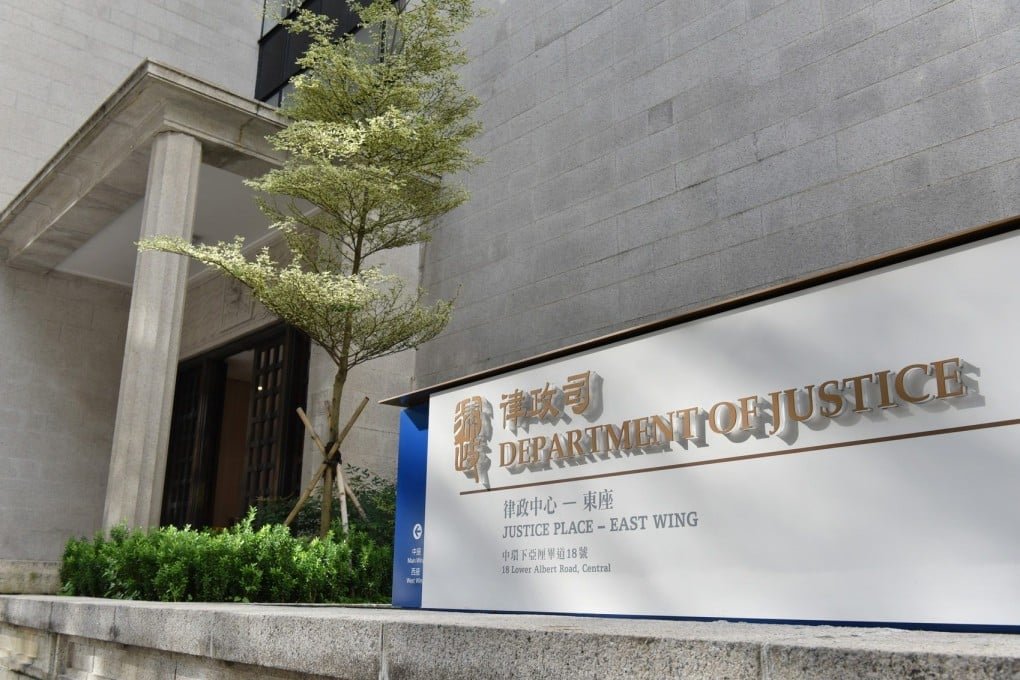
What is confirmed is that Hong Kong’s justice authorities have publicly rejected what they describe as “despicable” claims directed at prosecutors.
The department’s response was framed as a defence of the integrity of its legal personnel and the wider prosecutorial system, which is responsible for bringing criminal cases before the courts and representing the public interest in legal proceedings.
The allegations themselves have not been independently substantiated in the public domain, but they have prompted an unusually direct institutional rebuttal.
The Justice Department’s language reflects an effort to reinforce confidence in prosecutorial independence, particularly in cases that attract public attention or political interpretation.
Officials have emphasized that prosecutors operate under established legal procedures and professional codes, and that their decisions are subject to internal review mechanisms and judicial oversight.
The role of prosecutors in Hong Kong is structurally distinct from both law enforcement agencies and the judiciary.
While police investigate criminal activity, prosecutors decide whether cases proceed to court and conduct those cases in front of judges.
This separation is intended to ensure procedural fairness, but it also places prosecutors at the center of politically sensitive or high-profile cases where legal judgments may be scrutinized in public discourse.
The Justice Department’s statement also reflects broader pressures on legal institutions in Hong Kong, where the operation of the rule of law has been closely observed domestically and internationally.
In recent years, public debate over judicial independence and prosecutorial discretion has intensified, particularly in cases involving national security, public order, and political expression.
Within that context, official responses to criticism of legal actors often carry institutional significance beyond the specific allegations involved.
The immediate consequence of the department’s rebuttal is the reinforcement of an official narrative that challenges attempts to question prosecutorial integrity through public claims.
At the same time, it highlights the sensitivity of legal institutions to reputational pressure, especially in environments where legal decisions can intersect with broader political narratives.
No procedural changes have been announced in response to the allegations, and there is no indication of disciplinary action or formal investigation arising from the claims referenced in the public exchange.
The Justice Department’s position instead centers on defending existing prosecutorial standards and affirming confidence in the system’s internal safeguards.
The dispute therefore sits less in the realm of legal procedure and more in the contested space of public trust in institutions, where competing narratives about fairness, accountability, and authority continue to shape how the justice system is perceived and discussed.
What is confirmed is that Hong Kong’s justice authorities have publicly rejected what they describe as “despicable” claims directed at prosecutors.
The department’s response was framed as a defence of the integrity of its legal personnel and the wider prosecutorial system, which is responsible for bringing criminal cases before the courts and representing the public interest in legal proceedings.
The allegations themselves have not been independently substantiated in the public domain, but they have prompted an unusually direct institutional rebuttal.
The Justice Department’s language reflects an effort to reinforce confidence in prosecutorial independence, particularly in cases that attract public attention or political interpretation.
Officials have emphasized that prosecutors operate under established legal procedures and professional codes, and that their decisions are subject to internal review mechanisms and judicial oversight.
The role of prosecutors in Hong Kong is structurally distinct from both law enforcement agencies and the judiciary.
While police investigate criminal activity, prosecutors decide whether cases proceed to court and conduct those cases in front of judges.
This separation is intended to ensure procedural fairness, but it also places prosecutors at the center of politically sensitive or high-profile cases where legal judgments may be scrutinized in public discourse.
The Justice Department’s statement also reflects broader pressures on legal institutions in Hong Kong, where the operation of the rule of law has been closely observed domestically and internationally.
In recent years, public debate over judicial independence and prosecutorial discretion has intensified, particularly in cases involving national security, public order, and political expression.
Within that context, official responses to criticism of legal actors often carry institutional significance beyond the specific allegations involved.
The immediate consequence of the department’s rebuttal is the reinforcement of an official narrative that challenges attempts to question prosecutorial integrity through public claims.
At the same time, it highlights the sensitivity of legal institutions to reputational pressure, especially in environments where legal decisions can intersect with broader political narratives.
No procedural changes have been announced in response to the allegations, and there is no indication of disciplinary action or formal investigation arising from the claims referenced in the public exchange.
The Justice Department’s position instead centers on defending existing prosecutorial standards and affirming confidence in the system’s internal safeguards.
The dispute therefore sits less in the realm of legal procedure and more in the contested space of public trust in institutions, where competing narratives about fairness, accountability, and authority continue to shape how the justice system is perceived and discussed.