A senior InvestHK representative warns that Mexican businesses are underutilising Hong Kong’s role as a gateway to Asian markets amid shifting global supply chains and trade realignment.
ACTOR-DRIVEN: The story is driven by institutional messaging from InvestHK, Hong Kong’s government investment promotion agency, and its effort to position the city as a strategic bridge between Latin America and Asia.
Invest Hong Kong, the city’s official investment promotion arm, has stated that Mexico is overlooking significant trade and investment opportunities available through Hong Kong’s financial and logistics ecosystem.
The comments were made in the context of ongoing efforts by Hong Kong to expand its commercial links beyond traditional markets and attract greater participation from Latin American economies.
What is confirmed is that InvestHK officials have publicly highlighted Mexico as a country with growing trade potential that is not yet fully connected to Hong Kong’s financial services, capital markets, and regional distribution networks.
The remarks reflect a broader outreach strategy aimed at encouraging Latin American companies to use Hong Kong as a base for accessing Mainland China and wider Asian markets.
The key issue underlying the statement is structural trade connectivity.
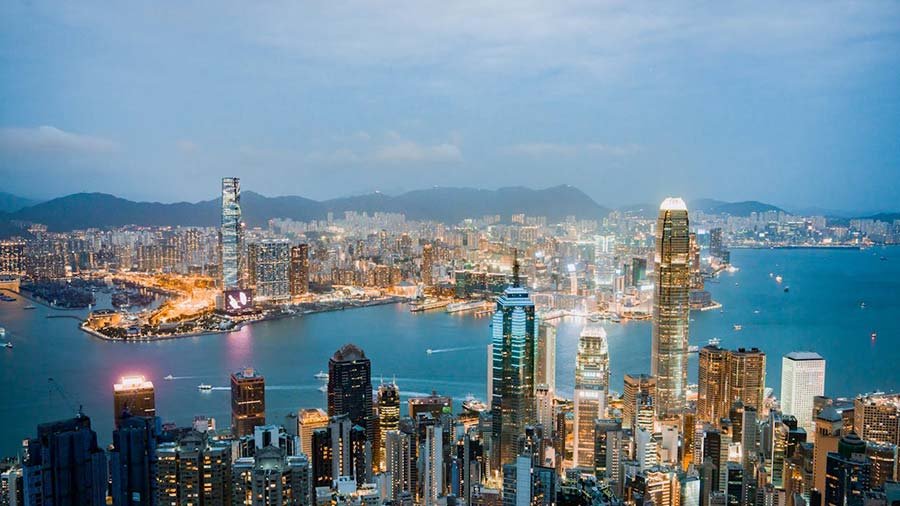
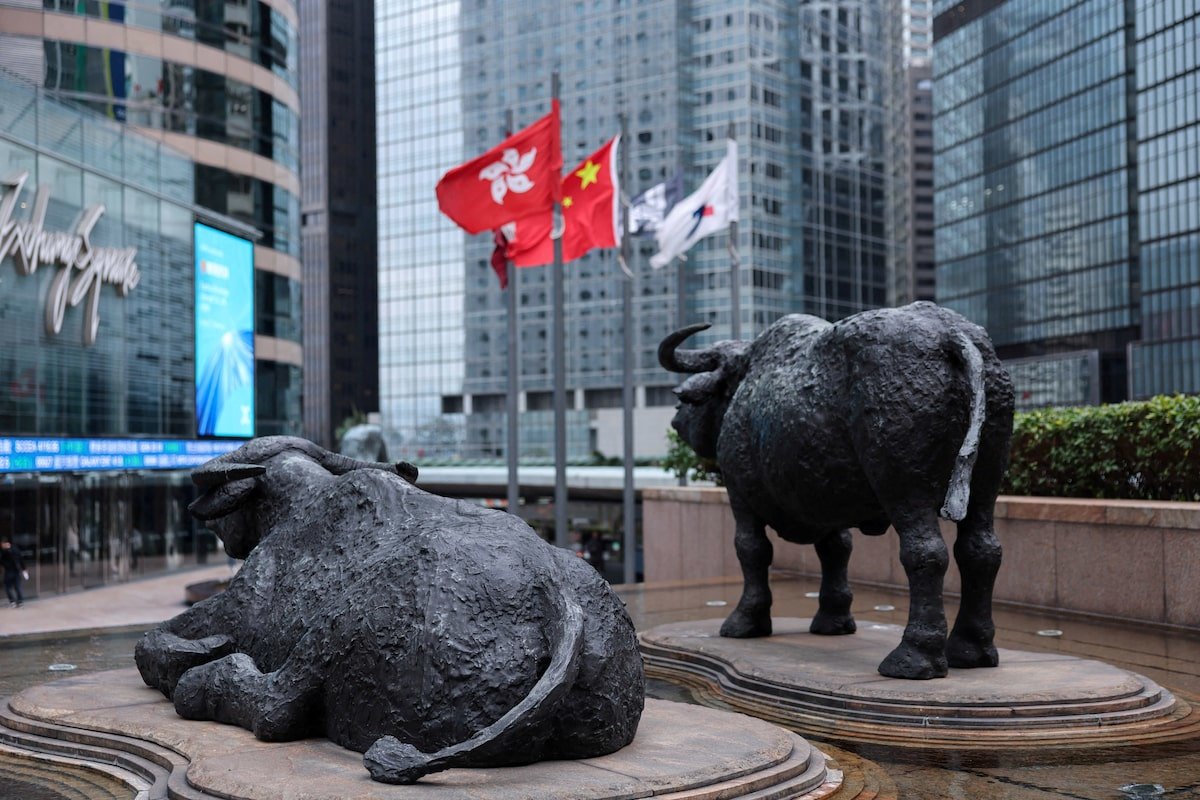
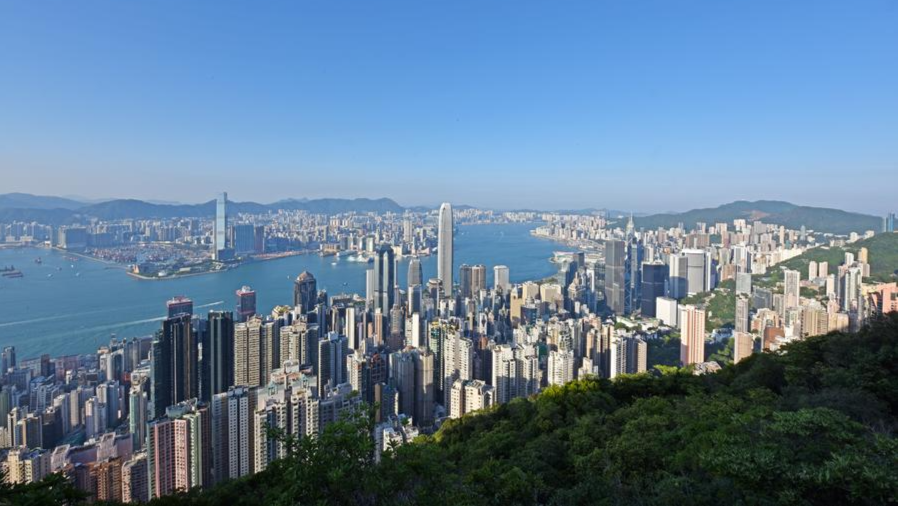
Hong Kong functions as a major international financial centre with deep capital markets, a convertible currency regime, and established legal and logistics infrastructure.
These features make it a common intermediary for cross-border investment into Asia, particularly China and Southeast Asia.
However, trade links between Hong Kong and Latin America remain comparatively underdeveloped relative to those with North America, Europe, and parts of Asia.
Mexico’s economy is deeply integrated with North American supply chains through manufacturing and exports, particularly under the framework of the United States–Mexico–Canada Agreement.
This strong regional orientation may reduce incentives for Mexican firms to prioritise distant Asian financial hubs, even as global trade diversification accelerates.
Hong Kong’s argument is that this creates an untapped channel for diversification and capital access.
InvestHK’s outreach also reflects broader geopolitical and economic shifts in global trade.
As companies reassess supply chains due to trade tensions, logistics disruptions, and regionalisation trends, financial centres are competing more aggressively to position themselves as gateways to emerging markets.
Hong Kong’s pitch to Latin America is part of this competitive repositioning.
From a financial perspective, Hong Kong offers access to equity markets, fundraising platforms, and professional services that support international expansion.
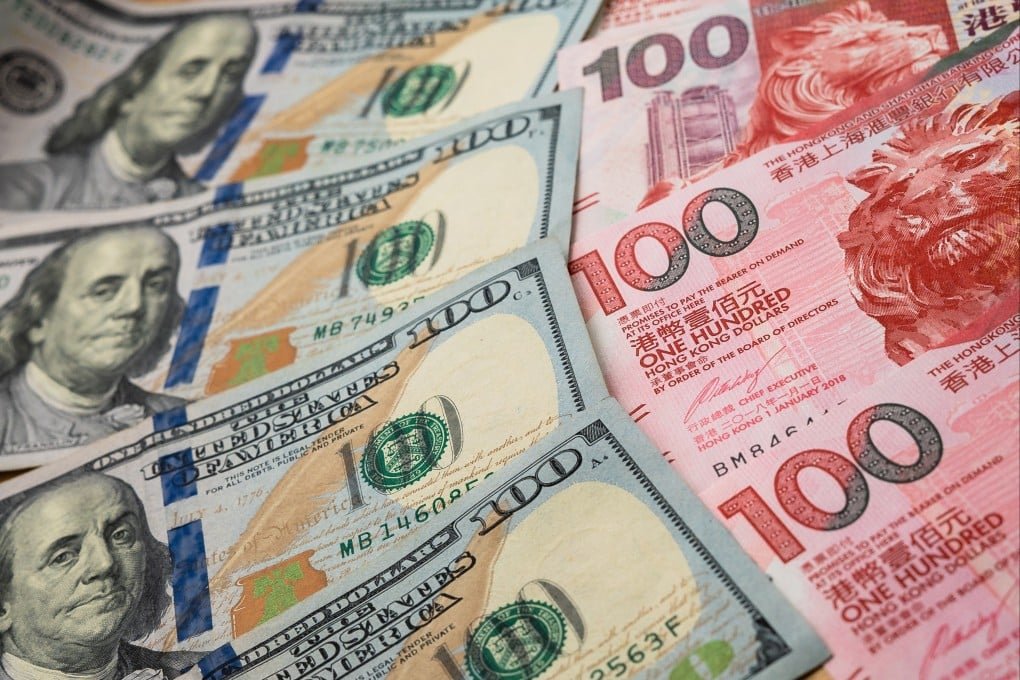
It also serves as a hub for offshore renminbi transactions, which can be relevant for companies seeking exposure to Chinese markets.
However, utilisation of these services depends heavily on corporate awareness, regulatory familiarity, and established trade relationships.
The implications of the statement are less about immediate policy change and more about market engagement gaps.
If Mexican firms increase participation in Hong Kong-based financial channels, it could diversify capital sources and strengthen Asia–Latin America trade corridors.
If not, Hong Kong’s role as an intermediary may remain concentrated in its existing regional networks.
The broader conclusion from InvestHK’s message is that global trade architecture is increasingly shaped not only by geography but by awareness and institutional connectivity.
Hong Kong is actively seeking to expand that network, and Mexico is being identified as a market where engagement has not yet reached its potential.
Invest Hong Kong, the city’s official investment promotion arm, has stated that Mexico is overlooking significant trade and investment opportunities available through Hong Kong’s financial and logistics ecosystem.
The comments were made in the context of ongoing efforts by Hong Kong to expand its commercial links beyond traditional markets and attract greater participation from Latin American economies.
What is confirmed is that InvestHK officials have publicly highlighted Mexico as a country with growing trade potential that is not yet fully connected to Hong Kong’s financial services, capital markets, and regional distribution networks.
The remarks reflect a broader outreach strategy aimed at encouraging Latin American companies to use Hong Kong as a base for accessing Mainland China and wider Asian markets.
The key issue underlying the statement is structural trade connectivity.
Hong Kong functions as a major international financial centre with deep capital markets, a convertible currency regime, and established legal and logistics infrastructure.
These features make it a common intermediary for cross-border investment into Asia, particularly China and Southeast Asia.
However, trade links between Hong Kong and Latin America remain comparatively underdeveloped relative to those with North America, Europe, and parts of Asia.
Mexico’s economy is deeply integrated with North American supply chains through manufacturing and exports, particularly under the framework of the United States–Mexico–Canada Agreement.
This strong regional orientation may reduce incentives for Mexican firms to prioritise distant Asian financial hubs, even as global trade diversification accelerates.
Hong Kong’s argument is that this creates an untapped channel for diversification and capital access.
InvestHK’s outreach also reflects broader geopolitical and economic shifts in global trade.
As companies reassess supply chains due to trade tensions, logistics disruptions, and regionalisation trends, financial centres are competing more aggressively to position themselves as gateways to emerging markets.
Hong Kong’s pitch to Latin America is part of this competitive repositioning.
From a financial perspective, Hong Kong offers access to equity markets, fundraising platforms, and professional services that support international expansion.
It also serves as a hub for offshore renminbi transactions, which can be relevant for companies seeking exposure to Chinese markets.
However, utilisation of these services depends heavily on corporate awareness, regulatory familiarity, and established trade relationships.
The implications of the statement are less about immediate policy change and more about market engagement gaps.
If Mexican firms increase participation in Hong Kong-based financial channels, it could diversify capital sources and strengthen Asia–Latin America trade corridors.
If not, Hong Kong’s role as an intermediary may remain concentrated in its existing regional networks.
The broader conclusion from InvestHK’s message is that global trade architecture is increasingly shaped not only by geography but by awareness and institutional connectivity.
Hong Kong is actively seeking to expand that network, and Mexico is being identified as a market where engagement has not yet reached its potential.