Zhipu and MiniMax are set to join the Hang Seng Tech Index, reflecting the growing influence of China’s private AI sector in regional capital markets
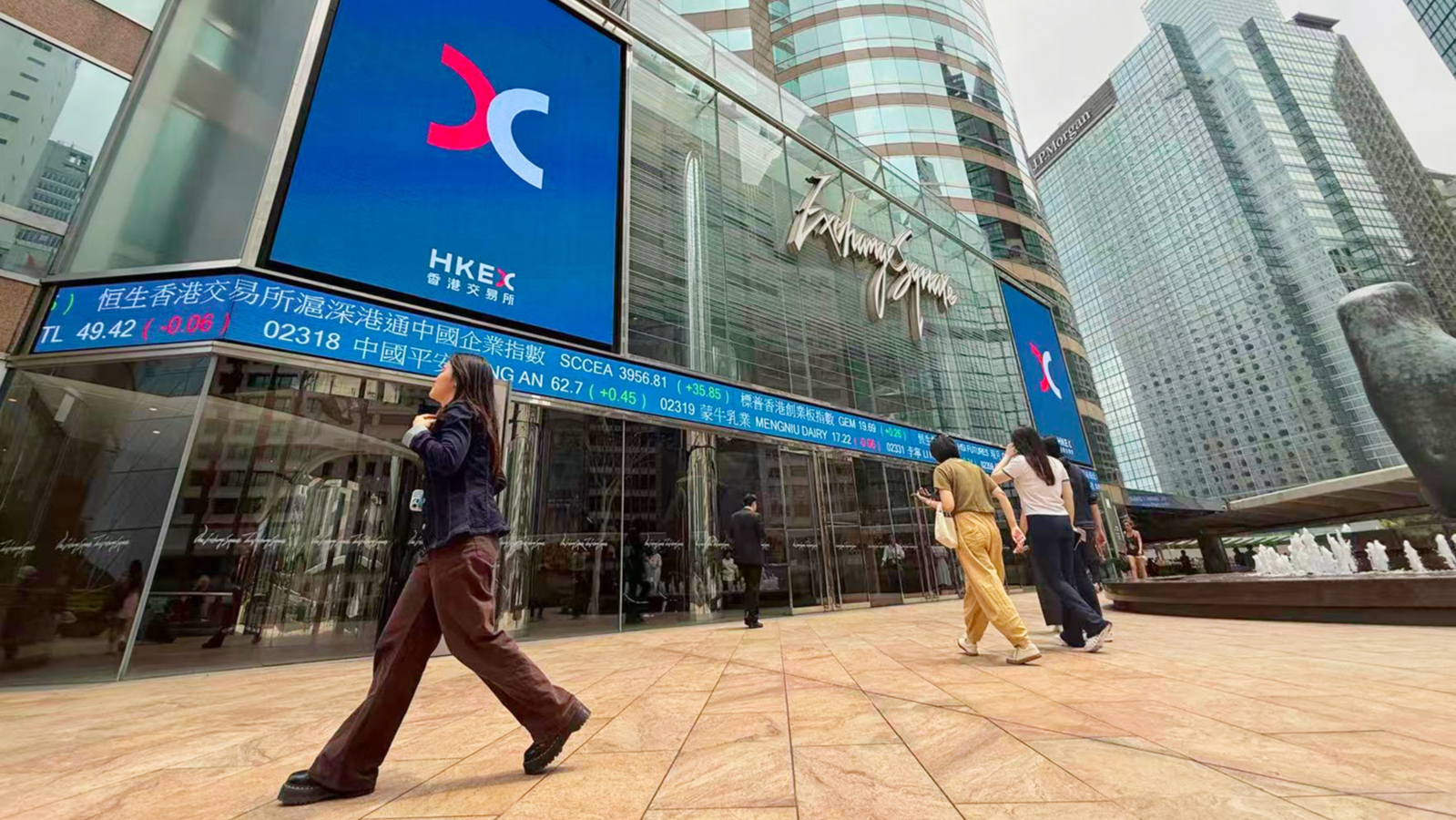
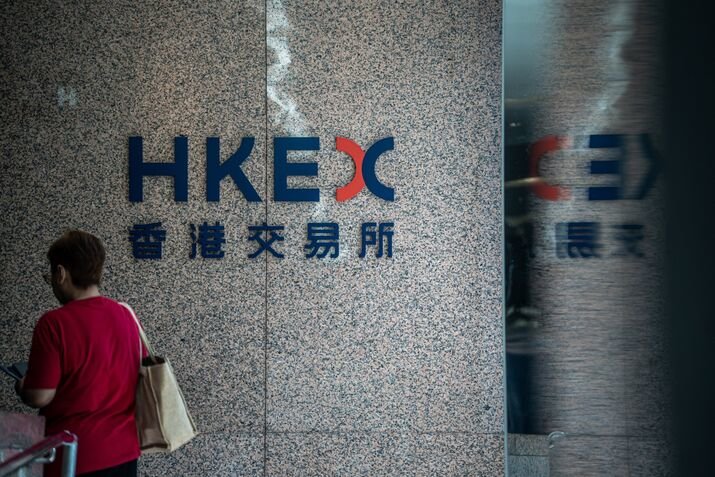
SYSTEM-DRIVEN market restructuring is reshaping Hong Kong’s technology benchmark as the Hang Seng Tech Index undergoes a scheduled rebalancing that will include Chinese artificial intelligence firms Zhipu and MiniMax.
The adjustment reflects how index composition in Hong Kong is increasingly influenced by the rapid expansion of China’s AI industry and its integration into publicly tracked equity portfolios.
What is confirmed is that Zhipu and MiniMax are set to be added to the Hang Seng Tech Index, a benchmark that tracks major technology-related companies listed in Hong Kong.
The index serves as a key reference point for global investors seeking exposure to Chinese technology equities, and changes to its composition can influence passive fund allocations, sector weighting, and investor sentiment.
Zhipu and MiniMax are part of a new generation of Chinese artificial intelligence companies that emerged in the post-large-language-model expansion cycle.
These firms focus on generative AI systems, including large language models, multimodal tools, and enterprise AI applications.
Their inclusion signals that the index provider considers them sufficiently representative of the evolving technology sector, even though many AI-native firms remain relatively young compared with established internet giants traditionally dominant in the index.
The Hang Seng Tech Index was created to track the performance of leading technology companies listed in Hong Kong, including firms across internet platforms, e-commerce, semiconductors, and digital services.
In recent years, its composition has increasingly reflected structural shifts in China’s technology economy, particularly the rise of artificial intelligence, cloud computing, and advanced software development as core growth sectors.
Index inclusion has practical consequences for capital flows.
Many exchange-traded funds and institutional investment products are structured to replicate benchmark indices.
When new companies are added, they can receive increased demand from passive investment vehicles, while also gaining visibility among global investors who use index membership as a signal of market maturity and liquidity.
The inclusion of AI-focused companies also highlights a broader competition among global financial centers to define the composition of emerging technology benchmarks.
As artificial intelligence becomes a central driver of productivity expectations and corporate valuation models, index providers are under pressure to reflect the sector more directly rather than relying on legacy internet and hardware names.
At the same time, index membership does not eliminate underlying volatility or regulatory risk.
China’s technology sector remains sensitive to policy direction, capital market access rules, and shifting regulatory frameworks governing data, algorithms, and platform governance.
These factors continue to influence investor risk assessments regardless of benchmark inclusion.
The rebalancing therefore represents both a recognition of structural change in China’s technology landscape and a recalibration of how Hong Kong’s equity indices map that transformation into global investment frameworks.
The adjustment reflects how index composition in Hong Kong is increasingly influenced by the rapid expansion of China’s AI industry and its integration into publicly tracked equity portfolios.
What is confirmed is that Zhipu and MiniMax are set to be added to the Hang Seng Tech Index, a benchmark that tracks major technology-related companies listed in Hong Kong.
The index serves as a key reference point for global investors seeking exposure to Chinese technology equities, and changes to its composition can influence passive fund allocations, sector weighting, and investor sentiment.
Zhipu and MiniMax are part of a new generation of Chinese artificial intelligence companies that emerged in the post-large-language-model expansion cycle.
These firms focus on generative AI systems, including large language models, multimodal tools, and enterprise AI applications.
Their inclusion signals that the index provider considers them sufficiently representative of the evolving technology sector, even though many AI-native firms remain relatively young compared with established internet giants traditionally dominant in the index.
The Hang Seng Tech Index was created to track the performance of leading technology companies listed in Hong Kong, including firms across internet platforms, e-commerce, semiconductors, and digital services.
In recent years, its composition has increasingly reflected structural shifts in China’s technology economy, particularly the rise of artificial intelligence, cloud computing, and advanced software development as core growth sectors.
Index inclusion has practical consequences for capital flows.
Many exchange-traded funds and institutional investment products are structured to replicate benchmark indices.
When new companies are added, they can receive increased demand from passive investment vehicles, while also gaining visibility among global investors who use index membership as a signal of market maturity and liquidity.
The inclusion of AI-focused companies also highlights a broader competition among global financial centers to define the composition of emerging technology benchmarks.
As artificial intelligence becomes a central driver of productivity expectations and corporate valuation models, index providers are under pressure to reflect the sector more directly rather than relying on legacy internet and hardware names.
At the same time, index membership does not eliminate underlying volatility or regulatory risk.
China’s technology sector remains sensitive to policy direction, capital market access rules, and shifting regulatory frameworks governing data, algorithms, and platform governance.
These factors continue to influence investor risk assessments regardless of benchmark inclusion.
The rebalancing therefore represents both a recognition of structural change in China’s technology landscape and a recalibration of how Hong Kong’s equity indices map that transformation into global investment frameworks.