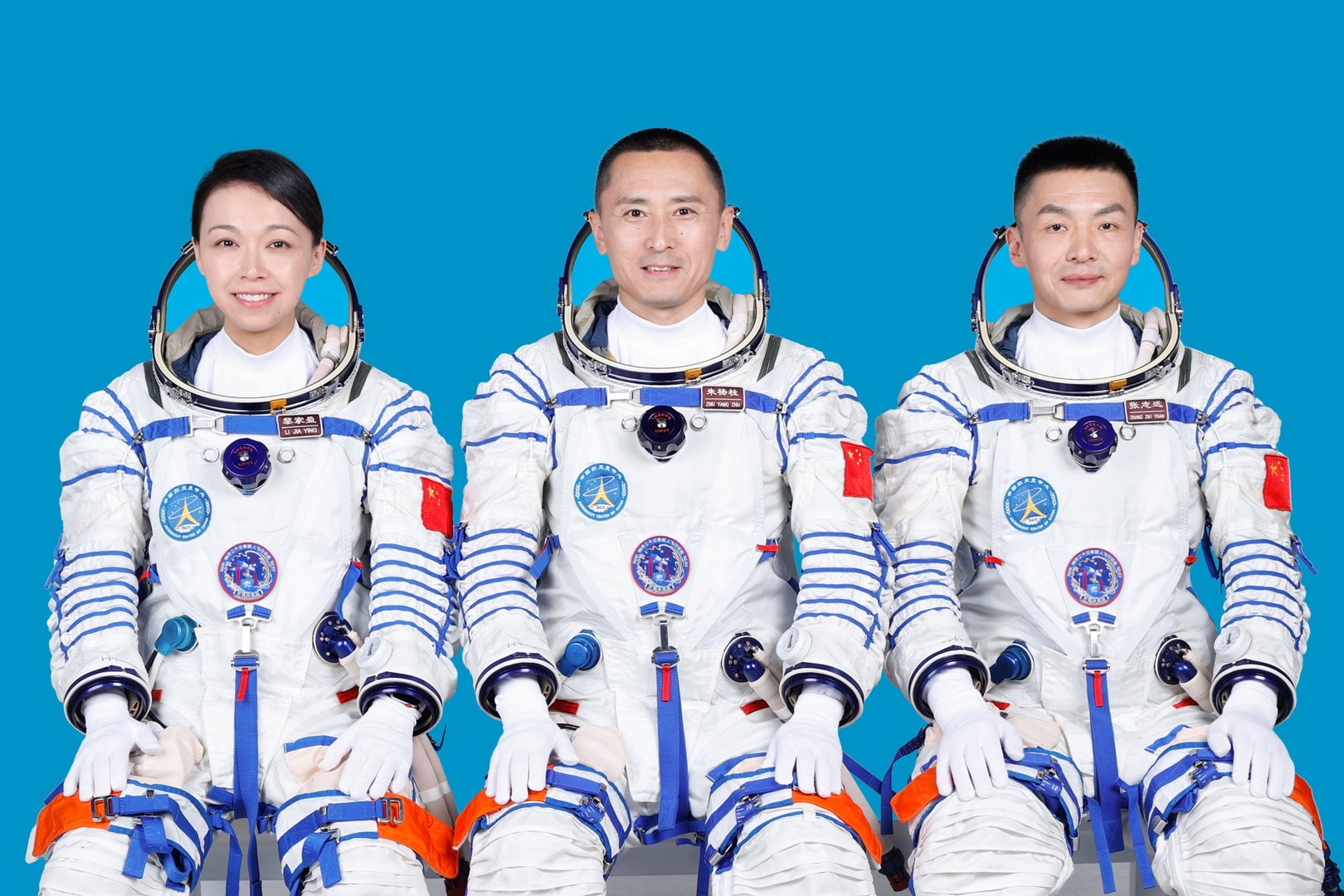
The Shenzhou-23 mission has turned former Hong Kong police officer Lai Ka-ying into a symbol of scientific integration, national identity, and China’s accelerating push for technological prestige.
China’s state-led space program is driving a wave of public attention and political symbolism in Hong Kong after Lai Ka-ying became the first astronaut from the city to travel into space aboard the Shenzhou-23 mission.
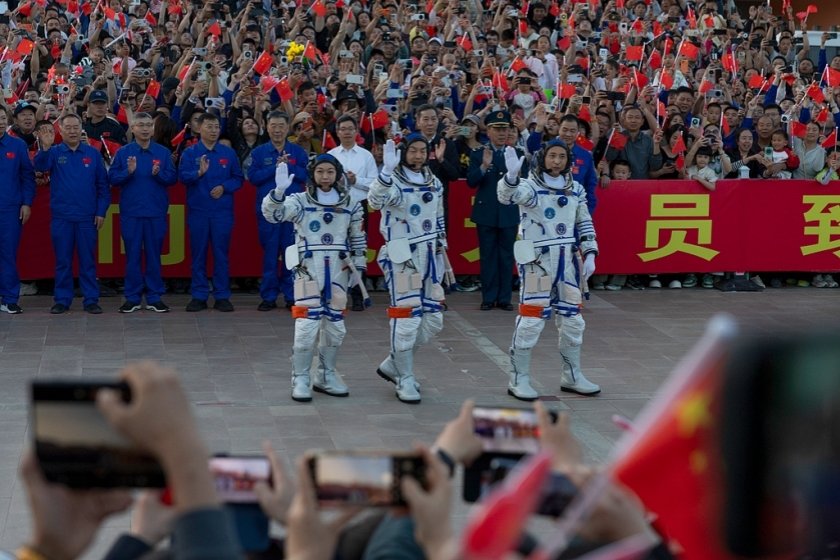
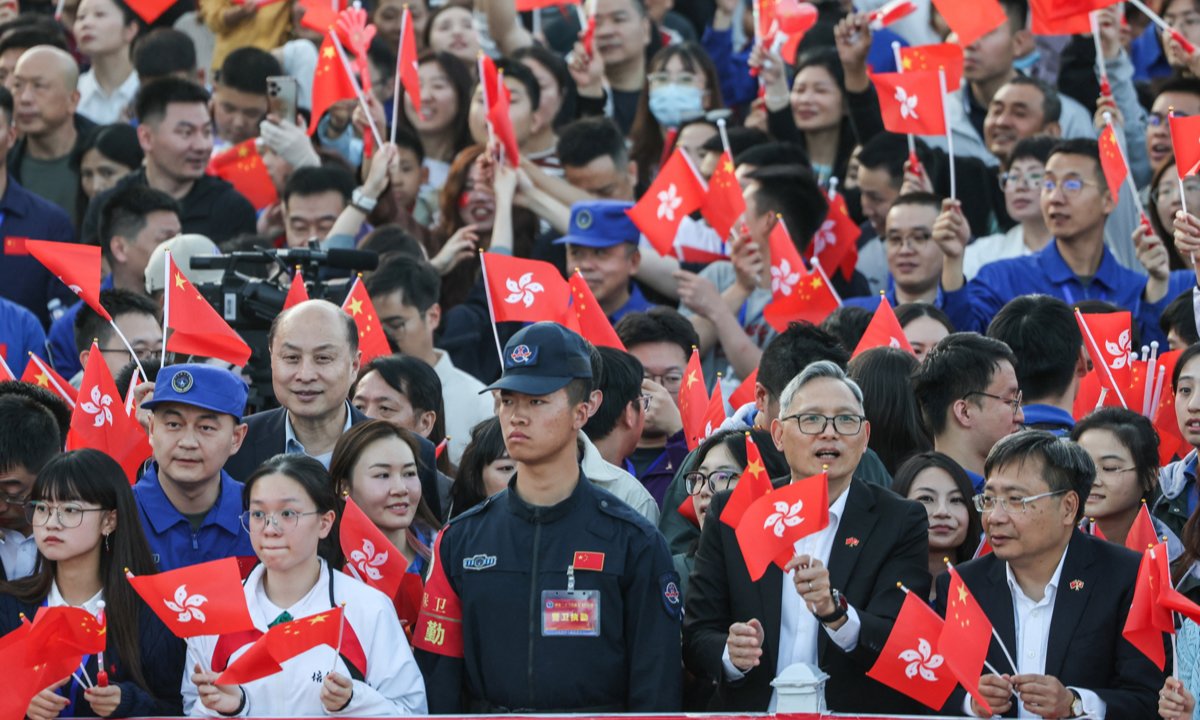
The launch has generated strong reactions across Hong Kong, where residents have described the mission as a rare moment of collective pride tied to science, technology, and the city’s role within China’s long-term strategic ambitions.
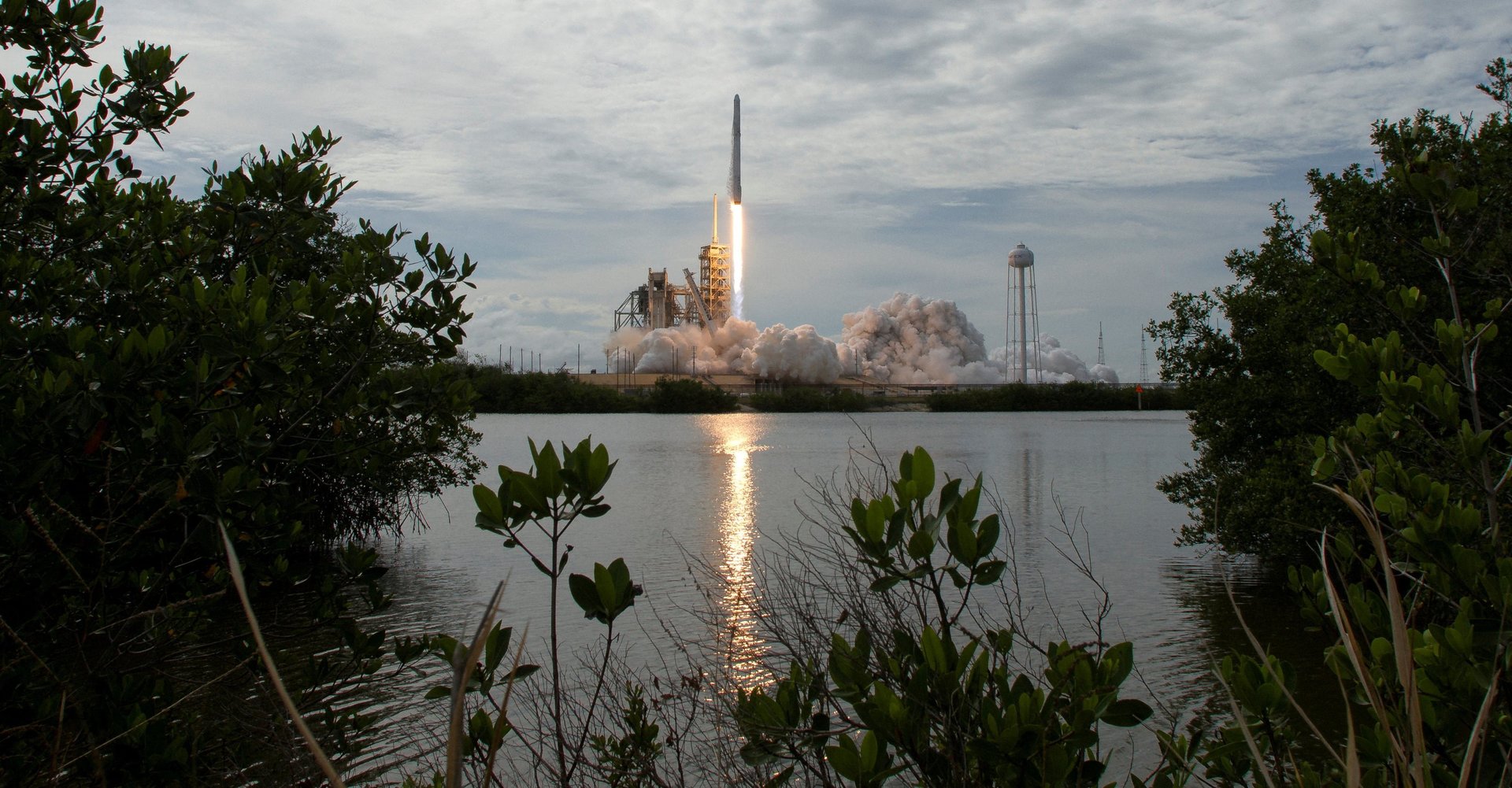
What is confirmed is that Lai Ka-ying joined the Shenzhou-23 crew as a payload specialist and lifted off from the Jiuquan Satellite Launch Center on May 24 aboard a Long March-2F rocket.
The mission is part of China’s expanding Tiangong space station program and includes scientific experiments connected to long-duration human spaceflight.
One crew member is expected to remain in orbit for a full year, a major milestone for China’s manned space program.
Lai’s participation carries unusual significance because she is not a military pilot, the traditional profile for Chinese astronauts.
She previously served as a senior officer in the Hong Kong Police Force and holds advanced academic qualifications in computer science and digital forensics.
Her selection reflects a broader shift in China’s astronaut recruitment strategy toward scientists, engineers, and technical specialists capable of supporting increasingly complex orbital research missions.
The reaction in Hong Kong has combined civic pride, political symbolism, and renewed interest in aerospace careers.
Schools, universities, and science organizations have rapidly organized viewing events, public discussions, and educational campaigns around the mission.
Online discussion across Hong Kong platforms showed many residents celebrating the breakthrough as proof that people from the city can participate directly in major national scientific programs.
The emotional impact is partly generational.
For many younger Hong Kong residents, China’s space program has evolved from a distant mainland achievement into something personally identifiable.
Lai was repeatedly described in public commentary as an “ordinary Hong Kong person” who reached an extraordinary national platform through technical education and professional discipline rather than elite political status.
At the same time, reactions have not been universally celebratory.
The mission has also exposed the political complexity surrounding identity and integration in post-2019 Hong Kong.
Some critics questioned the highly nationalistic framing surrounding the launch, while others debated whether the event represented genuine scientific inclusion or political messaging tied to Beijing’s efforts to strengthen national cohesion in the city.
Those tensions matter because China’s space program increasingly serves multiple functions simultaneously.
It is a scientific and industrial project, but it is also a geopolitical instrument, a prestige platform, and a domestic political narrative about national modernization.
Hong Kong’s first astronaut therefore carries symbolic value beyond the technical details of the mission itself.
The broader context is China’s accelerating competition in space exploration.
Beijing is rapidly expanding its orbital capabilities after being excluded from direct participation in the International Space Station partnership led by the United States and its allies.
Since launching the Tiangong station in 2021, China has increased the pace of crewed missions, cargo resupply launches, scientific experiments, and lunar planning.
China is openly targeting a crewed moon landing before 2030 and is developing long-term plans for a permanent lunar research base with international partners.
The Shenzhou-23 mission supports those ambitions through endurance research, automated docking tests, and studies tied to prolonged human habitation in orbit.
Lai’s flight also highlights Beijing’s strategy of integrating Hong Kong more deeply into national technology initiatives.
Authorities have increasingly promoted the Greater Bay Area as a combined innovation corridor linking Hong Kong, Macau, Shenzhen, and southern Chinese manufacturing and research centers.
Aerospace development, artificial intelligence, biotechnology, and advanced computing are central components of that strategy.
The key issue is that Hong Kong’s economy has long depended on finance, property, and logistics, sectors now facing structural pressure from geopolitical rivalry, slower Chinese growth, and regional competition.
Beijing and the Hong Kong government are therefore pushing harder to position the city as a contributor to high-end scientific and technological development rather than solely an international financial gateway.
For China’s leadership, the optics are powerful.
A Hong Kong-born astronaut participating in a high-profile national mission reinforces the image of integration through achievement rather than confrontation.
For many Hong Kong residents, however, the reaction is less ideological and more practical: they see a visible example of scientific advancement tied to education, engineering, and upward mobility.
The mission has already produced measurable institutional consequences.
Universities and technology agencies in Hong Kong are increasing promotion of aerospace-related research programs, STEM education initiatives, and cooperation projects with mainland laboratories.
Interest in space science courses and public science outreach programs has risen sharply following the launch coverage.
Lai herself has become central to that messaging.
Her background as a working professional, academic researcher, police officer, wife, and mother has been emphasized heavily in official communications.
Supporters argue that profile broadens public perceptions of who can participate in advanced scientific fields and helps normalize the idea of civilian astronauts outside military structures.
The mission also demonstrates how modern space programs increasingly operate as instruments of soft power.
Astronauts are no longer viewed solely as technical operators.
They function as national representatives, educational symbols, and public-facing ambassadors for state capability.
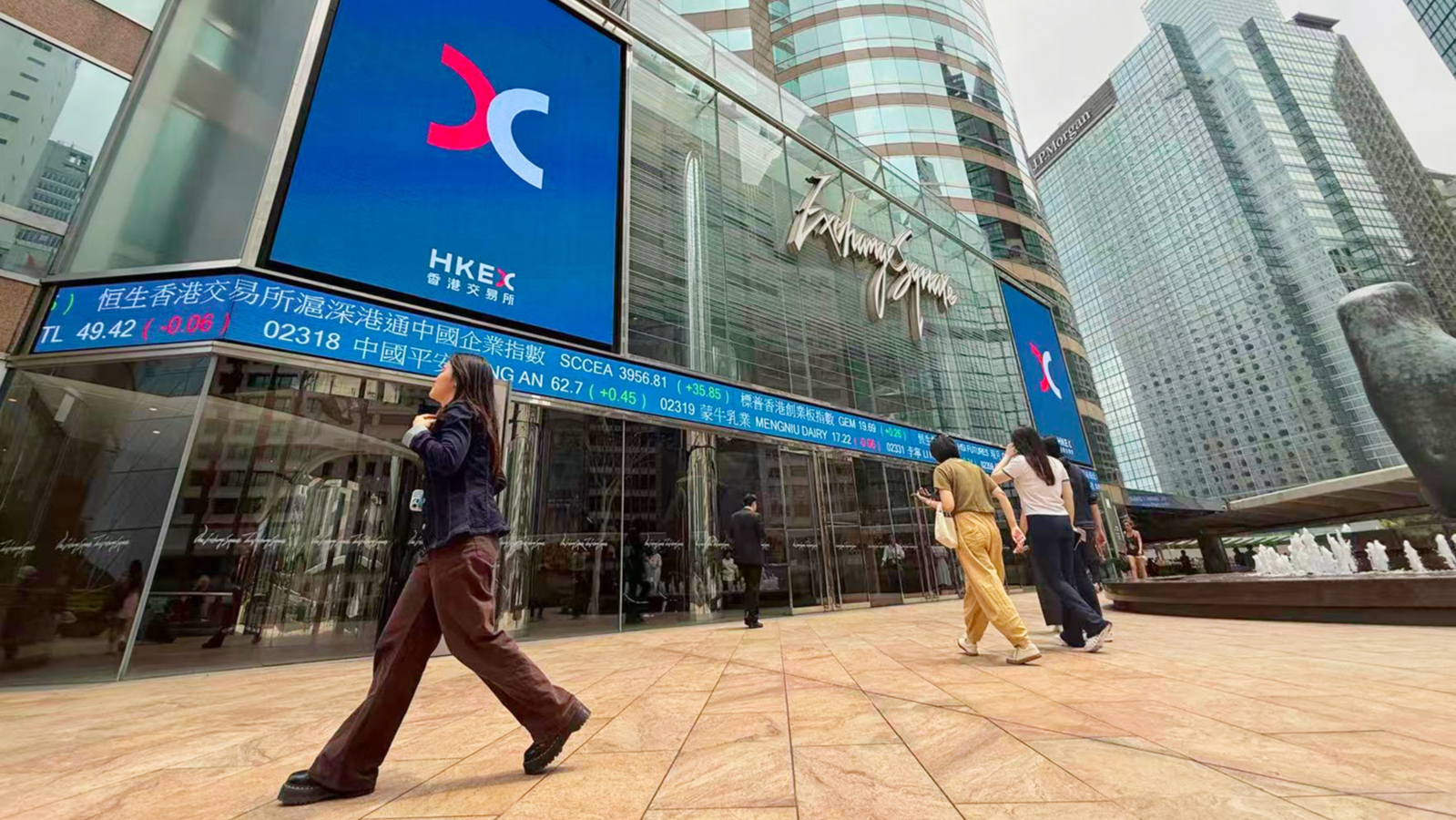
For Hong Kong, the immediate result is a rare moment in which science rather than finance, political conflict, or property markets has dominated public attention.
The launch has tied the city directly to one of China’s most strategically important technological projects at a time when Beijing is investing heavily in long-term scientific competition with the United States and other major powers.
The successful launch of Shenzhou-23 and Lai Ka-ying’s arrival in orbit have now formally placed Hong Kong inside China’s manned spaceflight history, turning a regional milestone into a national showcase for technological ambition and political integration.
The launch has generated strong reactions across Hong Kong, where residents have described the mission as a rare moment of collective pride tied to science, technology, and the city’s role within China’s long-term strategic ambitions.
What is confirmed is that Lai Ka-ying joined the Shenzhou-23 crew as a payload specialist and lifted off from the Jiuquan Satellite Launch Center on May 24 aboard a Long March-2F rocket.
The mission is part of China’s expanding Tiangong space station program and includes scientific experiments connected to long-duration human spaceflight.
One crew member is expected to remain in orbit for a full year, a major milestone for China’s manned space program.
Lai’s participation carries unusual significance because she is not a military pilot, the traditional profile for Chinese astronauts.
She previously served as a senior officer in the Hong Kong Police Force and holds advanced academic qualifications in computer science and digital forensics.
Her selection reflects a broader shift in China’s astronaut recruitment strategy toward scientists, engineers, and technical specialists capable of supporting increasingly complex orbital research missions.
The reaction in Hong Kong has combined civic pride, political symbolism, and renewed interest in aerospace careers.
Schools, universities, and science organizations have rapidly organized viewing events, public discussions, and educational campaigns around the mission.
Online discussion across Hong Kong platforms showed many residents celebrating the breakthrough as proof that people from the city can participate directly in major national scientific programs.
The emotional impact is partly generational.
For many younger Hong Kong residents, China’s space program has evolved from a distant mainland achievement into something personally identifiable.
Lai was repeatedly described in public commentary as an “ordinary Hong Kong person” who reached an extraordinary national platform through technical education and professional discipline rather than elite political status.
At the same time, reactions have not been universally celebratory.
The mission has also exposed the political complexity surrounding identity and integration in post-2019 Hong Kong.
Some critics questioned the highly nationalistic framing surrounding the launch, while others debated whether the event represented genuine scientific inclusion or political messaging tied to Beijing’s efforts to strengthen national cohesion in the city.
Those tensions matter because China’s space program increasingly serves multiple functions simultaneously.
It is a scientific and industrial project, but it is also a geopolitical instrument, a prestige platform, and a domestic political narrative about national modernization.
Hong Kong’s first astronaut therefore carries symbolic value beyond the technical details of the mission itself.
The broader context is China’s accelerating competition in space exploration.
Beijing is rapidly expanding its orbital capabilities after being excluded from direct participation in the International Space Station partnership led by the United States and its allies.
Since launching the Tiangong station in 2021, China has increased the pace of crewed missions, cargo resupply launches, scientific experiments, and lunar planning.
China is openly targeting a crewed moon landing before 2030 and is developing long-term plans for a permanent lunar research base with international partners.
The Shenzhou-23 mission supports those ambitions through endurance research, automated docking tests, and studies tied to prolonged human habitation in orbit.
Lai’s flight also highlights Beijing’s strategy of integrating Hong Kong more deeply into national technology initiatives.
Authorities have increasingly promoted the Greater Bay Area as a combined innovation corridor linking Hong Kong, Macau, Shenzhen, and southern Chinese manufacturing and research centers.
Aerospace development, artificial intelligence, biotechnology, and advanced computing are central components of that strategy.
The key issue is that Hong Kong’s economy has long depended on finance, property, and logistics, sectors now facing structural pressure from geopolitical rivalry, slower Chinese growth, and regional competition.
Beijing and the Hong Kong government are therefore pushing harder to position the city as a contributor to high-end scientific and technological development rather than solely an international financial gateway.
For China’s leadership, the optics are powerful.
A Hong Kong-born astronaut participating in a high-profile national mission reinforces the image of integration through achievement rather than confrontation.
For many Hong Kong residents, however, the reaction is less ideological and more practical: they see a visible example of scientific advancement tied to education, engineering, and upward mobility.
The mission has already produced measurable institutional consequences.
Universities and technology agencies in Hong Kong are increasing promotion of aerospace-related research programs, STEM education initiatives, and cooperation projects with mainland laboratories.
Interest in space science courses and public science outreach programs has risen sharply following the launch coverage.
Lai herself has become central to that messaging.
Her background as a working professional, academic researcher, police officer, wife, and mother has been emphasized heavily in official communications.
Supporters argue that profile broadens public perceptions of who can participate in advanced scientific fields and helps normalize the idea of civilian astronauts outside military structures.
The mission also demonstrates how modern space programs increasingly operate as instruments of soft power.
Astronauts are no longer viewed solely as technical operators.
They function as national representatives, educational symbols, and public-facing ambassadors for state capability.
For Hong Kong, the immediate result is a rare moment in which science rather than finance, political conflict, or property markets has dominated public attention.
The launch has tied the city directly to one of China’s most strategically important technological projects at a time when Beijing is investing heavily in long-term scientific competition with the United States and other major powers.
The successful launch of Shenzhou-23 and Lai Ka-ying’s arrival in orbit have now formally placed Hong Kong inside China’s manned spaceflight history, turning a regional milestone into a national showcase for technological ambition and political integration.