New forum underscores Hong Kong’s strategy to position itself as a center for cross-border mediation amid shifting global legal and commercial tensions
SYSTEM-DRIVEN institutional competition in international legal services is shaping Hong Kong’s hosting of the inaugural Global Mediation Summit, an event designed to strengthen its position as a global hub for dispute resolution in cross-border commercial and diplomatic conflicts.
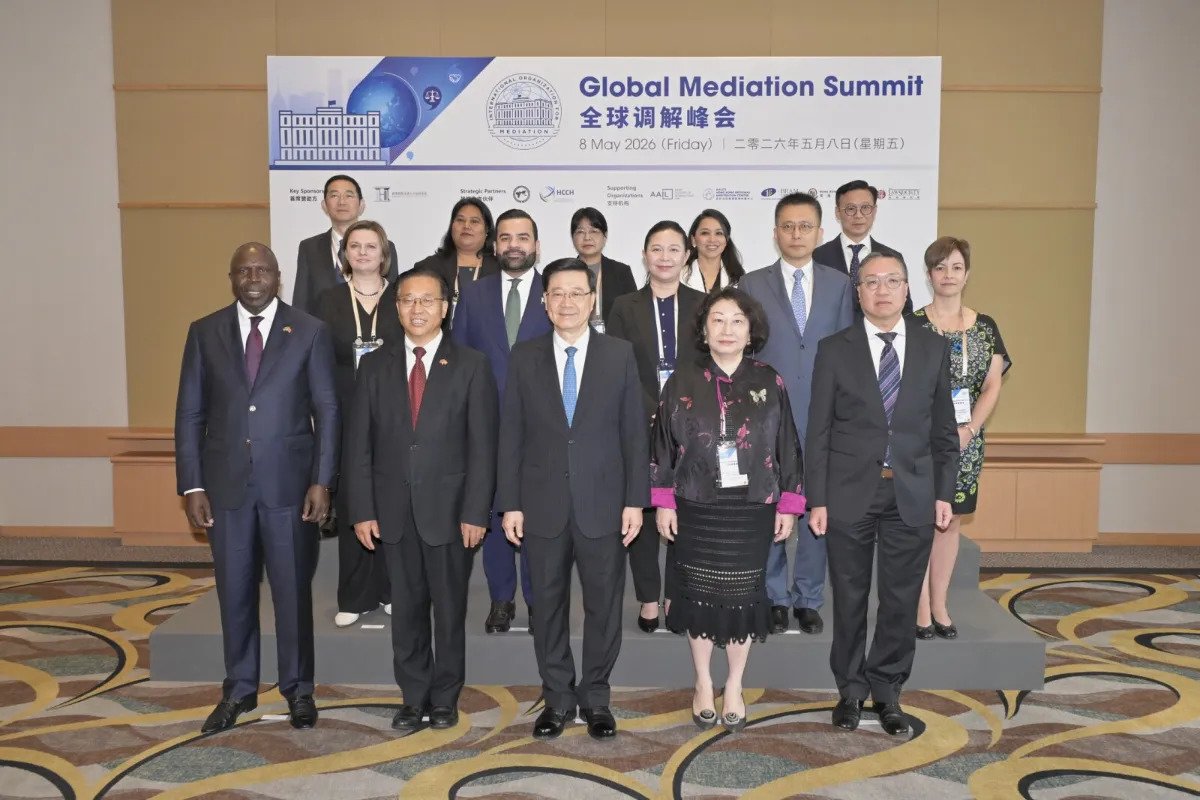
What is confirmed is that Hong Kong hosted the first Global Mediation Summit as part of a broader initiative to promote mediation as a preferred mechanism for resolving international disputes.
The summit brought together legal experts, policymakers, and institutional representatives to discuss frameworks for mediation in commercial, investment, and interstate disputes, reflecting the growing institutionalization of alternative dispute resolution mechanisms.
Mediation differs from litigation and arbitration in that it is non-binding unless an agreement is reached, relying on facilitated negotiation rather than judicial or tribunal rulings.
Governments and international organizations increasingly promote mediation because it can reduce legal costs, shorten dispute timelines, and lower geopolitical friction in cross-border commercial conflicts.
The strategic importance of the summit lies in Hong Kong’s long-standing role as a bridge between common law legal traditions and Asia’s rapidly expanding commercial markets.
The city has historically served as a venue for arbitration and international contract enforcement, supported by a legal system that incorporates elements of common law while operating under Chinese sovereignty.
In recent years, however, Hong Kong has faced increasing competition from other legal and arbitration centers in Asia and the Middle East.
Cities such as Singapore and Dubai have invested heavily in legal infrastructure, international arbitration courts, and mediation institutions, intensifying competition for cross-border dispute resolution business.
The Global Mediation Summit is part of Hong Kong’s effort to respond to that competition by emphasizing mediation as a complementary and less adversarial alternative to arbitration.
Supporters argue that mediation aligns with the growing preference among multinational corporations for flexible, confidential dispute resolution processes that preserve commercial relationships.
The stakes extend beyond legal services into broader economic positioning.
International dispute resolution is a high-value sector that attracts legal firms, financial institutions, and multinational corporations.
Strengthening this ecosystem can reinforce Hong Kong’s role as a regional financial center, particularly at a time when global capital flows and regulatory fragmentation are reshaping financial geography.
At the institutional level, the summit also reflects a broader global trend toward formalizing mediation frameworks through treaties, model laws, and institutional partnerships.
Efforts such as international mediation conventions and cross-border enforcement agreements are designed to make mediated settlements more predictable and enforceable across jurisdictions.
However, the effectiveness of mediation as a global system depends on trust in enforcement mechanisms and the willingness of parties to participate in good faith.
Unlike court judgments or arbitral awards, mediated agreements rely heavily on voluntary compliance unless subsequently converted into legally binding contracts.
The immediate consequence of the summit is enhanced visibility for Hong Kong’s mediation agenda and increased engagement with international legal stakeholders.
The longer-term implication is continued competition among global cities to define themselves as preferred venues for resolving high-value cross-border disputes in an increasingly fragmented geopolitical environment.
What is confirmed is that Hong Kong hosted the first Global Mediation Summit as part of a broader initiative to promote mediation as a preferred mechanism for resolving international disputes.
The summit brought together legal experts, policymakers, and institutional representatives to discuss frameworks for mediation in commercial, investment, and interstate disputes, reflecting the growing institutionalization of alternative dispute resolution mechanisms.
Mediation differs from litigation and arbitration in that it is non-binding unless an agreement is reached, relying on facilitated negotiation rather than judicial or tribunal rulings.
Governments and international organizations increasingly promote mediation because it can reduce legal costs, shorten dispute timelines, and lower geopolitical friction in cross-border commercial conflicts.
The strategic importance of the summit lies in Hong Kong’s long-standing role as a bridge between common law legal traditions and Asia’s rapidly expanding commercial markets.
The city has historically served as a venue for arbitration and international contract enforcement, supported by a legal system that incorporates elements of common law while operating under Chinese sovereignty.
In recent years, however, Hong Kong has faced increasing competition from other legal and arbitration centers in Asia and the Middle East.
Cities such as Singapore and Dubai have invested heavily in legal infrastructure, international arbitration courts, and mediation institutions, intensifying competition for cross-border dispute resolution business.
The Global Mediation Summit is part of Hong Kong’s effort to respond to that competition by emphasizing mediation as a complementary and less adversarial alternative to arbitration.
Supporters argue that mediation aligns with the growing preference among multinational corporations for flexible, confidential dispute resolution processes that preserve commercial relationships.
The stakes extend beyond legal services into broader economic positioning.
International dispute resolution is a high-value sector that attracts legal firms, financial institutions, and multinational corporations.
Strengthening this ecosystem can reinforce Hong Kong’s role as a regional financial center, particularly at a time when global capital flows and regulatory fragmentation are reshaping financial geography.
At the institutional level, the summit also reflects a broader global trend toward formalizing mediation frameworks through treaties, model laws, and institutional partnerships.
Efforts such as international mediation conventions and cross-border enforcement agreements are designed to make mediated settlements more predictable and enforceable across jurisdictions.
However, the effectiveness of mediation as a global system depends on trust in enforcement mechanisms and the willingness of parties to participate in good faith.
Unlike court judgments or arbitral awards, mediated agreements rely heavily on voluntary compliance unless subsequently converted into legally binding contracts.
The immediate consequence of the summit is enhanced visibility for Hong Kong’s mediation agenda and increased engagement with international legal stakeholders.
The longer-term implication is continued competition among global cities to define themselves as preferred venues for resolving high-value cross-border disputes in an increasingly fragmented geopolitical environment.