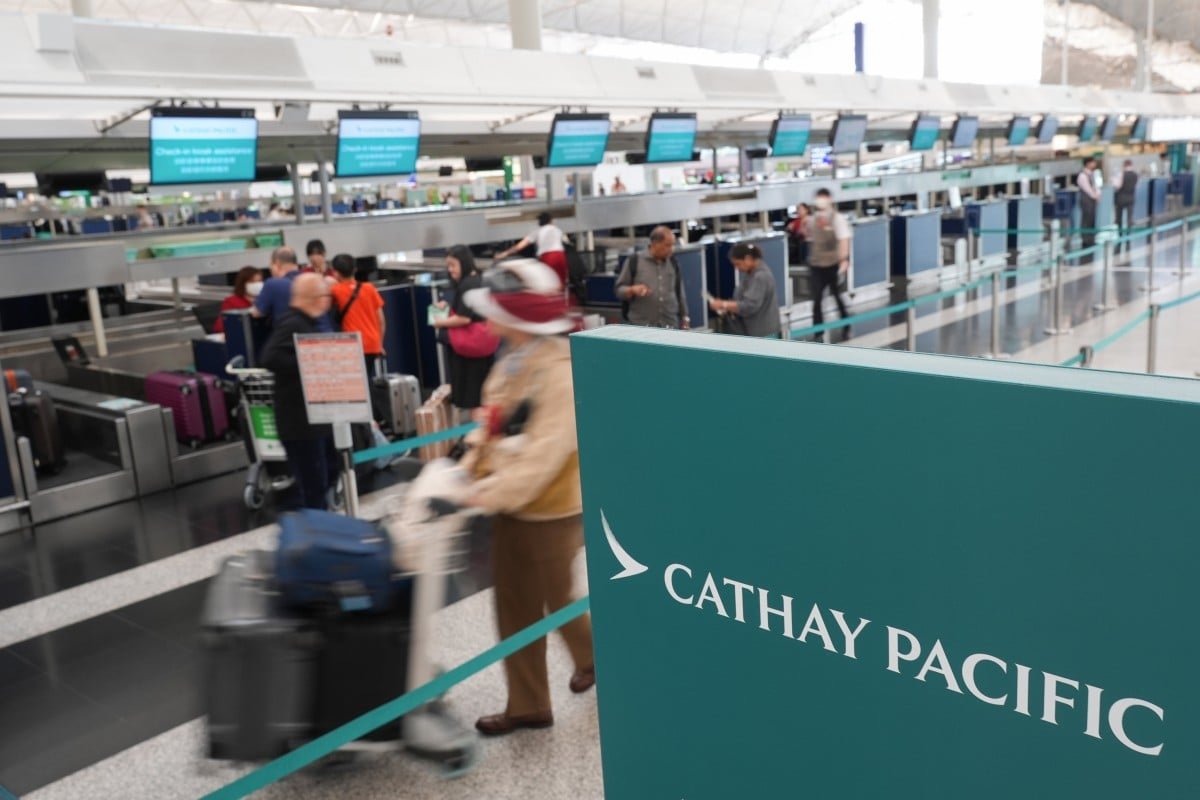
Hong Kong’s flagship airline will reduce passenger fuel surcharges by up to 12.9 percent from mid-May after weeks of sharp increases tied to Middle East energy disruption.
Cathay Pacific’s fuel surcharge system is driving a new adjustment in Hong Kong aviation pricing after the airline confirmed it will reduce extra fuel fees on most passenger flights from May 16. The move follows weeks of steep surcharge increases triggered by a surge in global jet-fuel prices linked to conflict and supply disruption in the Middle East.
What is confirmed is that Cathay Pacific will cut long-haul passenger fuel surcharges by about HK$200 per sector, reducing the fee from HK$1,560 to HK$1,362.
Medium-haul surcharges will fall from HK$725 to HK$633, while short-haul fees will decline from HK$389 to HK$339.
The reductions amount to cuts of up to 12.9 percent depending on route category.
The adjustment comes after an unusually aggressive series of fare increases earlier in the year.
In March, Cathay raised fuel surcharges by roughly one-third after jet-fuel prices climbed sharply during escalating instability in the Middle East.
The airline also shifted to a temporary two-week review cycle for surcharge calculations, abandoning the slower adjustment timetable typically used during more stable market conditions.
Fuel surcharges are separate from base ticket prices.
Airlines impose them to recover part of the cost increases associated with jet fuel, one of the industry’s largest operating expenses.
Cathay has said fuel represented roughly 30 percent of its operating costs in 2025. Unlike fixed ticket fares sold months in advance, surcharges allow carriers to react quickly to volatile energy markets without fully restructuring published fares.
The broader aviation industry has been under pressure since energy prices accelerated earlier this year.
Several international carriers increased ticket prices, reduced flight frequencies or revised profit expectations as refinery costs and fuel procurement expenses rose.
Cathay itself announced temporary reductions in scheduled flights between May and June, citing pressure from higher fuel costs and operational disruption linked to regional instability.
The latest surcharge reduction signals that fuel-cost pressures may be stabilising, although prices remain well above pre-crisis levels.
Cathay’s decision does not fully reverse the increases imposed in March and April.
Even after the reduction, passengers on long-haul routes departing Hong Kong will still pay substantially higher fuel fees than earlier this year.
The cuts also highlight how exposed Asian airlines remain to geopolitical energy shocks.
Many carriers hedge part of their fuel purchases through financial contracts designed to smooth price swings, but hedging strategies vary widely.
Cathay has acknowledged that parts of its fuel exposure, particularly refinery-related costs, remain vulnerable during sudden price spikes.
For travellers, the practical impact depends on route length and booking timing.
Fuel surcharges generally apply only to newly issued tickets after the revised rates take effect.
Existing bookings are typically unaffected once purchased.
The reductions are therefore more likely to influence future summer travel demand than lower costs for passengers who already bought tickets during the peak surcharge period.
Hong Kong authorities publicly welcomed the lower charges, reflecting broader concerns about maintaining the city’s aviation competitiveness.
Hong Kong International Airport is rebuilding passenger traffic and transit activity after years of pandemic disruption and regional competition from airports in mainland China and Singapore.
Higher ticket costs risk slowing that recovery, particularly for price-sensitive regional travel.
Cathay has framed the surcharge mechanism as a temporary response to extraordinary market conditions rather than a permanent fare reset.
The airline says it will continue reviewing fuel charges every two weeks to reflect changes in jet-fuel markets more rapidly.
The immediate consequence is a modest easing in airfare pressure across Cathay’s network, but the larger message is that global aviation pricing remains tightly tied to geopolitical energy risk.
Airlines across Asia are now managing routes, schedules and passenger demand in an environment where fuel markets can shift dramatically within days, and Cathay’s repeated surcharge revisions have become one of the clearest indicators of that instability.
What is confirmed is that Cathay Pacific will cut long-haul passenger fuel surcharges by about HK$200 per sector, reducing the fee from HK$1,560 to HK$1,362.
Medium-haul surcharges will fall from HK$725 to HK$633, while short-haul fees will decline from HK$389 to HK$339.
The reductions amount to cuts of up to 12.9 percent depending on route category.
The adjustment comes after an unusually aggressive series of fare increases earlier in the year.
In March, Cathay raised fuel surcharges by roughly one-third after jet-fuel prices climbed sharply during escalating instability in the Middle East.
The airline also shifted to a temporary two-week review cycle for surcharge calculations, abandoning the slower adjustment timetable typically used during more stable market conditions.
Fuel surcharges are separate from base ticket prices.
Airlines impose them to recover part of the cost increases associated with jet fuel, one of the industry’s largest operating expenses.
Cathay has said fuel represented roughly 30 percent of its operating costs in 2025. Unlike fixed ticket fares sold months in advance, surcharges allow carriers to react quickly to volatile energy markets without fully restructuring published fares.
The broader aviation industry has been under pressure since energy prices accelerated earlier this year.
Several international carriers increased ticket prices, reduced flight frequencies or revised profit expectations as refinery costs and fuel procurement expenses rose.
Cathay itself announced temporary reductions in scheduled flights between May and June, citing pressure from higher fuel costs and operational disruption linked to regional instability.
The latest surcharge reduction signals that fuel-cost pressures may be stabilising, although prices remain well above pre-crisis levels.
Cathay’s decision does not fully reverse the increases imposed in March and April.
Even after the reduction, passengers on long-haul routes departing Hong Kong will still pay substantially higher fuel fees than earlier this year.
The cuts also highlight how exposed Asian airlines remain to geopolitical energy shocks.
Many carriers hedge part of their fuel purchases through financial contracts designed to smooth price swings, but hedging strategies vary widely.
Cathay has acknowledged that parts of its fuel exposure, particularly refinery-related costs, remain vulnerable during sudden price spikes.
For travellers, the practical impact depends on route length and booking timing.
Fuel surcharges generally apply only to newly issued tickets after the revised rates take effect.
Existing bookings are typically unaffected once purchased.
The reductions are therefore more likely to influence future summer travel demand than lower costs for passengers who already bought tickets during the peak surcharge period.
Hong Kong authorities publicly welcomed the lower charges, reflecting broader concerns about maintaining the city’s aviation competitiveness.
Hong Kong International Airport is rebuilding passenger traffic and transit activity after years of pandemic disruption and regional competition from airports in mainland China and Singapore.
Higher ticket costs risk slowing that recovery, particularly for price-sensitive regional travel.
Cathay has framed the surcharge mechanism as a temporary response to extraordinary market conditions rather than a permanent fare reset.
The airline says it will continue reviewing fuel charges every two weeks to reflect changes in jet-fuel markets more rapidly.
The immediate consequence is a modest easing in airfare pressure across Cathay’s network, but the larger message is that global aviation pricing remains tightly tied to geopolitical energy risk.
Airlines across Asia are now managing routes, schedules and passenger demand in an environment where fuel markets can shift dramatically within days, and Cathay’s repeated surcharge revisions have become one of the clearest indicators of that instability.