Reports of alleged assistance to fugitive former Prime Minister Sher Bahadur Deuba and his wife intensify political and legal pressure as Nepal pursues cross-border enforcement
An ACTOR-DRIVEN diplomatic controversy is unfolding around Nepal’s consular presence in Hong Kong, as authorities investigate allegations that a senior Nepali diplomatic official may have assisted former Prime Minister Sher Bahadur Deuba and his wife, former Foreign Minister Arzu Rana Deuba, while they are abroad under money laundering investigation.
What is confirmed is that Nepalese authorities have issued arrest warrants against Sher Bahadur Deuba and Arzu Rana Deuba in connection with an ongoing money laundering probe led by Nepal’s Department of Money Laundering Investigation.
The warrants were issued through the Kathmandu District Court, and both individuals have been placed on a fugitive list as they remain outside Nepal’s jurisdiction.
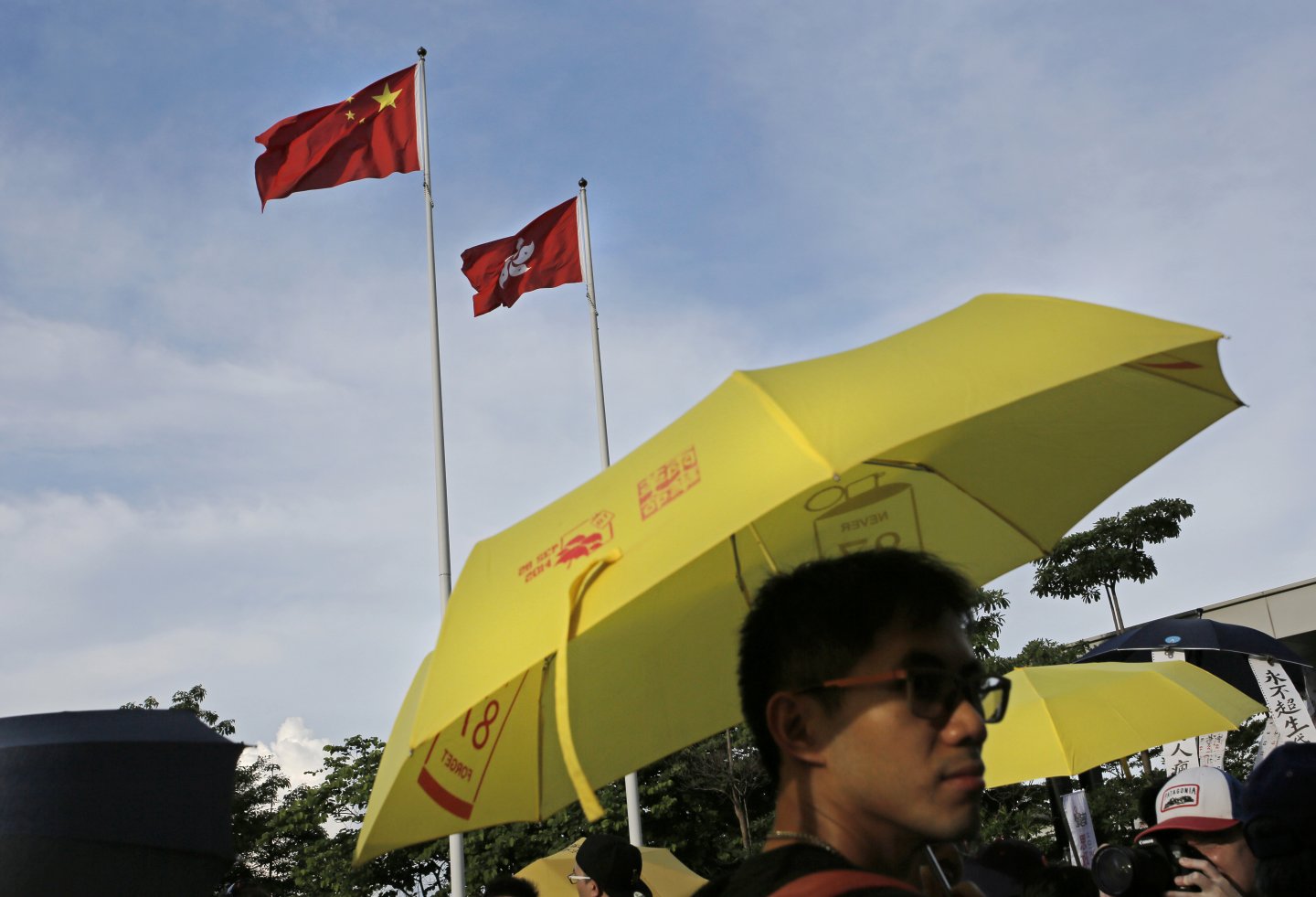
The Deuba couple is currently believed to be abroad, with multiple investigative reports indicating they have been in Hong Kong following travel through Singapore.
The case is part of a broader financial investigation involving senior political figures and their family members, focused on the origin and legality of substantial assets under their control.
The new and developing element of the story centers on allegations that a Nepali diplomatic official based in Hong Kong may have assisted the couple while they were in the territory.
The nature of the alleged assistance has not been formally detailed in court filings, and no public disciplinary outcome has been confirmed against any named diplomatic staff at this stage.
The key issue is the legal and diplomatic sensitivity of the case.
If a serving consular official is found to have facilitated the movement, protection, or logistical support of individuals under active arrest warrants, it could trigger both domestic legal consequences and international diplomatic complications.
Such conduct would raise questions about compliance with host-country obligations and Nepal’s own internal governance standards for diplomatic missions.
At the same time, the legal case against the Deubas remains in its early enforcement phase.
Authorities have indicated that steps such as international notices through Interpol could be pursued to secure cooperation from foreign jurisdictions, although such processes depend on evidentiary thresholds and bilateral or multilateral legal frameworks.
The broader context is a widening anti–money laundering investigation in Nepal that has drawn in multiple senior political figures and their networks.
The case reflects an intensified effort by state investigative bodies to trace financial flows, freeze assets, and pursue suspects beyond national borders when necessary.
Diplomatic experts note that allegations involving consular staff, if substantiated, would place additional pressure on Nepal’s foreign service oversight mechanisms, particularly in jurisdictions such as Hong Kong where extradition and enforcement cooperation depend on specific legal channels rather than automatic transfers.
For now, the allegations regarding the Hong Kong-based diplomat remain unproven in the public record, while the arrest warrants against the Deubas are formally in effect and enforcement actions continue to be explored through international legal cooperation frameworks.
The situation has evolved into a combined legal and diplomatic test case, where domestic corruption investigations intersect with the operational limits of cross-border enforcement and the conduct of state representatives abroad.
What is confirmed is that Nepalese authorities have issued arrest warrants against Sher Bahadur Deuba and Arzu Rana Deuba in connection with an ongoing money laundering probe led by Nepal’s Department of Money Laundering Investigation.
The warrants were issued through the Kathmandu District Court, and both individuals have been placed on a fugitive list as they remain outside Nepal’s jurisdiction.
The Deuba couple is currently believed to be abroad, with multiple investigative reports indicating they have been in Hong Kong following travel through Singapore.
The case is part of a broader financial investigation involving senior political figures and their family members, focused on the origin and legality of substantial assets under their control.
The new and developing element of the story centers on allegations that a Nepali diplomatic official based in Hong Kong may have assisted the couple while they were in the territory.
The nature of the alleged assistance has not been formally detailed in court filings, and no public disciplinary outcome has been confirmed against any named diplomatic staff at this stage.
The key issue is the legal and diplomatic sensitivity of the case.
If a serving consular official is found to have facilitated the movement, protection, or logistical support of individuals under active arrest warrants, it could trigger both domestic legal consequences and international diplomatic complications.
Such conduct would raise questions about compliance with host-country obligations and Nepal’s own internal governance standards for diplomatic missions.
At the same time, the legal case against the Deubas remains in its early enforcement phase.
Authorities have indicated that steps such as international notices through Interpol could be pursued to secure cooperation from foreign jurisdictions, although such processes depend on evidentiary thresholds and bilateral or multilateral legal frameworks.
The broader context is a widening anti–money laundering investigation in Nepal that has drawn in multiple senior political figures and their networks.
The case reflects an intensified effort by state investigative bodies to trace financial flows, freeze assets, and pursue suspects beyond national borders when necessary.
Diplomatic experts note that allegations involving consular staff, if substantiated, would place additional pressure on Nepal’s foreign service oversight mechanisms, particularly in jurisdictions such as Hong Kong where extradition and enforcement cooperation depend on specific legal channels rather than automatic transfers.
For now, the allegations regarding the Hong Kong-based diplomat remain unproven in the public record, while the arrest warrants against the Deubas are formally in effect and enforcement actions continue to be explored through international legal cooperation frameworks.
The situation has evolved into a combined legal and diplomatic test case, where domestic corruption investigations intersect with the operational limits of cross-border enforcement and the conduct of state representatives abroad.