Rising multinational activity highlights renewed confidence in Hong Kong’s financial hub status, even as structural risks and regional competition persist
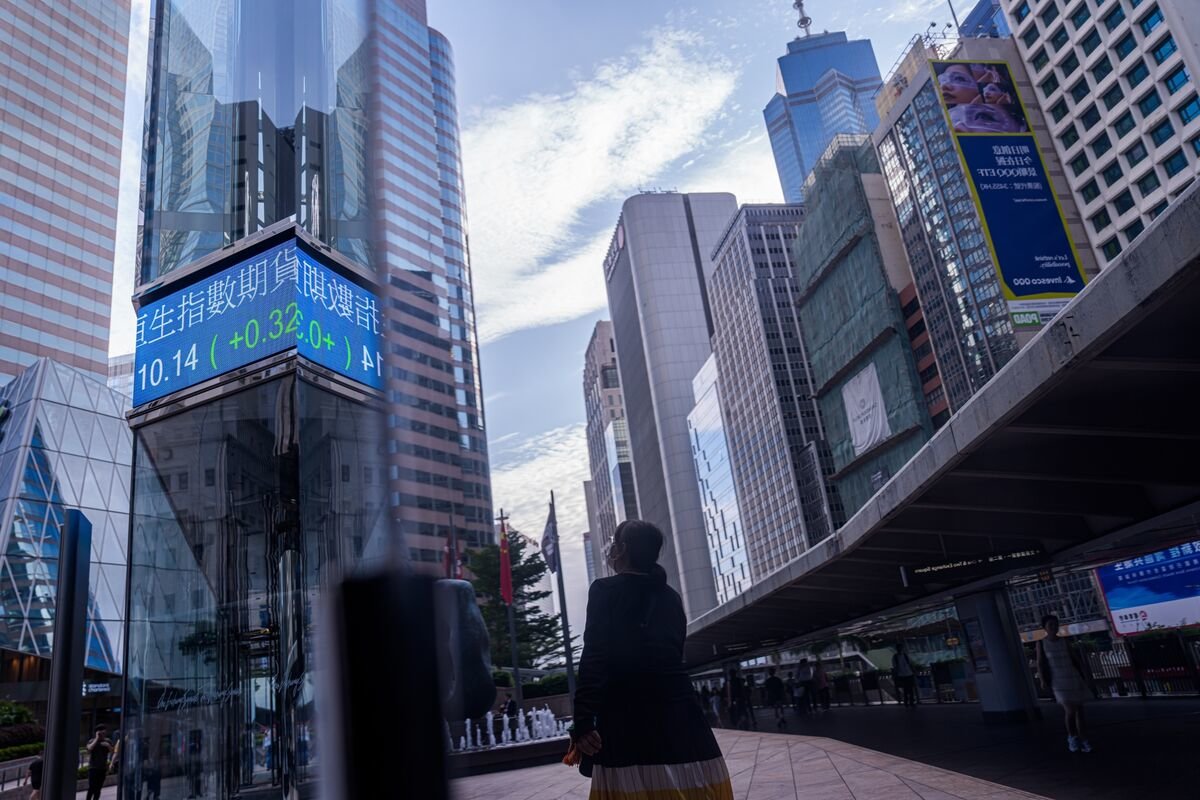
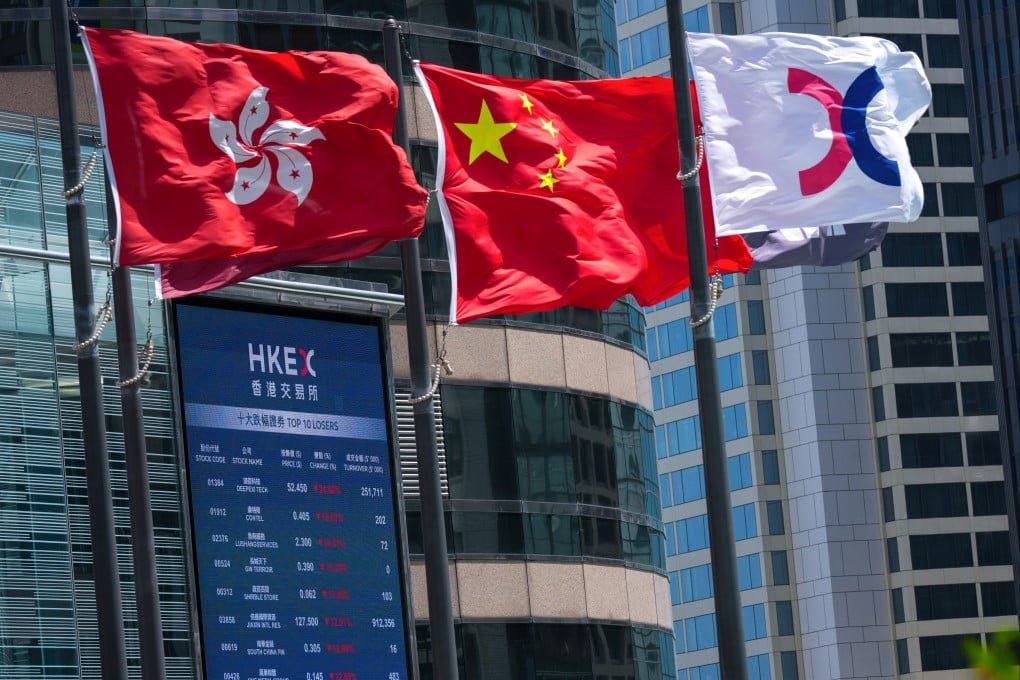
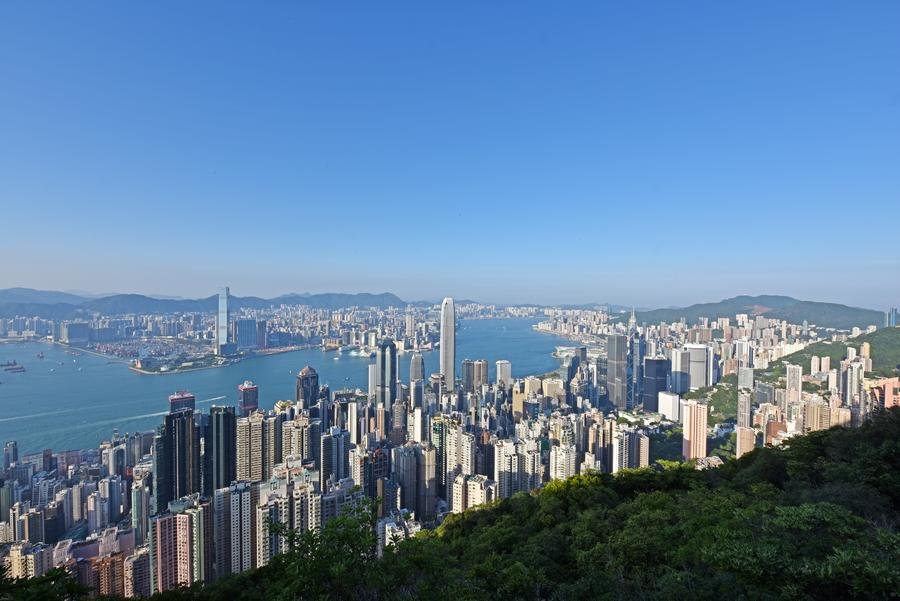
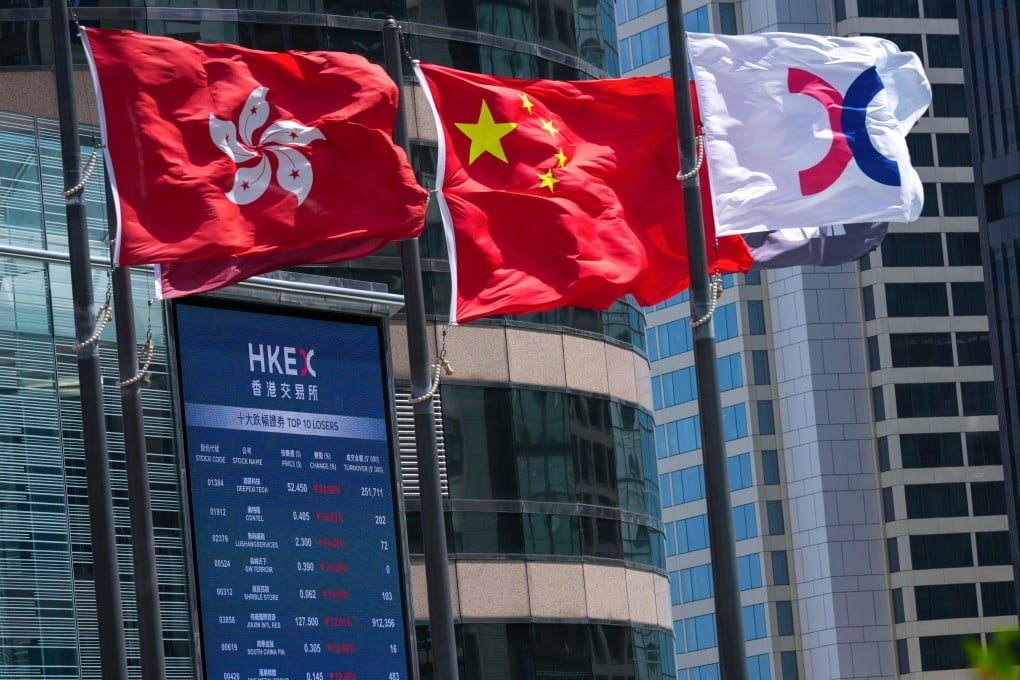
An EVENT-DRIVEN economic development is unfolding in Hong Kong as an influx of global firms points to a gradual recovery in the city’s role as an international financial and business hub after years of disruption linked to pandemic restrictions, capital outflows, and shifting geopolitical conditions.
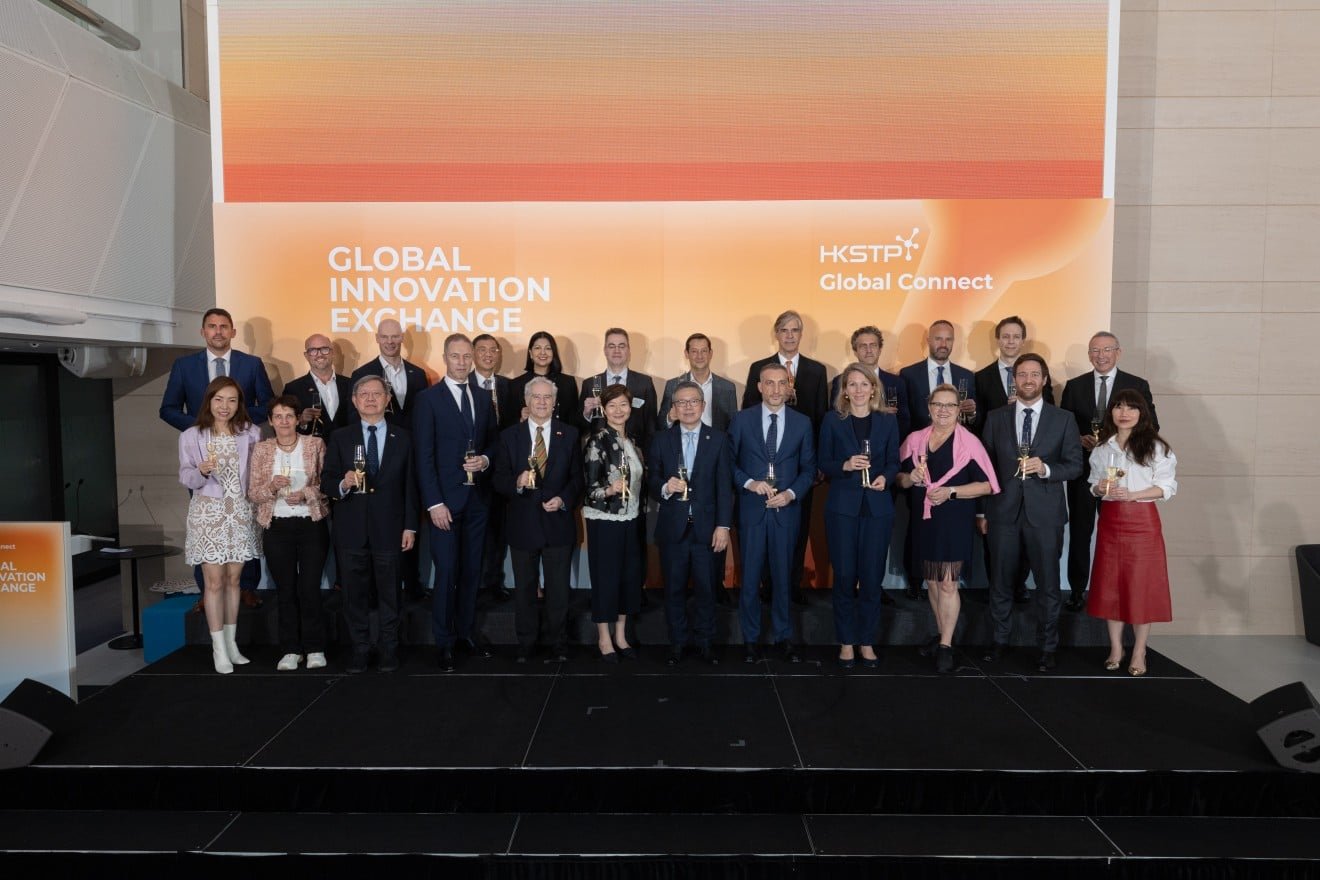
What is confirmed is that Hong Kong has recently seen increased interest from multinational corporations establishing or expanding regional offices in the city.
This trend spans sectors including finance, professional services, technology, and trade facilitation, reinforcing its traditional position as a gateway between mainland China and global markets.
The key issue is the balance between renewed corporate confidence and lingering structural constraints.
While business activity has rebounded in several segments, Hong Kong continues to face competition from regional financial centers such as Singapore, alongside broader concerns about regulatory environment stability, talent mobility, and cross-border capital flows.
Corporate relocation and expansion decisions are driven by a combination of market access, tax structures, legal predictability, and proximity to mainland Chinese economic activity.
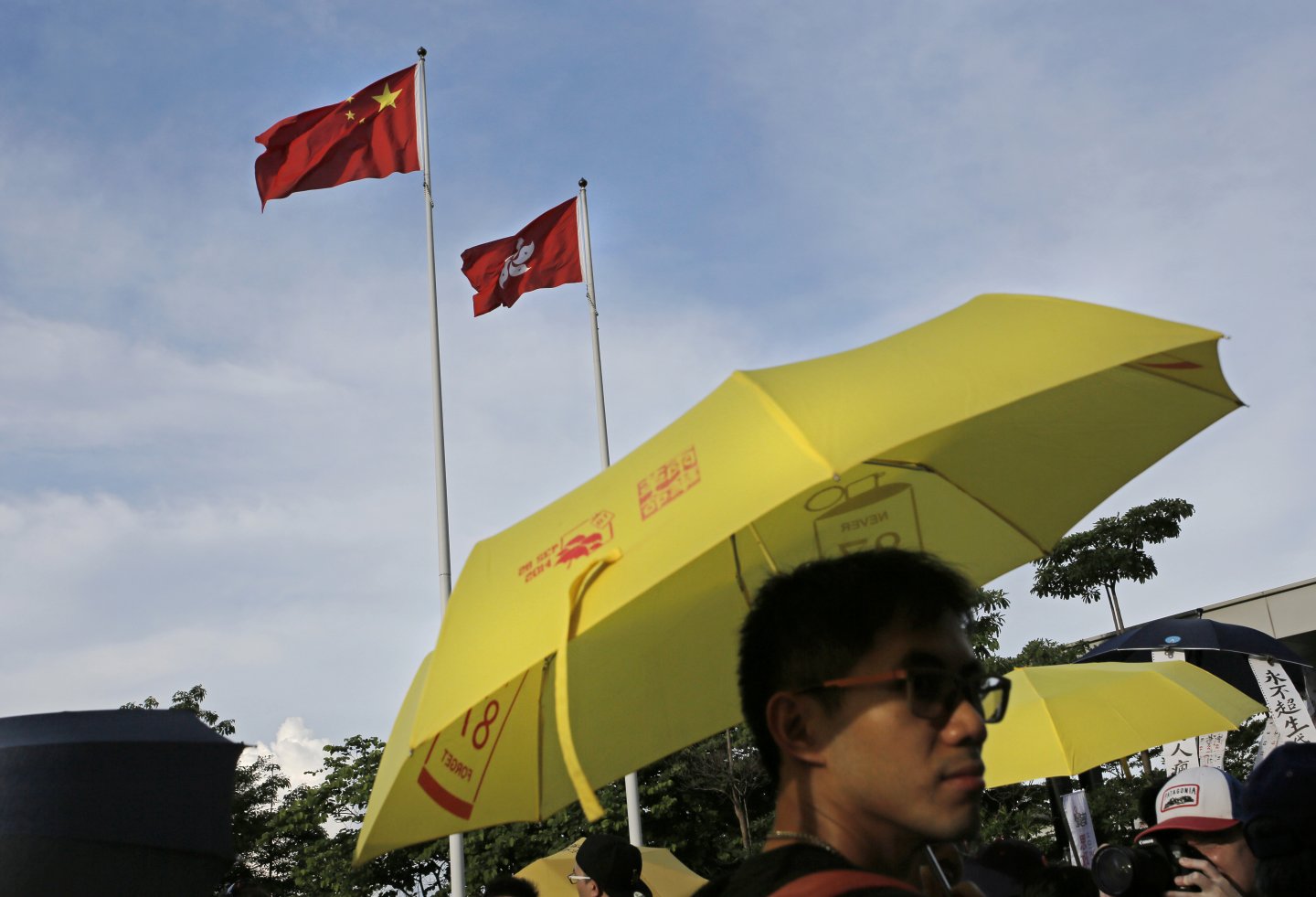
Hong Kong’s unique status as a Special Administrative Region under China’s “one country, two systems” framework remains central to its attractiveness, even as that framework has evolved in recent years.
Recent inflows of multinational firms suggest that many global companies still view Hong Kong as a strategically important base for Asia-Pacific operations.
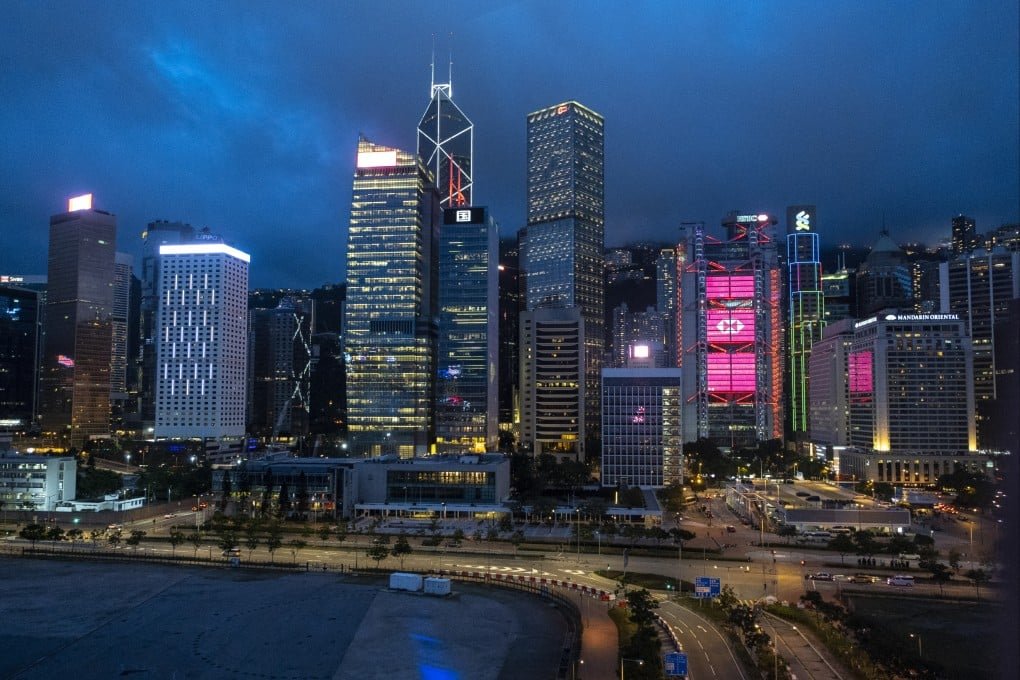
The city’s financial infrastructure, established legal system, and deep capital markets continue to provide operational advantages that are difficult to replicate elsewhere in the region.
At the same time, the recovery is not uniform across all sectors.
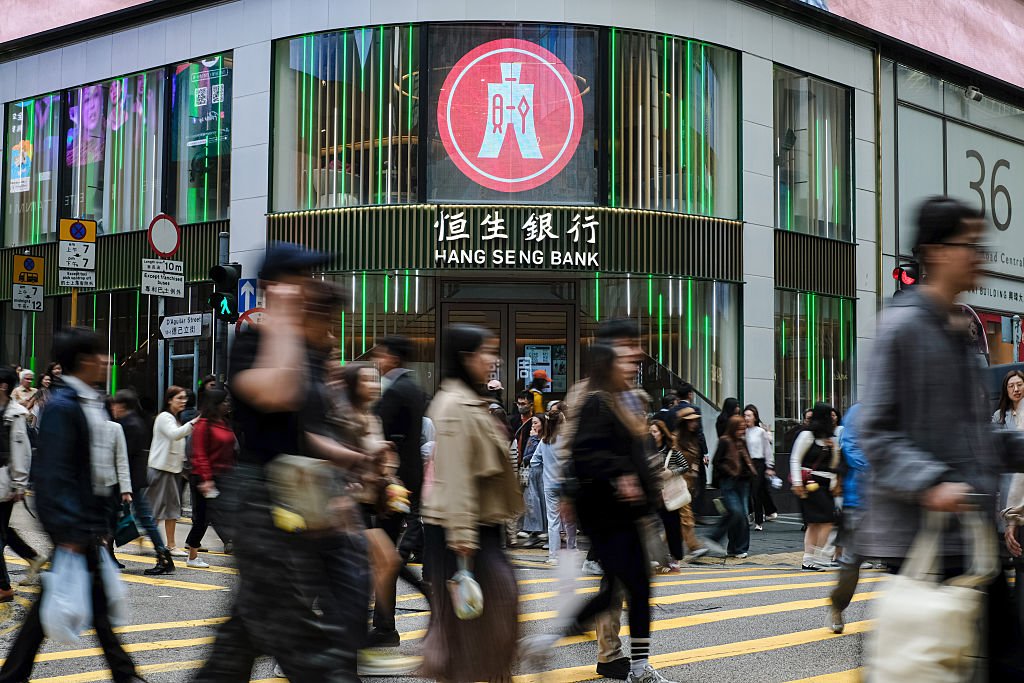
While financial services and corporate headquarters activity have shown signs of strengthening, retail, tourism, and small business sectors have experienced a more uneven rebound, reflecting shifts in travel patterns and domestic consumption behavior following extended pandemic-era disruptions.
Government policy has focused on reinforcing Hong Kong’s role as a global financial center through incentives for foreign companies, talent attraction schemes, and efforts to deepen integration with mainland economic initiatives such as the Greater Bay Area development plan.
These measures aim to stabilize long-term growth rather than produce immediate structural change.
The broader implication is that Hong Kong’s recovery is being driven less by a return to pre-2019 conditions and more by adaptation to a new regional economic reality.
The city is increasingly positioning itself as a specialized financial and legal interface within a more China-centered regional economy.
This duality—renewed foreign corporate presence alongside ongoing structural competition—defines the current phase of Hong Kong’s economic trajectory.
The inflow of global firms signals confidence, but the durability of that trend will depend on whether the city can maintain its institutional advantages while adapting to evolving regional dynamics.
What is confirmed is that Hong Kong has recently seen increased interest from multinational corporations establishing or expanding regional offices in the city.
This trend spans sectors including finance, professional services, technology, and trade facilitation, reinforcing its traditional position as a gateway between mainland China and global markets.
The key issue is the balance between renewed corporate confidence and lingering structural constraints.
While business activity has rebounded in several segments, Hong Kong continues to face competition from regional financial centers such as Singapore, alongside broader concerns about regulatory environment stability, talent mobility, and cross-border capital flows.
Corporate relocation and expansion decisions are driven by a combination of market access, tax structures, legal predictability, and proximity to mainland Chinese economic activity.
Hong Kong’s unique status as a Special Administrative Region under China’s “one country, two systems” framework remains central to its attractiveness, even as that framework has evolved in recent years.
Recent inflows of multinational firms suggest that many global companies still view Hong Kong as a strategically important base for Asia-Pacific operations.
The city’s financial infrastructure, established legal system, and deep capital markets continue to provide operational advantages that are difficult to replicate elsewhere in the region.
At the same time, the recovery is not uniform across all sectors.
While financial services and corporate headquarters activity have shown signs of strengthening, retail, tourism, and small business sectors have experienced a more uneven rebound, reflecting shifts in travel patterns and domestic consumption behavior following extended pandemic-era disruptions.
Government policy has focused on reinforcing Hong Kong’s role as a global financial center through incentives for foreign companies, talent attraction schemes, and efforts to deepen integration with mainland economic initiatives such as the Greater Bay Area development plan.
These measures aim to stabilize long-term growth rather than produce immediate structural change.
The broader implication is that Hong Kong’s recovery is being driven less by a return to pre-2019 conditions and more by adaptation to a new regional economic reality.
The city is increasingly positioning itself as a specialized financial and legal interface within a more China-centered regional economy.
This duality—renewed foreign corporate presence alongside ongoing structural competition—defines the current phase of Hong Kong’s economic trajectory.
The inflow of global firms signals confidence, but the durability of that trend will depend on whether the city can maintain its institutional advantages while adapting to evolving regional dynamics.