William Fitzsimmons’ meetings in Hong Kong spotlight how elite U.S. universities are expanding donor engagement in Asia amid shifting political and financial pressures
A SYSTEM-DRIVEN development in global higher education financing is reflected in Harvard University’s renewed engagement with major donors in Hong Kong, where admissions dean William Fitzsimmons has been meeting supporters as part of an Asia fundraising and outreach effort tied to the university’s long-term institutional funding model.
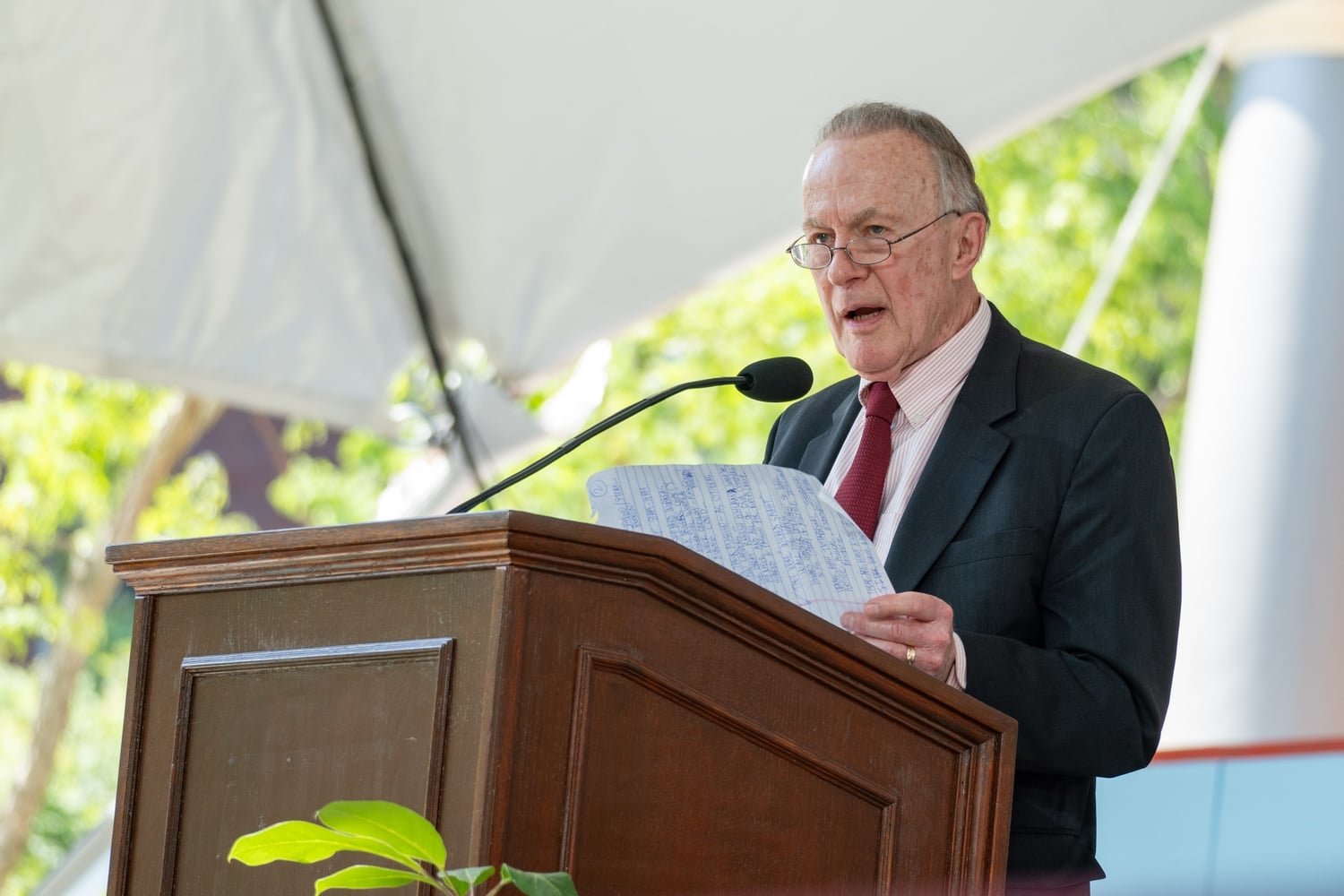
What is confirmed is that Fitzsimmons, one of Harvard’s most senior admissions and alumni engagement figures, has conducted donor-facing meetings in Hong Kong as part of a broader regional visit aimed at strengthening philanthropic ties across Asia.
These interactions form part of Harvard’s established practice of cultivating international donors who contribute to endowment growth, scholarship funding, and academic program support.
The key issue is the increasing importance of overseas philanthropy to elite American universities.
Institutions such as Harvard operate large endowments, but donor contributions remain essential for funding financial aid, research initiatives, and capital projects.
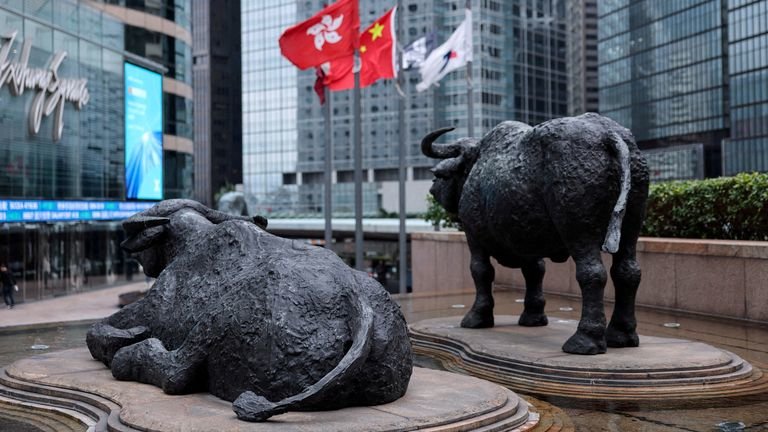
Asia, and Hong Kong in particular, has become a significant hub for high-net-worth donors with longstanding educational and financial connections to U.S. universities.
Fitzsimmons’ role is primarily institutional rather than political.
As a senior figure involved in admissions and alumni relations, he has long been associated with Harvard’s efforts to maintain global alumni networks and donor engagement pipelines.
His presence in donor meetings signals continuity in a strategy that treats international philanthropy as a structural pillar of university finance.
The broader context includes increased scrutiny of elite university funding models in the United States, particularly around questions of admissions practices, endowment usage, and political pressure on higher education institutions.
Against this backdrop, overseas donor engagement has become both more valuable and more sensitive, as universities balance financial needs with reputational considerations.
Hong Kong remains a critical node in this system due to its concentration of wealth and its historical role as a bridge between Western academic institutions and Asian business families.
Donations from the region often support scholarships, professorships, and research centers, creating long-term institutional ties that extend beyond individual gift cycles.
What is not indicated in confirmed details is any policy shift or change in admissions practice tied to the trip.
The meetings are consistent with longstanding Harvard fundraising and alumni relations activity rather than a new strategic direction.
However, the visibility of such visits underscores how international fundraising has become more central to elite university operations.
The broader implication is structural.
As U.S. higher education faces rising costs, political scrutiny, and intensified competition for domestic funding, global donor networks—particularly in Asia—are becoming increasingly important to sustaining institutional stability and growth.
What is confirmed is that Fitzsimmons, one of Harvard’s most senior admissions and alumni engagement figures, has conducted donor-facing meetings in Hong Kong as part of a broader regional visit aimed at strengthening philanthropic ties across Asia.
These interactions form part of Harvard’s established practice of cultivating international donors who contribute to endowment growth, scholarship funding, and academic program support.
The key issue is the increasing importance of overseas philanthropy to elite American universities.
Institutions such as Harvard operate large endowments, but donor contributions remain essential for funding financial aid, research initiatives, and capital projects.
Asia, and Hong Kong in particular, has become a significant hub for high-net-worth donors with longstanding educational and financial connections to U.S. universities.
Fitzsimmons’ role is primarily institutional rather than political.
As a senior figure involved in admissions and alumni relations, he has long been associated with Harvard’s efforts to maintain global alumni networks and donor engagement pipelines.
His presence in donor meetings signals continuity in a strategy that treats international philanthropy as a structural pillar of university finance.
The broader context includes increased scrutiny of elite university funding models in the United States, particularly around questions of admissions practices, endowment usage, and political pressure on higher education institutions.
Against this backdrop, overseas donor engagement has become both more valuable and more sensitive, as universities balance financial needs with reputational considerations.
Hong Kong remains a critical node in this system due to its concentration of wealth and its historical role as a bridge between Western academic institutions and Asian business families.
Donations from the region often support scholarships, professorships, and research centers, creating long-term institutional ties that extend beyond individual gift cycles.
What is not indicated in confirmed details is any policy shift or change in admissions practice tied to the trip.
The meetings are consistent with longstanding Harvard fundraising and alumni relations activity rather than a new strategic direction.
However, the visibility of such visits underscores how international fundraising has become more central to elite university operations.
The broader implication is structural.
As U.S. higher education faces rising costs, political scrutiny, and intensified competition for domestic funding, global donor networks—particularly in Asia—are becoming increasingly important to sustaining institutional stability and growth.