Educators are increasingly treating teacher-student bonds, peer networks, and school belonging as the core mechanism shaping pupil mental health and resilience
The underlying driver in Hong Kong’s evolving approach to student well-being is a system-level shift in how schools understand what produces resilience, engagement, and mental stability: the quality of relationships inside the education system itself.
What is confirmed across current school practice and education frameworks is that pupil well-being is no longer treated as an outcome of academic performance alone.
Instead, schools increasingly structure support systems around relational anchors — tutors, house systems, and sustained teacher contact — on the premise that consistent human connection is a primary stabilizer during adolescence.
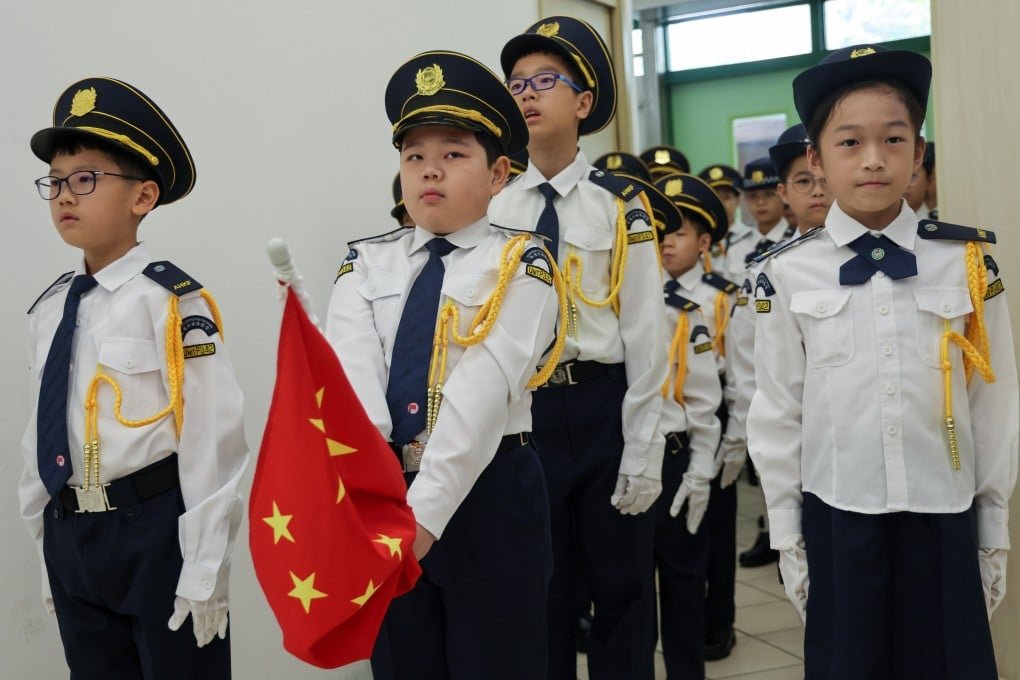
In practical terms, this means schools are investing in structures designed to make every student visibly known to at least one adult and embedded in a peer group.
Tutor systems assign responsibility for monitoring academic progress alongside emotional state.
House systems group students across age levels to create stable social identities that are intended to reduce isolation and encourage informal support networks.
These mechanisms are not cosmetic; they are being positioned as the operational infrastructure of student welfare.
The rationale is grounded in a widely observed pattern in adolescent development: academic stress becomes more destabilizing when students lack trusted relationships that can absorb pressure, detect early distress, and provide informal intervention before problems escalate.
In environments where competition is intense and workloads are heavy, schools are increasingly treating relational continuity as a protective layer against psychological strain.
The stakes are becoming more visible as youth mental health concerns remain a persistent issue in Hong Kong’s education system.
Surveys and institutional reports in recent years have consistently pointed to elevated levels of distress among secondary school students, including symptoms consistent with depression, anxiety, and emotional exhaustion.
While the causes are multi-factorial, education professionals increasingly emphasize that lack of belonging and weak peer integration amplify risk.
The mechanism linking relationships to well-being is straightforward but operationally complex: strong student-teacher relationships increase early detection of distress, peer belonging reduces social isolation, and stable school communities improve help-seeking behavior.
Together, these factors function as a feedback system that either mitigates or intensifies stress depending on their strength and consistency.
The policy implication is that interventions focused solely on counseling services or academic reform are considered insufficient on their own.
Schools are instead moving toward “whole-school” models where relational design is treated as foundational infrastructure, shaping everything from classroom organization to extracurricular grouping and pastoral care strategies.
This reflects a broader redefinition of education as not only knowledge delivery, but sustained social containment during developmental risk periods.
As this model becomes more embedded, the central question for Hong Kong’s education system is no longer whether relationships matter for student well-being, but how reliably schools can engineer and maintain them at scale under continued academic pressure.
What is confirmed across current school practice and education frameworks is that pupil well-being is no longer treated as an outcome of academic performance alone.
Instead, schools increasingly structure support systems around relational anchors — tutors, house systems, and sustained teacher contact — on the premise that consistent human connection is a primary stabilizer during adolescence.
In practical terms, this means schools are investing in structures designed to make every student visibly known to at least one adult and embedded in a peer group.
Tutor systems assign responsibility for monitoring academic progress alongside emotional state.
House systems group students across age levels to create stable social identities that are intended to reduce isolation and encourage informal support networks.
These mechanisms are not cosmetic; they are being positioned as the operational infrastructure of student welfare.
The rationale is grounded in a widely observed pattern in adolescent development: academic stress becomes more destabilizing when students lack trusted relationships that can absorb pressure, detect early distress, and provide informal intervention before problems escalate.
In environments where competition is intense and workloads are heavy, schools are increasingly treating relational continuity as a protective layer against psychological strain.
The stakes are becoming more visible as youth mental health concerns remain a persistent issue in Hong Kong’s education system.
Surveys and institutional reports in recent years have consistently pointed to elevated levels of distress among secondary school students, including symptoms consistent with depression, anxiety, and emotional exhaustion.
While the causes are multi-factorial, education professionals increasingly emphasize that lack of belonging and weak peer integration amplify risk.
The mechanism linking relationships to well-being is straightforward but operationally complex: strong student-teacher relationships increase early detection of distress, peer belonging reduces social isolation, and stable school communities improve help-seeking behavior.
Together, these factors function as a feedback system that either mitigates or intensifies stress depending on their strength and consistency.
The policy implication is that interventions focused solely on counseling services or academic reform are considered insufficient on their own.
Schools are instead moving toward “whole-school” models where relational design is treated as foundational infrastructure, shaping everything from classroom organization to extracurricular grouping and pastoral care strategies.
This reflects a broader redefinition of education as not only knowledge delivery, but sustained social containment during developmental risk periods.
As this model becomes more embedded, the central question for Hong Kong’s education system is no longer whether relationships matter for student well-being, but how reliably schools can engineer and maintain them at scale under continued academic pressure.