Business leaders say regional tensions are unlikely to derail the city’s long-term outlook as Hong Kong strengthens global financial and trade links
Prominent Hong Kong business leaders have sought to reassure investors that escalating tensions in the Middle East are unlikely to significantly damage the city’s long-term economic prospects, arguing that its diversified financial system and global connectivity will help absorb short-term shocks.
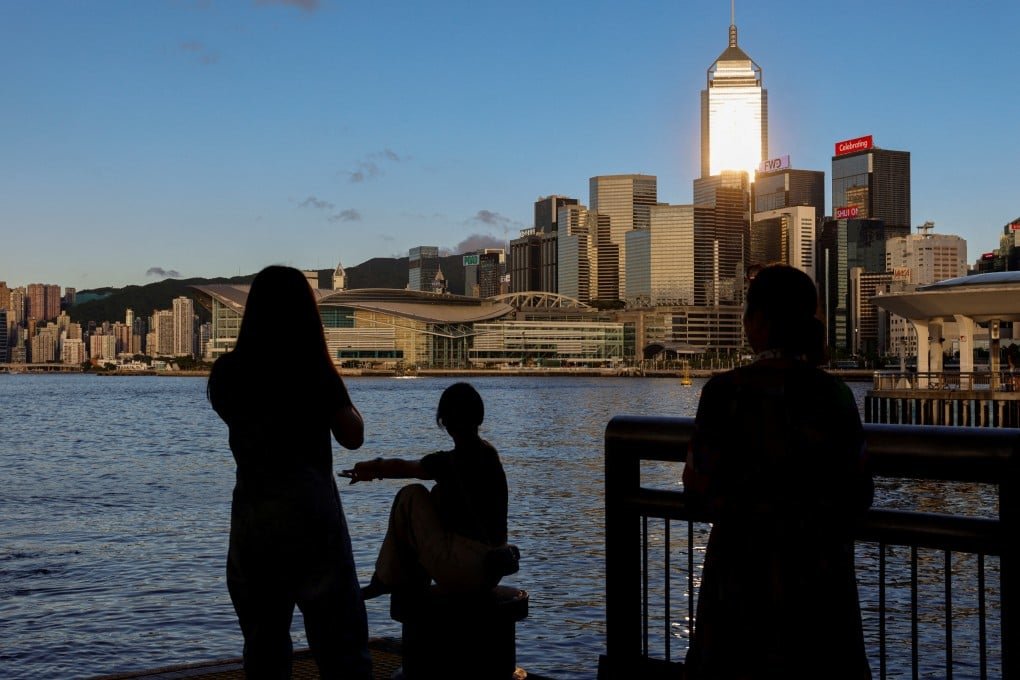
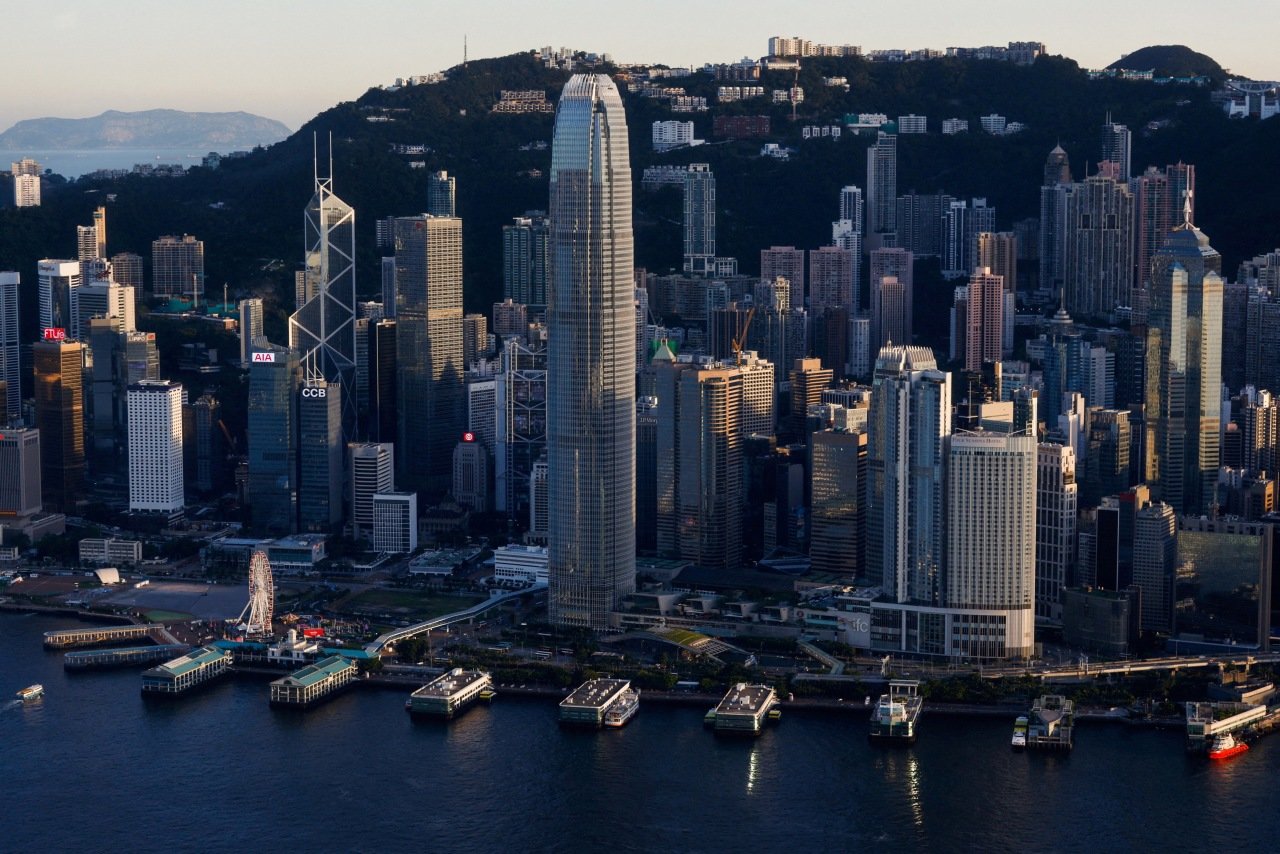
Senior tycoons and corporate executives said that while geopolitical instability can influence financial markets, Hong Kong’s role as an international financial centre and gateway for capital flows remains resilient.
They noted that temporary fluctuations in stock prices or investor sentiment do not fundamentally alter the city’s strategic advantages as a global trading and financial hub.
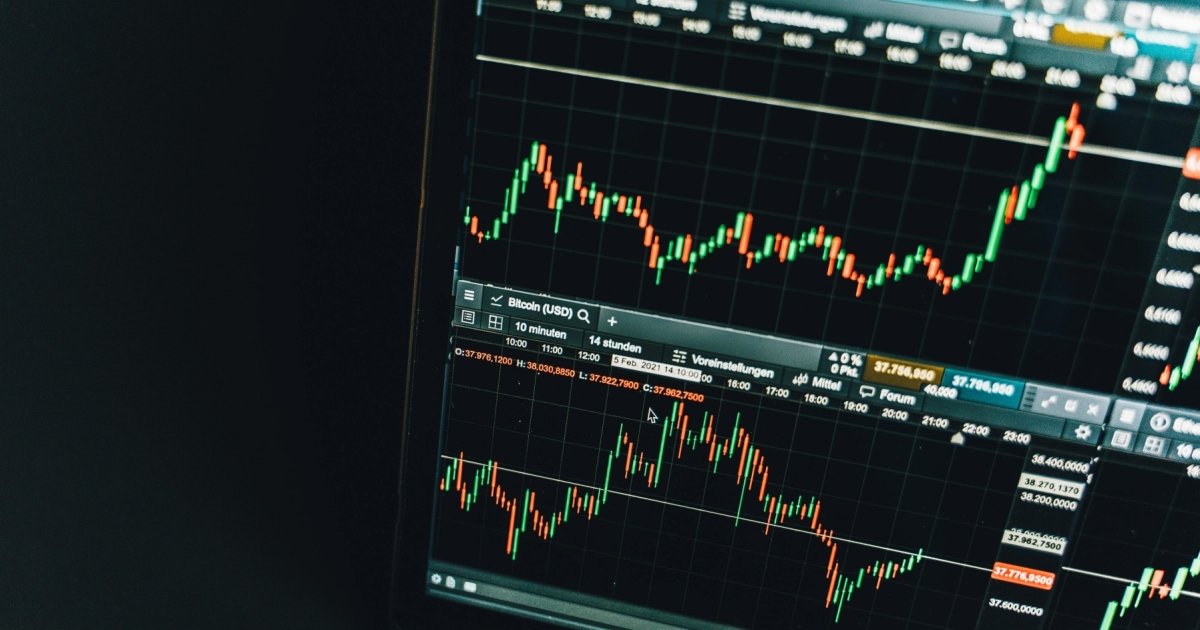
Market volatility has appeared across Asian exchanges as tensions in the Middle East affect global risk appetite and energy prices.
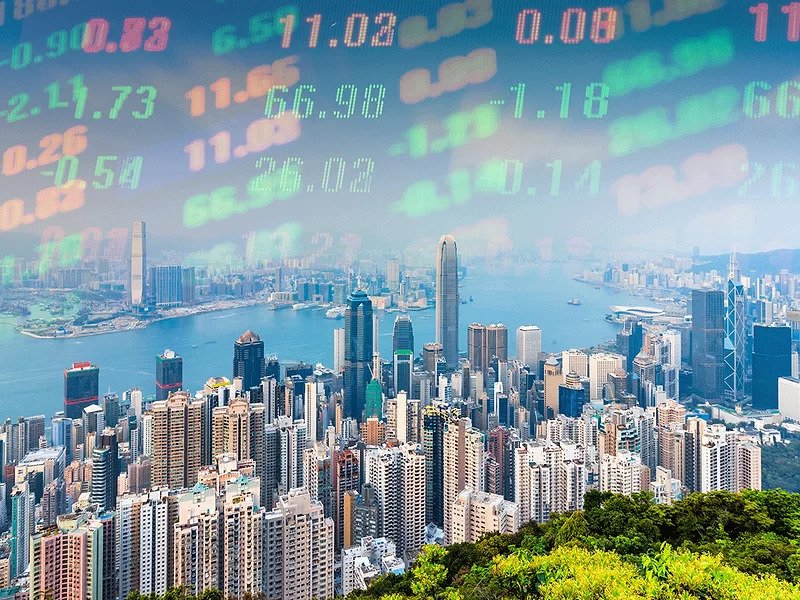
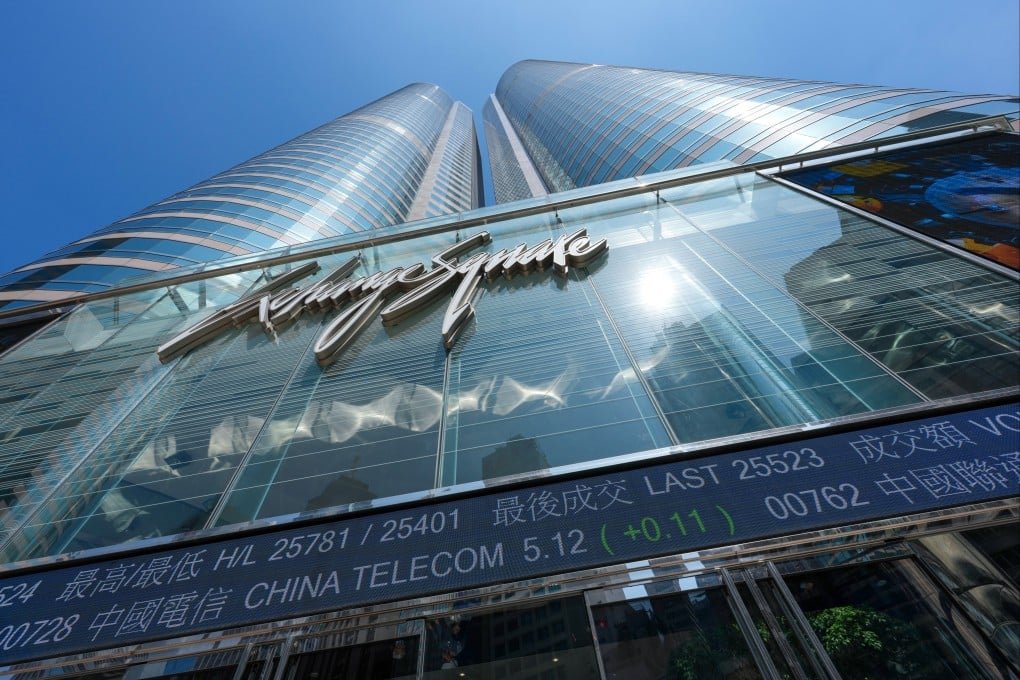
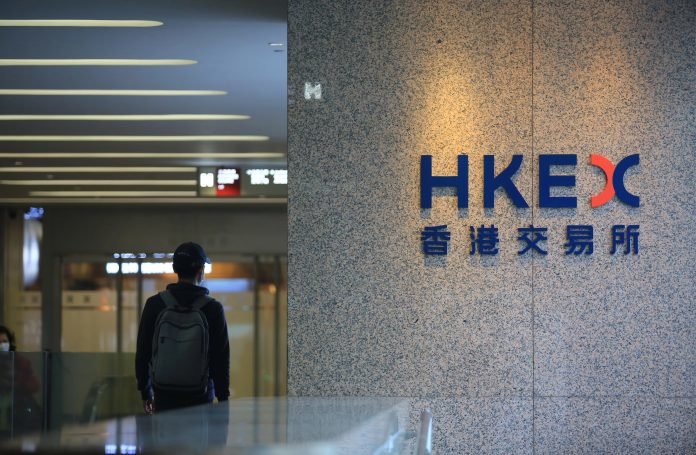
Hong Kong’s Hang Seng Index has experienced declines alongside other regional markets, reflecting broader investor caution rather than structural weaknesses in the city’s economy.
Business leaders said Hong Kong’s economic foundations remain strong because the city serves as a major intermediary for international capital, cross-border investment and trade.
Its sophisticated legal system, financial infrastructure and position linking mainland China with global markets continue to attract multinational companies and investors.
Executives also pointed to the city’s efforts to deepen economic ties with regions beyond its traditional partners, including the Middle East itself.
Hong Kong authorities have promoted stronger commercial cooperation with Gulf economies, viewing them as important investment partners and sources of capital for future growth.
Government-led business missions to Gulf countries in recent years have expanded commercial networks and encouraged collaboration in finance, infrastructure and innovation.
These initiatives are designed to diversify Hong Kong’s economic relationships and reduce vulnerability to geopolitical disruptions in any single region.
Tycoons say such diversification strategies help shield the city from external shocks, even during periods of global uncertainty.
By maintaining broad international partnerships and leveraging its position as a bridge between China and international markets, Hong Kong can continue attracting investment and business activity despite shifting geopolitical conditions.
Some executives acknowledged that prolonged instability in the Middle East could influence global energy prices and investor confidence.
However, they emphasized that Hong Kong’s economy is primarily driven by financial services, trade facilitation and professional services rather than direct exposure to regional conflicts.
The reassurances come as global investors closely watch geopolitical developments and their potential impact on international trade flows.
Business leaders argue that Hong Kong’s long-standing strengths — including open markets, strong financial institutions and deep international connections — will enable the city to navigate periods of uncertainty while maintaining its role as a major global financial centre.
Senior tycoons and corporate executives said that while geopolitical instability can influence financial markets, Hong Kong’s role as an international financial centre and gateway for capital flows remains resilient.
They noted that temporary fluctuations in stock prices or investor sentiment do not fundamentally alter the city’s strategic advantages as a global trading and financial hub.
Market volatility has appeared across Asian exchanges as tensions in the Middle East affect global risk appetite and energy prices.
Hong Kong’s Hang Seng Index has experienced declines alongside other regional markets, reflecting broader investor caution rather than structural weaknesses in the city’s economy.
Business leaders said Hong Kong’s economic foundations remain strong because the city serves as a major intermediary for international capital, cross-border investment and trade.
Its sophisticated legal system, financial infrastructure and position linking mainland China with global markets continue to attract multinational companies and investors.
Executives also pointed to the city’s efforts to deepen economic ties with regions beyond its traditional partners, including the Middle East itself.
Hong Kong authorities have promoted stronger commercial cooperation with Gulf economies, viewing them as important investment partners and sources of capital for future growth.
Government-led business missions to Gulf countries in recent years have expanded commercial networks and encouraged collaboration in finance, infrastructure and innovation.
These initiatives are designed to diversify Hong Kong’s economic relationships and reduce vulnerability to geopolitical disruptions in any single region.
Tycoons say such diversification strategies help shield the city from external shocks, even during periods of global uncertainty.
By maintaining broad international partnerships and leveraging its position as a bridge between China and international markets, Hong Kong can continue attracting investment and business activity despite shifting geopolitical conditions.
Some executives acknowledged that prolonged instability in the Middle East could influence global energy prices and investor confidence.
However, they emphasized that Hong Kong’s economy is primarily driven by financial services, trade facilitation and professional services rather than direct exposure to regional conflicts.
The reassurances come as global investors closely watch geopolitical developments and their potential impact on international trade flows.
Business leaders argue that Hong Kong’s long-standing strengths — including open markets, strong financial institutions and deep international connections — will enable the city to navigate periods of uncertainty while maintaining its role as a major global financial centre.