New initiatives strengthen cross-border academic cooperation and position Hong Kong as a gateway for global students and researchers into the Greater Bay Area.
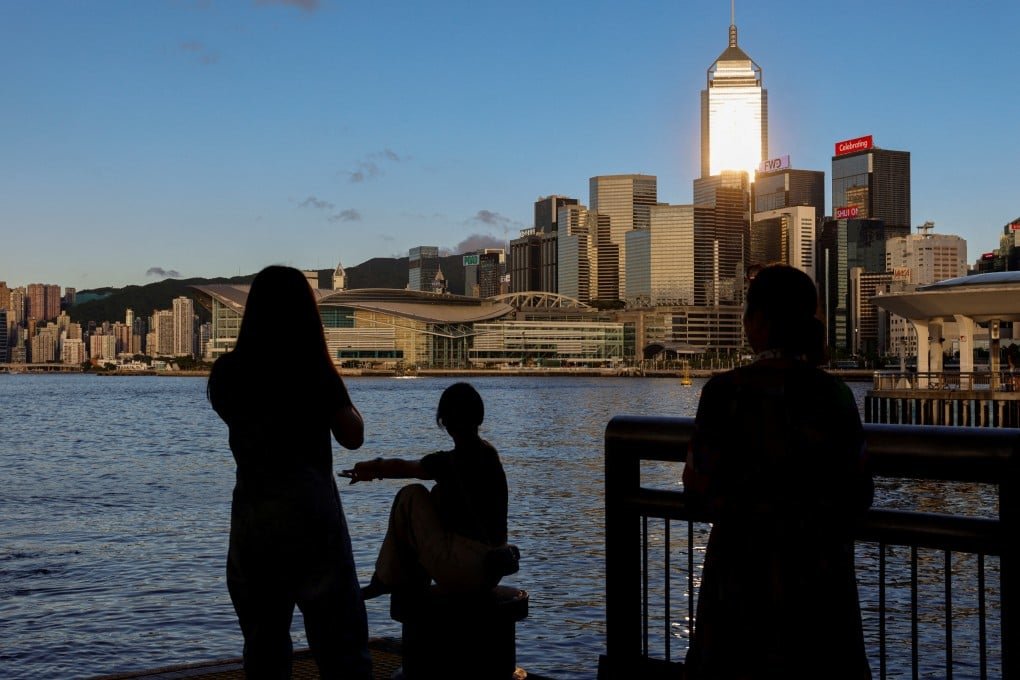
Hong Kong is strengthening its position as a leading international education centre while deepening academic links with mainland China’s Greater Bay Area, as universities and policymakers expand cross-border learning and research initiatives.
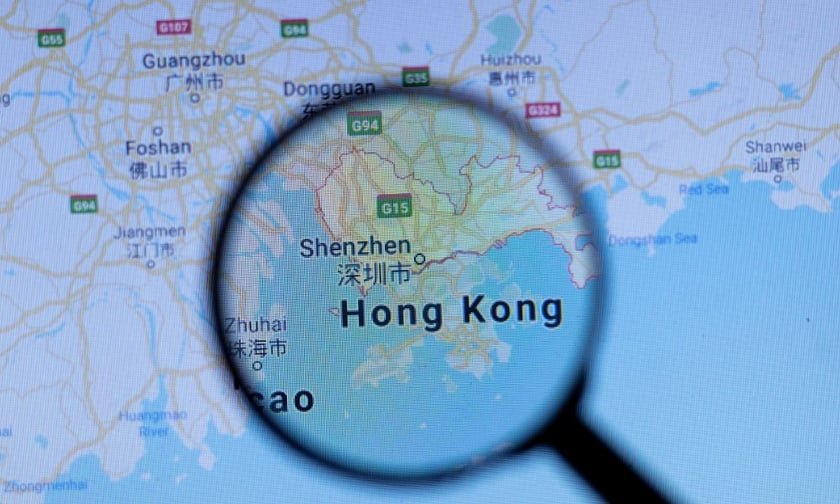
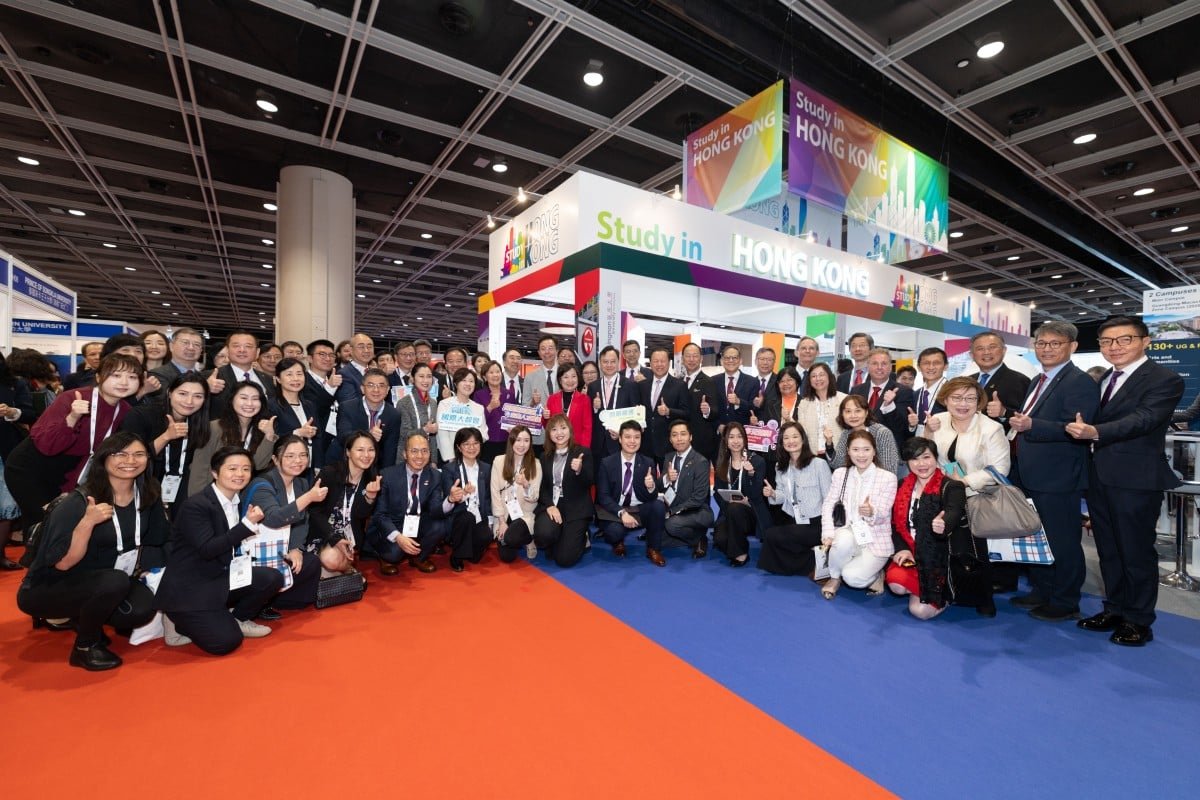
Authorities and higher-education institutions in the city are promoting Hong Kong as a gateway for global students and researchers seeking access to opportunities across the rapidly developing Greater Bay Area, which encompasses Hong Kong, Macau and nine major cities in Guangdong province.
The region is home to more than seventy million people and has emerged as one of China’s most dynamic economic and technological clusters.
Hong Kong’s universities have increasingly launched joint research programmes, cross-border campuses and collaborative innovation platforms with mainland institutions.
These partnerships are designed to combine Hong Kong’s internationally recognised academic system with the manufacturing, technology and research capacity of cities such as Shenzhen and Guangzhou.
Several universities have expanded dual-degree programmes and student exchange schemes that allow participants to study or conduct research on both sides of the border.
Supporters of the initiatives say this model enables students to gain international exposure while engaging with one of Asia’s fastest-growing economic regions.
The strategy also includes expanding international recruitment.
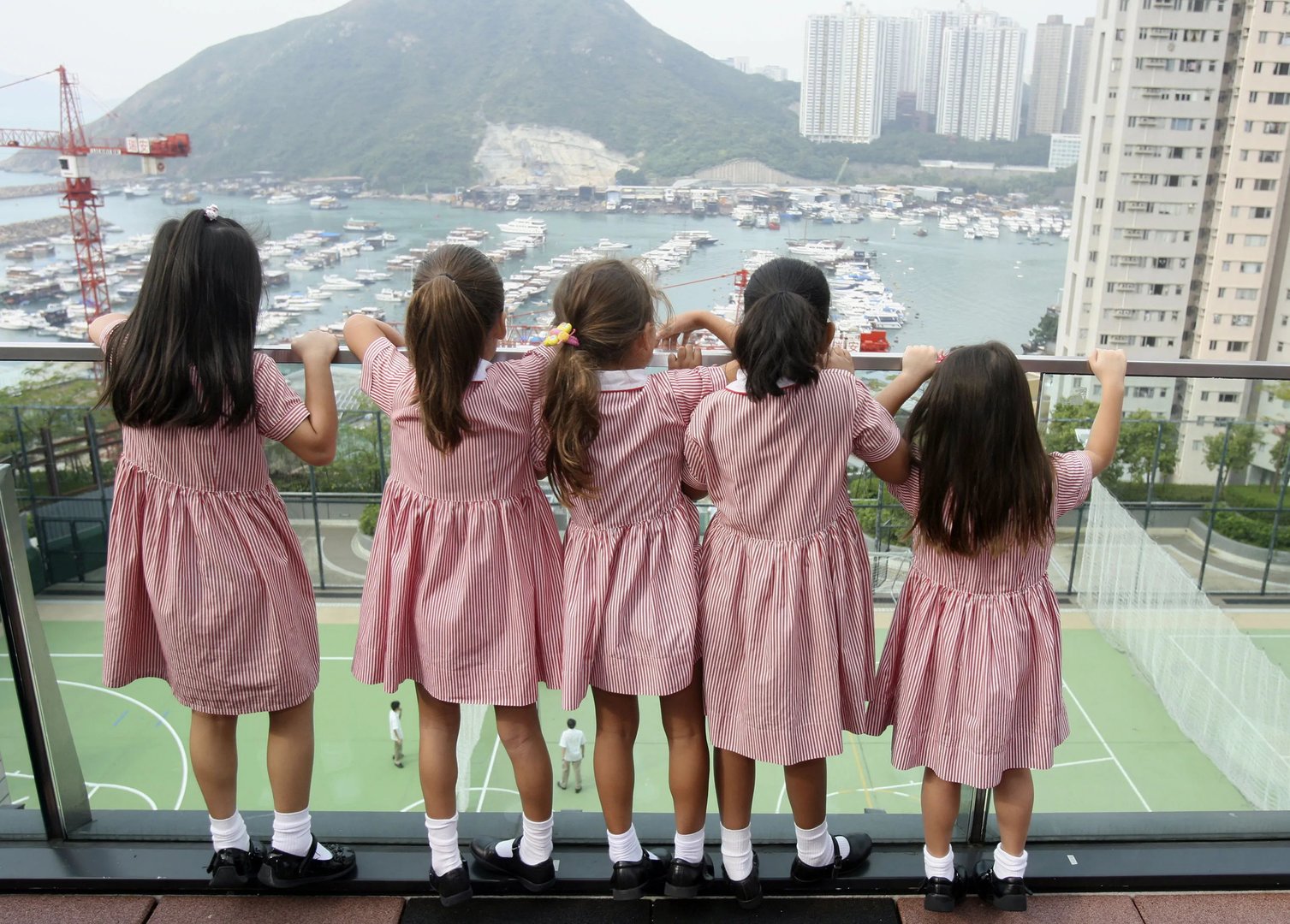
Hong Kong universities have been attracting students from across Asia, Europe and North America by emphasising English-language instruction, globally ranked institutions and proximity to mainland China’s innovation ecosystem.
Research collaboration has become a central pillar of the city’s education policy.
Joint laboratories, technology transfer partnerships and industry-linked research centres are increasingly connecting Hong Kong scholars with companies and scientific institutes across the Greater Bay Area.
The aim is to accelerate breakthroughs in fields such as biotechnology, artificial intelligence and advanced manufacturing.
Education leaders say the city’s legal framework, open academic environment and long-standing role as an international financial centre make it uniquely positioned to bridge global talent with mainland China’s scientific and industrial development.
The cross-border model allows universities to combine international academic standards with access to large-scale research facilities and rapidly expanding technology markets.
As cooperation deepens, policymakers believe Hong Kong can play a pivotal role in nurturing talent and innovation across the Greater Bay Area.
By serving as a connector between global universities and the region’s expanding research ecosystem, the city aims to reinforce its standing as one of Asia’s most influential centres for higher education and knowledge exchange.
Authorities and higher-education institutions in the city are promoting Hong Kong as a gateway for global students and researchers seeking access to opportunities across the rapidly developing Greater Bay Area, which encompasses Hong Kong, Macau and nine major cities in Guangdong province.
The region is home to more than seventy million people and has emerged as one of China’s most dynamic economic and technological clusters.
Hong Kong’s universities have increasingly launched joint research programmes, cross-border campuses and collaborative innovation platforms with mainland institutions.
These partnerships are designed to combine Hong Kong’s internationally recognised academic system with the manufacturing, technology and research capacity of cities such as Shenzhen and Guangzhou.
Several universities have expanded dual-degree programmes and student exchange schemes that allow participants to study or conduct research on both sides of the border.
Supporters of the initiatives say this model enables students to gain international exposure while engaging with one of Asia’s fastest-growing economic regions.
The strategy also includes expanding international recruitment.
Hong Kong universities have been attracting students from across Asia, Europe and North America by emphasising English-language instruction, globally ranked institutions and proximity to mainland China’s innovation ecosystem.
Research collaboration has become a central pillar of the city’s education policy.
Joint laboratories, technology transfer partnerships and industry-linked research centres are increasingly connecting Hong Kong scholars with companies and scientific institutes across the Greater Bay Area.
The aim is to accelerate breakthroughs in fields such as biotechnology, artificial intelligence and advanced manufacturing.
Education leaders say the city’s legal framework, open academic environment and long-standing role as an international financial centre make it uniquely positioned to bridge global talent with mainland China’s scientific and industrial development.
The cross-border model allows universities to combine international academic standards with access to large-scale research facilities and rapidly expanding technology markets.
As cooperation deepens, policymakers believe Hong Kong can play a pivotal role in nurturing talent and innovation across the Greater Bay Area.
By serving as a connector between global universities and the region’s expanding research ecosystem, the city aims to reinforce its standing as one of Asia’s most influential centres for higher education and knowledge exchange.