City takes central role in China’s strategy to expand financial sovereignty and reduce reliance on Western-dominated markets
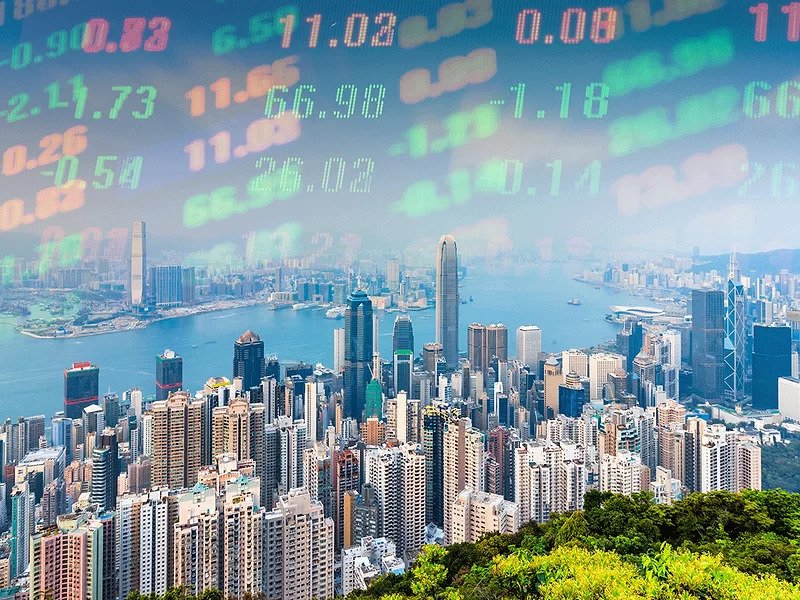
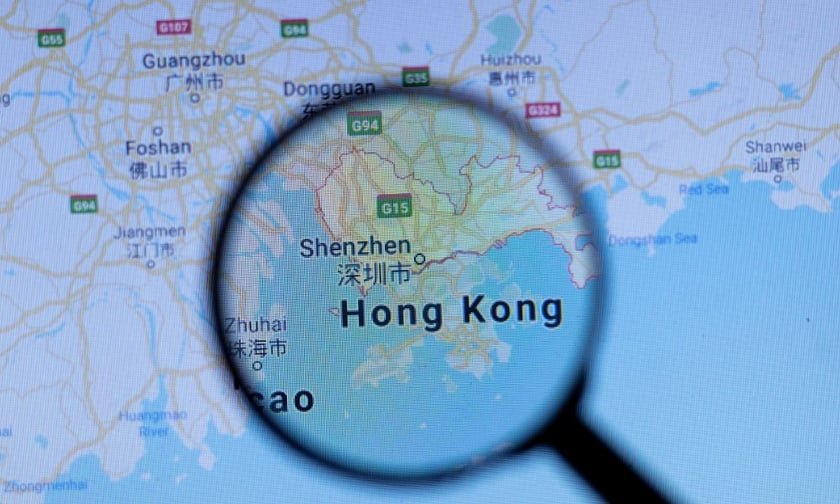
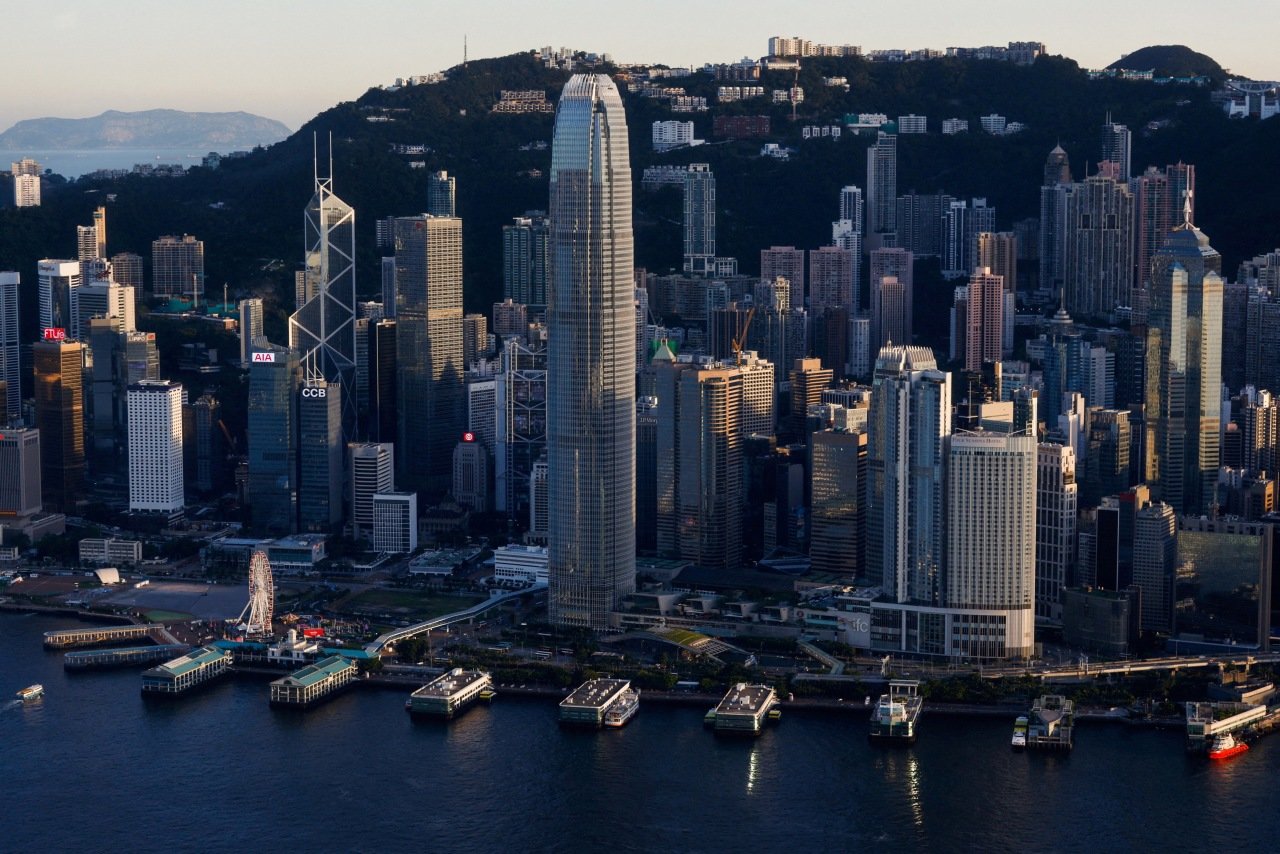
Hong Kong is increasingly positioned as the leading platform for China’s push to strengthen financial sovereignty and expand the global role of its capital markets, as Beijing leverages the city’s international financial system to compete more directly with Western-dominated financial infrastructure.
Policymakers and financial authorities have accelerated efforts to use Hong Kong as a gateway for international investment into mainland China while also enabling Chinese companies and institutions to reach global markets.
The strategy reflects a broader effort by Beijing to develop financial channels that can operate with greater independence from systems historically centred on the United States and Europe.
Hong Kong’s unique legal framework, freely convertible currency and deep capital markets allow it to function as a bridge between China’s domestic financial system and global investors.
Officials in both Hong Kong and mainland China have emphasized that this structure provides a strategic advantage as China seeks to internationalize its currency, expand cross-border capital flows and build alternative financial infrastructure.
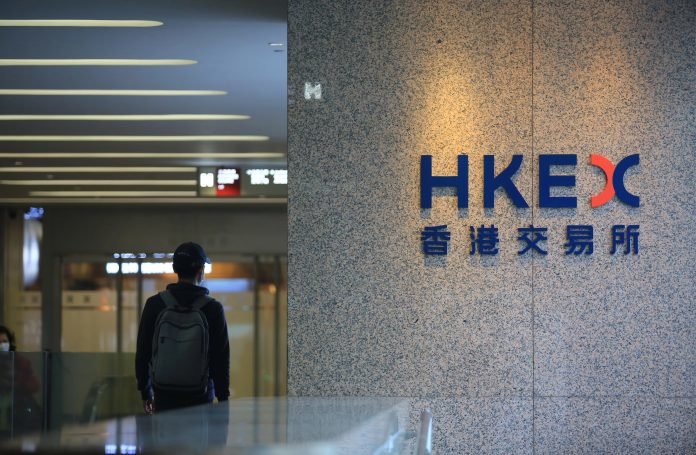
In recent years the city has played a central role in programs that link mainland and international markets, including stock and bond trading connections that allow global investors to access Chinese securities through Hong Kong exchanges.
These channels have become a major conduit for foreign capital entering the mainland’s financial markets.
Authorities have also supported the expansion of offshore renminbi activity in Hong Kong, reinforcing the city’s position as the world’s largest offshore trading centre for China’s currency.
Financial institutions based in the city handle a significant share of global renminbi transactions, providing liquidity and infrastructure for international investors and corporations.
Analysts note that Hong Kong’s importance has grown further as geopolitical tensions and financial competition between major powers intensify.
The city’s role allows China to engage with global markets while retaining a degree of separation between domestic regulatory systems and international financial flows.
Financial leaders in Hong Kong have promoted the city as a stable and sophisticated environment for international capital, highlighting its regulatory framework, professional services sector and deep pool of financial expertise.
These features have helped maintain its standing as one of the world’s leading financial centres even amid broader political and economic changes.
As Beijing continues to pursue greater financial autonomy and resilience, Hong Kong is increasingly viewed as a key strategic platform for connecting China’s expanding financial system with global markets while advancing the country’s long-term economic and monetary ambitions.
Policymakers and financial authorities have accelerated efforts to use Hong Kong as a gateway for international investment into mainland China while also enabling Chinese companies and institutions to reach global markets.
The strategy reflects a broader effort by Beijing to develop financial channels that can operate with greater independence from systems historically centred on the United States and Europe.
Hong Kong’s unique legal framework, freely convertible currency and deep capital markets allow it to function as a bridge between China’s domestic financial system and global investors.
Officials in both Hong Kong and mainland China have emphasized that this structure provides a strategic advantage as China seeks to internationalize its currency, expand cross-border capital flows and build alternative financial infrastructure.
In recent years the city has played a central role in programs that link mainland and international markets, including stock and bond trading connections that allow global investors to access Chinese securities through Hong Kong exchanges.
These channels have become a major conduit for foreign capital entering the mainland’s financial markets.
Authorities have also supported the expansion of offshore renminbi activity in Hong Kong, reinforcing the city’s position as the world’s largest offshore trading centre for China’s currency.
Financial institutions based in the city handle a significant share of global renminbi transactions, providing liquidity and infrastructure for international investors and corporations.
Analysts note that Hong Kong’s importance has grown further as geopolitical tensions and financial competition between major powers intensify.
The city’s role allows China to engage with global markets while retaining a degree of separation between domestic regulatory systems and international financial flows.
Financial leaders in Hong Kong have promoted the city as a stable and sophisticated environment for international capital, highlighting its regulatory framework, professional services sector and deep pool of financial expertise.
These features have helped maintain its standing as one of the world’s leading financial centres even amid broader political and economic changes.
As Beijing continues to pursue greater financial autonomy and resilience, Hong Kong is increasingly viewed as a key strategic platform for connecting China’s expanding financial system with global markets while advancing the country’s long-term economic and monetary ambitions.