Education reforms, museum revamps and public messaging reflect stronger emphasis on national identity
Beijing’s influence over how history is interpreted and presented in Hong Kong has become increasingly visible through changes to school curricula, public exhibitions and official commemorations, reflecting a broader effort to strengthen national identity in the city.
In recent years, authorities have introduced revised history and citizenship education frameworks that place greater emphasis on China’s modern development, constitutional structure and the concept of national sovereignty.
Textbooks have been updated to incorporate expanded material on the mainland’s political system and historical milestones, while streamlining or reframing sections related to colonial-era governance.
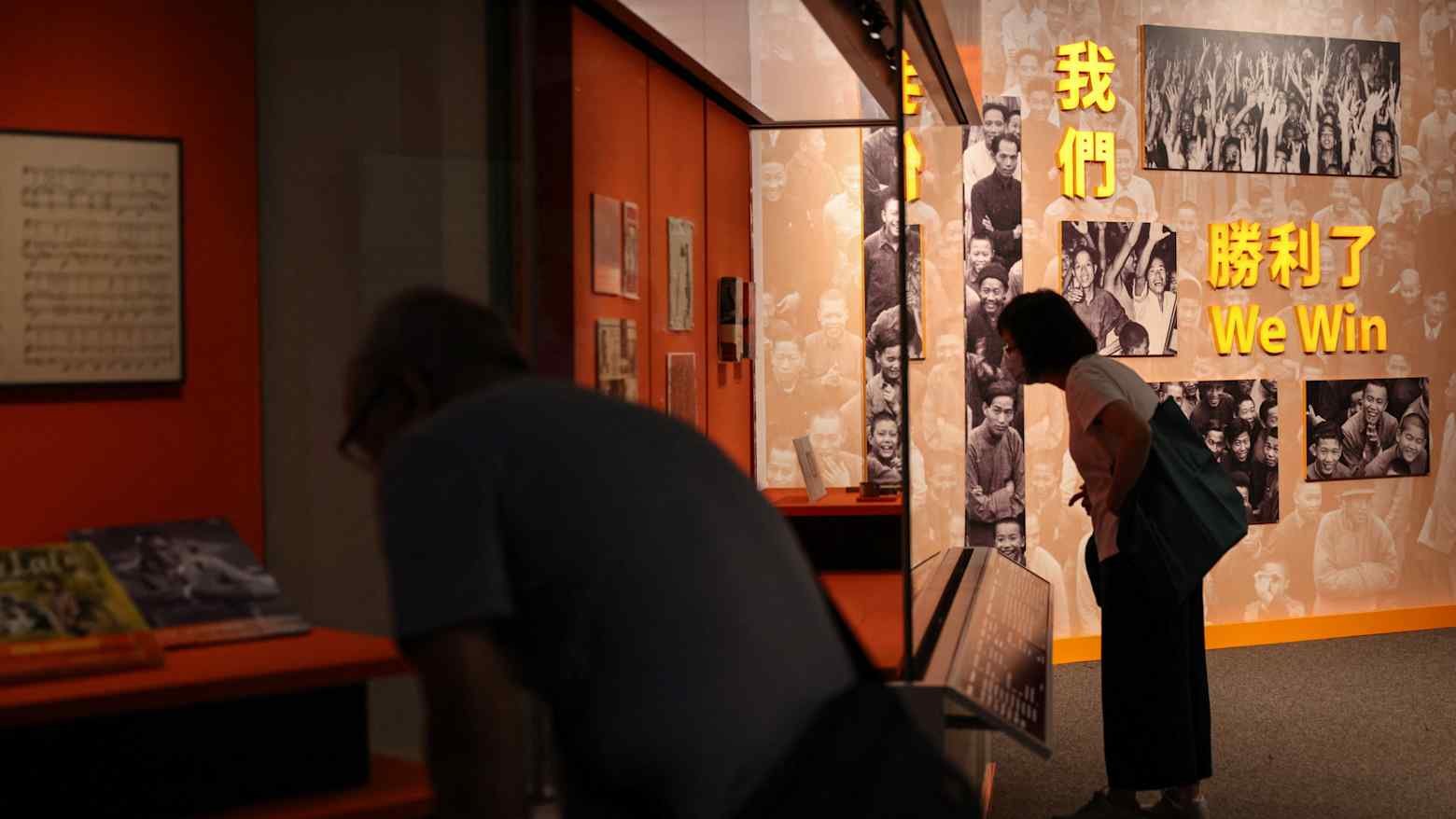
Museums and cultural institutions have also undergone adjustments.
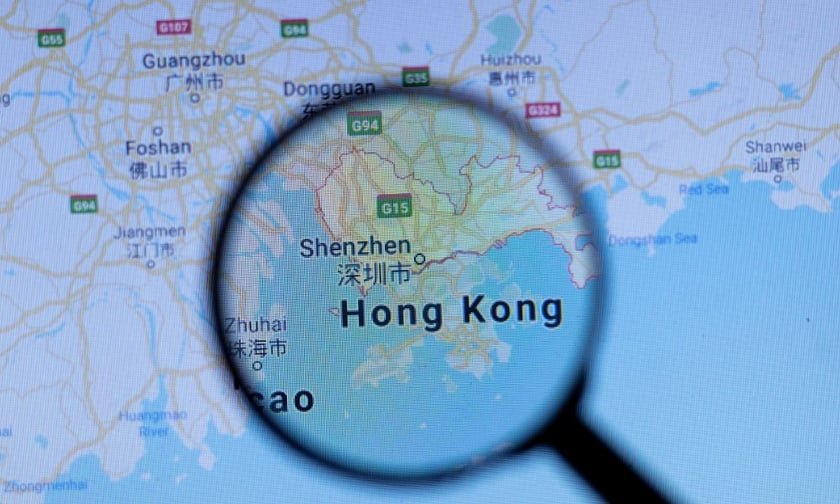
Permanent exhibitions now devote more space to narratives highlighting national rejuvenation, economic achievements and Hong Kong’s integration into the country’s long-term development strategies, including the Greater Bay Area initiative.
Public messaging surrounding significant anniversaries has increasingly underscored themes of unity, stability and shared national destiny.
Officials argue that the recalibration of historical presentation is designed to provide a more comprehensive understanding of the country’s trajectory and to align Hong Kong more closely with national development goals.
They describe the approach as strengthening civic awareness and reinforcing constitutional principles under the “one country, two systems” framework.
Some educators and cultural observers note that the changes mark a clear shift from earlier periods, when school syllabuses and public discourse offered broader latitude in interpreting twentieth-century events.
They say the evolving framework reflects a more centralised narrative structure that prioritises cohesion and national identity.
The adjustments come amid wider governance reforms introduced in the wake of political unrest in 2019, including national security legislation and electoral restructuring.
Together, these measures have reshaped the city’s political and civic landscape, with historical interpretation forming part of the broader recalibration.
As Hong Kong continues to redefine its position within the country and the international community, the shaping of historical narrative has emerged as a key element in articulating its contemporary identity and future direction.
In recent years, authorities have introduced revised history and citizenship education frameworks that place greater emphasis on China’s modern development, constitutional structure and the concept of national sovereignty.
Textbooks have been updated to incorporate expanded material on the mainland’s political system and historical milestones, while streamlining or reframing sections related to colonial-era governance.
Museums and cultural institutions have also undergone adjustments.
Permanent exhibitions now devote more space to narratives highlighting national rejuvenation, economic achievements and Hong Kong’s integration into the country’s long-term development strategies, including the Greater Bay Area initiative.
Public messaging surrounding significant anniversaries has increasingly underscored themes of unity, stability and shared national destiny.
Officials argue that the recalibration of historical presentation is designed to provide a more comprehensive understanding of the country’s trajectory and to align Hong Kong more closely with national development goals.
They describe the approach as strengthening civic awareness and reinforcing constitutional principles under the “one country, two systems” framework.
Some educators and cultural observers note that the changes mark a clear shift from earlier periods, when school syllabuses and public discourse offered broader latitude in interpreting twentieth-century events.
They say the evolving framework reflects a more centralised narrative structure that prioritises cohesion and national identity.
The adjustments come amid wider governance reforms introduced in the wake of political unrest in 2019, including national security legislation and electoral restructuring.
Together, these measures have reshaped the city’s political and civic landscape, with historical interpretation forming part of the broader recalibration.
As Hong Kong continues to redefine its position within the country and the international community, the shaping of historical narrative has emerged as a key element in articulating its contemporary identity and future direction.