Chinese manufacturers are using industrial scale, logistics dominance and Belt and Road trade integration to expand aggressively into the global halal economy despite China not being a Muslim-majority country.
China’s rise as a major halal exporter is fundamentally system-driven because the expansion is being powered by manufacturing scale, logistics infrastructure, export-oriented industrial policy and global supply-chain integration rather than by domestic religious demographics alone.
China has emerged as one of the world’s largest suppliers of halal-certified products, transforming itself into a major force in a global market traditionally dominated by Muslim-majority economies.
The shift reflects Beijing’s broader strategy of integrating Chinese manufacturing into rapidly expanding consumer markets across Southeast Asia, the Middle East, Central Asia and parts of Africa.
What is confirmed is that China became the largest exporter to the fifty-seven member states of the Organization of Islamic Cooperation in two thousand twenty-three, with shipments valued at roughly thirty-two and a half billion United States dollars.
The country exported more to those markets than India and Brazil, both of which have historically been major suppliers of halal-related goods.
The key issue is that the halal economy is no longer limited to religious food production.
The modern halal market includes food, pharmaceuticals, cosmetics, fashion, logistics, finance, tourism, media, healthcare products and lifestyle services that comply with Islamic standards.
Analysts increasingly view halal consumption as one of the fastest-growing global consumer sectors because of demographic growth, urbanization and rising middle-class spending across Muslim-majority societies.
The global halal economy is projected to reach well above nine trillion dollars by the end of the decade.
China recognized the opportunity early.
Although Muslims make up a relatively small share of China’s population, the country still has an estimated twenty-five million Muslim citizens including Hui, Uyghur, Kazakh and Dongxiang communities.
Historically, China’s halal industry mainly served domestic demand concentrated in western and northwestern provinces.
That changed as Chinese companies expanded into export manufacturing.
The country’s enormous industrial ecosystem allowed producers to manufacture halal-certified products at lower cost and larger scale than many competitors.
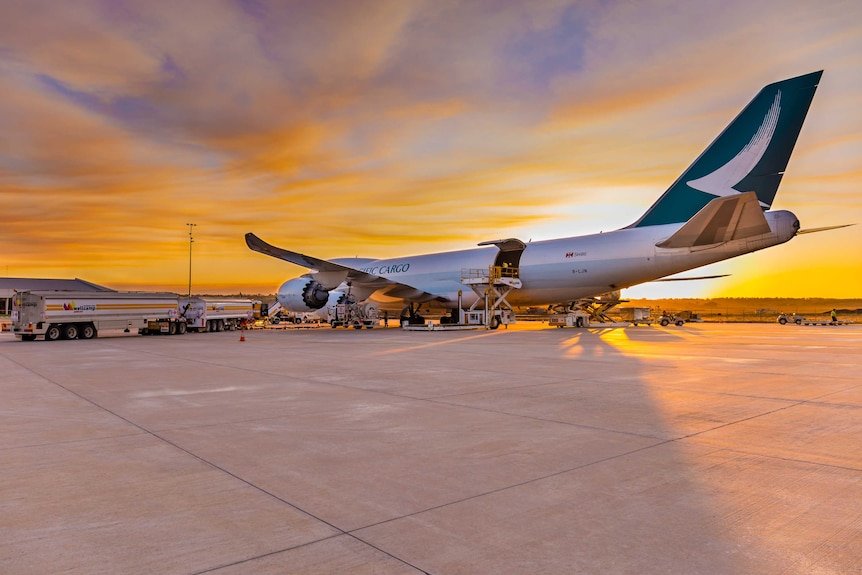
Chinese firms also benefited from extensive shipping networks, integrated supply chains, sophisticated packaging industries and increasingly advanced cold-chain logistics.
The expansion accelerated alongside the Belt and Road Initiative.
China invested heavily in infrastructure projects linking Chinese production centers with Central Asia, Southeast Asia and the Middle East through rail systems, highways, logistics hubs, ports and digital trade corridors.
These transport systems improved access to Muslim-majority consumer markets while reducing shipping times and distribution costs.
Halal trade became deeply connected to those logistics systems.
Chinese authorities and regional governments established halal industrial parks, specialized export zones and certification centers in provinces including Ningxia, Gansu, Qinghai and Xinjiang.
Ningxia in particular positioned itself as a gateway for halal trade with Arab and Muslim-majority countries.
The role of Xinjiang remains politically sensitive.
China’s treatment of Uyghur Muslims in Xinjiang generated severe international criticism, sanctions and allegations of human-rights abuses.
Beijing rejects those accusations and argues its policies target extremism, separatism and terrorism.
That controversy creates a contradiction inside China’s halal export strategy.
On one side, Chinese companies increasingly market products to Muslim consumers worldwide.
On the other, international criticism surrounding Xinjiang creates reputational risks in parts of the Islamic world.
However, many Muslim-majority governments maintained strong economic relations with China despite political criticism from Western countries and human-rights groups.
Economic incentives remain powerful.
China supplies competitively priced food products, processed goods, consumer items, electronics, textiles, pharmaceuticals and manufacturing inputs to rapidly growing Muslim-majority economies.
For many importers, affordability, reliability and supply-chain efficiency outweigh geopolitical concerns.
The rise of younger Muslim consumers also changed the market.
A growing global Muslim middle class increasingly demands branded halal-certified products, online retail access, premium cosmetics, modest fashion, nutritional supplements and lifestyle-oriented consumer goods.
Chinese manufacturers adapted quickly to those trends.
E-commerce platforms, digital marketing systems and cross-border online marketplaces allowed Chinese firms to reach consumers directly in Indonesia, Malaysia, the Gulf states, Pakistan and beyond.
China’s strength lies not necessarily in religious authority but in industrial execution.
Unlike Malaysia or Indonesia, China does not operate a unified national halal law with globally dominant religious certification credibility.
Instead, Chinese exporters often work through foreign certification bodies or internationally recognized halal standards to access overseas markets.
This flexible approach allowed manufacturers to adapt product lines rapidly for different regional requirements.
The food sector remains central.
China exports halal-certified noodles, frozen products, processed meats, seasonings, dairy substitutes, beverages and packaged foods across Asia and the Middle East.
But the expansion increasingly includes pharmaceuticals, cosmetics and health products where halal certification carries growing consumer importance.
The cosmetics industry illustrates the broader transformation.
Younger Muslim consumers increasingly seek halal-certified skincare, makeup and personal-care products that avoid ingredients prohibited under Islamic law.
Chinese manufacturers, already dominant in global consumer-goods production, moved aggressively into that space.
The pharmaceutical market is expanding for similar reasons.
Demand is rising for medicines, supplements and healthcare products produced under halal-compliant manufacturing standards, especially in Southeast Asia and Gulf markets.
Competition is intensifying.
Malaysia remains one of the world’s most respected halal-certification hubs.
Indonesia is rapidly expanding its domestic halal economy.
Gulf countries are investing heavily in food security and halal manufacturing.
But China’s industrial advantages are difficult to match.
The country combines low-cost manufacturing, massive production capacity, fast logistics, advanced e-commerce infrastructure and state-supported export financing.
These strengths allow Chinese firms to scale rapidly once market demand becomes visible.
The geopolitical environment is also influencing the industry.
As global supply chains fragment under rising United States-China tensions, Beijing increasingly seeks stronger commercial integration with emerging markets across the Global South.
Muslim-majority economies form a major part of that strategy.
The halal economy therefore fits neatly into China’s broader export diversification efforts.
For many Muslim-majority countries, China is becoming not only a supplier of goods but also a provider of infrastructure, logistics systems, industrial investment and digital commerce networks.
This deepens long-term economic dependence.
The practical consequence is that China is evolving from a peripheral participant in the halal economy into one of its defining industrial powers.
The deeper reality is that the modern halal market is no longer controlled primarily by religious geography.
It is increasingly shaped by manufacturing dominance, logistics integration, digital commerce and supply-chain power — areas where China already operates at global scale.
China has emerged as one of the world’s largest suppliers of halal-certified products, transforming itself into a major force in a global market traditionally dominated by Muslim-majority economies.
The shift reflects Beijing’s broader strategy of integrating Chinese manufacturing into rapidly expanding consumer markets across Southeast Asia, the Middle East, Central Asia and parts of Africa.
What is confirmed is that China became the largest exporter to the fifty-seven member states of the Organization of Islamic Cooperation in two thousand twenty-three, with shipments valued at roughly thirty-two and a half billion United States dollars.
The country exported more to those markets than India and Brazil, both of which have historically been major suppliers of halal-related goods.
The key issue is that the halal economy is no longer limited to religious food production.
The modern halal market includes food, pharmaceuticals, cosmetics, fashion, logistics, finance, tourism, media, healthcare products and lifestyle services that comply with Islamic standards.
Analysts increasingly view halal consumption as one of the fastest-growing global consumer sectors because of demographic growth, urbanization and rising middle-class spending across Muslim-majority societies.
The global halal economy is projected to reach well above nine trillion dollars by the end of the decade.
China recognized the opportunity early.
Although Muslims make up a relatively small share of China’s population, the country still has an estimated twenty-five million Muslim citizens including Hui, Uyghur, Kazakh and Dongxiang communities.
Historically, China’s halal industry mainly served domestic demand concentrated in western and northwestern provinces.
That changed as Chinese companies expanded into export manufacturing.
The country’s enormous industrial ecosystem allowed producers to manufacture halal-certified products at lower cost and larger scale than many competitors.
Chinese firms also benefited from extensive shipping networks, integrated supply chains, sophisticated packaging industries and increasingly advanced cold-chain logistics.
The expansion accelerated alongside the Belt and Road Initiative.
China invested heavily in infrastructure projects linking Chinese production centers with Central Asia, Southeast Asia and the Middle East through rail systems, highways, logistics hubs, ports and digital trade corridors.
These transport systems improved access to Muslim-majority consumer markets while reducing shipping times and distribution costs.
Halal trade became deeply connected to those logistics systems.
Chinese authorities and regional governments established halal industrial parks, specialized export zones and certification centers in provinces including Ningxia, Gansu, Qinghai and Xinjiang.
Ningxia in particular positioned itself as a gateway for halal trade with Arab and Muslim-majority countries.
The role of Xinjiang remains politically sensitive.
China’s treatment of Uyghur Muslims in Xinjiang generated severe international criticism, sanctions and allegations of human-rights abuses.
Beijing rejects those accusations and argues its policies target extremism, separatism and terrorism.
That controversy creates a contradiction inside China’s halal export strategy.
On one side, Chinese companies increasingly market products to Muslim consumers worldwide.
On the other, international criticism surrounding Xinjiang creates reputational risks in parts of the Islamic world.
However, many Muslim-majority governments maintained strong economic relations with China despite political criticism from Western countries and human-rights groups.
Economic incentives remain powerful.
China supplies competitively priced food products, processed goods, consumer items, electronics, textiles, pharmaceuticals and manufacturing inputs to rapidly growing Muslim-majority economies.
For many importers, affordability, reliability and supply-chain efficiency outweigh geopolitical concerns.
The rise of younger Muslim consumers also changed the market.
A growing global Muslim middle class increasingly demands branded halal-certified products, online retail access, premium cosmetics, modest fashion, nutritional supplements and lifestyle-oriented consumer goods.
Chinese manufacturers adapted quickly to those trends.
E-commerce platforms, digital marketing systems and cross-border online marketplaces allowed Chinese firms to reach consumers directly in Indonesia, Malaysia, the Gulf states, Pakistan and beyond.
China’s strength lies not necessarily in religious authority but in industrial execution.
Unlike Malaysia or Indonesia, China does not operate a unified national halal law with globally dominant religious certification credibility.
Instead, Chinese exporters often work through foreign certification bodies or internationally recognized halal standards to access overseas markets.
This flexible approach allowed manufacturers to adapt product lines rapidly for different regional requirements.
The food sector remains central.
China exports halal-certified noodles, frozen products, processed meats, seasonings, dairy substitutes, beverages and packaged foods across Asia and the Middle East.
But the expansion increasingly includes pharmaceuticals, cosmetics and health products where halal certification carries growing consumer importance.
The cosmetics industry illustrates the broader transformation.
Younger Muslim consumers increasingly seek halal-certified skincare, makeup and personal-care products that avoid ingredients prohibited under Islamic law.
Chinese manufacturers, already dominant in global consumer-goods production, moved aggressively into that space.
The pharmaceutical market is expanding for similar reasons.
Demand is rising for medicines, supplements and healthcare products produced under halal-compliant manufacturing standards, especially in Southeast Asia and Gulf markets.
Competition is intensifying.
Malaysia remains one of the world’s most respected halal-certification hubs.
Indonesia is rapidly expanding its domestic halal economy.
Gulf countries are investing heavily in food security and halal manufacturing.
But China’s industrial advantages are difficult to match.
The country combines low-cost manufacturing, massive production capacity, fast logistics, advanced e-commerce infrastructure and state-supported export financing.
These strengths allow Chinese firms to scale rapidly once market demand becomes visible.
The geopolitical environment is also influencing the industry.
As global supply chains fragment under rising United States-China tensions, Beijing increasingly seeks stronger commercial integration with emerging markets across the Global South.
Muslim-majority economies form a major part of that strategy.
The halal economy therefore fits neatly into China’s broader export diversification efforts.
For many Muslim-majority countries, China is becoming not only a supplier of goods but also a provider of infrastructure, logistics systems, industrial investment and digital commerce networks.
This deepens long-term economic dependence.
The practical consequence is that China is evolving from a peripheral participant in the halal economy into one of its defining industrial powers.
The deeper reality is that the modern halal market is no longer controlled primarily by religious geography.
It is increasingly shaped by manufacturing dominance, logistics integration, digital commerce and supply-chain power — areas where China already operates at global scale.