A planned telecommunications link connecting Central Asia into Hong Kong’s submarine cable system reflects China’s broader effort to secure alternative global data routes, strengthen regional influence, and reduce vulnerability to geopolitical disruption.
China’s expansion of digital infrastructure across Central Asia is fundamentally system-driven because the project is part of a larger restructuring of global communications networks under conditions of geopolitical fragmentation, technological competition, and rising concern over strategic control of data flows.
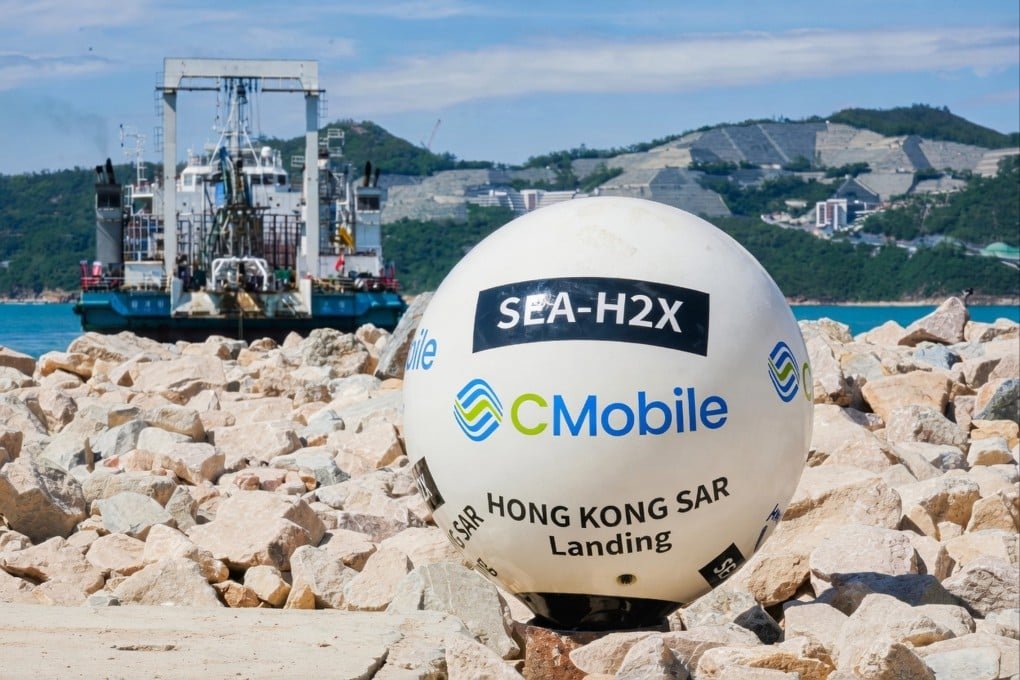
China Mobile, one of China’s largest state-owned telecommunications companies, plans to build a new communications connection linking Central Asia into Hong Kong’s submarine cable network.
The project reflects Beijing’s accelerating effort to deepen digital connectivity across Eurasia while strengthening alternative telecommunications routes that reduce dependence on Western-controlled infrastructure and vulnerable maritime chokepoints.
What is confirmed is that the planned link would integrate Central Asian telecommunications traffic more directly with Hong Kong’s role as a major international data and financial hub.
The project aligns closely with China’s broader Digital Silk Road strategy, which extends the Belt and Road Initiative into telecommunications, cloud infrastructure, fiber-optic systems, satellite services, artificial intelligence networks, and digital commerce.
The key issue is not simply internet speed or commercial telecom expansion.
Control over digital infrastructure increasingly carries strategic, economic, and geopolitical significance comparable to ports, railways, pipelines, and energy systems.
Submarine cables and cross-border fiber networks now form the backbone of global finance, cloud computing, government communications, artificial intelligence infrastructure, logistics systems, and military coordination.
The overwhelming majority of global internet traffic travels through physical cable systems rather than satellites.
That makes telecommunications infrastructure a critical arena of international competition.
China views digital connectivity as essential to long-term economic influence and technological security.
The country has spent years expanding telecommunications partnerships across Asia, Africa, the Middle East, and parts of Europe through state-backed firms including China Mobile, Huawei, China Telecom, and China Unicom.
Central Asia occupies a particularly important position inside that strategy.
The region sits geographically between China, Russia, Europe, and the Middle East, making it a strategic transit corridor for both physical trade and digital communications.
Countries including Kazakhstan, Kyrgyzstan, Uzbekistan, and others are increasingly becoming part of emerging overland data routes linking Asia and Europe.
The push gained urgency after several major geopolitical developments.
The war in Ukraine disrupted parts of Eurasian infrastructure planning and increased pressure to diversify communications routes.
Rising United States-China technological rivalry also intensified Chinese concerns about dependence on global systems vulnerable to sanctions, surveillance pressure, or strategic disruption.
Hong Kong’s role in the project is highly significant.
Despite political tensions and growing scrutiny from Western governments following the national security law, Hong Kong remains one of Asia’s most important telecommunications and financial connectivity hubs.
The city hosts major submarine cable landing stations, internet exchange infrastructure, cloud-computing operations, and international financial data systems.
By routing Central Asian traffic into Hong Kong-linked systems, China strengthens the city’s relevance inside emerging Eurasian digital trade architecture.
The project also reflects a broader transformation in how states think about sovereignty and infrastructure.
Governments increasingly view data networks as strategic national assets rather than purely commercial utilities.
Telecommunications infrastructure now influences economic competitiveness, cybersecurity resilience, intelligence gathering, digital trade, and political leverage.
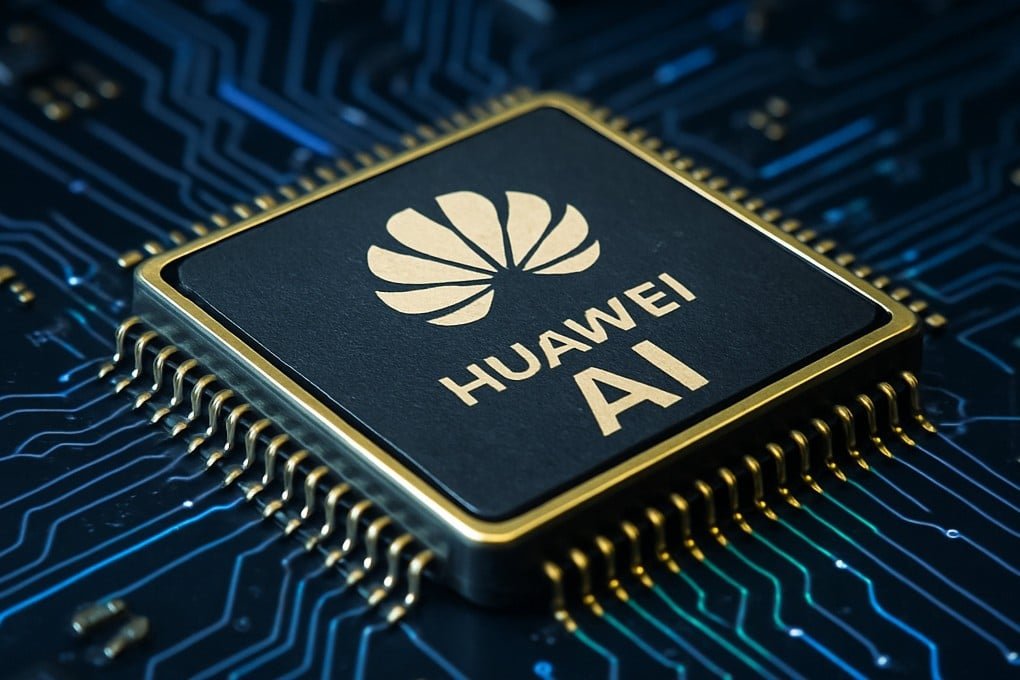
The United States and several allies have repeatedly raised security concerns about Chinese telecommunications firms, especially Huawei, arguing that Chinese state-linked infrastructure could create surveillance or espionage risks.
Beijing rejects those accusations and argues Western governments are attempting to suppress Chinese technological development for geopolitical reasons.
This confrontation increasingly shapes global infrastructure planning.
Countries across Asia, Africa, and the Middle East often face competing offers from Chinese firms and Western-backed alternatives involving telecommunications systems, cloud infrastructure, data centers, and fiber networks.
Central Asian governments are attempting to benefit from this competition.
The region seeks greater digital modernization, better internet connectivity, expanded cloud capacity, stronger logistics systems, and deeper integration into international trade routes.
Chinese investment provides financing, engineering capability, and rapid deployment capacity that many regional governments view as attractive.
The telecommunications sector is becoming deeply tied to broader economic development.
Digital connectivity supports banking systems, e-commerce, industrial automation, customs management, smart-city systems, artificial intelligence deployment, and cross-border logistics coordination.
For China, stronger digital integration with Central Asia also supports overland trade routes linked to the Belt and Road Initiative.
The more connected Eurasian infrastructure becomes, the more resilient Chinese trade and communications systems become against maritime disruption or geopolitical pressure in the Pacific.
This matters because China remains heavily dependent on undersea cable systems and shipping lanes passing through strategically sensitive regions.
Alternative overland digital corridors therefore carry increasing strategic value.
The project also highlights Hong Kong’s evolving economic identity.
The city is increasingly positioning itself not just as a financial center but as a regional platform for Chinese outbound infrastructure, telecommunications, and data integration.
That transition comes as Hong Kong faces mounting competition from Singapore in finance, technology investment, and regional corporate headquarters.
Strengthening its role inside China-linked digital infrastructure projects helps preserve the city’s strategic importance.
The commercial incentives are substantial.
Cross-border data traffic across Asia continues growing rapidly because of cloud computing, streaming services, financial technology, artificial intelligence systems, e-commerce, and industrial digitization.
Telecommunications operators increasingly compete not only over consumers but over control of major international data corridors.
The Central Asia connection therefore represents more than a telecom expansion project.
It reflects the emergence of a new geopolitical reality in which fiber-optic systems, submarine cables, cloud networks, and data-routing infrastructure are becoming as strategically contested as oil pipelines, ports, and shipping routes.
The practical consequence is that China is steadily constructing a parallel architecture of Eurasian connectivity designed to strengthen economic integration, reduce external vulnerability, and expand Chinese influence across the physical and digital systems that increasingly underpin the global economy.
China Mobile, one of China’s largest state-owned telecommunications companies, plans to build a new communications connection linking Central Asia into Hong Kong’s submarine cable network.
The project reflects Beijing’s accelerating effort to deepen digital connectivity across Eurasia while strengthening alternative telecommunications routes that reduce dependence on Western-controlled infrastructure and vulnerable maritime chokepoints.
What is confirmed is that the planned link would integrate Central Asian telecommunications traffic more directly with Hong Kong’s role as a major international data and financial hub.
The project aligns closely with China’s broader Digital Silk Road strategy, which extends the Belt and Road Initiative into telecommunications, cloud infrastructure, fiber-optic systems, satellite services, artificial intelligence networks, and digital commerce.
The key issue is not simply internet speed or commercial telecom expansion.
Control over digital infrastructure increasingly carries strategic, economic, and geopolitical significance comparable to ports, railways, pipelines, and energy systems.
Submarine cables and cross-border fiber networks now form the backbone of global finance, cloud computing, government communications, artificial intelligence infrastructure, logistics systems, and military coordination.
The overwhelming majority of global internet traffic travels through physical cable systems rather than satellites.
That makes telecommunications infrastructure a critical arena of international competition.
China views digital connectivity as essential to long-term economic influence and technological security.
The country has spent years expanding telecommunications partnerships across Asia, Africa, the Middle East, and parts of Europe through state-backed firms including China Mobile, Huawei, China Telecom, and China Unicom.
Central Asia occupies a particularly important position inside that strategy.
The region sits geographically between China, Russia, Europe, and the Middle East, making it a strategic transit corridor for both physical trade and digital communications.
Countries including Kazakhstan, Kyrgyzstan, Uzbekistan, and others are increasingly becoming part of emerging overland data routes linking Asia and Europe.
The push gained urgency after several major geopolitical developments.
The war in Ukraine disrupted parts of Eurasian infrastructure planning and increased pressure to diversify communications routes.
Rising United States-China technological rivalry also intensified Chinese concerns about dependence on global systems vulnerable to sanctions, surveillance pressure, or strategic disruption.
Hong Kong’s role in the project is highly significant.
Despite political tensions and growing scrutiny from Western governments following the national security law, Hong Kong remains one of Asia’s most important telecommunications and financial connectivity hubs.
The city hosts major submarine cable landing stations, internet exchange infrastructure, cloud-computing operations, and international financial data systems.
By routing Central Asian traffic into Hong Kong-linked systems, China strengthens the city’s relevance inside emerging Eurasian digital trade architecture.
The project also reflects a broader transformation in how states think about sovereignty and infrastructure.
Governments increasingly view data networks as strategic national assets rather than purely commercial utilities.
Telecommunications infrastructure now influences economic competitiveness, cybersecurity resilience, intelligence gathering, digital trade, and political leverage.
The United States and several allies have repeatedly raised security concerns about Chinese telecommunications firms, especially Huawei, arguing that Chinese state-linked infrastructure could create surveillance or espionage risks.
Beijing rejects those accusations and argues Western governments are attempting to suppress Chinese technological development for geopolitical reasons.
This confrontation increasingly shapes global infrastructure planning.
Countries across Asia, Africa, and the Middle East often face competing offers from Chinese firms and Western-backed alternatives involving telecommunications systems, cloud infrastructure, data centers, and fiber networks.
Central Asian governments are attempting to benefit from this competition.
The region seeks greater digital modernization, better internet connectivity, expanded cloud capacity, stronger logistics systems, and deeper integration into international trade routes.
Chinese investment provides financing, engineering capability, and rapid deployment capacity that many regional governments view as attractive.
The telecommunications sector is becoming deeply tied to broader economic development.
Digital connectivity supports banking systems, e-commerce, industrial automation, customs management, smart-city systems, artificial intelligence deployment, and cross-border logistics coordination.
For China, stronger digital integration with Central Asia also supports overland trade routes linked to the Belt and Road Initiative.
The more connected Eurasian infrastructure becomes, the more resilient Chinese trade and communications systems become against maritime disruption or geopolitical pressure in the Pacific.
This matters because China remains heavily dependent on undersea cable systems and shipping lanes passing through strategically sensitive regions.
Alternative overland digital corridors therefore carry increasing strategic value.
The project also highlights Hong Kong’s evolving economic identity.
The city is increasingly positioning itself not just as a financial center but as a regional platform for Chinese outbound infrastructure, telecommunications, and data integration.
That transition comes as Hong Kong faces mounting competition from Singapore in finance, technology investment, and regional corporate headquarters.
Strengthening its role inside China-linked digital infrastructure projects helps preserve the city’s strategic importance.
The commercial incentives are substantial.
Cross-border data traffic across Asia continues growing rapidly because of cloud computing, streaming services, financial technology, artificial intelligence systems, e-commerce, and industrial digitization.
Telecommunications operators increasingly compete not only over consumers but over control of major international data corridors.
The Central Asia connection therefore represents more than a telecom expansion project.
It reflects the emergence of a new geopolitical reality in which fiber-optic systems, submarine cables, cloud networks, and data-routing infrastructure are becoming as strategically contested as oil pipelines, ports, and shipping routes.
The practical consequence is that China is steadily constructing a parallel architecture of Eurasian connectivity designed to strengthen economic integration, reduce external vulnerability, and expand Chinese influence across the physical and digital systems that increasingly underpin the global economy.