Companies in pharmaceuticals and biotech are increasingly using Hong Kong as a base for Asia operations, supported by financing access, policy incentives, and Greater Bay Area links
Hong Kong’s role as a regional base for biotechnology and life sciences companies is expanding as firms increasingly position the city as a headquarters hub for Asia operations, reflecting a broader effort to integrate research, financing, and cross-border commercialization in the sector.
What is confirmed is that Hong Kong has in recent years developed a large and growing biotech ecosystem, supported by targeted listing reforms and policy initiatives that allow pre-revenue and early-stage life sciences companies to access capital markets.
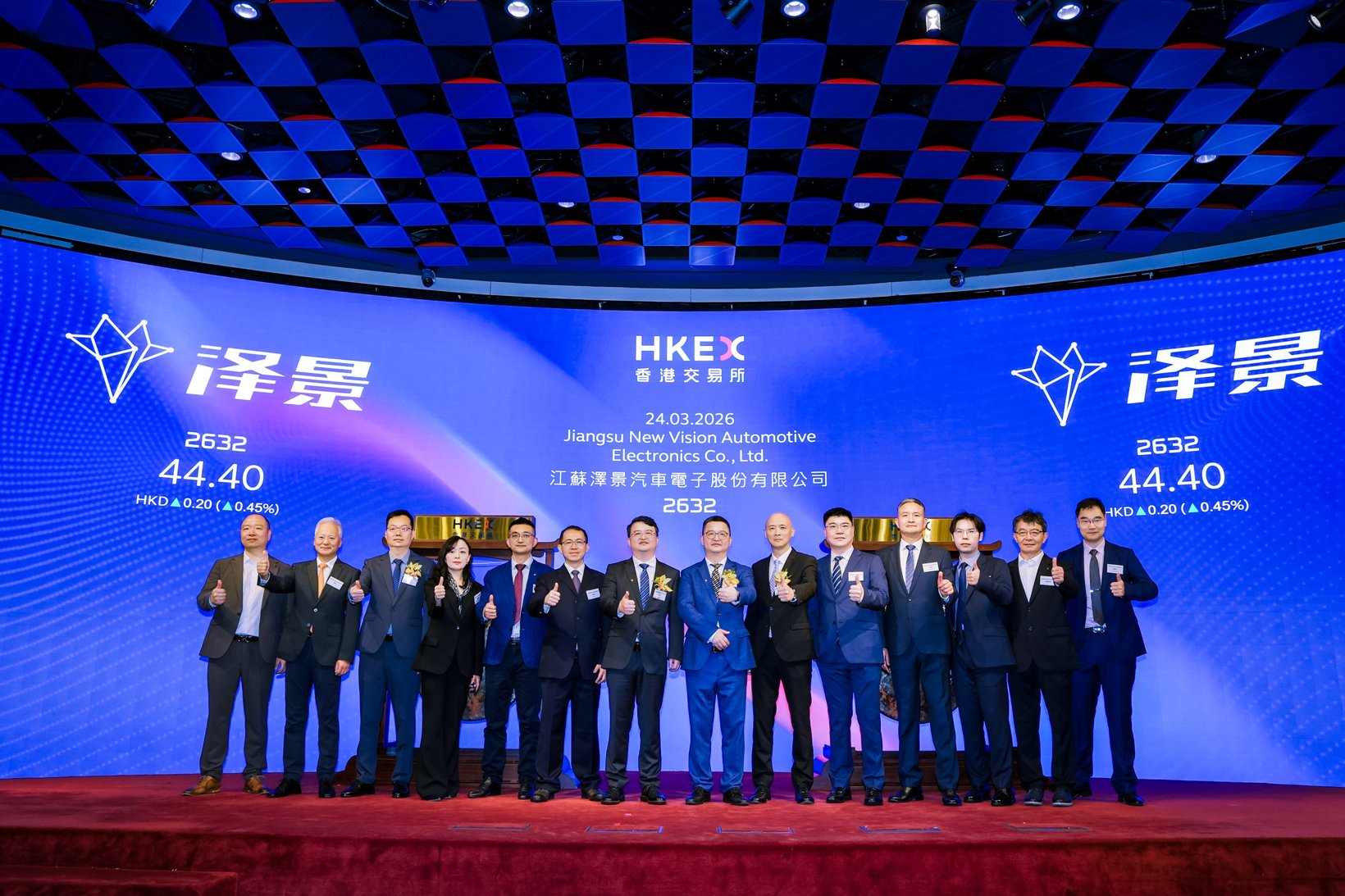
Official exchange data shows that more than 260 biotech and healthcare firms are now listed locally, with the sector collectively valued in the trillions of Hong Kong dollars, underscoring the depth of market participation in the industry.
Companies operating in the sector increasingly cite Hong Kong’s financial infrastructure and regulatory environment as key reasons for establishing or expanding regional headquarters functions in the city.
These functions typically include fundraising, investor relations, intellectual property management, and coordination of clinical and commercial activities across mainland China and international markets.
The trend is reinforced by government-linked investment promotion efforts that present Hong Kong as a launchpad for life sciences and biotechnology development, with access to both global capital and mainland research networks.
Authorities and investment agencies have highlighted the city’s clinical research capacity, intellectual property protections, and proximity to the Greater Bay Area as structural advantages for biotech firms seeking cross-border scale.
At the same time, several firms in the broader pharmaceutical and biotech ecosystem have been moving parts of their strategic operations to Hong Kong or establishing dual-base structures, pairing research facilities in mainland innovation hubs with financial and corporate headquarters functions in the city.
This model is increasingly used to streamline fundraising and regulatory engagement while maintaining proximity to production and R&D pipelines.
The expansion comes amid strong regional competition for high-value life sciences investment, particularly in fields such as cell therapy, drug discovery, and medical technology.
Hong Kong has sought to differentiate itself by focusing on capital market access and regulatory alignment with international standards, rather than large-scale manufacturing.
While the city’s positioning as a biotech headquarters hub is strengthening, the long-term scale of the shift remains uncertain.
The sustainability of this model will depend on continued capital inflows, the ability to attract and retain scientific talent, and the competitiveness of alternative regional centers also seeking to capture life sciences investment.
What is confirmed is that Hong Kong has in recent years developed a large and growing biotech ecosystem, supported by targeted listing reforms and policy initiatives that allow pre-revenue and early-stage life sciences companies to access capital markets.
Official exchange data shows that more than 260 biotech and healthcare firms are now listed locally, with the sector collectively valued in the trillions of Hong Kong dollars, underscoring the depth of market participation in the industry.
Companies operating in the sector increasingly cite Hong Kong’s financial infrastructure and regulatory environment as key reasons for establishing or expanding regional headquarters functions in the city.
These functions typically include fundraising, investor relations, intellectual property management, and coordination of clinical and commercial activities across mainland China and international markets.
The trend is reinforced by government-linked investment promotion efforts that present Hong Kong as a launchpad for life sciences and biotechnology development, with access to both global capital and mainland research networks.
Authorities and investment agencies have highlighted the city’s clinical research capacity, intellectual property protections, and proximity to the Greater Bay Area as structural advantages for biotech firms seeking cross-border scale.
At the same time, several firms in the broader pharmaceutical and biotech ecosystem have been moving parts of their strategic operations to Hong Kong or establishing dual-base structures, pairing research facilities in mainland innovation hubs with financial and corporate headquarters functions in the city.
This model is increasingly used to streamline fundraising and regulatory engagement while maintaining proximity to production and R&D pipelines.
The expansion comes amid strong regional competition for high-value life sciences investment, particularly in fields such as cell therapy, drug discovery, and medical technology.
Hong Kong has sought to differentiate itself by focusing on capital market access and regulatory alignment with international standards, rather than large-scale manufacturing.
While the city’s positioning as a biotech headquarters hub is strengthening, the long-term scale of the shift remains uncertain.
The sustainability of this model will depend on continued capital inflows, the ability to attract and retain scientific talent, and the competitiveness of alternative regional centers also seeking to capture life sciences investment.