Investigation launched into how anonymised UK Biobank dataset was listed online, prompting suspension of access and regulatory scrutiny
The UK government has launched an investigation after anonymised health data from around 500,000 volunteers in a major biomedical research programme appeared for sale on Chinese e-commerce platforms operated by Alibaba.
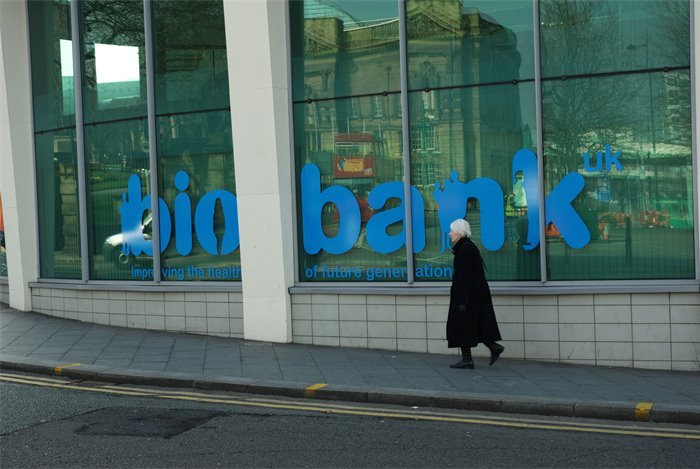
What is confirmed is that UK Biobank, a large-scale health research resource used by scientists worldwide, informed authorities that its dataset had been listed in multiple online postings.
The material is understood to relate to data from its volunteer cohort, which includes detailed health, genetic, and lifestyle information collected for research purposes.
According to government statements, the listings were identified across several vendors and were removed after intervention involving UK authorities, UK Biobank, Alibaba, and Chinese officials.
Officials have said there is no evidence that any of the data was successfully sold before it was taken down.
The dataset in question is described as anonymised, meaning it does not include direct identifiers such as names, addresses, or contact details.
However, it does contain sensitive information such as demographic details and health measurements, which has raised concern among data protection experts even when stripped of personal identifiers.
UK Biobank has described the incident as a breach of its data-sharing terms and has revoked access for three research institutions linked to the source of the listings.
It has also paused access to parts of its research platform while introducing additional technical safeguards intended to prevent bulk extraction of data.
The UK’s Information Commissioner’s Office has been notified and is examining the circumstances, while a broader investigation is under way to determine how the material was extracted and listed for sale.
Officials have said they are working to establish whether the breach occurred through misuse of legitimate research access or other technical or contractual violations.
What remains unclear is the precise pathway by which the data appeared on commercial listings, and whether any malicious intent or systemic security failure was involved.
Authorities have not publicly confirmed the identity of individuals responsible or whether the incident reflects isolated misconduct or broader weaknesses in data governance arrangements.
The case has renewed scrutiny of large-scale biomedical data platforms, which depend on public trust and strict controls to enable international research collaboration while safeguarding sensitive health information.
The outcome of the investigation is expected to shape how such datasets are accessed and monitored in future.
What is confirmed is that UK Biobank, a large-scale health research resource used by scientists worldwide, informed authorities that its dataset had been listed in multiple online postings.
The material is understood to relate to data from its volunteer cohort, which includes detailed health, genetic, and lifestyle information collected for research purposes.
According to government statements, the listings were identified across several vendors and were removed after intervention involving UK authorities, UK Biobank, Alibaba, and Chinese officials.
Officials have said there is no evidence that any of the data was successfully sold before it was taken down.
The dataset in question is described as anonymised, meaning it does not include direct identifiers such as names, addresses, or contact details.
However, it does contain sensitive information such as demographic details and health measurements, which has raised concern among data protection experts even when stripped of personal identifiers.
UK Biobank has described the incident as a breach of its data-sharing terms and has revoked access for three research institutions linked to the source of the listings.
It has also paused access to parts of its research platform while introducing additional technical safeguards intended to prevent bulk extraction of data.
The UK’s Information Commissioner’s Office has been notified and is examining the circumstances, while a broader investigation is under way to determine how the material was extracted and listed for sale.
Officials have said they are working to establish whether the breach occurred through misuse of legitimate research access or other technical or contractual violations.
What remains unclear is the precise pathway by which the data appeared on commercial listings, and whether any malicious intent or systemic security failure was involved.
Authorities have not publicly confirmed the identity of individuals responsible or whether the incident reflects isolated misconduct or broader weaknesses in data governance arrangements.
The case has renewed scrutiny of large-scale biomedical data platforms, which depend on public trust and strict controls to enable international research collaboration while safeguarding sensitive health information.
The outcome of the investigation is expected to shape how such datasets are accessed and monitored in future.