Regulators say audit failures helped mask China Evergrande’s financial collapse, triggering fines, compensation orders, and a temporary client ban on PwC Hong Kong
Hong Kong’s financial regulators have imposed a total penalty of about US$166 million on PricewaterhouseCoopers’ Hong Kong arm after finding serious audit failures in its work for China Evergrande Group, the collapsed property developer whose downfall triggered a wider crisis in China’s real estate sector.
The action, confirmed by the Securities and Futures Commission and the Accounting and Financial Reporting Council, concludes a long-running investigation into PwC’s audits of Evergrande’s 2019 and 2020 financial statements.
What is confirmed is that regulators concluded those audits failed to detect or properly challenge material misstatements, including the premature recognition of revenue that inflated reported performance.
Under the settlement, PwC Hong Kong agreed to pay HK$1.3 billion in total penalties and compensation.
Roughly HK$1 billion of that sum is allocated to a compensation fund for eligible minority shareholders who held Evergrande stock, while HK$300 million is a direct regulatory fine imposed by the accounting watchdog.
The agreement was reached without PwC admitting liability, and authorities say no further action will be taken if the terms are fulfilled.
Alongside the financial penalties, regulators imposed a six-month ban preventing PwC from taking on new listed-company audit clients in Hong Kong.
Two former audit partners were also publicly reprimanded and fined HK$5 million each, reflecting what regulators described as failures in professional judgment and audit skepticism.
Regulatory findings describe the audit shortcomings as severe, alleging that PwC did not adequately verify documentation supporting Evergrande’s reported revenue and failed to apply sufficient scrutiny to management representations.
These failures, regulators said, contributed to misleading financial statements that obscured the company’s deteriorating financial position before its eventual default.
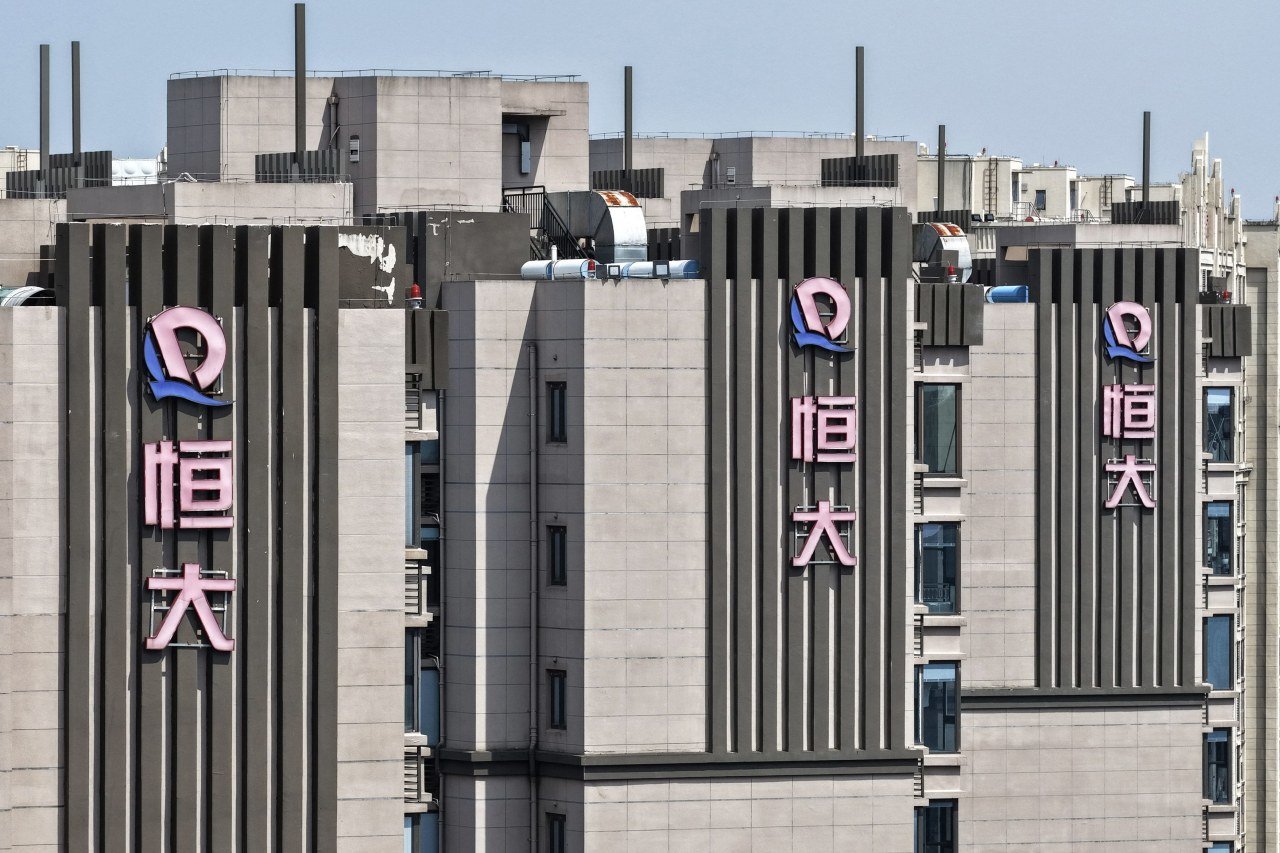
Evergrande, once among China’s largest property developers, collapsed under more than US$300 billion in liabilities and defaulted in 2021, setting off a prolonged sector-wide crisis.
The company has since been ordered into liquidation in Hong Kong, and related legal and enforcement actions continue across multiple jurisdictions, including separate proceedings involving former executives.
The settlement adds to earlier penalties imposed on PwC in mainland China over its Evergrande audits, reflecting coordinated regulatory pressure on audit practices tied to one of China’s most significant corporate failures in decades.
PwC has said the resolution addresses historical issues and does not affect its ongoing client work, though the case further underscores heightened scrutiny of major audit firms operating in Hong Kong’s capital markets.
The action, confirmed by the Securities and Futures Commission and the Accounting and Financial Reporting Council, concludes a long-running investigation into PwC’s audits of Evergrande’s 2019 and 2020 financial statements.
What is confirmed is that regulators concluded those audits failed to detect or properly challenge material misstatements, including the premature recognition of revenue that inflated reported performance.
Under the settlement, PwC Hong Kong agreed to pay HK$1.3 billion in total penalties and compensation.
Roughly HK$1 billion of that sum is allocated to a compensation fund for eligible minority shareholders who held Evergrande stock, while HK$300 million is a direct regulatory fine imposed by the accounting watchdog.
The agreement was reached without PwC admitting liability, and authorities say no further action will be taken if the terms are fulfilled.
Alongside the financial penalties, regulators imposed a six-month ban preventing PwC from taking on new listed-company audit clients in Hong Kong.
Two former audit partners were also publicly reprimanded and fined HK$5 million each, reflecting what regulators described as failures in professional judgment and audit skepticism.
Regulatory findings describe the audit shortcomings as severe, alleging that PwC did not adequately verify documentation supporting Evergrande’s reported revenue and failed to apply sufficient scrutiny to management representations.
These failures, regulators said, contributed to misleading financial statements that obscured the company’s deteriorating financial position before its eventual default.
Evergrande, once among China’s largest property developers, collapsed under more than US$300 billion in liabilities and defaulted in 2021, setting off a prolonged sector-wide crisis.
The company has since been ordered into liquidation in Hong Kong, and related legal and enforcement actions continue across multiple jurisdictions, including separate proceedings involving former executives.
The settlement adds to earlier penalties imposed on PwC in mainland China over its Evergrande audits, reflecting coordinated regulatory pressure on audit practices tied to one of China’s most significant corporate failures in decades.
PwC has said the resolution addresses historical issues and does not affect its ongoing client work, though the case further underscores heightened scrutiny of major audit firms operating in Hong Kong’s capital markets.