New initiatives and industry partnerships aim to attract startups, capital, and cross-border innovation networks
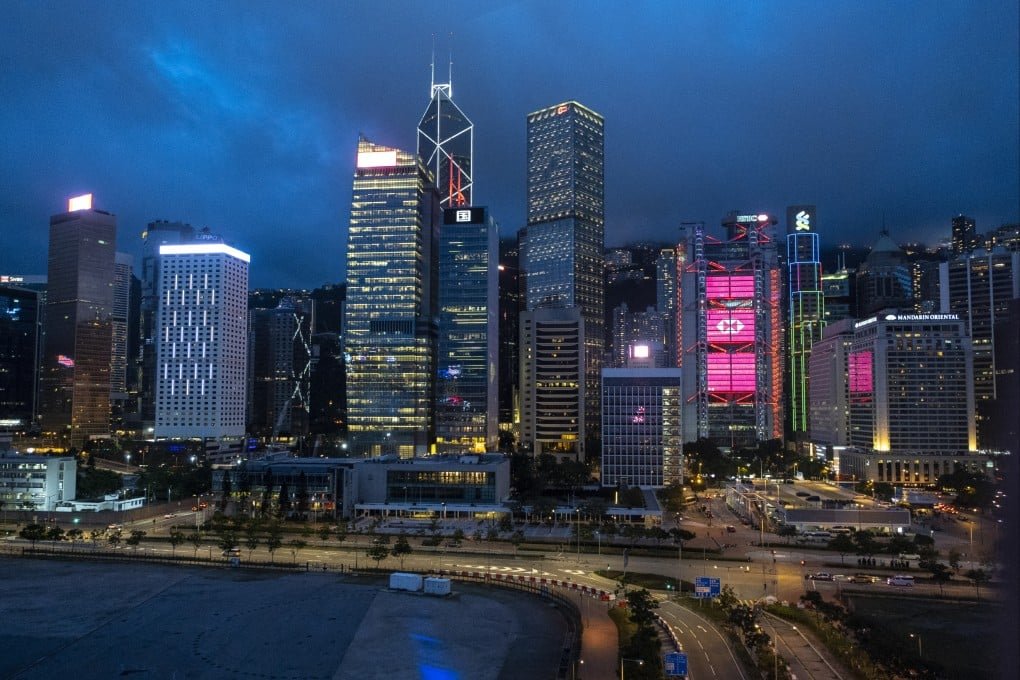
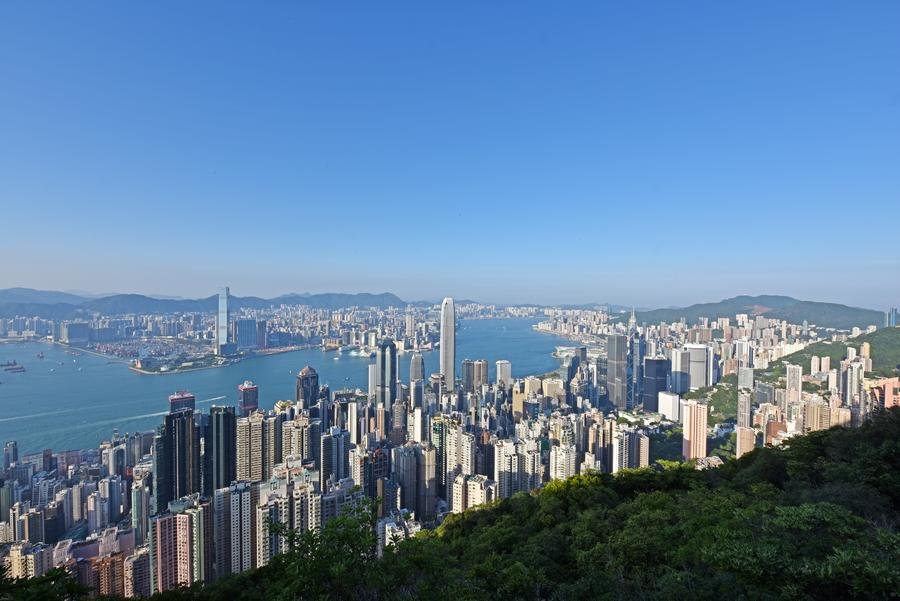
Hong Kong’s efforts to strengthen its role as an international technology hub are increasingly being driven by structured initiatives that link startups, investors, and overseas partners, as the city seeks to position itself as a key gateway between mainland China and global markets.
What is confirmed is that recent programmes led by local innovation institutions, including platforms designed to connect startups with overseas capital and corporate partners, are being presented as part of a broader strategy to expand Hong Kong’s influence in global technology ecosystems.
These initiatives focus on helping companies scale across borders while using the city as an operational and financial bridge.
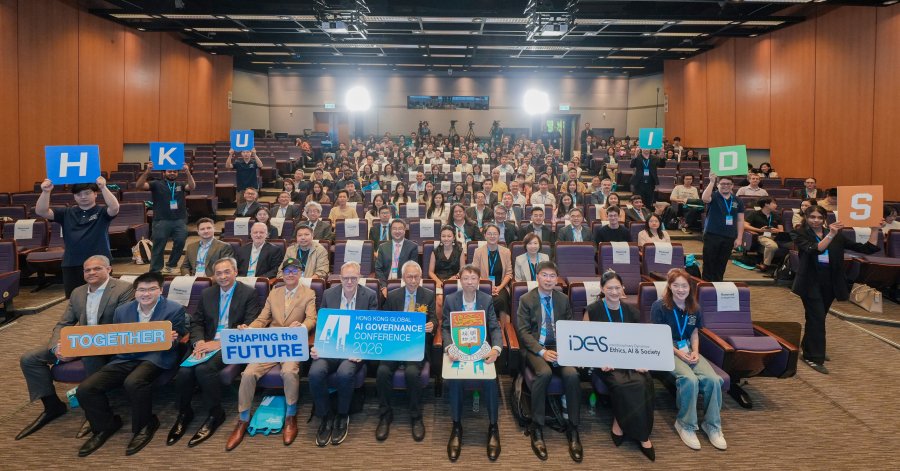
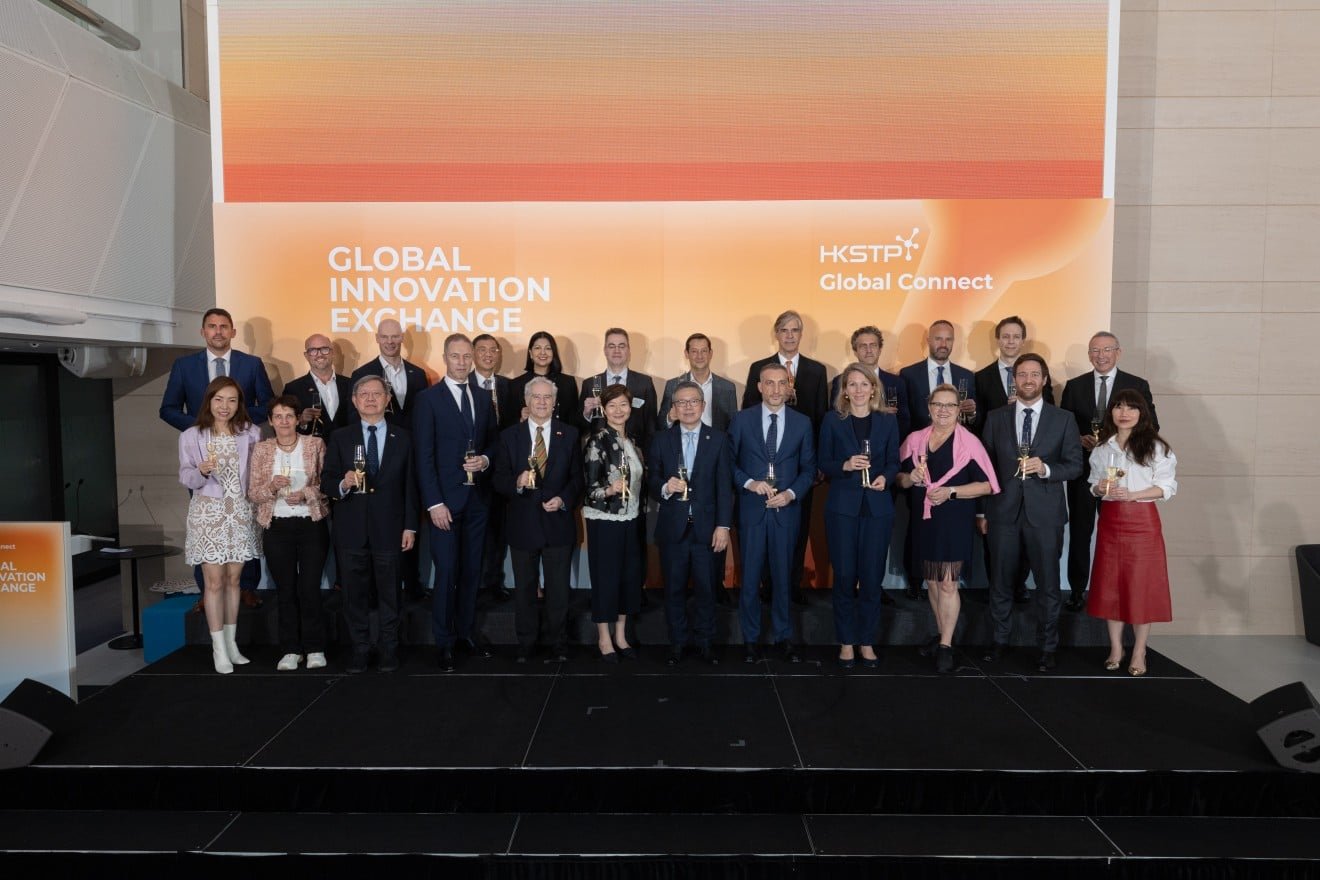
One of the most prominent developments is a newly launched global innovation networking platform designed to bring together technology ventures, investors, and institutional partners from multiple countries.
The platform is intended to facilitate what organisers describe as “soft landing” pathways for startups entering Hong Kong and the wider Greater Bay Area, while also helping local companies access foreign markets.
Officials and industry participants involved in these programmes have framed Hong Kong as a “super-connector” between mainland China’s industrial and research capacity and international capital markets.
The emphasis reflects a policy direction that has been building over several years, with authorities seeking to reinforce the city’s traditional strengths in finance and professional services through deeper integration with the technology sector.
The push comes amid a broader regional competition to attract high-growth technology companies, particularly in artificial intelligence, biotechnology, and advanced manufacturing.
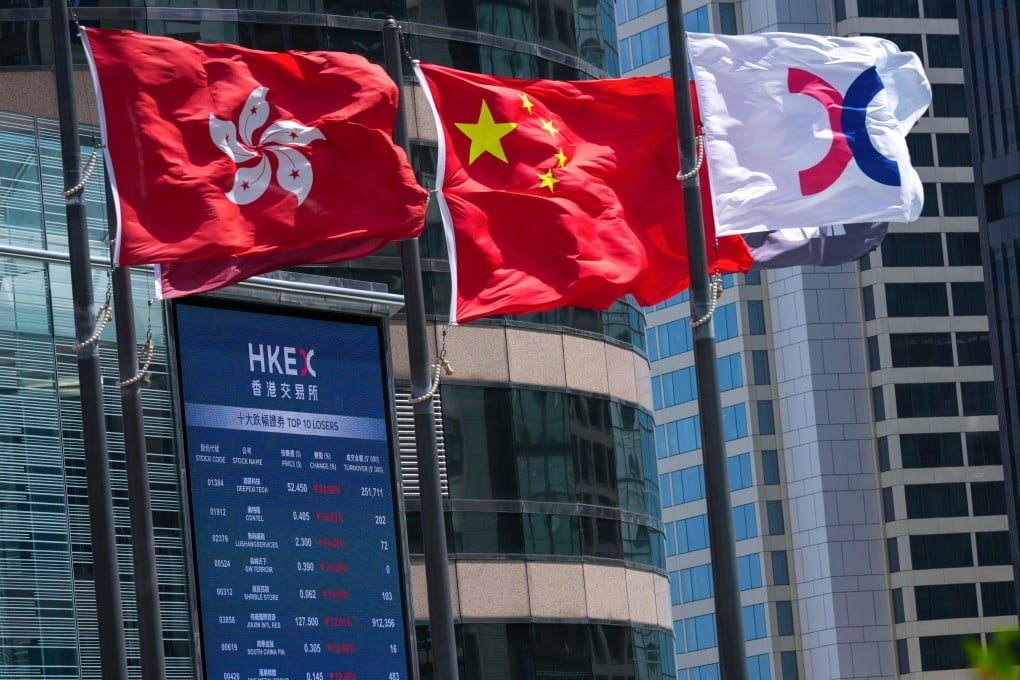
Hong Kong has been working to expand its appeal to such firms through funding schemes, research collaboration platforms, and simplified listing pathways for tech companies seeking access to capital markets.
While supporters argue that the city’s legal system, financial infrastructure, and proximity to mainland China make it uniquely positioned as a technology gateway, the extent to which these initiatives will translate into sustained global leadership remains uncertain.
Analysts and stakeholders continue to note that long-term success will depend on the depth of private-sector participation and the ability to retain talent and research-driven enterprises.
For now, the direction of policy and institutional investment suggests a continued effort to embed Hong Kong more firmly into global innovation networks, even as the competitive landscape for technology hubs intensifies across Asia and beyond.
What is confirmed is that recent programmes led by local innovation institutions, including platforms designed to connect startups with overseas capital and corporate partners, are being presented as part of a broader strategy to expand Hong Kong’s influence in global technology ecosystems.
These initiatives focus on helping companies scale across borders while using the city as an operational and financial bridge.
One of the most prominent developments is a newly launched global innovation networking platform designed to bring together technology ventures, investors, and institutional partners from multiple countries.
The platform is intended to facilitate what organisers describe as “soft landing” pathways for startups entering Hong Kong and the wider Greater Bay Area, while also helping local companies access foreign markets.
Officials and industry participants involved in these programmes have framed Hong Kong as a “super-connector” between mainland China’s industrial and research capacity and international capital markets.
The emphasis reflects a policy direction that has been building over several years, with authorities seeking to reinforce the city’s traditional strengths in finance and professional services through deeper integration with the technology sector.
The push comes amid a broader regional competition to attract high-growth technology companies, particularly in artificial intelligence, biotechnology, and advanced manufacturing.
Hong Kong has been working to expand its appeal to such firms through funding schemes, research collaboration platforms, and simplified listing pathways for tech companies seeking access to capital markets.
While supporters argue that the city’s legal system, financial infrastructure, and proximity to mainland China make it uniquely positioned as a technology gateway, the extent to which these initiatives will translate into sustained global leadership remains uncertain.
Analysts and stakeholders continue to note that long-term success will depend on the depth of private-sector participation and the ability to retain talent and research-driven enterprises.
For now, the direction of policy and institutional investment suggests a continued effort to embed Hong Kong more firmly into global innovation networks, even as the competitive landscape for technology hubs intensifies across Asia and beyond.