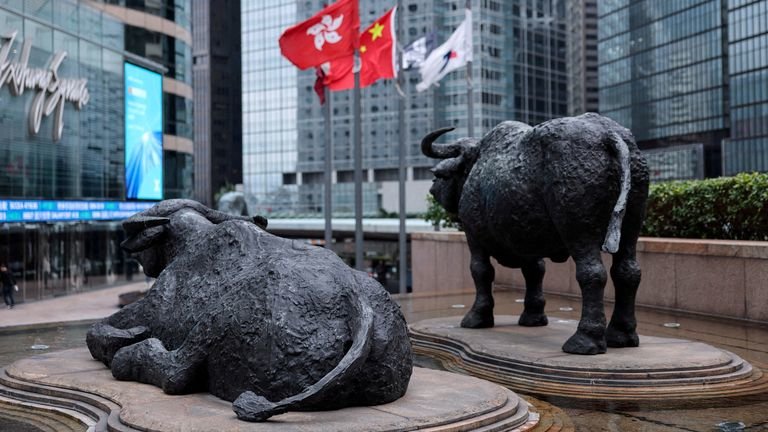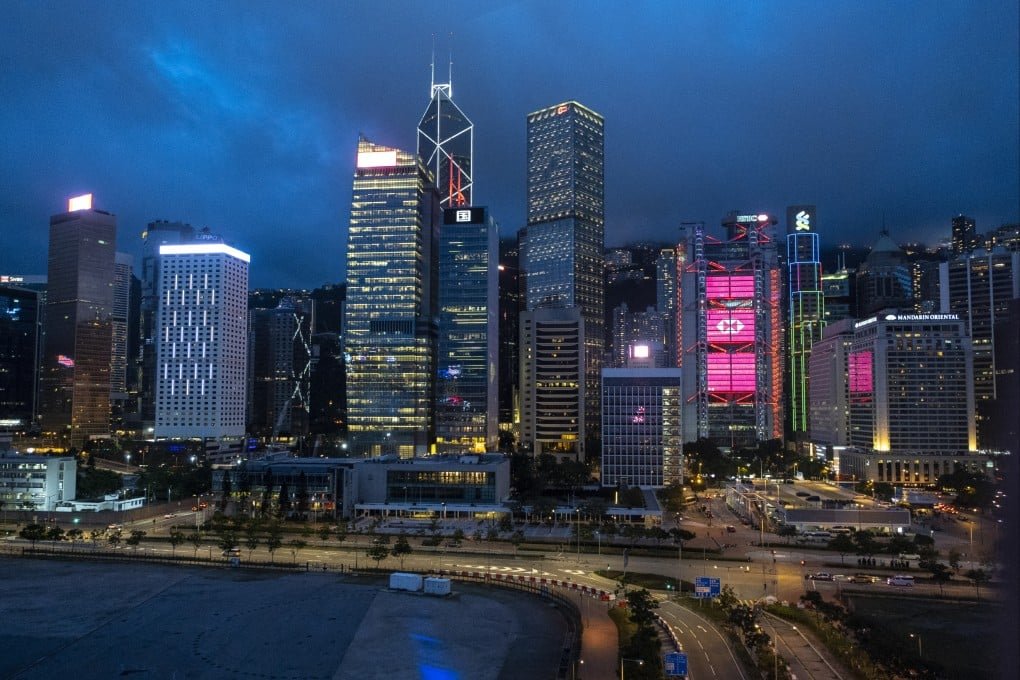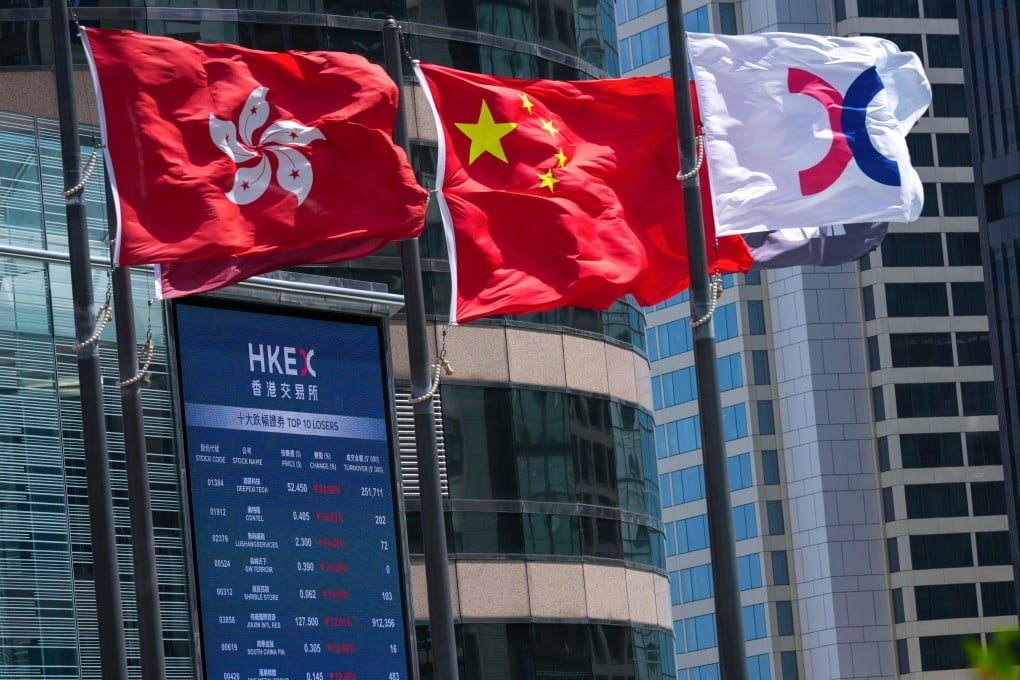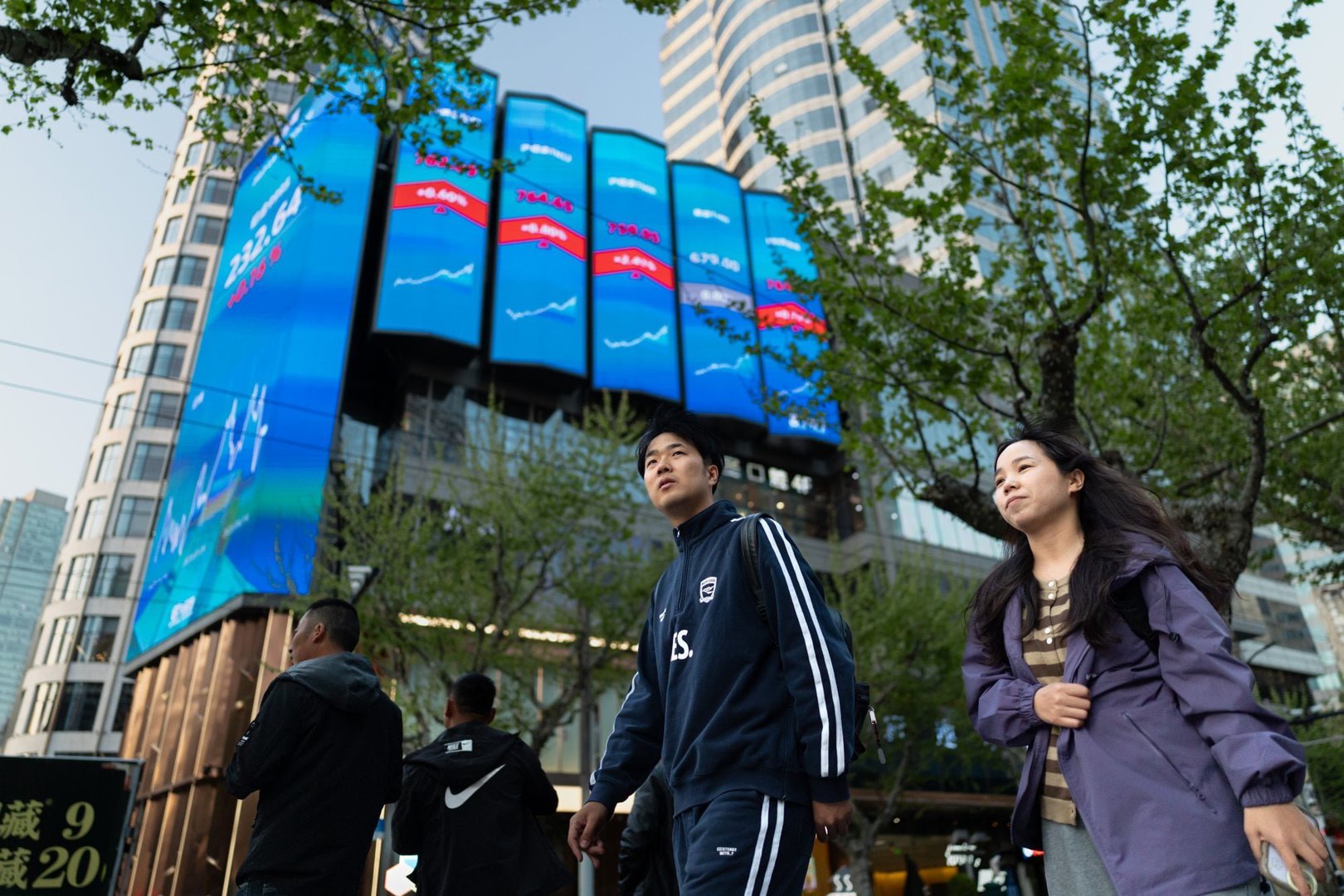
The Hang Seng Index slipped around 0.8% as profit-taking, oil-driven inflation concerns, and uncertainty over Middle East tensions weighed on sentiment ahead of key economic data.
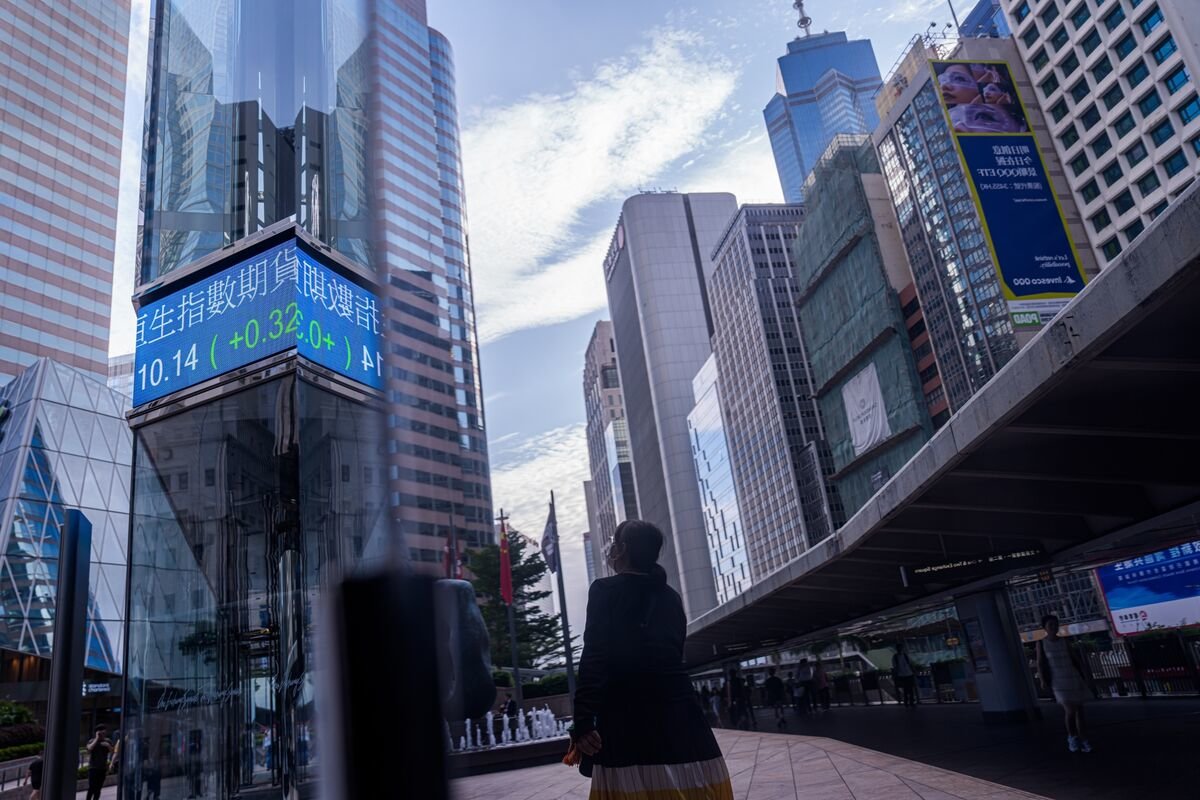
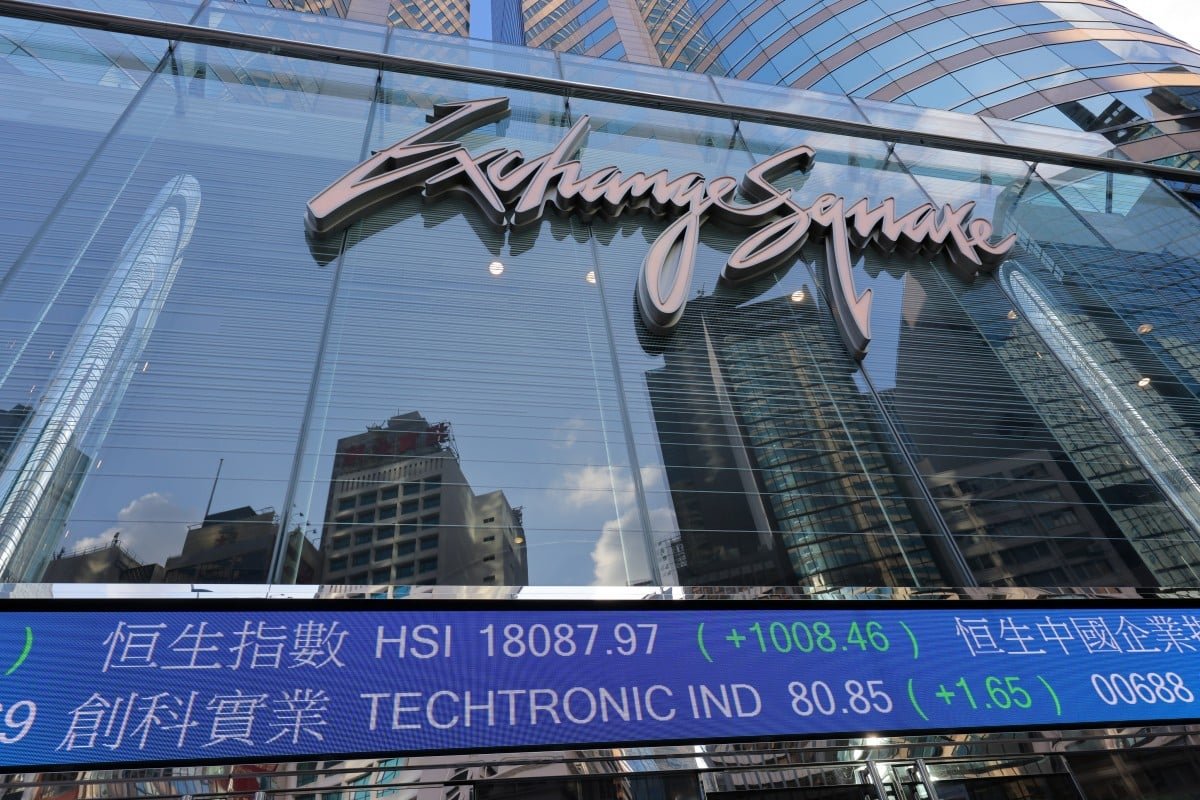
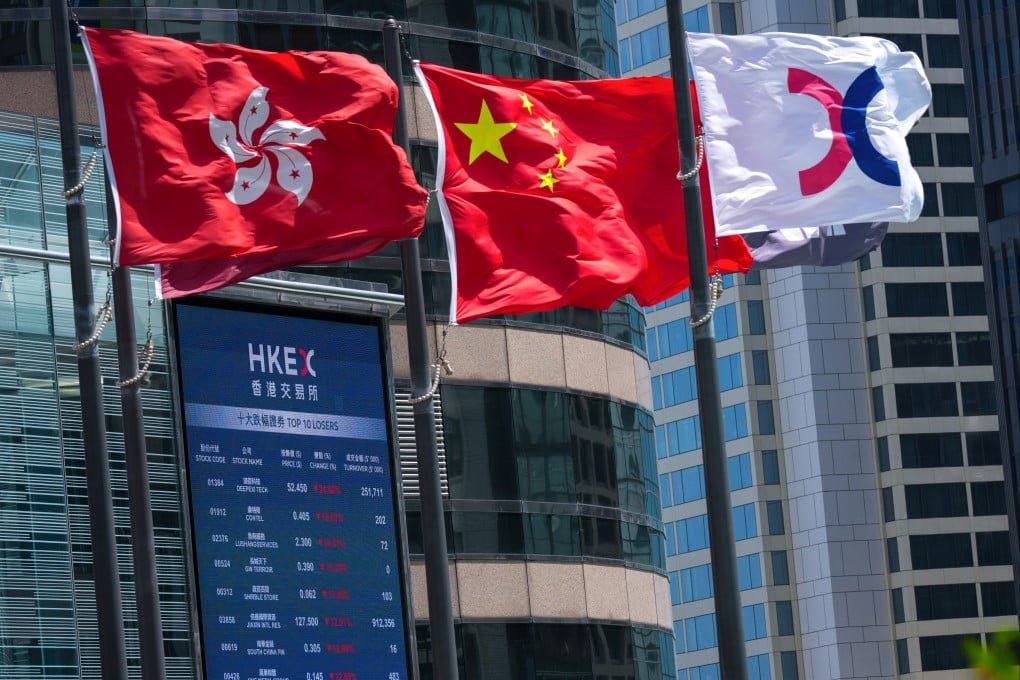
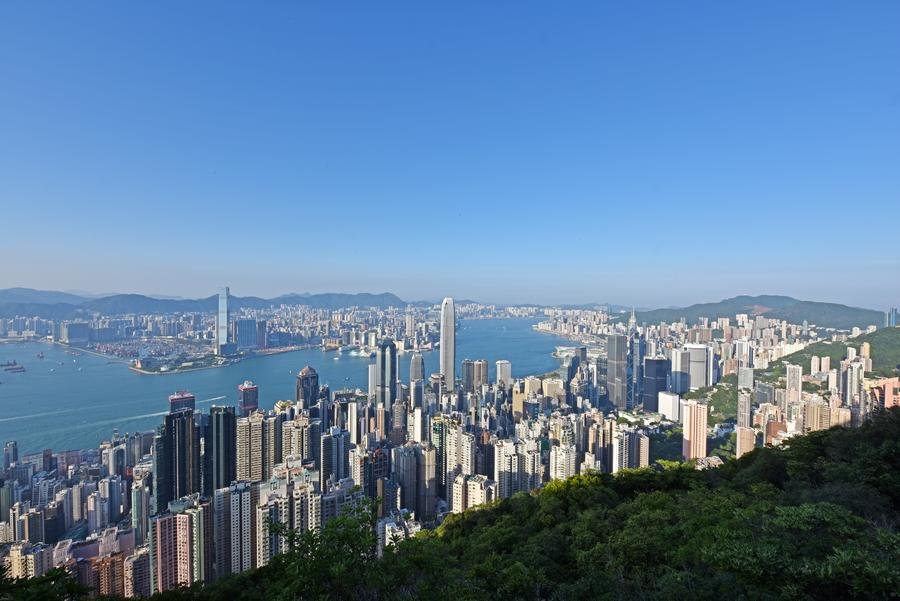
Hong Kong equities edged lower in volatile trading as investors adopted a more cautious stance, with the benchmark Hang Seng Index falling roughly 202 points, or 0.8%, to 25,950.

The decline marked a reversal from the previous session’s gains, as market participants locked in recent profits and reassessed risk exposure amid a mixed global backdrop.

While United States equities were broadly supported by resilient corporate earnings and improved risk appetite, sentiment in Asia remained more restrained.

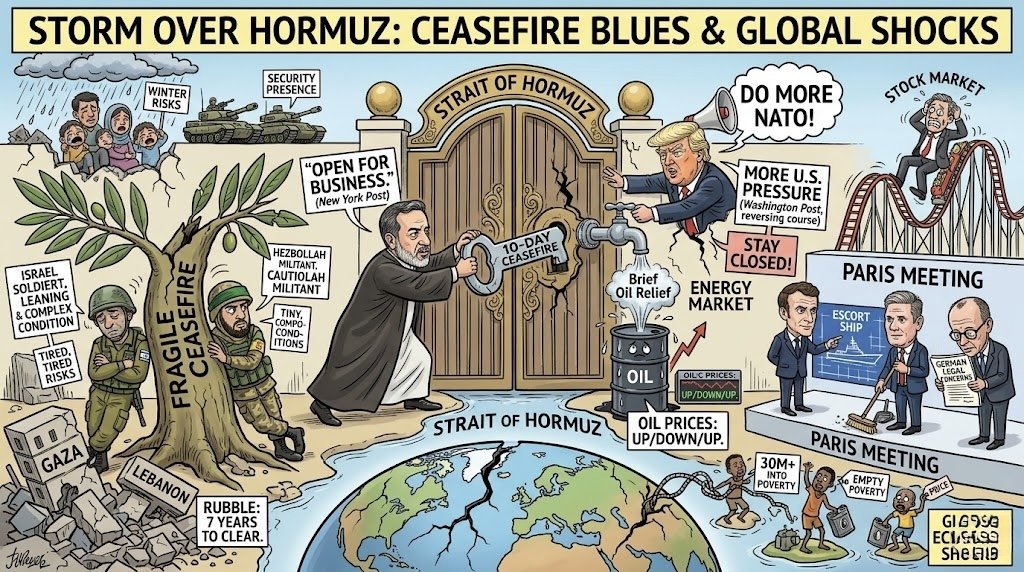
Investor focus has increasingly shifted toward geopolitical developments linked to tensions in the Middle East, particularly concerns surrounding energy supply routes through the Strait of Hormuz.

Fluctuations in crude oil prices have kept inflation worries elevated, reinforcing a more defensive tone across regional markets.

Within Hong Kong, heavyweight technology and financial stocks were among the main contributors to the decline.

Tencent, AIA Group, Xiaomi, Geely Automobile, and Anta Sports all recorded losses, reflecting broad-based pressure across key index constituents.

Attention is also turning to upcoming local inflation data, which is expected to provide fresh signals on underlying price pressures.

The reading could influence expectations for monetary conditions and near-term policy direction, adding another layer of uncertainty for investors already navigating a fragile global environment.

Despite periodic optimism earlier in the week driven by easing geopolitical fears, sentiment has remained sensitive to rapid shifts in headlines, with traders continuing to weigh the balance between stabilising corporate fundamentals and persistent external risks.

Market observers note that while liquidity conditions remain supportive and selective sectors continue to attract inflows, the broader index is struggling to sustain upward momentum without clearer macroeconomic direction and sustained improvement in global risk sentiment.
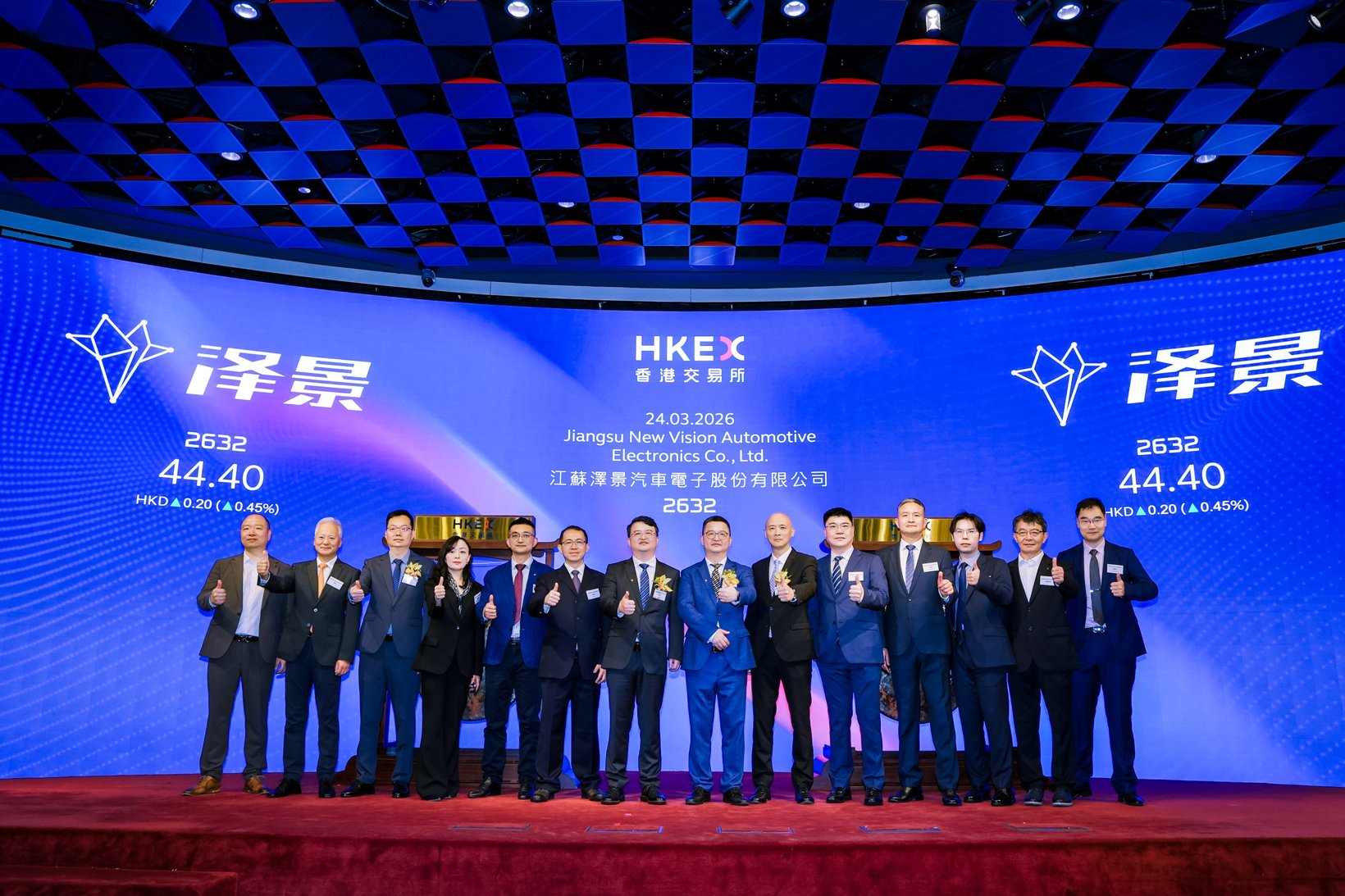
Jiangsu New Vision Automotive Electronics debuts as investors continue to back China’s fast-growing head-up display sector and smart cockpit technologies
Jiangsu New Vision Automotive Electronics, a Chinese developer of automotive head-up display (HUD) systems, has entered the Hong Kong stock market as part of a broader wave of technology-focused listings linked to advanced vehicle electronics and smart cockpit innovation.

The company’s listing follows a completed initial public offering in Hong Kong that introduced its shares under the code 2632.HK, marking its transition into public trading on the city’s main board.

The firm specialises in HUD technologies, including windshield head-up displays and augmented reality systems designed to project driving and navigation information directly into a driver’s field of vision.

Its product suite, built around systems known as CyberLens and CyberVision, integrates optical engineering, software algorithms, and human-machine interface design.

The company positions itself as a full-stack provider of in-vehicle visual interaction solutions for automotive manufacturers, with a focus on intelligent cockpit systems and enhanced driver assistance technologies.

The listing places New Vision among a growing cohort of Chinese automotive technology companies accessing Hong Kong’s equity markets, as global investors continue to show strong interest in sectors tied to electrification, digitalisation, and smart mobility.

Industry data cited in the company’s offering materials indicates it ranks among the leading HUD solution providers in China, reflecting its established position in a rapidly expanding segment of automotive electronics.

Funds raised from the offering are expected to support production expansion, automation upgrades, and further research and development, particularly in augmented reality display systems and next-generation cockpit interfaces.

The company has also outlined plans to enhance its technological capabilities and broaden applications across automotive platforms.

The debut comes amid sustained momentum in Hong Kong’s IPO market, where technology and advanced manufacturing listings have attracted significant investor participation.

Recent market activity has been driven in part by demand for companies linked to artificial intelligence, semiconductor supply chains, and smart vehicle systems, reinforcing the city’s role as a key financing hub for mainland China’s high-tech industrial expansion.

As trading develops, market attention will focus on whether demand for automotive HUD technologies can translate into sustained investor confidence, particularly as global automakers continue integrating augmented reality and digital display systems into next-generation vehicle platforms.
Chinese electronics manufacturer jumps up to 17% in first-day trading as investors continue to back mainland tech listings in Hong Kong
Shares of Chinese electronics manufacturer Huaqin Technology rose sharply in their Hong Kong trading debut after the company completed a $581 million initial public offering, underscoring continued investor appetite for mainland technology listings in the financial hub.

The Shanghai-based firm raised approximately HK$4.55 billion (about $580.8 million) through the issuance of 58.5 million shares priced at HK$77.70 each.

Trading began in Hong Kong following the completion of pricing earlier in the week, with the stock initially climbing as much as 17% above its offer price before moderating slightly while still holding double-digit gains in early trading.

The company, which is already listed in Shanghai, operates as a major electronics design and manufacturing provider, supplying products including smartphones, laptops, smart devices, and data centre systems.

It has positioned itself as a significant global original design manufacturer, with a growing focus on artificial intelligence-enabled hardware and communication technologies.

Proceeds from the offering are expected to be directed toward research and development, expansion of manufacturing capacity, and strategic investments in emerging sectors such as automotive electronics and robotics.

The listing is part of a broader trend of Chinese technology firms turning to Hong Kong to access international capital markets amid strong regional liquidity and ongoing investor interest in AI-linked industries.

The debut adds to a recent wave of sizeable Hong Kong listings by mainland companies, reinforcing the city’s role as a key financing centre for Chinese industrial and technology expansion.

Market activity in recent months has been supported by strong subscription demand for IPOs, particularly in advanced manufacturing, AI infrastructure, and electronics supply chains.

As trading stabilises, attention will turn to whether Huaqin can maintain its early gains and deliver sustained performance in a competitive technology sector increasingly shaped by global demand cycles and domestic innovation policies.
New amendments to security regulations requiring disclosure of passwords and device access deepen concerns over the future of personal privacy in the city
Recent amendments to Hong Kong’s legal framework have intensified scrutiny of how far authorities can go in compelling access to private digital data, with new provisions allowing law enforcement to demand passwords and decryption assistance from individuals under national security investigations.

Under the updated rules, individuals suspected of offences related to national security can be legally required to provide access credentials for mobile phones, computers, and other encrypted devices.

Refusal to comply may result in imprisonment, reflecting a significant expansion of enforcement powers within the city’s broader security architecture.

Authorities have argued that the measures are consistent with Hong Kong’s constitutional framework and are necessary to address evolving security threats.

The changes extend existing provisions that already grant police broad investigative authority in cases involving alleged threats to national security.

Officials maintain that these tools are intended to enhance investigative efficiency and prevent the concealment of evidence in serious cases, while insisting that ordinary residents will not be affected in day-to-day life.

However, legal experts and rights advocates have raised concerns that the measures could have a chilling effect on privacy protections, particularly in relation to confidential communications between professionals such as journalists, lawyers, and medical practitioners and their clients.

The lack of prior judicial authorisation in certain enforcement scenarios has been a particular point of contention in public debate.

The policy shift comes amid a wider pattern of regulatory tightening affecting information access, digital communication, and data governance in Hong Kong.

Courts have recently weighed competing considerations between privacy rights and public interest in cases involving journalistic access to official data, often endorsing frameworks that allow for greater administrative discretion in restricting access.

Supporters of the current direction argue that enhanced digital enforcement powers are a necessary evolution in an era of encrypted communications and cross-border cyber risks.

Critics, meanwhile, warn that the cumulative effect of such measures could reshape expectations of privacy in the city, particularly in contexts involving sensitive political or security-related investigations.

As implementation continues, attention is expected to focus on how enforcement practices are applied in real cases and whether safeguards evolve alongside the expanding scope of digital investigative authority.
New analysis highlights how Hong Kong’s regulated stablecoin rollout is designed around major banks, reinforcing a controlled approach to digital money development
Hong Kong’s emerging stablecoin framework is increasingly being defined by the central role of major banks, with policymakers positioning regulated financial institutions as the primary issuers and gatekeepers of digital money in the city’s evolving payments ecosystem.

Recent developments show that the first stablecoin issuer licences have been granted under a tightly controlled regulatory regime designed to integrate digital currencies into the existing financial system rather than disrupt it.

The approvals, issued under Hong Kong’s new stablecoin framework, were awarded to HSBC and a joint venture involving Standard Chartered, Animoca Brands, and Hong Kong Telecommunications.

These institutions were selected from a wider pool of dozens of applicants, reflecting a deliberate preference for well-capitalised and heavily regulated entities.

The structure of the rollout underscores a strategic choice by authorities to embed stablecoins within the banking sector.

Both HSBC and Standard Chartered are among the city’s note-issuing banks, already playing a foundational role in Hong Kong’s currency system.

Their participation signals that stablecoins are being treated less as experimental crypto assets and more as extensions of existing monetary infrastructure, with direct links to established balance sheets and compliance systems.

Regulators have outlined that initial stablecoin use cases will focus on payments, cross-border transfers, and tokenised financial assets.

These applications are intended to address inefficiencies in traditional settlement systems while maintaining strict oversight on reserves, redemption mechanisms, and anti-money-laundering safeguards.

The framework emphasises a risk-based approach, with licensing standards that prioritise operational resilience, transparency, and real-world utility.

The broader policy direction suggests a cautious but deliberate attempt to position Hong Kong as a regulated hub for digital finance, rather than a lightly supervised crypto market.

Authorities have indicated that only a limited number of licences will be issued in the early stages, allowing the ecosystem to develop under close supervision before any potential expansion.

Analysts note that this bank-led model distinguishes Hong Kong from more decentralised or retail-driven approaches seen in other jurisdictions.

Instead, it reflects a design in which digital currency issuance remains closely aligned with the traditional financial system, reinforcing stability while gradually introducing programmable and blockchain-based payment features.

As implementation continues, attention is expected to focus on how quickly licensed issuers can move from regulatory approval to live deployment, and whether bank-issued stablecoins can achieve meaningful adoption in both domestic and cross-border payment flows without undermining existing financial safeguards.
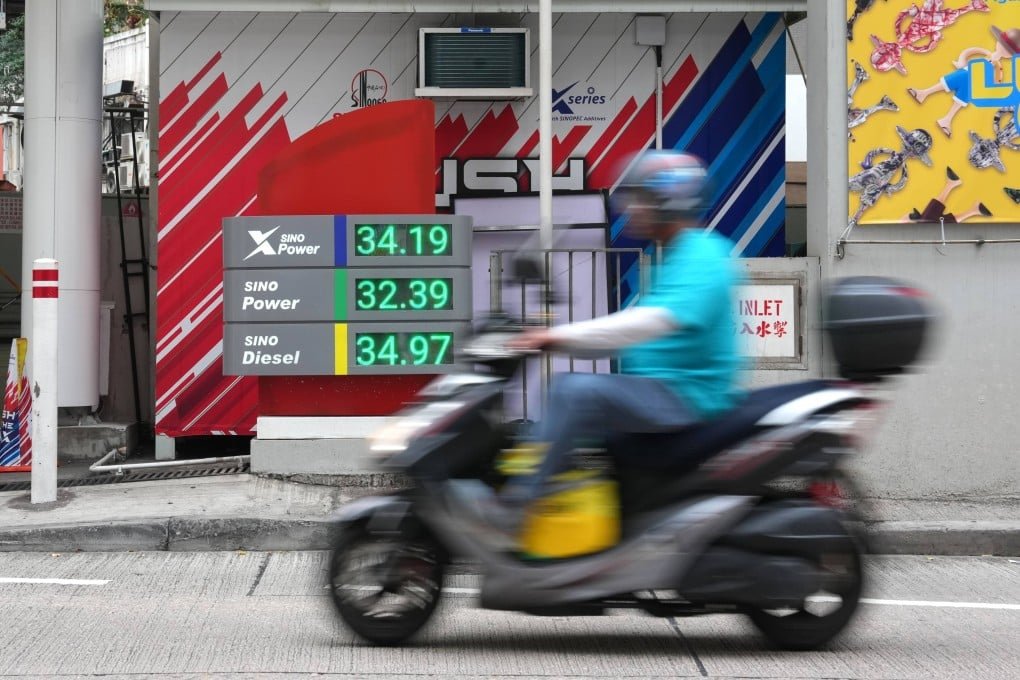
Commentary highlights the city’s reliance on imported fuel and suggests conservation could become necessary if global energy pressures persist
Hong Kong may need to rely more heavily on energy conservation if ongoing global fuel pressures continue to weigh on supply and pricing, according to a recent discussion on the city’s energy outlook amid persistent market instability.

The commentary notes that Hong Kong’s energy system remains fundamentally dependent on imported fuels and refined products, leaving it exposed to fluctuations in international markets.

With no domestic oil production or refining capacity, the city sources all its petrol and diesel from global suppliers, meaning that changes in crude oil supply chains, shipping routes, and geopolitical tensions can quickly translate into higher local costs.

Current conditions have been shaped by broader disruptions in global energy markets, including instability in key supply corridors and sustained volatility in fuel pricing.

These pressures have already contributed to higher transport and electricity-related costs in Hong Kong, with policymakers and industry leaders acknowledging the city’s limited ability to directly control price movements.

Against this backdrop, energy conservation has re-emerged as a potential policy response.

Historical precedent shows that during previous periods of oil supply shocks, Hong Kong authorities encouraged reduced consumption as a practical way to manage scarcity and cost pressures rather than relying on large-scale subsidies or price controls.

The latest discussion suggests that if current conditions persist, similar measures could again become relevant, with emphasis on reducing unnecessary consumption across households, transport, and commercial sectors.

While power suppliers have maintained that electricity supply remains stable, they have also underscored the importance of preparedness and demand management in a city highly exposed to external energy shocks.

Analysts continue to describe Hong Kong’s position as structurally vulnerable due to its lack of local energy production and heavy reliance on imports.

This dependency, combined with global uncertainty, is driving renewed attention toward efficiency, demand reduction, and long-term energy transition strategies.
New values education guidelines deepen focus on patriotism, national unity, and understanding of China across all school levels
Hong Kong authorities have introduced a revised education framework that significantly strengthens the emphasis on national identity and patriotic values across the city’s school system, according to newly released curriculum guidance.

The 2026 Values Education Curriculum Framework applies to all government, aided, special, and private schools, and is designed to guide how values education is implemented at different stages of schooling.

Compared with the previous version issued in 2021, the updated framework places a markedly stronger focus on "national identity" as one of its core educational priorities.

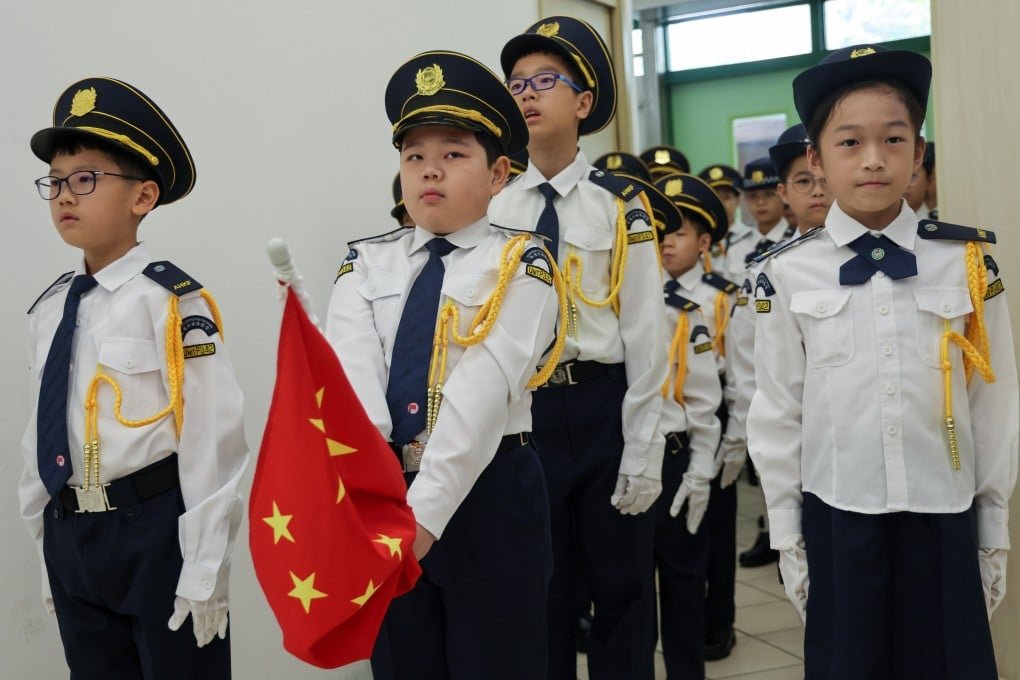
Under the new guidelines, pupils in the early years of primary school are expected to gain a basic understanding of national affairs and develop a sense of pride in being Chinese.

As students progress through primary education, they are encouraged to deepen their understanding of national unity and ethnic solidarity, alongside learning about civic responsibility and the importance of safeguarding national security.

The framework outlines 12 key values to be cultivated in students, including perseverance, respect for others, responsibility, integrity, empathy, diligence, filial piety, and unity.

These are presented as part of a broader effort to strengthen character education while embedding a clearer sense of national belonging within the curriculum.

Education authorities say the revised approach builds on earlier reforms introduced in recent years, which already expanded national education content across multiple subjects and increased exposure to themes such as the Constitution of China, the Basic Law, and national security education.

Schools have also incorporated activities such as flag-raising ceremonies and exchange programmes with mainland China as part of efforts to reinforce civic and national awareness.

The updated framework is intended to provide schools with clearer guidance on curriculum planning and implementation, ensuring that values education is consistently delivered across different subjects and school types.

It reflects an ongoing policy direction in Hong Kong’s education system aimed at strengthening students’ understanding of national development and their role within the broader national context.
The annual assessment concludes that political and civil liberties in Hong Kong have been systematically weakened amid expanded national security enforcement and reduced judicial safeguards.
A newly released United States State Department assessment has warned that political, civil, and judicial freedoms in Hong Kong have been systematically eroded, citing continued expansion of national security enforcement and declining protections for dissent.

The report, covering developments over the past year, argues that Hong Kong’s autonomy under the “one country, two systems” framework has been significantly undermined.

It points to the use of national security legislation as a central instrument in reshaping the city’s political and legal environment.

According to the findings, national security measures have been applied in ways that extend beyond traditional law enforcement, affecting political expression, media activity, and public participation in civic life.

The assessment also highlights concerns that judicial independence in cases related to national security may be constrained by broader political considerations.

Authorities in Hong Kong have consistently rejected such characterisations, insisting that the legal framework is essential for restoring stability following years of unrest and for safeguarding national sovereignty.

They argue that rights and freedoms remain protected under both the Basic Law and the city’s constitutional structure, while accusing external actors of politicising internal affairs.

The report comes amid ongoing international debate over Hong Kong’s evolving governance model following the introduction of sweeping national security legislation in recent years.

Supporters of the measures describe them as necessary to ensure long-term stability and restore order, while critics maintain that they have fundamentally altered the city’s political landscape.

The latest assessment adds to a series of annual reviews that have increasingly focused on the balance between security enforcement and civil liberties, as Hong Kong continues to operate under a markedly different legal and political environment compared with its pre-2019 status.

No immediate changes in policy or official responses were announced in connection with the report’s publication.
Robovan operator Zelos Technology is reportedly preparing a Hong Kong listing that could raise roughly $600 million as investor appetite for AI-driven logistics firms accelerates.
Zelos Technology, a Chinese autonomous delivery vehicle operator backed by Alibaba Group’s logistics affiliate Cainiao, is preparing an initial public offering in Hong Kong that could raise around $600 million, according to people familiar with the matter.

The company, formally known as Jiushi Suzhou Intelligent Technology Co., is said to be in discussions with investment banks over a potential listing.

While deliberations remain ongoing, both the size and timing of the offering are still subject to change.

Founded in 2021, Zelos has rapidly expanded its position in the autonomous logistics sector, operating a fleet of more than 25,000 Level 4 self-driving delivery vehicles across mainland China.

The company has also extended its footprint internationally, including operations in Southeast Asia and the Middle East, with deployments in markets such as Singapore and the United Arab Emirates.

Zelos develops highly autonomous delivery trucks designed to operate with minimal human intervention, a segment increasingly viewed as central to the next phase of logistics automation.

Its growth has been supported by strategic investment from Cainiao, which earlier this year took a stake in the company through an undisclosed cash injection.

The planned listing reflects a broader surge of capital-raising activity among Chinese artificial intelligence and automation firms in Hong Kong, where investor demand for next-generation technology companies has remained strong despite global market uncertainty.

Recent months have seen a wave of AI-related IPO preparations from multiple startups seeking to fund expansion and large-scale research and development programmes.

If completed, the Zelos listing would mark one of the larger Hong Kong technology offerings of the period and further underline the city’s role as a key fundraising hub for mainland Chinese tech firms transitioning from venture-backed growth to public markets.

No official comment has been provided by the company regarding the proposed listing.
Investors are increasingly diversifying beyond Hong Kong equities, easing a multi-year wave of AI-driven capital inflows from mainland China
Inflows from mainland China into Hong Kong-listed equities that were previously driven by artificial intelligence-related enthusiasm are showing signs of moderation as investors gain access to a wider range of domestic and overseas investment options.

Market participants tracking cross-border trading patterns say the pace of so-called southbound flows into Hong Kong has eased compared with earlier periods of strong momentum, when AI-linked themes and valuation gaps between mainland and Hong Kong listings helped fuel record participation.

The slowdown is being attributed not to a reversal in sentiment, but to a gradual diversification of capital allocation strategies among mainland investors.

Hong Kong’s stock market has in recent years benefited significantly from mainland demand, channelled primarily through the Stock Connect programme, which allows investors in mainland China to buy eligible Hong Kong shares.

These flows surged to record levels in 2025, surpassing prior annual highs and accounting for a substantial share of daily turnover in the city’s equity market.

However, analysts note that the composition of investor demand is becoming more selective.

While artificial intelligence-related firms and technology platforms previously dominated inflows, a growing range of onshore investment products, including ETFs and newly available domestic technology and industrial equities, is offering alternative exposure to similar themes without requiring offshore allocation.

This shift has coincided with an increasingly crowded market for AI-linked investment vehicles across Greater China.

A wave of new listings, particularly in the semiconductor, hardware and AI infrastructure sectors, has given investors additional avenues to gain exposure to the same growth narrative that once primarily benefited Hong Kong-listed stocks.

Despite the moderation in momentum, Hong Kong continues to serve as a key offshore hub for Chinese capital, with structural demand still supported by valuation differences and the presence of large technology firms listed in the city.

Market observers suggest that while inflows may no longer rise at the pace seen during earlier AI-driven surges, the broader cross-border investment channel remains firmly established.

The evolving pattern reflects a maturing investment cycle in which mainland capital is no longer concentrated in a narrow set of offshore tech trades, but is instead distributed across a widening universe of domestic and international assets.
US energy major is negotiating with multiple bidders over a deal valued at up to $600 million as it continues global downstream restructuring
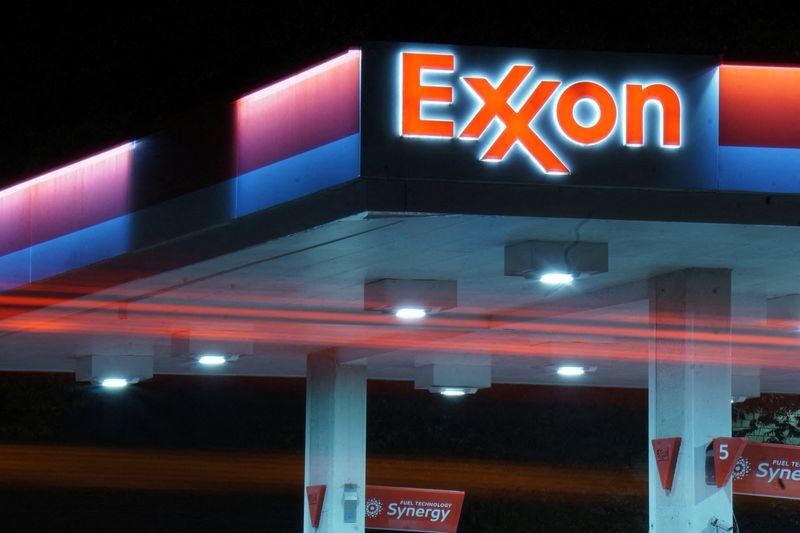
Exxon Mobil is in discussions to sell its network of fuel stations in Hong Kong, according to people familiar with the matter, in a move that would mark another step in the company’s broader effort to streamline its global downstream operations.

The US energy group is said to have engaged a financial adviser and entered talks with a small group of potential buyers, estimated at four to five bidders, including several trading houses.

The process remains at an early stage, and no final agreement has been reached.

The assets under consideration are widely reported to be valued between $500 million and $600 million, reflecting the scale of Exxon’s retail presence in the city.

The company operates under the Esso brand in Hong Kong and runs approximately 41 service stations, a network with roots dating back nearly a century to its first station in Kowloon in 1926.

Exxon Mobil has not publicly commented on the discussions.

However, the potential divestment aligns with a wider corporate strategy to optimise its portfolio and reduce exposure to mature retail fuel markets, particularly as the global energy sector adjusts to long-term shifts in transportation and demand patterns.

The Hong Kong fuel retail market itself has been undergoing notable change, with competing transactions in recent years reshaping ownership structures.

Industry activity has increased as operators reassess the profitability and long-term outlook of service station assets amid evolving energy policies and market volatility.

The talks come at a time of heightened uncertainty across global oil markets, where price fluctuations and regional geopolitical tensions have added complexity to valuation and investment decisions in downstream infrastructure.

Despite this, fuel station networks continue to attract interest due to their stable cash flow characteristics and established consumer demand.

Any eventual sale would represent a significant transaction in Hong Kong’s energy retail sector, though discussions remain ongoing and subject to change as negotiations progress.
Shares of the Chinese printed circuit board manufacturer jump sharply on first day of trading as investors pile into AI supply-chain stocks and the company outlines major expansion plans
A Chinese printed circuit board manufacturer linked to Nvidia’s supply chain delivered a strong stock market debut in Hong Kong on Tuesday, underscoring continued investor enthusiasm for companies positioned within the global artificial intelligence infrastructure boom.

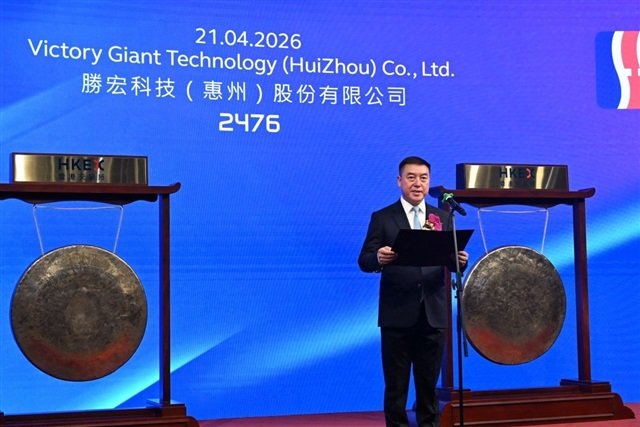
Victory Giant Technology, which produces high-end printed circuit boards used in artificial intelligence servers and data centre systems, saw its shares surge by as much as roughly 60 percent during early trading before closing with gains of more than 50 percent.

The debut came after the company raised around HK$20 billion (about US$2.6 billion) in what is currently the largest listing in Hong Kong this year.

Shares opened significantly above the offer price of HK$209.88, reflecting intense demand from both institutional and retail investors.

The IPO was heavily oversubscribed, with strong participation from global cornerstone investors, signalling confidence in the company’s role in the fast-growing AI hardware ecosystem.

Victory Giant is widely recognised as a key supplier of printed circuit boards used in AI accelerators, servers, and high-performance computing systems.

The company has been identified as part of Nvidia’s broader supply chain and has benefited from surging global demand for AI infrastructure components.

According to information disclosed ahead of the listing, the company plans to deploy most of the funds raised to expand manufacturing capacity, purchase advanced production equipment, and scale operations across its facilities in mainland China and other parts of Asia.

This expansion strategy is intended to strengthen its position in the rapidly growing market for AI-related hardware.

Financial performance has also supported investor optimism.

The company reported strong revenue growth in the most recent fiscal year, driven by rising demand for AI server components, with profitability increasing significantly as production scaled.

Management has highlighted continued global demand for artificial intelligence infrastructure as a key driver of future growth.

The successful debut adds to a broader trend of AI-linked Chinese technology firms attracting strong capital inflows in Hong Kong listings, as investors seek exposure to the hardware backbone powering generative AI systems worldwide.
Authorities seek forfeiture of bank funds, shares and corporate holdings linked to national security convictions against the Apple Daily founder
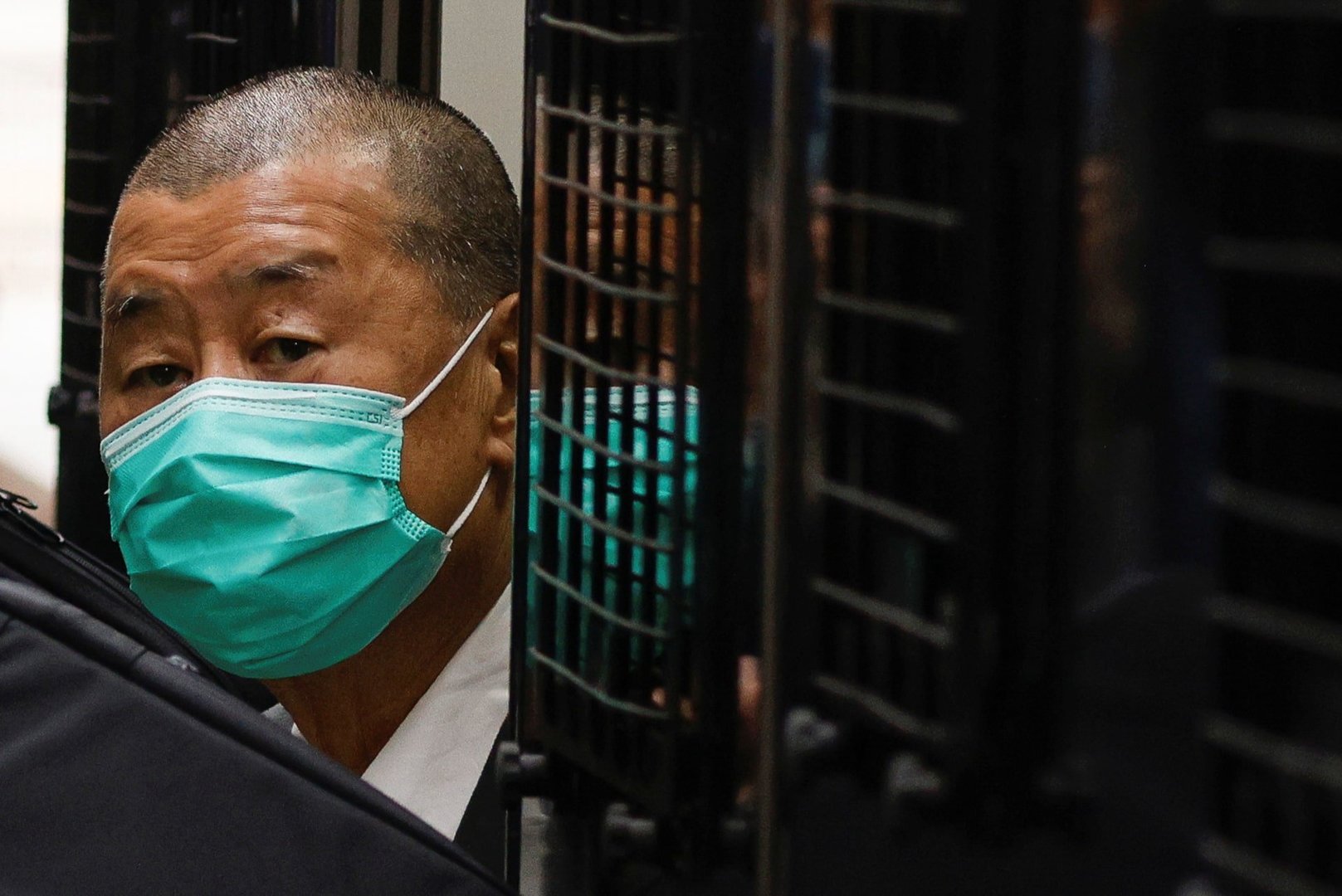
The Hong Kong government is seeking to confiscate approximately 127 million Hong Kong dollars (about 16 million US dollars) in assets linked to imprisoned media tycoon Jimmy Lai, in a move stemming from the city’s largest national security prosecution.

According to court filings, authorities are pursuing the forfeiture of funds, corporate shareholdings and bank deposits they say are connected to offences attributed to Lai under national security legislation.

The case targets assets held across more than 50 bank accounts, as well as stakes in private companies including Comitex Holdings and Dico Consultants.

The total value of these holdings is estimated at over 127 million Hong Kong dollars.

The government is also seeking to seize around 12 million Hong Kong dollars in bail funds previously provided for Lai, alongside additional assets linked to his business interests.

The High Court writ further outlines plans to take control of shares in multiple companies associated with the former media executive, whose business empire once extended from garment manufacturing into publishing and media.

Lai, the founder of the now-defunct Apple Daily newspaper and a prominent pro-democracy figure, was sentenced earlier this year to 20 years in prison after being convicted on charges including conspiracy to collude with foreign forces and publishing seditious material.

The prosecution forms part of a broader national security framework introduced in Hong Kong in 2020.

Authorities argue that the forfeiture proceedings are a lawful extension of national security enforcement powers, which allow for the freezing and seizure of assets linked to such cases.

The hearing on the proposed asset confiscation is scheduled for July.

Lai’s case has drawn sustained international attention due to its implications for Hong Kong’s legal landscape and the shrinking space for dissent following the introduction of the security law.

Officials maintain that the measures are necessary to safeguard stability in the city following the unrest of recent years.
Hang Seng Index declines in early trading as investors weigh geopolitical risks despite President Trump extending the Iran ceasefire indefinitely
Hong Kong equities fell in early trading as investors responded cautiously to geopolitical developments following President Donald Trump’s decision to extend an Iran ceasefire indefinitely, a move aimed at stabilising tensions in the Middle East.

The Hang Seng Index dropped 0.9 per cent to 26,242.56 by mid-morning, reflecting renewed caution across Asian markets even as some global indices showed mixed performance.

Mainland Chinese benchmarks also weakened, with the CSI 300 slipping 0.4 per cent and the Shanghai Composite edging down 0.3 per cent.

The market reaction came after Trump announced that the ceasefire, which had been due to expire after an initial two-week period, would be extended without a fixed end date.

The decision was taken shortly before the deadline, with the United States signalling it would refrain from further military action while maintaining a naval blockade of the Strait of Hormuz, a critical route for global energy shipments.

Iran had earlier declined to participate in renewed negotiations aimed at resolving the wider Middle East conflict, adding to uncertainty over the durability of any diplomatic breakthrough.

Reports also indicated that the extension was effectively unilateral, with it remaining unclear whether Iran or other regional actors would formally endorse the move.

Despite the ceasefire extension, investor sentiment remained restrained.

Market participants continued to focus on the risk that tensions could flare again, particularly given the strategic importance of energy supply routes and the lack of clarity surrounding long-term political commitments from the involved parties.

Elsewhere in the region, trading was mixed.

Japan’s Nikkei index posted slight gains, while South Korea and Australia both recorded declines, underscoring a broadly cautious tone across Asia as markets assessed the evolving geopolitical backdrop.

The pullback in Hong Kong shares followed several sessions of volatility linked to shifting expectations around the Iran conflict and its implications for global oil prices and risk appetite.

Investors remained alert to further developments that could influence energy markets and regional stability in the days ahead.
Term sheet indicates airline is preparing a Hong Kong dollar-denominated three-year issuance as it taps debt markets for financing flexibility
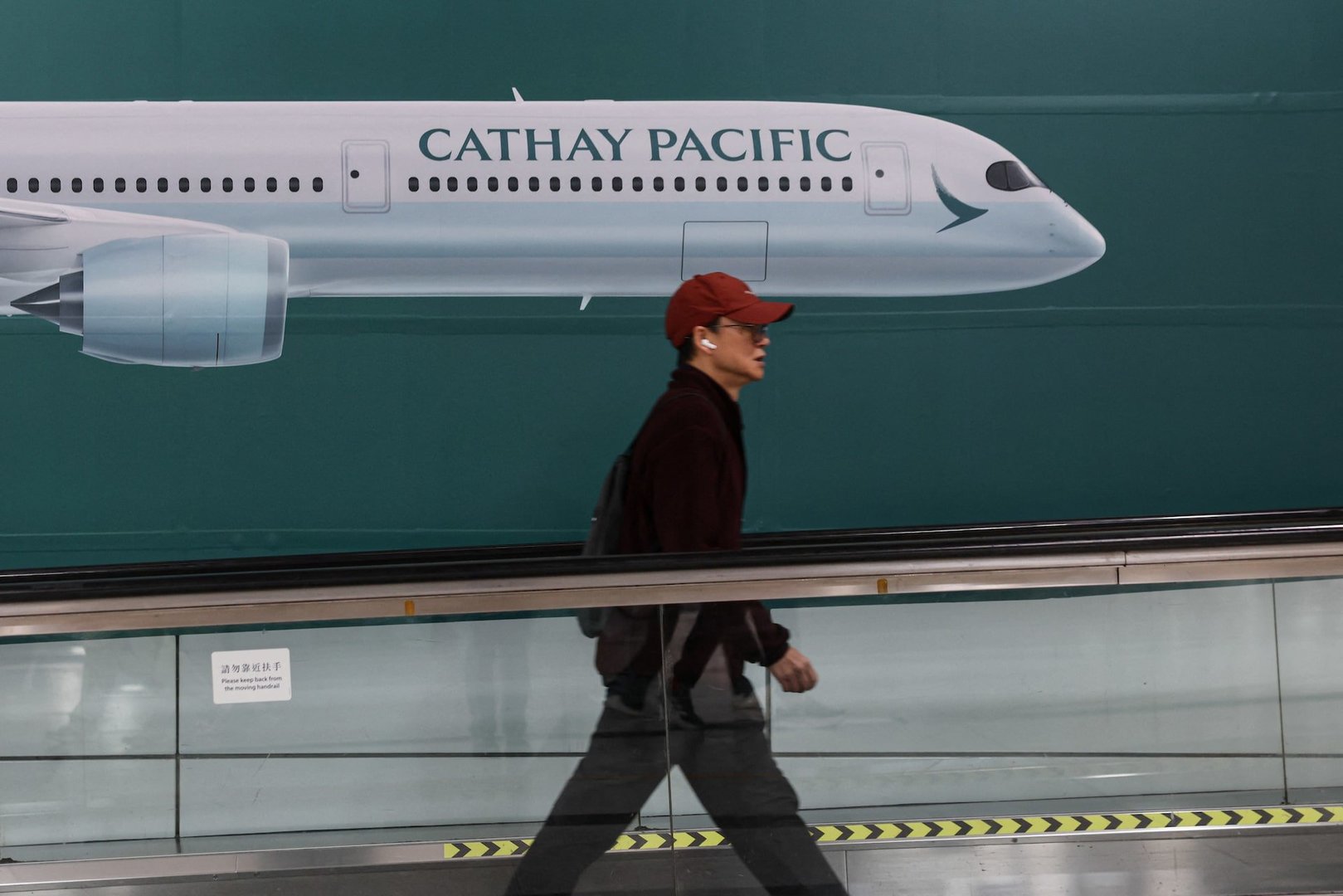
Cathay Pacific Airways is preparing to issue a Hong Kong dollar-denominated three-year bond, according to a term sheet seen in recent market activity, signalling continued engagement by major Asian corporates in regional debt markets.

The planned issuance reflects the airline’s efforts to optimise its funding structure as it navigates a shifting aviation and interest rate environment.

The offering comes at a time when Hong Kong’s capital markets remain an important funding hub for both local and regional issuers, particularly as companies seek diversified sources of liquidity.

Shorter-tenor bonds, such as the proposed three-year maturity, are often used by large corporates to manage refinancing cycles while maintaining balance sheet flexibility.

Cathay Pacific, one of Asia’s largest full-service carriers, has been steadily rebuilding capacity and financial stability following a prolonged period of disruption in the aviation sector.

Access to debt markets has played a key role in supporting operational recovery, fleet planning, and broader corporate funding needs.

Market participants are expected to assess investor appetite and pricing dynamics closely as the issuance process develops.
A surge in Hong Kong initial public offerings is attracting mainland China insurers, who are increasing exposure to equity markets in search of improved yields amid low domestic returns
A growing wave of initial public offerings in Hong Kong is drawing increased participation from mainland Chinese insurance companies, as institutional investors seek higher returns in an environment of persistently low yields in domestic bond markets.

Insurers from mainland China have been gradually expanding their allocations to Hong Kong-listed IPOs, viewing the city’s equity market as a key channel for diversification and yield enhancement.

The trend reflects broader portfolio adjustments among large financial institutions facing structural pressure on traditional fixed-income returns.

Hong Kong’s IPO market has shown renewed momentum, supported by regulatory reforms, cross-border capital access mechanisms, and a pipeline of listings from technology, consumer, and advanced manufacturing sectors.

This has strengthened the city’s position as a leading fundraising hub for Chinese and international companies.

For insurers, which manage long-term liabilities and require stable but higher-yielding assets, IPO participation offers potential upside compared with subdued returns in China’s domestic bond market.

The shift also aligns with gradual policy encouragement for institutional investors to increase equity exposure under managed risk frameworks.

Market participants note that participation is typically concentrated in larger, higher-quality offerings, with insurers often taking cornerstone or strategic investor positions.

These allocations provide early access to shares and are seen as a way to stabilise pricing in key listings.

At the same time, analysts caution that increased exposure to equities introduces higher volatility risks for insurance balance sheets, particularly if market conditions tighten or global sentiment weakens.

Regulatory oversight remains focused on ensuring that equity investments remain consistent with long-term solvency requirements.

The trend underscores Hong Kong’s continued importance as a bridge between mainland capital and global markets, while highlighting the evolving investment strategies of China’s large institutional investors in a low-yield environment.
Senior Chinese official holds talks with Hong Kong representatives in Beijing, reinforcing central government engagement on governance and development priorities
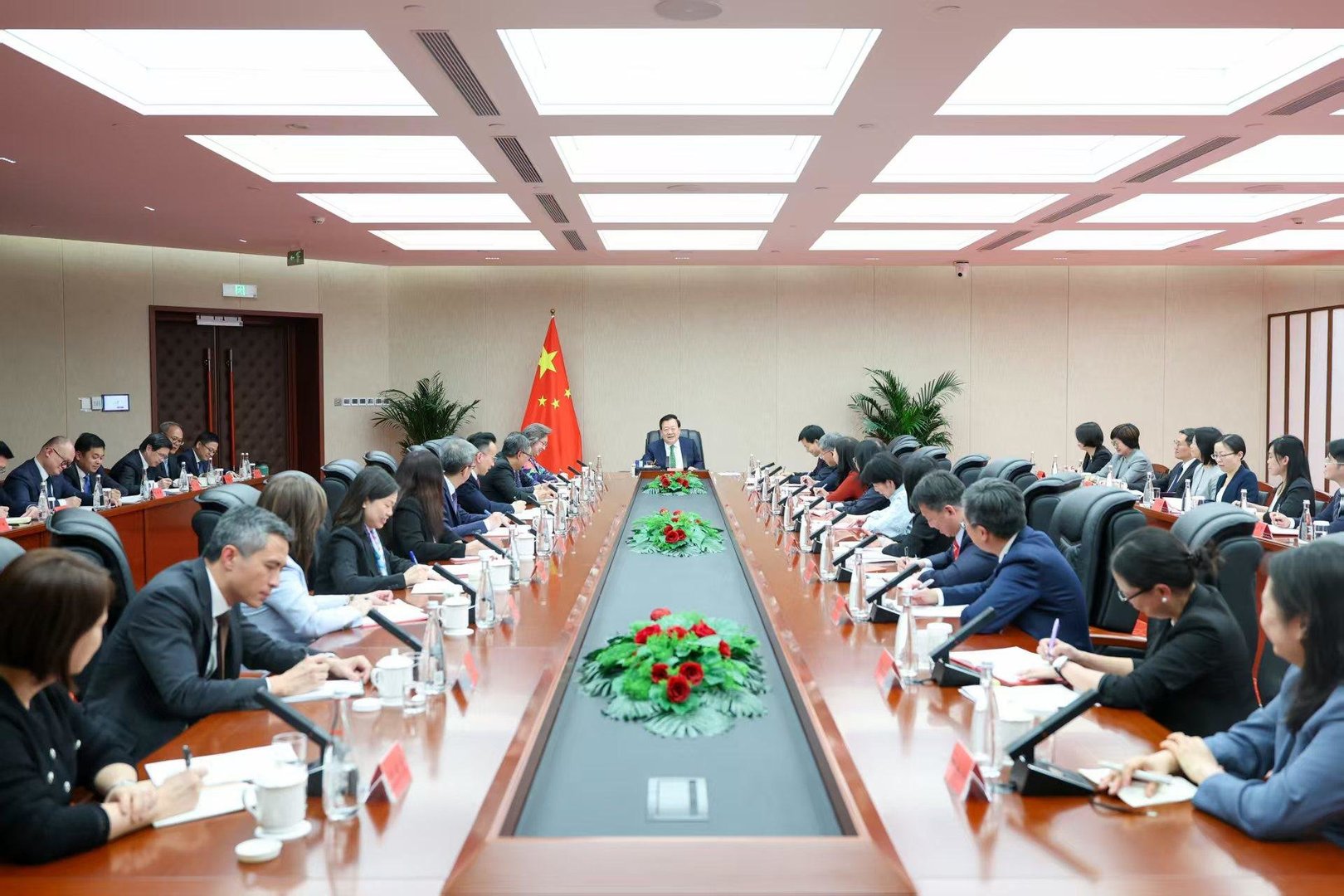
A senior Chinese official overseeing Hong Kong affairs has met a delegation from the city in Beijing, in a high-level engagement focused on governance coordination and development priorities.

Xia Baolong, director of the Hong Kong and Macao Affairs Office of the State Council, held discussions with members of the delegation during their visit to the Chinese capital.

The meeting formed part of ongoing institutional exchanges between the central authorities and Hong Kong representatives, aimed at maintaining communication on policy implementation and economic planning.

According to accounts of the meeting, discussions centred on Hong Kong’s role in national development strategies, including its position as an international financial centre and its integration into broader regional economic initiatives.

The talks also reflected continued emphasis on aligning local governance with national objectives under the “one country, two systems” framework.

Hong Kong delegations visiting Beijing regularly engage with senior mainland officials to exchange views on economic conditions, regulatory developments, and social policy matters affecting the territory.

These interactions are considered part of a structured dialogue mechanism intended to support policy coherence and administrative coordination.

The meeting comes at a time when Beijing has reiterated its focus on stability, economic resilience, and long-term development planning for Hong Kong.

Officials have consistently highlighted the importance of strengthening the city’s competitiveness while maintaining its distinct legal and financial systems within the national framework.

No major policy announcements were made public following the talks, but the engagement underscores the continuing institutional linkages between Hong Kong’s leadership and central government authorities in shaping the city’s strategic direction.
Beijing rejects a recent United States assessment on Hong Kong, accusing Washington of interference as tensions over autonomy and foreign policy narratives intensify
China has formally lodged a diplomatic protest following the release of a United States report assessing developments in Hong Kong, escalating longstanding tensions between Beijing and Washington over the territory’s governance and international status.

The protest was issued through China’s foreign ministry, which criticised the report’s conclusions and characterisation of Hong Kong’s political and legal environment.

Beijing argued that the assessment misrepresents the situation on the ground and constitutes interference in China’s internal affairs.

The US report, released as part of Washington’s periodic review of Hong Kong conditions, raised concerns about governance trends, institutional autonomy, and the implementation of legal frameworks introduced in recent years.

It also examined the impact of national security legislation and its implications for civil liberties and political activity in the city.

Chinese officials rejected these interpretations, maintaining that Hong Kong affairs are purely domestic matters and emphasising that the territory is governed under the framework of “one country, two systems”.

They reiterated that external criticism of its internal policies undermines mutual trust and stability in bilateral relations.

The exchange comes amid broader geopolitical friction between the United States and China, where Hong Kong has remained a recurring point of dispute alongside trade policy, technology restrictions, and regional security dynamics.

Both sides have periodically issued sharply worded statements in response to official reports and policy decisions.

Hong Kong itself continues to operate under a hybrid legal and administrative system that combines local governance structures with oversight from Beijing, a framework that has been the subject of ongoing international scrutiny and differing interpretations among global partners.

The latest diplomatic protest underscores the sensitivity surrounding external commentary on Hong Kong and signals that the issue is likely to remain a persistent source of tension in US-China relations.
A prominent mainland Chinese cryptocurrency entrepreneur is seeking to raise and deploy capital in Hong Kong through a new Bitcoin-focused asset management strategy amid evolving regional regulatory conditions
A prominent Chinese cryptocurrency entrepreneur is preparing to expand his financial activities into Hong Kong’s capital markets, positioning a new Bitcoin-focused asset management initiative at the centre of his strategy to attract institutional and private capital.

The tycoon, whose career has been closely associated with early developments in Asia’s digital asset ecosystem, is now seeking to leverage Hong Kong’s role as a regulated international financial hub to channel investment into crypto-linked products.

The initiative is designed to operate within the city’s formal financial framework, reflecting its more structured approach to digital asset regulation compared with mainland China.

The proposed expansion comes as Hong Kong continues to refine its regulatory regime for virtual assets, aiming to position itself as a regional centre for digital finance.

Authorities have introduced licensing frameworks for cryptocurrency exchanges and have signalled openness to regulated participation in tokenised and blockchain-based investment products, provided they meet compliance and risk-management standards.

The asset management push is expected to focus on Bitcoin-related investment vehicles, potentially including funds and structured products designed to provide exposure to the cryptocurrency while operating under established financial oversight.

This approach is intended to appeal to investors seeking digital asset exposure within a regulated environment rather than through offshore or unregulated channels.

Market observers note that Hong Kong’s financial infrastructure, deep capital pools, and proximity to mainland China make it a strategic entry point for crypto-related financial services, despite broader regulatory caution across the region.

The city’s efforts to balance innovation with investor protection have attracted increasing interest from digital asset firms seeking legitimacy and access to institutional capital.

The development also reflects a broader trend of crypto industry figures pivoting toward regulated financial structures after periods of heightened volatility and global regulatory tightening.

If successful, the initiative could further integrate Bitcoin-linked investment products into mainstream financial markets in Asia’s leading financial centre.
Equities in Hong Kong decline amid cautious investor sentiment as fragile truce extension fails to fully ease concerns over regional stability and global risk outlook
Hong Kong equities fell in volatile trading as investors continued to weigh geopolitical uncertainty even after reports of a ceasefire extension aimed at stabilising broader regional tensions.

The benchmark Hang Seng Index declined as market participants reacted cautiously to the evolving diplomatic situation, with sentiment remaining fragile despite efforts to extend a temporary pause in hostilities.

Traders cited persistent uncertainty over the durability of the truce and its implications for global risk appetite as key factors influencing selling pressure.

Technology and financial stocks, which are heavily weighted in Hong Kong’s equity market, were among the sectors contributing to the downturn.

Investors also adjusted positions ahead of further policy signals and potential developments in international negotiations linked to the ceasefire framework.

The broader Asia-Pacific region showed mixed performance, with some markets holding steady while others mirrored Hong Kong’s decline.

Analysts attributed the divergence to differing levels of exposure to geopolitical risk and varying domestic economic data releases.

Despite the ceasefire extension, market participants remain focused on the possibility of renewed tensions, which could affect energy prices, supply chains, and cross-border capital flows.

The cautious stance reflects broader concerns that diplomatic progress remains uneven and vulnerable to disruption.

Currency markets and regional bond yields also reflected a wait-and-see approach, with investors avoiding significant directional bets until there is clearer confirmation that the truce will hold and negotiations will advance further.

Market strategists expect volatility to persist in the near term, with sentiment likely to remain sensitive to any shifts in diplomatic developments or security-related announcements affecting the region.
Beijing’s latest offshore renminbi issuance in Hong Kong signals robust appetite for Chinese sovereign debt as borrowing costs fall to new lows
China’s latest issuance of yuan-denominated sovereign bonds in Hong Kong has drawn exceptionally strong investor demand, driving yields down to record low levels for such offerings and underscoring continued confidence in Chinese government debt.

The bonds were sold in the offshore renminbi market, where international and regional investors participate in Chinese sovereign borrowing outside mainland China’s domestic financial system.

The latest auction reportedly saw demand significantly exceed supply, allowing Beijing to secure funding at lower borrowing costs than in previous comparable issuances.

Market participants attributed the strong results to a combination of ample liquidity in offshore yuan markets and sustained interest in high-quality sovereign debt amid global economic uncertainty.

The relatively attractive stability of Chinese government bonds has continued to appeal to institutional investors seeking predictable returns in a volatile interest rate environment.

The issuance also reflects Beijing’s broader strategy of expanding the international profile of the yuan by increasing the scale and frequency of offshore bond sales.

Hong Kong remains a key hub for these efforts, serving as the primary venue for sovereign yuan-denominated offerings to global investors.

Analysts note that declining yields on such bonds can indicate both strong investor confidence and expectations of stable monetary conditions.

However, they also reflect heightened competition among sovereign issuers globally as governments seek financing in a period of shifting interest rate cycles.

The latest results are likely to reinforce China’s position as a major issuer in offshore debt markets, while further integrating the yuan into global fixed-income portfolios.

The government is expected to continue using Hong Kong as a strategic platform for sovereign fundraising and currency internationalisation efforts.
A resident of Wang Fuk Court revisits his destroyed flat for the first time since a deadly blaze, recovering personal keepsakes amid the emotional aftermath of one of Hong Kong’s worst disasters
A survivor of Hong Kong’s devastating Wang Fuk Court apartment fire has returned to his burned-out home for the first time since the tragedy, carefully gathering what remains of his life from the ashes of the destroyed complex.

Dorz Cheung, 34, described being overwhelmed as he stepped back into the apartment in Tai Po, where a massive fire last year engulfed seven residential towers and killed 168 people.

Authorities have recently begun allowing displaced residents to re-enter their former homes under strict supervision to retrieve personal belongings.

Inside the damaged flat, Cheung found a scene of near-total destruction, with ash covering furniture and walls blackened by smoke and heat.

Despite the devastation, he was able to recover several meaningful possessions, including family photographs, his running medals, a smartwatch, and his old travel documents.

Among the most significant discoveries were items belonging to his late grandfather, including documents, rings, and engraved plaques.

He also retrieved handwritten Bible-related journals kept by his 88-year-old grandmother, which he said provided a rare sense of comfort amid the loss.

The emotional weight of the visit was immediate.

Cheung described feeling “suffocated” upon seeing the state of the apartment, adding that his emotions shifted between anger and sadness as he moved through the remains of what had once been his family home.

The fire, which spread rapidly through bamboo scaffolding and multiple high-rise blocks, has been described as one of the most severe residential disasters in the city’s recent history.

It displaced thousands of residents and left entire communities in temporary housing while investigations and recovery efforts continue.

Despite the trauma, Cheung said the experience reinforced his determination to move forward.

He has returned to long-distance running as a way of coping, while continuing to support his grandmother, who now lives with him in temporary accommodation nearby.

Authorities have organised controlled return visits for former residents over several weeks, allowing them limited time inside the damaged buildings to collect belongings before further safety measures are implemented across the site.
Renewed scrutiny highlights claims that national security narratives about China have become entrenched in Australia’s public discourse
A growing debate has emerged in Australia over the persistence of narratives portraying China primarily as a strategic threat, with analysts and observers arguing that such framing has become a recurring feature of the country’s media landscape.

The discussion has gained momentum amid continued geopolitical tensions in the Indo-Pacific, as well as heightened attention to issues such as foreign interference, cybersecurity, and regional security competition.

While these concerns remain central to government policy and public debate, some commentators contend that coverage has evolved into a largely continuous storyline that risks narrowing the scope of public understanding.

Observers point to repeated emphasis on security risks in reporting on China-related developments, ranging from technological competition to academic collaboration and diaspora engagement.

According to this view, such coverage can reinforce a singular lens through which China is interpreted, potentially overshadowing economic, cultural, and diplomatic dimensions of the bilateral relationship.

At the same time, policymakers and security agencies in Australia maintain that vigilance is necessary in light of documented risks, particularly in areas such as critical infrastructure protection and countering foreign interference.

Official statements have consistently underscored the importance of safeguarding national sovereignty while continuing to engage with international partners.

The debate also reflects broader global trends, as governments and media outlets across several countries reassess their approach to China in response to shifting strategic realities.

In Australia, where economic ties with China remain significant, balancing national security concerns with trade and diplomatic engagement presents an ongoing challenge.

Media analysts suggest that the framing of China-related issues is shaped by a combination of political discourse, institutional priorities, and audience expectations.

Some argue that sustained focus on threat narratives can contribute to public anxiety and limit nuanced discussion, while others contend that such emphasis reflects legitimate concerns that warrant consistent attention.

Academic voices have called for a more diversified portrayal that captures both risks and areas of cooperation, particularly in sectors such as climate policy, education, and commerce.

They argue that a broader perspective could better reflect the complexity of the relationship and support more informed policymaking.

As the conversation continues, the role of media in shaping national perceptions remains under close examination.

The evolving discourse underscores the difficulty of navigating an increasingly complex international environment, where competing priorities demand both critical scrutiny and balanced reporting.

The issue is expected to remain prominent as Australia continues to define its strategic posture in the region, with media narratives likely to play a significant role in influencing public and political responses.
Case raises urgent concerns over cross-border repercussions for international students engaged in political activism abroad
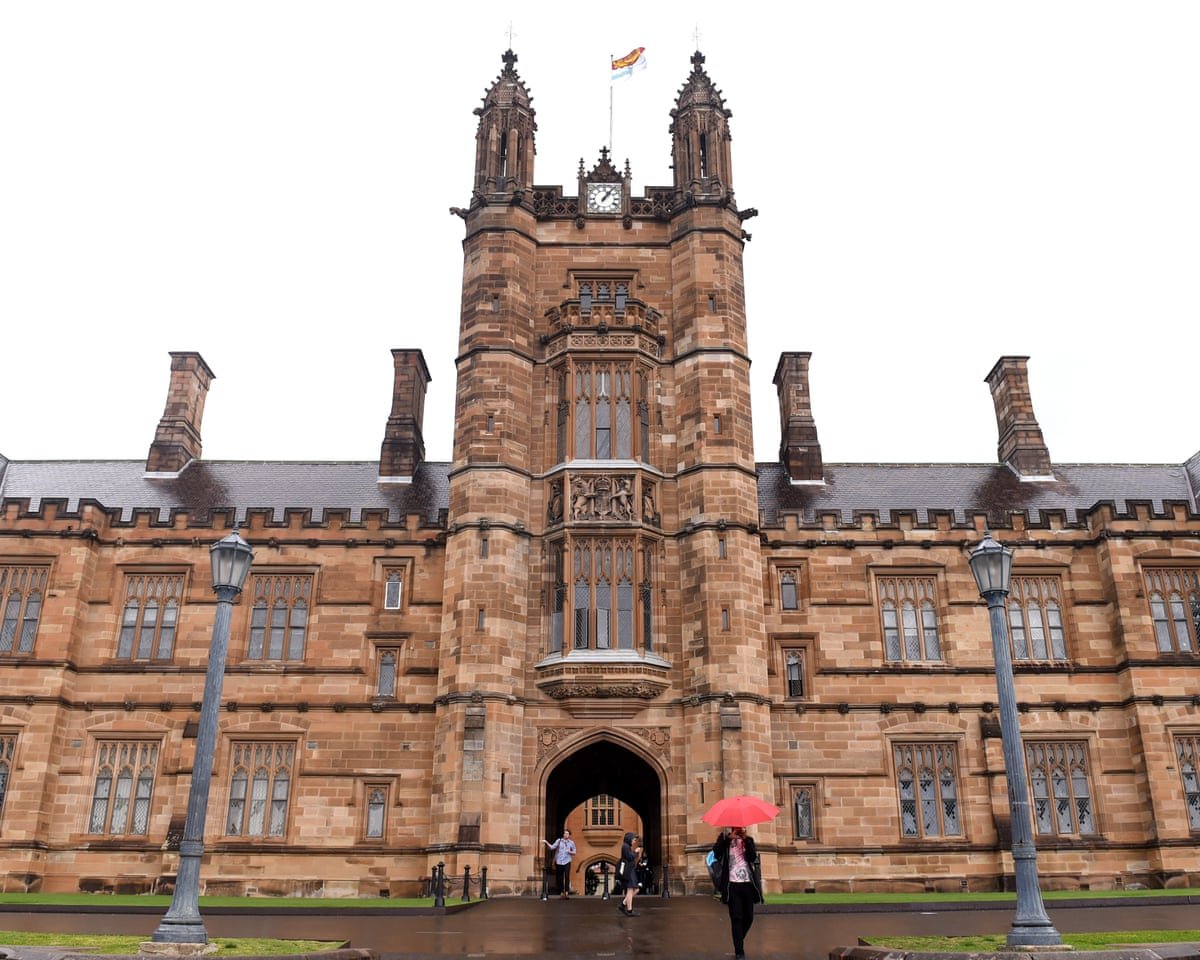
A Chinese international student who took part in pro-democracy demonstrations in Australia has reportedly been sentenced to six years in prison after returning to China, prompting renewed scrutiny of the risks faced by politically active students overseas.

The individual, who studied in Sydney and had intended to remain in Australia following graduation, lost contact with friends and prospective employers shortly after returning to China in December 2024. By early 2025, communication had ceased entirely, raising alarm among those who knew him.

According to a representative of his family, the student was subsequently detained and charged with secession, linked to his participation in rallies in Sydney that expressed solidarity with China’s ethnic minority groups.

The same source indicated that the family has not received official documentation of the court’s judgment following the trial.

The case is understood to have unfolded in the period leading up to the introduction of new legislation in China concerning ethnic unity, a measure that has drawn attention for its potential implications on cultural and linguistic expression among minority communities.

Individuals familiar with the protests in Australia confirmed the student’s presence at several events critical of Chinese government policies.

The university where he had been enrolled declined to comment on the situation, citing privacy obligations.

Australian authorities have also refrained from addressing the specific case publicly, although broader statements have emphasized opposition to foreign interference and the importance of safeguarding individuals within Australia’s jurisdiction.

Human rights observers suggest the incident may reflect a wider pattern in which Chinese nationals who engage in political expression abroad face repercussions upon returning home.

Particular attention has focused on a generation of students who became politically active following the wave of demonstrations in China in 2022, when young people staged rare public protests against pandemic restrictions.

Advocates argue that existing frameworks in host countries, including Australia, are primarily designed to address research security and foreign interference, rather than the personal safety of students who may later return to more restrictive environments.

This gap, they say, leaves politically engaged international students vulnerable to consequences beyond the reach of the institutions where they studied.

The case has intensified calls for governments and universities to reassess their responsibilities toward international students, particularly those who participate in lawful demonstrations while abroad.

As global academic mobility continues to expand, the intersection between political expression and transnational enforcement is emerging as a growing challenge for policymakers.

For many students, the situation underscores a stark reality: actions taken in open societies may carry unforeseen consequences once they return home, especially when those actions are interpreted through a different legal and political framework.
Skytrax recognition highlights high standards of hygiene and passenger experience at major aviation hub
Hong Kong International Airport has been ranked among the world’s cleanest airports, securing fifth place in the latest global assessment by Skytrax and reinforcing its reputation for high operational standards and passenger comfort.

The ranking reflects the airport’s continued focus on maintaining rigorous hygiene practices across terminals, including cleaning protocols, facility management, and overall passenger environment.

Observers note that cleanliness has become an increasingly important benchmark in global aviation, particularly as travellers place greater emphasis on health and safety.

Hong Kong’s airport has long been regarded as one of Asia’s leading transport hubs, known for efficiency, connectivity, and modern infrastructure.

The latest recognition further strengthens its position within the competitive landscape of international aviation.

Officials have highlighted the role of advanced systems and dedicated staff in achieving consistent standards across high-traffic areas.

Continuous investment in maintenance and service quality has contributed to the airport’s ability to handle large volumes of passengers while preserving a clean and organised environment.

The ranking places Hong Kong alongside other major global airports recognised for excellence in cleanliness, underscoring the importance of operational discipline and attention to detail in delivering a positive travel experience.

As international travel continues to recover and expand, such recognition is expected to enhance Hong Kong’s appeal to airlines and passengers, supporting its role as a key gateway in the region.
Investors shift focus toward Hong Kong amid regional uncertainty, boosting demand and prices
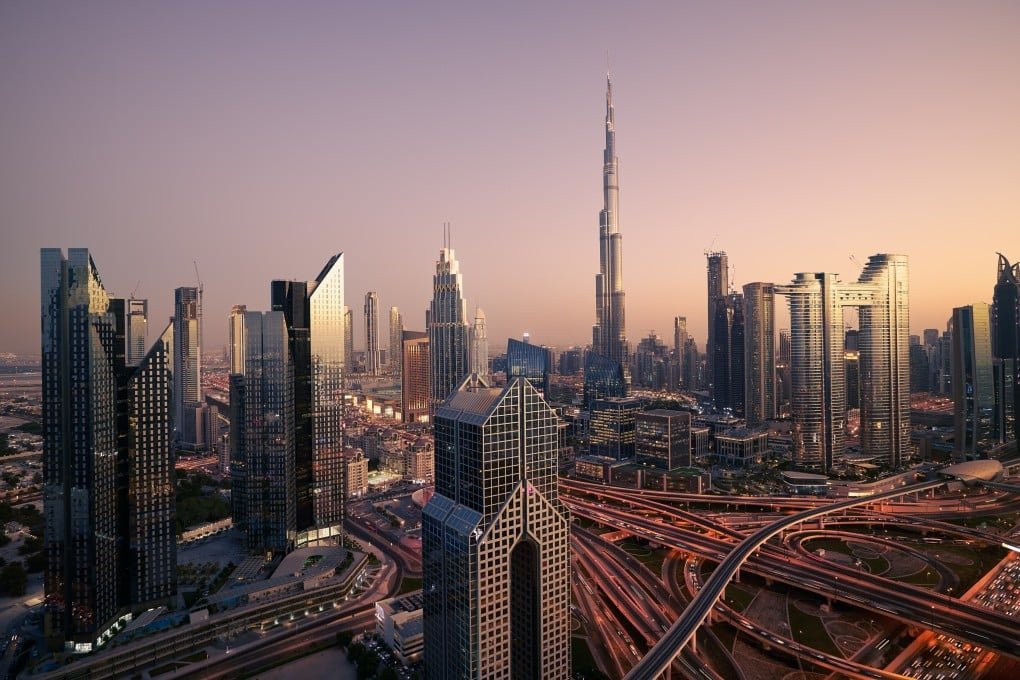
Hong Kong’s real estate market is seeing renewed gains as geopolitical tensions in the Middle East unsettle Dubai’s property sector, prompting investors to redirect capital toward more stable environments.

The shift reflects growing caution among international buyers, with uncertainty linked to regional developments influencing investment decisions.

Dubai, long considered a major destination for global property investment, has experienced increased volatility as tensions impact market sentiment.
In contrast, Hong Kong is attracting attention as a relatively resilient and well-established financial hub, offering strong legal frameworks and deep market liquidity.

The city’s property sector is benefiting from this renewed confidence, with increased demand contributing to rising prices and stronger transaction activity.

Market participants note that Hong Kong’s connectivity to global capital markets and its role as a gateway to mainland China continue to underpin its appeal.

The reallocation of investment flows highlights how geopolitical developments can rapidly influence property markets across regions.

Developers and agents in Hong Kong have reported heightened interest from overseas buyers, particularly those seeking to diversify risk and secure assets in stable jurisdictions.

This trend is reinforcing a broader recovery in the city’s real estate sector following earlier periods of subdued activity.

While the situation remains fluid, the current momentum suggests that Hong Kong is well positioned to capture additional investment as global conditions evolve, further strengthening its standing in the international property market.
Updated measures on access to phones and laptops aim to strengthen security while raising questions for visitors
Hong Kong has introduced updated rules allowing authorities to request access to electronic devices such as laptops and mobile phones at border crossings, a move aimed at strengthening security oversight while prompting increased attention from travellers.

Under the new framework, enforcement officers are empowered to inspect digital devices when deemed necessary as part of broader immigration and law enforcement procedures.

The measure is intended to enhance the ability to detect unlawful activities, including threats to public order and security.

Officials have indicated that the policy forms part of ongoing efforts to modernise enforcement capabilities in response to evolving technological realities.

As personal devices increasingly store large amounts of sensitive data, authorities see the inspections as a tool to ensure compliance with existing laws.

For tourists and business travellers, the development has raised practical considerations about data privacy and the handling of personal information.

While inspections are not expected to be routine for all travellers, the possibility of device checks has led to increased awareness and preparation among those entering the city.

Legal experts note that the rules operate within an established framework that governs how searches are conducted, with safeguards designed to regulate the use of such powers.

However, the extent and application of these measures are likely to be closely observed as they are implemented in practice.

The policy reflects a broader global trend in which governments are expanding digital inspection powers at borders to address security challenges.

As Hong Kong continues to balance openness with enforcement priorities, the impact of the new rules on travel and business activity will remain a key point of attention.
Shifting global conditions and investor sentiment will play a decisive role in shaping the city’s next phase of growth
Hong Kong’s evolving economic model is entering a critical phase as global markets begin to test its resilience, with investor sentiment and external conditions expected to play a defining role in determining its success.

The city has been recalibrating its approach to growth, placing greater emphasis on integration with regional economies, innovation-driven industries, and diversification beyond its traditional financial base.

This transition reflects an effort to adapt to changing global dynamics while maintaining its position as a leading international hub.

Market participants are closely watching how these adjustments translate into tangible outcomes, particularly in areas such as capital flows, asset valuations, and business activity.

The response from investors will provide a key indicator of confidence in the new direction.

At the same time, Hong Kong continues to benefit from strong institutional foundations, including a well-established financial system, deep capital markets, and connectivity with mainland China.

These factors are seen as important strengths that can support the transition, even as uncertainties persist.

Analysts note that the city’s ability to navigate external pressures, including global economic shifts and competitive challenges from other financial centres, will be crucial.

Effective policy implementation and clear communication are expected to influence how markets assess the trajectory of the economy.

The coming period is likely to be marked by heightened scrutiny, with investors evaluating both risks and opportunities.

How Hong Kong responds to these tests will shape perceptions of its long-term competitiveness and its role in the global economic landscape.
New technology enhances surveillance and enforcement as authorities intensify efforts against illicit activities
Hong Kong police have deployed drones for the first time in operations targeting illegal street gambling, marking a significant step in the use of advanced technology to strengthen law enforcement capabilities.

The aerial devices were used to monitor suspected gambling hotspots, providing officers with real-time intelligence and a broader field of view that would be difficult to achieve through traditional patrol methods.

The approach is designed to improve efficiency in identifying and responding to unlawful activities in densely populated urban areas.

Authorities say the use of drones allows for more precise targeting of operations, reducing the likelihood of offenders evading detection.

The technology also enhances officer safety by enabling surveillance from a distance while maintaining oversight of multiple locations simultaneously.

The crackdown forms part of ongoing efforts to combat illicit gambling, which remains a persistent issue in certain districts.

By incorporating modern tools into enforcement strategies, police aim to disrupt organised activities and deter future offences.

Officials have emphasised that the deployment of drones is conducted within established legal and regulatory frameworks, with attention to privacy considerations and operational accountability.

The initiative reflects a broader trend toward integrating technology into policing to address evolving challenges.

As authorities continue to refine their methods, the use of drones is expected to become an increasingly important component of law enforcement operations, supporting more effective and responsive policing across the city.
Calls grow for more proactive measures to strengthen cross-border cooperation and economic connectivity
Hong Kong is being encouraged to take a more proactive approach in removing barriers with neighbouring Shenzhen, as policymakers and industry leaders highlight the need to deepen integration and unlock greater economic potential across the border.

The call reflects a growing consensus that closer collaboration between the two cities could enhance competitiveness, particularly within the Greater Bay Area framework.

Improved coordination in areas such as transport, business regulation, and talent mobility is seen as essential to fostering a more seamless economic environment.

Stakeholders have pointed to existing administrative and logistical obstacles that can slow cross-border activity, including differences in regulatory systems and operational procedures.

Addressing these challenges is viewed as a key step in enabling businesses and professionals to move more efficiently between the two hubs.

Shenzhen’s rapid growth as a technology and innovation centre has further underscored the importance of stronger ties.

By reducing friction and encouraging joint development, Hong Kong can position itself to benefit from complementary strengths in finance, services, and global connectivity.

Officials and analysts suggest that a more integrated approach would support long-term economic resilience, attract investment, and create new opportunities for collaboration in emerging industries.

Enhanced infrastructure and policy alignment are expected to play a central role in achieving these goals.

As discussions continue, the focus remains on balancing integration with the preservation of Hong Kong’s distinct advantages, while ensuring that cooperation with Shenzhen delivers tangible benefits for both cities.
Unprecedented turnout and atmosphere reinforce city’s position as a major force in international rugby
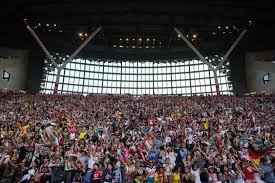
Hong Kong has reinforced its reputation as a global player in rugby following a record-breaking edition of the Hong Kong Sevens, with exceptional attendance and a vibrant atmosphere underscoring the city’s influence in the sport.

The tournament drew large crowds from around the world, with organisers reporting unprecedented levels of participation and engagement.

The event’s unique combination of elite competition and festival-like energy has long distinguished it within the international rugby calendar, and this year’s edition further elevated its standing.

Teams from across the globe competed in front of packed stands, showcasing high-level performance and contributing to the event’s reputation as a premier destination for rugby sevens.

The success of the tournament has been seen as a reflection of Hong Kong’s ability to host major sporting events at scale.

Officials highlighted the broader impact of the Sevens, noting its contribution to tourism, hospitality, and the city’s global profile.

The event also plays a key role in promoting rugby within the region, inspiring new generations of players and fans.

The record-breaking turnout is viewed as a sign of renewed momentum for international sporting events in Hong Kong, as the city continues to position itself as a hub for global competition and entertainment.
With its latest success, the Hong Kong Sevens has further cemented the city’s place on the world rugby stage, demonstrating both its organisational capability and its enduring appeal to international audiences.
City expands global influence through major exhibitions, galleries, and evolving creative ecosystem
Hong Kong is entering a new phase in its evolution as Asia’s leading art capital, with a surge in cultural activity, international exhibitions, and investment in creative industries reinforcing its global standing.

The city continues to attract major galleries, collectors, and institutions, benefiting from its strategic position as a gateway between East and West.

High-profile art fairs, museum expansions, and a growing network of private galleries have contributed to a dynamic environment that supports both established artists and emerging talent.
Recent developments highlight a shift toward diversification, with greater emphasis on contemporary Asian art alongside international works.

This has broadened Hong Kong’s appeal, drawing audiences and participants from across the region and beyond.

Officials and industry leaders have emphasised the importance of maintaining a vibrant and open cultural landscape, with initiatives aimed at fostering innovation, education, and accessibility.

Investment in infrastructure, including new exhibition spaces and cultural venues, has further strengthened the city’s capacity to host large-scale events.

Despite broader economic and global uncertainties, the art market in Hong Kong has demonstrated resilience, supported by strong demand from collectors and sustained interest from international stakeholders.

The city’s role as a financial and cultural hub continues to underpin its influence in the global art world.

As Hong Kong builds on its established reputation, the next chapter in its artistic development is expected to be shaped by a combination of tradition, innovation, and expanding regional engagement.
Major display offers rare insight into ancient Chinese civilisation through artifacts spanning more than two millennia
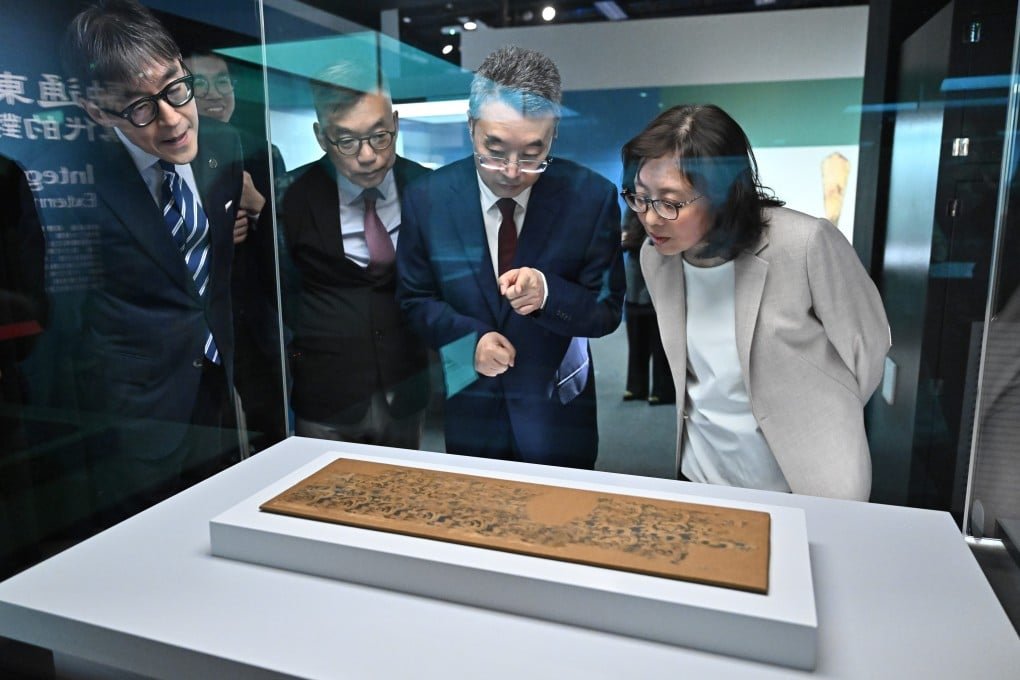
A major exhibition in Hong Kong is showcasing more than 250 rare relics from the Han dynasty, offering visitors a detailed glimpse into one of the most influential periods in Chinese history.

The collection includes a wide range of artifacts, from ceremonial objects and pottery to intricate jade pieces and early technological items, reflecting the sophistication and cultural depth of the era.

Many of the relics are being displayed publicly for the first time, making the exhibition a significant event for historians and the general public alike.

The Han dynasty, which lasted from 206 BC to AD 220, is widely regarded as a formative period in the development of Chinese civilisation.

It saw advances in governance, trade, and innovation, including the expansion of the Silk Road, which connected China with distant regions and facilitated cultural exchange.

Curators have emphasised the educational value of the exhibition, with displays arranged to highlight daily life, artistic achievement, and the political structures of the time.

Interactive elements and detailed explanations aim to provide context and deepen understanding of how these artifacts were used and their historical significance.

The event underscores Hong Kong’s role as a key cultural hub, capable of hosting major international exhibitions and promoting engagement with heritage and history.

It also reflects growing interest in preserving and presenting ancient artifacts to a global audience.

Organisers expect strong attendance as visitors take advantage of the opportunity to experience a rare and comprehensive presentation of Han dynasty relics, shedding light on a pivotal chapter in human history.
Strong demand and improving sentiment fuel rapid sales across new residential developments
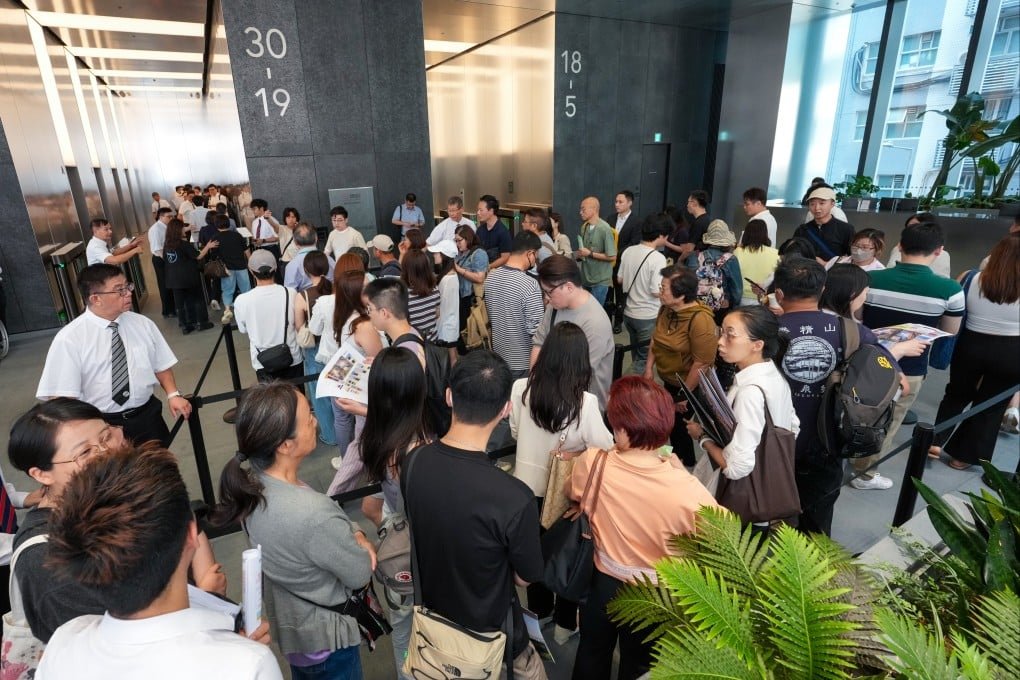
Hong Kong’s property market is experiencing a resurgence in buyer confidence, with new residential developments continuing to sell out rapidly as demand strengthens across the city.

Recent launches have attracted significant interest from homebuyers, with multiple projects achieving near or complete sell-outs shortly after being released.

The trend reflects improving sentiment in the market, supported by expectations of stabilising conditions and more favourable financing environments.

Developers have responded by adjusting pricing strategies and accelerating project timelines, aiming to capitalise on renewed demand.

Competitive pricing and targeted incentives have played a role in drawing both first-time buyers and investors back into the market.

Market observers point to a combination of factors behind the shift, including easing financial pressures, a clearer economic outlook, and pent-up demand following a period of slower activity.

The result has been a noticeable uptick in transaction volumes and stronger participation at property launches.

The sustained sell-out streak is being seen as an indicator of underlying resilience in Hong Kong’s housing sector, even as broader economic conditions continue to evolve.

Analysts suggest that continued stability in interest rates and policy measures could further support the market’s recovery.

While challenges remain, including affordability concerns and external economic influences, the current wave of strong sales highlights a renewed level of confidence among buyers and a more optimistic outlook for the sector in the near term.
Authorities weigh economic opportunity against risks as debate over sports wagering intensifies
Hong Kong is pausing plans to expand legal betting to basketball, as authorities and stakeholders reassess the regulatory, economic, and social implications of widening the city’s gambling framework.

The decision comes amid ongoing discussions about the potential benefits of introducing basketball wagering, including increased tax revenue and the ability to channel existing underground betting activity into a regulated system.

However, concerns about gambling addiction, market oversight, and the broader social impact have prompted a more cautious approach.

Officials are understood to be evaluating how such an expansion would fit within Hong Kong’s existing regulatory structure, which currently permits betting on a limited range of activities under strict controls.

The pause reflects a desire to ensure that any changes are carefully managed and supported by appropriate safeguards.

Industry participants have highlighted the growing popularity of basketball betting in other markets, suggesting that demand already exists within Hong Kong.

At the same time, policymakers are balancing these commercial considerations with the need to protect vulnerable groups and maintain public confidence in the system.

The move also underscores the complexities of regulating modern betting markets, where technological advances and cross-border platforms can complicate enforcement efforts.

Authorities are expected to continue consultations with experts and stakeholders before making any final decisions.

For now, the pause signals a measured approach, with Hong Kong prioritising careful evaluation over rapid expansion as it navigates the evolving landscape of sports wagering.
Self-made businesswoman’s journey highlights determination, industry transformation, and strategic growth
A Hong Kong factory worker has risen to become one of the world’s richest self-made women, in a remarkable story of determination, entrepreneurship, and long-term strategic vision.

Beginning her career in modest conditions on a factory floor, she gradually built expertise in manufacturing and trade, gaining firsthand insight into production processes and market demands.

Over time, she leveraged this experience to establish her own business, focusing on efficiency, quality, and expansion into higher-value segments of the industry.

Her company grew steadily, benefiting from Hong Kong’s position as a major commercial hub and its strong links to global supply chains.

By adapting to changing market conditions and investing in innovation, she was able to scale operations and diversify into new sectors, strengthening the firm’s competitive position.

The entrepreneur’s rise reflects broader shifts in the global economy, where manufacturing expertise combined with strategic leadership can generate substantial wealth.

Her success also underscores the role of persistence and calculated risk-taking in building a business from the ground up.

Today, she is recognised among the world’s leading self-made women, with a fortune built on decades of disciplined growth and reinvestment.

Her journey continues to inspire aspiring entrepreneurs, particularly in Asia, where opportunities in industry and trade remain significant.

The story stands as a powerful example of how individual ambition, supported by favourable economic conditions and sound business strategy, can lead to extraordinary achievement.
Annual event draws international filmmakers and audiences as region reinforces its role in global storytelling
The Hong Kong Film Festival has returned with a renewed global presence, bringing together filmmakers, industry professionals, and audiences to celebrate a diverse range of cinema while highlighting the region’s continued influence in the international film landscape.

The event features an extensive programme of screenings, including premieres, restored classics, and independent productions, offering a platform for both established directors and emerging voices.

Organisers have emphasised a strong focus on Asian cinema, reflecting Hong Kong’s longstanding role as a cultural bridge between East and West.

In addition to film screenings, the festival includes panel discussions, workshops, and networking events designed to foster collaboration and explore new trends in filmmaking.

Topics such as digital production, distribution strategies, and cross-border partnerships are expected to play a central role in discussions among participants.

Industry observers note that the festival arrives at a time when global audiences are increasingly engaging with content from Asia, driven by streaming platforms and expanding international distribution.

Hong Kong’s position as a key hub for creative exchange continues to support this growth.

Officials have highlighted the importance of maintaining an open and dynamic cultural environment, with the festival serving as a showcase for artistic expression and innovation.

The event also contributes to the city’s broader efforts to strengthen its creative industries and attract international talent.

As the festival progresses, it is expected to generate new opportunities for filmmakers and reinforce Hong Kong’s standing as a significant centre for global cinema.
A fragile ceasefire in the Middle East has triggered a temporary reopening of the strategically vital Strait of Hormuz, offering brief relief to global energy markets — but the situation remains highly volatile, with military tensions, humanitarian crises, and geopolitical uncertainty continuing to escalate.

Temporary Opening of a Critical Global Oil Route

Iran’s Foreign Minister Abbas Araqchi announced that the Strait of Hormuz would remain “completely open for business” during the duration of a newly brokered 10-day ceasefire between Israel and Lebanon. 

The strait — one of the world’s most important maritime chokepoints, carrying roughly a fifth of global oil shipments — had been severely disrupted during weeks of escalating conflict involving Iran, Israel, and the United States. 

Iran stated that commercial vessels could transit via coordinated maritime routes, while international actors began preparing plans to restore secure navigation.

However, optimism proved short-lived. Within days, Iran reversed course and reimposed restrictions on the strait, citing continued U.S. naval pressure and unresolved tensions. 


NATO Allies Prepare Defensive Maritime Mission

As instability around the Strait intensified, a coalition of mainly European and NATO-aligned countries convened in Paris to develop a plan to secure maritime traffic.

The initiative — led by French President Emmanuel Macron and joined by UK Prime Minister Keir Starmer and German Chancellor Friedrich Merz — is expected to include:

  • Military escort vessels
  • Mine-clearing operations
  • Advanced radar and surveillance systems

European leaders emphasized that the mission would be strictly defensive, aimed at ensuring safe passage rather than escalating military involvement.

Germany signaled that its participation would depend on:

  • A sustained ceasefire
  • A multilateral legal framework
  • Potential United Nations authorization

The effort follows pressure from U.S. President Donald Trump, who reportedly urged NATO allies to take a more active role in securing global shipping routes.


Ceasefire Between Israel and Lebanon Offers Limited Relief

The maritime developments are closely tied to a U.S.-brokered 10-day ceasefire between Israel and Lebanon, which came into effect on April 16, 2026. 

The agreement aims to pause hostilities and create space for negotiations after weeks of intense fighting between Israeli forces and Hezbollah.

  • Israel has agreed to halt offensive operations
  • Lebanese authorities are expected to restrain armed groups
  • Hezbollah is not a formal signatory but has signaled conditional compliance

Despite the agreement, tensions remain high:

  • Israel insists it will maintain a security presence in southern Lebanon
  • It reserves the right to carry out preemptive strikes
  • Reports of violations and continued clashes have already emerged

President Trump expressed confidence that all parties — including Hezbollah — would respect the ceasefire, though analysts remain skeptical.


Global Markets React — Then Recoil

The initial announcement of the Strait’s reopening led to:

  • A sharp drop in oil prices
  • Positive movement in global stock markets

But renewed instability quickly reversed market optimism.

Attacks on vessels, military warnings, and conflicting statements from Tehran and Washington have reinforced the perception that the situation remains unpredictable and fragile. 


Humanitarian Crisis Deepens Across the Region

While diplomatic efforts focus on ceasefires and trade routes, the humanitarian toll continues to mount:

Lebanon

  • More than 2,000 deaths reported since the escalation
  • Over 1 million people displaced

Gaza

  • Approximately 90% of the population displaced
  • Around 320,000 buildings damaged or destroyed
  • Severe risks from:
    • Structural collapse
    • Flooding and exposure
    • Unexploded ordnance
    • Toxic debris including asbestos

The United Nations estimates that:

  • Clearing rubble alone could take up to 7 years
  • Full reconstruction may take decades and cost over $40 billion

Winter conditions have further worsened living conditions, with flooding and cold exposure posing life-threatening risks.


Global Economic Fallout Expands

The conflict’s impact is no longer regional.

The United Nations Development Programme warns that ongoing escalation could push more than 30 million people into poverty worldwide, particularly affecting:

  • Sub-Saharan Africa
  • Small island developing states
  • Energy-import-dependent economies

Disruptions to fuel supply chains and rising costs are already being felt globally, reinforcing the broader economic consequences of the crisis.


A Conflict With No Clear Endgame

Despite diplomatic activity, several key issues remain unresolved:

  • The role and disarmament of Hezbollah
  • Israel’s military presence in Lebanon
  • U.S.–Iran tensions and naval confrontations
  • Control and security of the Strait of Hormuz

The ceasefire is widely viewed as temporary and fragile, rather than a definitive step toward peace.


Sum Up

The brief reopening of the Strait of Hormuz offered a glimpse of stabilization in a region under extreme strain — but the rapid reversal underscores a deeper reality:

The Middle East remains on edge, where ceasefires are tentative, alliances are shifting, and the global consequences are immediate.

Even if hostilities pause, the structural damage — humanitarian, economic, and geopolitical — will shape the region and the world for years to come.

Iconic rugby tournament reaches milestone anniversary with vibrant crowds and enduring global appeal
Hong Kong’s renowned rugby tournament has celebrated its fiftieth anniversary, drawing large crowds for a weekend defined as much by its lively atmosphere as by the sport itself.

The Hong Kong Sevens, long regarded as one of the most distinctive events on the global rugby calendar, combined high-level competition with its trademark festive spirit.

Fans from around the world gathered to mark the milestone, creating a vibrant environment that has become synonymous with the tournament.

Since its inception, the event has evolved into a major international attraction, showcasing top-tier rugby while also embracing a culture of entertainment and social celebration.

The fiftieth edition highlighted this dual identity, with matches on the field complemented by energetic crowd participation in the stands.

Organizers emphasized the significance of reaching the half-century mark, noting the tournament’s role in promoting rugby in Asia and strengthening Hong Kong’s status as a global sporting hub.

The event continues to attract teams and supporters from across continents, reinforcing its international character.

The atmosphere at the tournament reflected its unique appeal, with costumes, music, and social gatherings forming an integral part of the experience.

While the competition remains central, the celebratory environment has helped distinguish the Hong Kong Sevens from other sporting events.

Analysts note that the tournament’s enduring popularity underscores the city’s ability to host large-scale international events, contributing to tourism and global visibility.

The fiftieth anniversary served as both a celebration of past achievements and a signal of continued relevance.

As the event looks ahead, its blend of elite sport and festive culture is expected to remain a defining feature, sustaining its reputation as one of rugby’s most iconic gatherings.
Authorities assess market impact as consolidation could reshape retail landscape in the city
Hong Kong’s competition watchdog has begun monitoring a potential merger between the city’s two largest supermarket chains, a development that could significantly reshape the retail sector and consumer market.

The review reflects concerns over the implications of consolidation in a highly concentrated industry, where a combined entity could hold substantial influence over pricing, supply chains, and product availability.

Regulators are assessing whether such a move would affect fair competition and consumer choice.

Officials indicated that the process remains at an early stage, with no formal approval granted and no definitive outcome determined.

The watchdog’s involvement underscores its role in ensuring that market dynamics remain balanced and competitive.

Industry observers note that a merger of this scale could deliver efficiencies in logistics and operations, potentially improving cost management.

However, it may also raise questions about market dominance and the ability of smaller retailers to compete.

Hong Kong’s grocery sector is a critical component of daily life, with major chains playing a central role in food distribution and retail services.

Any structural change within this market is therefore closely scrutinized for its broader economic and social impact.

The monitoring effort highlights the importance of regulatory oversight in maintaining competitive markets, particularly in essential sectors where consumer welfare is directly affected.

As the situation develops, stakeholders across the industry will be watching closely to see how authorities balance the potential benefits of consolidation with the need to preserve competition and protect consumers.
Battery maker explores major listing as Hong Kong strengthens role in global capital markets
Envision AESC, the battery manufacturing group backed by sovereign investor GIC, is exploring plans for a potential initial public offering in Hong Kong that could raise around two billion dollars, signaling renewed momentum in the city’s equity markets.

The proposed listing reflects growing confidence in Hong Kong as a venue for large-scale capital raising, particularly for companies operating in high-growth sectors such as electric vehicles and energy storage.

Envision AESC, a key supplier in the global battery supply chain, has expanded rapidly alongside increasing demand for electrification.

The company’s consideration of a Hong Kong flotation highlights the city’s continued appeal as a gateway for international investors seeking exposure to Asian growth industries.

Its established financial infrastructure and deep liquidity pools are seen as important advantages in attracting major listings.

Backed by GIC, one of the world’s most prominent sovereign wealth funds, Envision AESC’s potential IPO underscores the role of institutional investment in supporting the expansion of next-generation technologies.

The move would provide additional capital to scale production and enhance research capabilities.

Market participants note that the timing of the offering will depend on broader conditions, including investor sentiment and global economic trends.

However, the scale of the proposed deal suggests strong underlying interest in companies positioned at the forefront of the energy transition.

The development also reflects Hong Kong’s efforts to reinforce its standing as a leading international financial center, capable of hosting significant public offerings even amid a competitive global landscape.

As discussions progress, attention will focus on valuation, listing structure, and investor demand, with the potential IPO representing a significant milestone for both the company and Hong Kong’s capital markets.
Officials emphasize resilience of financial ties despite regional tensions and market uncertainty
A senior Hong Kong minister has called for a long-term perspective on global investment trends, stating that financial flows involving the Middle East remain stable despite recent geopolitical tensions.

The official emphasized that short-term volatility should not overshadow the enduring strength of investment relationships, noting that capital movement is often influenced by broader structural factors rather than immediate developments.

The message was aimed at reinforcing confidence among investors navigating uncertainty.

According to the minister, Hong Kong’s role as a global financial hub continues to support steady engagement with Middle Eastern partners, with no significant disruption observed in ongoing investment activities.

The city’s established frameworks and international connectivity were highlighted as key factors sustaining these ties.

The remarks come amid heightened tensions in the Middle East, which have prompted concerns about potential impacts on global markets.

However, officials indicated that long-term investment strategies remain intact, with institutions maintaining their commitments and outlook.

Analysts note that while geopolitical developments can influence sentiment in the short term, large-scale investments are typically guided by longer horizons and strategic objectives.

This perspective aligns with Hong Kong’s approach of promoting stability and continuity in its financial ecosystem.

The minister also underscored the importance of maintaining open channels for capital flows and ensuring that Hong Kong remains an attractive destination for international investors.

Efforts to strengthen regulatory clarity and market infrastructure were cited as ongoing priorities.

As global conditions evolve, the call for a long-term view reflects confidence in the resilience of financial systems and the capacity of established hubs like Hong Kong to navigate periods of uncertainty while sustaining international investment partnerships.
New initiative targets affordability challenges by increasing availability of government-backed homes
Hong Kong’s Housing Society has announced plans to significantly increase the supply of subsidised sale flats, aiming to address persistent affordability challenges in one of the world’s most expensive housing markets.

The initiative focuses on accelerating the development and release of flats designed for middle-income residents who do not qualify for public rental housing but struggle to enter the private property market.

Officials emphasized that expanding access to subsidised ownership is a key component of broader housing policy.

The Housing Society intends to boost construction output and streamline project timelines, working in coordination with government authorities to ensure a steady pipeline of new units.

The approach reflects a growing urgency to tackle housing shortages and stabilize long-term supply.

Demand for subsidised flats remains strong, driven by high property prices and limited availability of affordable options.

By increasing supply, policymakers aim to ease pressure on the housing market and improve social mobility for aspiring homeowners.

Analysts note that the move aligns with ongoing efforts to balance supply and demand across different segments of the housing sector.

Expanding subsidised housing is seen as a practical step toward addressing structural imbalances without disrupting the broader market.

The plan also underscores Hong Kong’s commitment to maintaining livability and economic competitiveness, recognizing that housing affordability is a critical factor in attracting and retaining talent.

As new projects are rolled out, attention will focus on how effectively the increased supply meets demand and contributes to a more accessible and sustainable housing landscape.
Financial hub positions itself at the forefront of digital currency development with strong regulatory and market backing
Hong Kong is being positioned as a leading force in Asia’s push to scale the use of stablecoins, as financial institutions highlight the city’s proactive regulatory framework and strong market infrastructure.

The assessment reflects growing momentum behind digital assets designed to maintain stable value, which are increasingly viewed as a bridge between traditional finance and blockchain-based systems.

Hong Kong’s approach has focused on creating a clear and supportive environment for innovation while ensuring oversight and stability.

Analysts note that the city’s well-established financial ecosystem, combined with its connectivity to mainland China and international markets, provides a powerful foundation for expanding stablecoin adoption.

This positioning allows Hong Kong to attract both issuers and users seeking a reliable base for digital finance activities.

Regulatory clarity has been a key factor in driving confidence, with authorities implementing frameworks aimed at balancing innovation with risk management.

This has helped differentiate Hong Kong from other regional financial centers competing to lead in digital assets.

The push to scale stablecoins also aligns with broader efforts to modernize payment systems and enhance financial efficiency.

Stablecoins offer potential advantages in cross-border transactions, liquidity management, and integration with emerging financial technologies.

Competition remains strong across Asia, with other jurisdictions exploring similar initiatives.

However, Hong Kong’s combination of regulatory readiness, institutional support, and market depth places it in a strong position to lead the next phase of digital currency development.

As adoption continues to grow, the city’s role in shaping the evolution of stablecoins is expected to expand, reinforcing its status as a major global financial hub adapting to the digital age.
Changi Airport: How Singapore Engineered the World’s Most Efficient Travel Experience
Italy’s €100K Tax Gambit: Europe’s Soft Power Tax Haven
Travel on all public transport in the Australian state of Victoria will be free in May and then half price for the remainder of this year as the government ramps up help for consumers battling high fuel costs
News Roundup
Zhejiang China Commodities City Group Eyes Hong Kong IPO to Drive Global Expansion
Chinese Healthcare Stocks Surge in Hong Kong as Middle East Tensions Rattle Markets
Hong Kong to Channel Diesel Subsidies Directly to Oil Firms Amid Oversight Concerns
Hong Kong to Host Major Wiki Finance Expo 2026 Showcasing Fintech and Web3 Innovation
Hong Kong Police Arrest Suspect in Major Patient Data Leak Affecting Tens of Thousands
ISOPT Gears Up for Joint Scientific Meeting Across Shenzhen and Hong Kong
Hong Kong Tunnel Toll Cuts Leave Taxi Passengers Without Fare Relief
Hong Kong’s Dining Scene Shines with Must-Visit Restaurants This April
Hong Kong Awards First Stablecoin Licences to Major Banking Players
From Factory Floor to Fortune: Hong Kong Worker Rises to Global Wealth Elite
Hong Kong Laundry Businesses Struggle as Rising Oil Prices Drive Costs Higher
Workplace Sexual Harassment Complaints Rise Sharply in Hong Kong
Manycore Targets $130 Million Raise in Hong Kong IPO as Hangzhou Tech Firms Expand
IPO Activity in Mainland China and Hong Kong Shows Renewed Momentum in Early 2026
Hong Kong Urged to Strengthen Resilience Amid Increasingly Complex Global Environment
Norman Foster’s Vision Redefined Hong Kong’s Skyline and Global Trading Architecture
Hong Kong Anti-Corruption Body Emphasizes Clean Governance as Foundation for Sustainable Growth
dentsu Hong Kong and Café de Coral Bring Social Media Energy to Life with Flash-Mob at CON-CON 2026
Hong Kong Dining Scene Showcases Top Quick-Service and Casual Restaurants in 2026 Rankings
Hong Kong Collectors Shift Focus from Ownership to Public Cultural Engagement
Chinese Firm’s Washington Outreach Linked to Trump-Era Networks Yields Policy Breakthrough
Hong Kong PMI Slips Below Growth Threshold as External Pressures Weigh on Business Activity
Hong Kong Surges Ahead of Wall Street and Europe in Global IPO Rankings
Hong Kong Moves to Criminalise Refusal to Provide Passwords in Investigations
Hong Kong Shapes Near-Term Property Outlook Across Greater Bay Area
Liu Wei’s ‘You Like Pork?’ Tops Poly Hong Kong Art Sale at 3.5 Million Dollars
Artificial Intelligence Takes Centre Stage at Hong Kong Technology Fairs
Hongkong Land Executives Increase Holdings Through Senior Management Share Plan
Hong Kong Company Launches Arbitration Against Maersk Over Panama Port Dispute
Hong Kong Urges Foreign Governments to Lift Covid-Era Flight Restrictions
Hong Kong Mortgage Corporation Explores Landmark Digital Bond Offering
Hong Kong Steps Up Scrutiny of Bank Culture in Push for Stronger Financial Governance
Hong Kong Clarifies Digital Currency Strategy, Says It Is Not Competing With US Stablecoins or Digital Yuan
Chinese AI Glasses Firm Rokid Plans Hong Kong IPO to Accelerate Expansion
Hong Kong Doctor Faces Disciplinary Review After Sharing Resuscitation Image Online
Hong Kong’s East Dam Draws Strong Easter Crowds With Steady Visitor Surge
Cathay Pacific Flight Diverts to Japan After Mid-Air Issue on Los Angeles–Hong Kong Route
U Power Expands Battery-Swapping Truck Plans in Thailand and Eyes Hong Kong Taxi Rollout
Hong Kong Selected to Host INTERPOL General Assembly at End of Year
7-Eleven Recreates Its First Hong Kong Store to Celebrate Anniversary Milestone
Wilson Sonsini Strengthens Hong Kong Presence With Senior Antitrust Hire
Chilled Red Wine Gains Popularity in Hong Kong as Tastes and Climate Shape New Trend
China and Australia Strengthen Energy Dialogue Amid Middle East Supply Disruptions
The CIA’s Secret Technology That Can Find You by Your Heartbeat Successfully Locates Downed Airman
Hong Kong Fire Hearings Reveal Coordination Gaps and Accountability Challenges
Tokyo Lifestyle Strengthens Hong Kong Expansion With HK$20 Million Strategic Investment