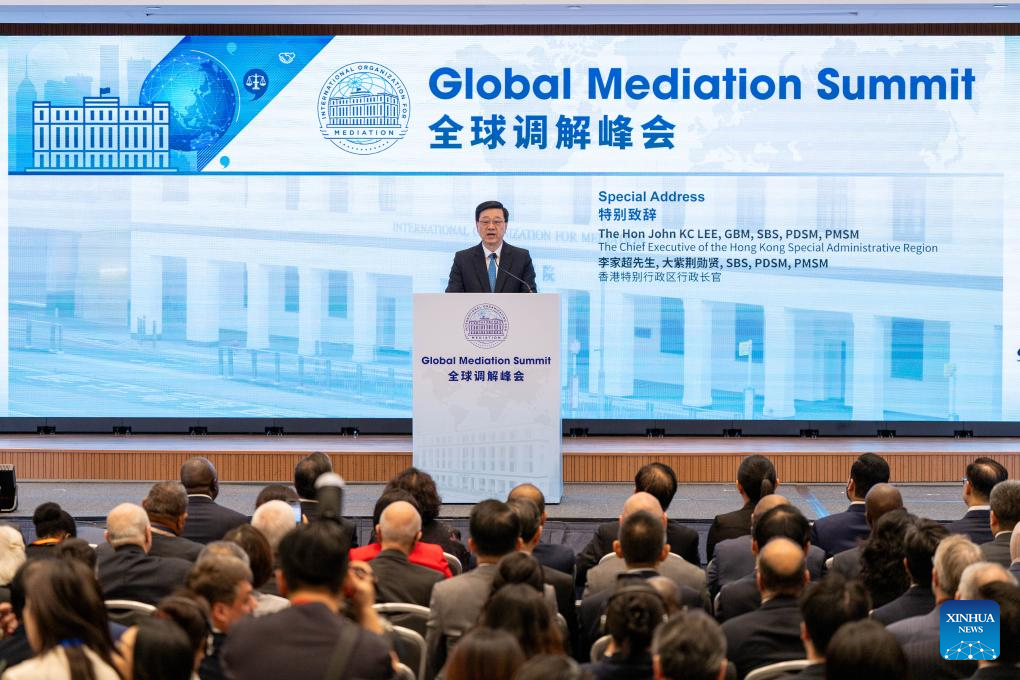
The strategy focuses on digital reform, bureaucratic efficiency, and tighter policy coordination as the city adapts its governance model under long-term integration pressures
The modernization of Hong Kong’s governance system is fundamentally SYSTEM-DRIVEN, shaped by institutional restructuring, administrative reform priorities, and the city’s evolving relationship with mainland China’s policy framework.
The five-year plan reflects an effort to make public administration more efficient, digitally integrated, and responsive to long-term economic and demographic pressures.
What is confirmed is that Hong Kong authorities have set out a structured multi-year agenda aimed at improving governance capacity across government departments.
The plan emphasizes streamlining administrative procedures, expanding digital government services, and strengthening interdepartmental coordination.
It is positioned as part of a broader effort to enhance policy execution and reduce bureaucratic delays in areas such as housing, infrastructure development, and public services.
A central component of the reform is the expansion of digital governance systems.
This includes increased use of data integration platforms, automation of administrative workflows, and improved digital access for citizens interacting with government services.
The goal is to reduce reliance on paper-based processes and fragmented departmental systems that have historically slowed decision-making and implementation.
Another key element is institutional coordination.
Hong Kong’s governance structure has often been characterized by strong departmental autonomy, which can lead to policy fragmentation.
The new framework seeks to improve cross-agency alignment, particularly in areas requiring rapid execution such as land development, housing supply, and emergency response coordination.
The reforms are also tied to broader structural pressures facing the city.
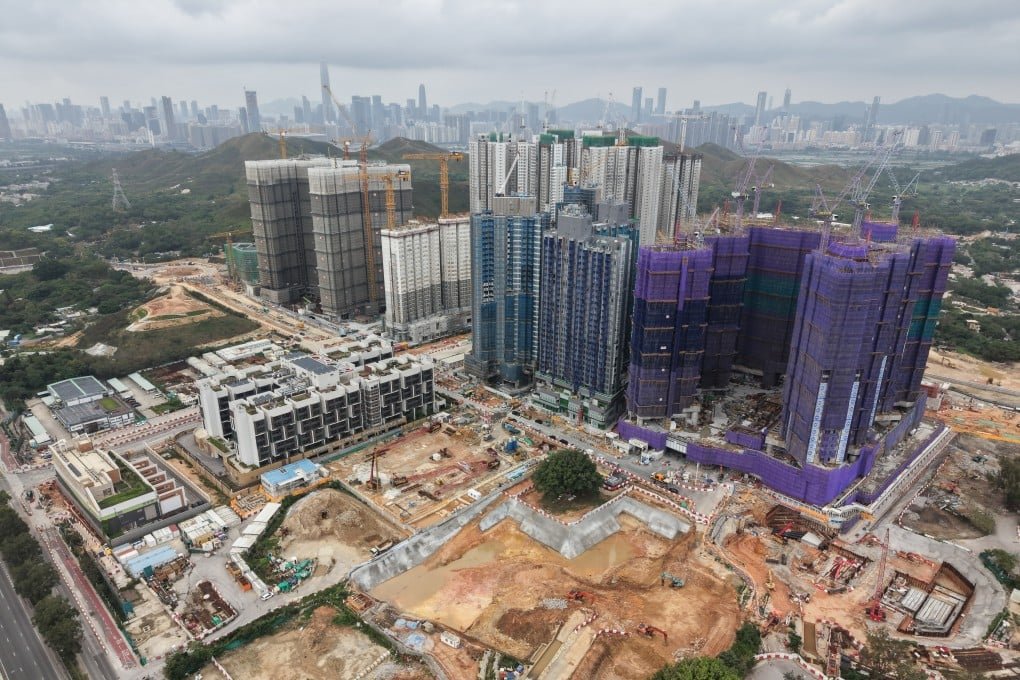
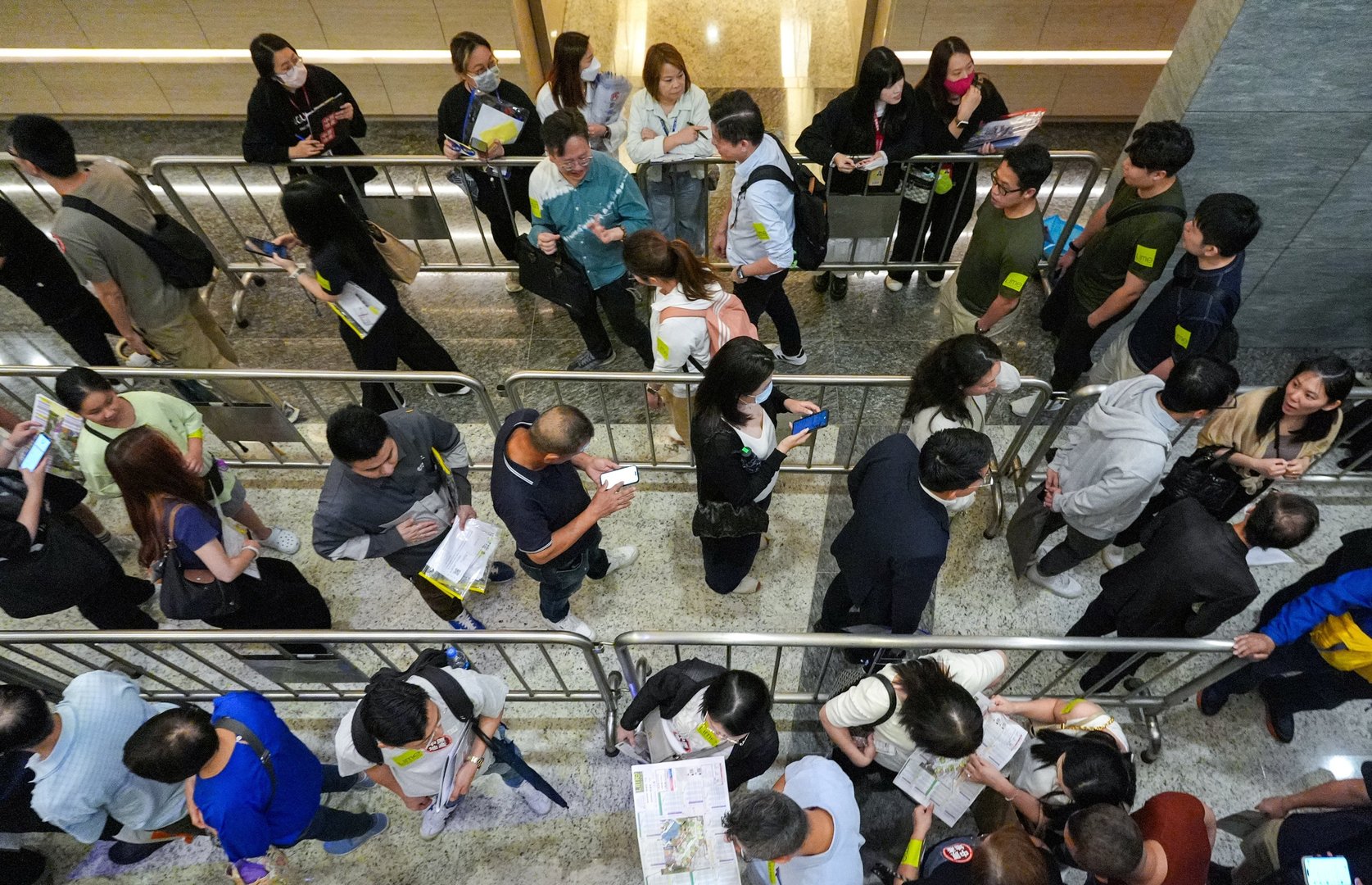
Hong Kong continues to grapple with housing shortages, an aging population, and the need to maintain competitiveness as a global financial center.
These challenges require faster policy execution and more integrated planning across government bodies, which the plan aims to address through administrative redesign rather than legislative overhaul.
At the same time, governance modernization in Hong Kong is taking place within a wider context of evolving administrative integration with mainland China.
While the city maintains a separate legal and administrative system, policy coordination frameworks have expanded in recent years, particularly in economic planning and infrastructure development tied to the Greater Bay Area strategy.
The implications of the five-year plan are primarily operational rather than constitutional.
It does not change Hong Kong’s core governance structure, but it does signal a shift toward a more centralized and efficiency-oriented administrative model.
If implemented successfully, it could shorten policy response times and improve execution capacity, but it also places pressure on departments to adapt quickly to new digital and procedural standards.
The next phase will depend on implementation across multiple government agencies, where the effectiveness of digital systems, staff restructuring, and interdepartmental coordination will determine whether the modernization agenda translates into measurable administrative change.
The five-year plan reflects an effort to make public administration more efficient, digitally integrated, and responsive to long-term economic and demographic pressures.
What is confirmed is that Hong Kong authorities have set out a structured multi-year agenda aimed at improving governance capacity across government departments.
The plan emphasizes streamlining administrative procedures, expanding digital government services, and strengthening interdepartmental coordination.
It is positioned as part of a broader effort to enhance policy execution and reduce bureaucratic delays in areas such as housing, infrastructure development, and public services.
A central component of the reform is the expansion of digital governance systems.
This includes increased use of data integration platforms, automation of administrative workflows, and improved digital access for citizens interacting with government services.
The goal is to reduce reliance on paper-based processes and fragmented departmental systems that have historically slowed decision-making and implementation.
Another key element is institutional coordination.
Hong Kong’s governance structure has often been characterized by strong departmental autonomy, which can lead to policy fragmentation.
The new framework seeks to improve cross-agency alignment, particularly in areas requiring rapid execution such as land development, housing supply, and emergency response coordination.
The reforms are also tied to broader structural pressures facing the city.
Hong Kong continues to grapple with housing shortages, an aging population, and the need to maintain competitiveness as a global financial center.
These challenges require faster policy execution and more integrated planning across government bodies, which the plan aims to address through administrative redesign rather than legislative overhaul.
At the same time, governance modernization in Hong Kong is taking place within a wider context of evolving administrative integration with mainland China.
While the city maintains a separate legal and administrative system, policy coordination frameworks have expanded in recent years, particularly in economic planning and infrastructure development tied to the Greater Bay Area strategy.
The implications of the five-year plan are primarily operational rather than constitutional.
It does not change Hong Kong’s core governance structure, but it does signal a shift toward a more centralized and efficiency-oriented administrative model.
If implemented successfully, it could shorten policy response times and improve execution capacity, but it also places pressure on departments to adapt quickly to new digital and procedural standards.
The next phase will depend on implementation across multiple government agencies, where the effectiveness of digital systems, staff restructuring, and interdepartmental coordination will determine whether the modernization agenda translates into measurable administrative change.