New international mediation framework aims to streamline resolution of shipping conflicts amid rising global trade tensions
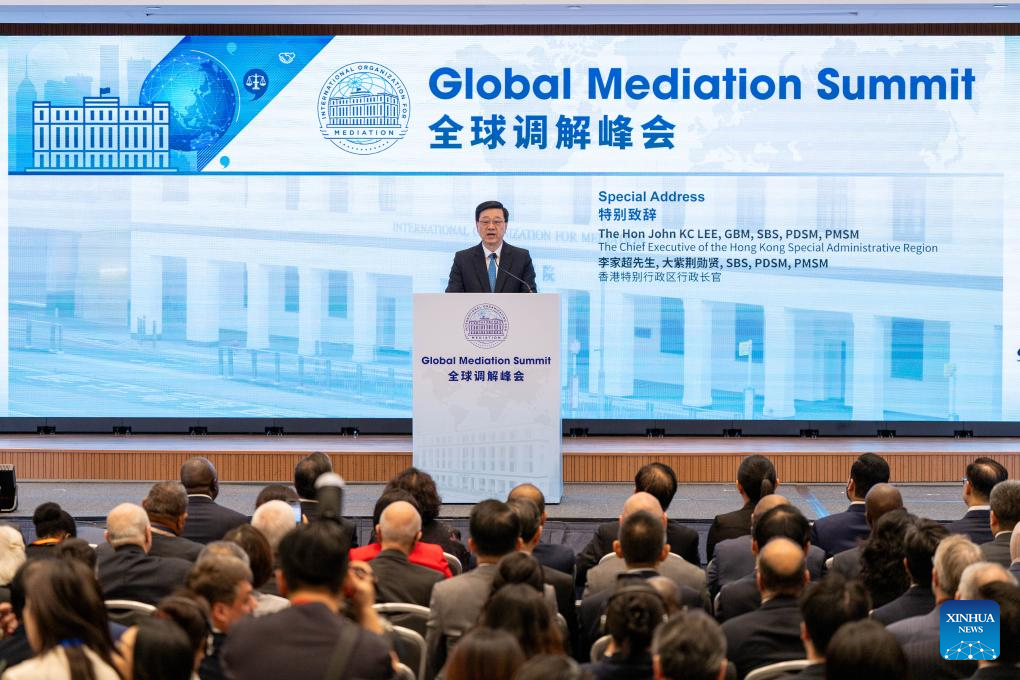
A SYSTEM-DRIVEN initiative to reshape how maritime disputes are resolved has been advanced following an announcement by the International Organization for Mediation (IOMed) at a Global Mediation Summit focused on commercial conflict resolution in cross-border trade.
The development reflects growing pressure on existing arbitration systems to handle increasingly complex disputes tied to global shipping, energy transport, and supply chain disruptions.
What is confirmed is that IOMed used the summit platform to highlight a landmark approach to maritime dispute settlement, positioning mediation as a faster and more flexible alternative to traditional arbitration or litigation.
The initiative is designed to address disagreements arising in international shipping, including contract breaches, cargo delays, insurance claims, and jurisdictional conflicts over maritime incidents.
Maritime trade remains one of the backbone systems of the global economy, with more than four-fifths of international goods transported by sea.
This scale creates a constant flow of contractual relationships between shipowners, charterers, insurers, port operators, and states.
Disputes are frequent, and resolution speed can directly affect supply chain stability and financial exposure across multiple industries.
Traditional mechanisms for resolving such disputes rely heavily on arbitration centers and national courts.
While legally robust, these systems can be slow, expensive, and procedurally complex, particularly when multiple jurisdictions are involved.
The new mediation-focused approach promoted by IOMed seeks to reduce procedural friction by encouraging negotiated settlement under a structured but non-adversarial framework.
The mechanism of mediation differs from arbitration in a fundamental way.
Rather than imposing a binding ruling, mediators facilitate negotiation between parties to reach mutually acceptable agreements.
This can reduce legal costs and preserve commercial relationships, but it also depends heavily on voluntary compliance and institutional credibility.
The timing of the initiative reflects broader systemic strain in global logistics networks.
Shipping routes have faced repeated disruptions in recent years due to geopolitical conflict, security risks in key maritime corridors, and volatility in energy transport routes.
These pressures have increased both the frequency and complexity of disputes, placing additional load on conventional legal frameworks.
For commercial stakeholders, faster dispute resolution is not only a legal issue but an economic one.
Delays in settling claims can immobilize capital, disrupt insurance cycles, and complicate cargo delivery schedules.
In highly leveraged shipping markets, even short delays can translate into significant financial losses.
The IOMed framework aims to integrate mediation more directly into the dispute lifecycle, potentially allowing parties to engage earlier before conflicts escalate into formal arbitration.
This preventive design is intended to reduce backlog in arbitration systems and improve overall efficiency in maritime governance.
However, the effectiveness of such initiatives depends on adoption by key industry players and recognition across jurisdictions.
Without broad participation from ship registries, insurers, and trading companies, mediation frameworks risk remaining optional rather than structural components of dispute resolution.
The announcement at the Global Mediation Summit signals an attempt to reposition mediation as a central pillar of international maritime governance rather than a supplementary tool.
If widely adopted, it could alter how commercial shipping disputes are managed across global trade networks, particularly in high-volume shipping corridors where speed and predictability are critical.
The development reflects growing pressure on existing arbitration systems to handle increasingly complex disputes tied to global shipping, energy transport, and supply chain disruptions.
What is confirmed is that IOMed used the summit platform to highlight a landmark approach to maritime dispute settlement, positioning mediation as a faster and more flexible alternative to traditional arbitration or litigation.
The initiative is designed to address disagreements arising in international shipping, including contract breaches, cargo delays, insurance claims, and jurisdictional conflicts over maritime incidents.
Maritime trade remains one of the backbone systems of the global economy, with more than four-fifths of international goods transported by sea.
This scale creates a constant flow of contractual relationships between shipowners, charterers, insurers, port operators, and states.
Disputes are frequent, and resolution speed can directly affect supply chain stability and financial exposure across multiple industries.
Traditional mechanisms for resolving such disputes rely heavily on arbitration centers and national courts.
While legally robust, these systems can be slow, expensive, and procedurally complex, particularly when multiple jurisdictions are involved.
The new mediation-focused approach promoted by IOMed seeks to reduce procedural friction by encouraging negotiated settlement under a structured but non-adversarial framework.
The mechanism of mediation differs from arbitration in a fundamental way.
Rather than imposing a binding ruling, mediators facilitate negotiation between parties to reach mutually acceptable agreements.
This can reduce legal costs and preserve commercial relationships, but it also depends heavily on voluntary compliance and institutional credibility.
The timing of the initiative reflects broader systemic strain in global logistics networks.
Shipping routes have faced repeated disruptions in recent years due to geopolitical conflict, security risks in key maritime corridors, and volatility in energy transport routes.
These pressures have increased both the frequency and complexity of disputes, placing additional load on conventional legal frameworks.
For commercial stakeholders, faster dispute resolution is not only a legal issue but an economic one.
Delays in settling claims can immobilize capital, disrupt insurance cycles, and complicate cargo delivery schedules.
In highly leveraged shipping markets, even short delays can translate into significant financial losses.
The IOMed framework aims to integrate mediation more directly into the dispute lifecycle, potentially allowing parties to engage earlier before conflicts escalate into formal arbitration.
This preventive design is intended to reduce backlog in arbitration systems and improve overall efficiency in maritime governance.
However, the effectiveness of such initiatives depends on adoption by key industry players and recognition across jurisdictions.
Without broad participation from ship registries, insurers, and trading companies, mediation frameworks risk remaining optional rather than structural components of dispute resolution.
The announcement at the Global Mediation Summit signals an attempt to reposition mediation as a central pillar of international maritime governance rather than a supplementary tool.
If widely adopted, it could alter how commercial shipping disputes are managed across global trade networks, particularly in high-volume shipping corridors where speed and predictability are critical.