Authorities moved to reassure the public after a reported technical issue at a nearby mainland nuclear facility, highlighting ongoing sensitivity around energy safety in the Pearl River Delta
The incident involving a nuclear power facility in Shenzhen is fundamentally EVENT-DRIVEN, centered on a reported technical irregularity that triggered public concern across the nearby Hong Kong region.
The response from authorities has focused on risk assessment, cross-border communication, and public reassurance rather than confirmation of any operational failure with safety consequences.
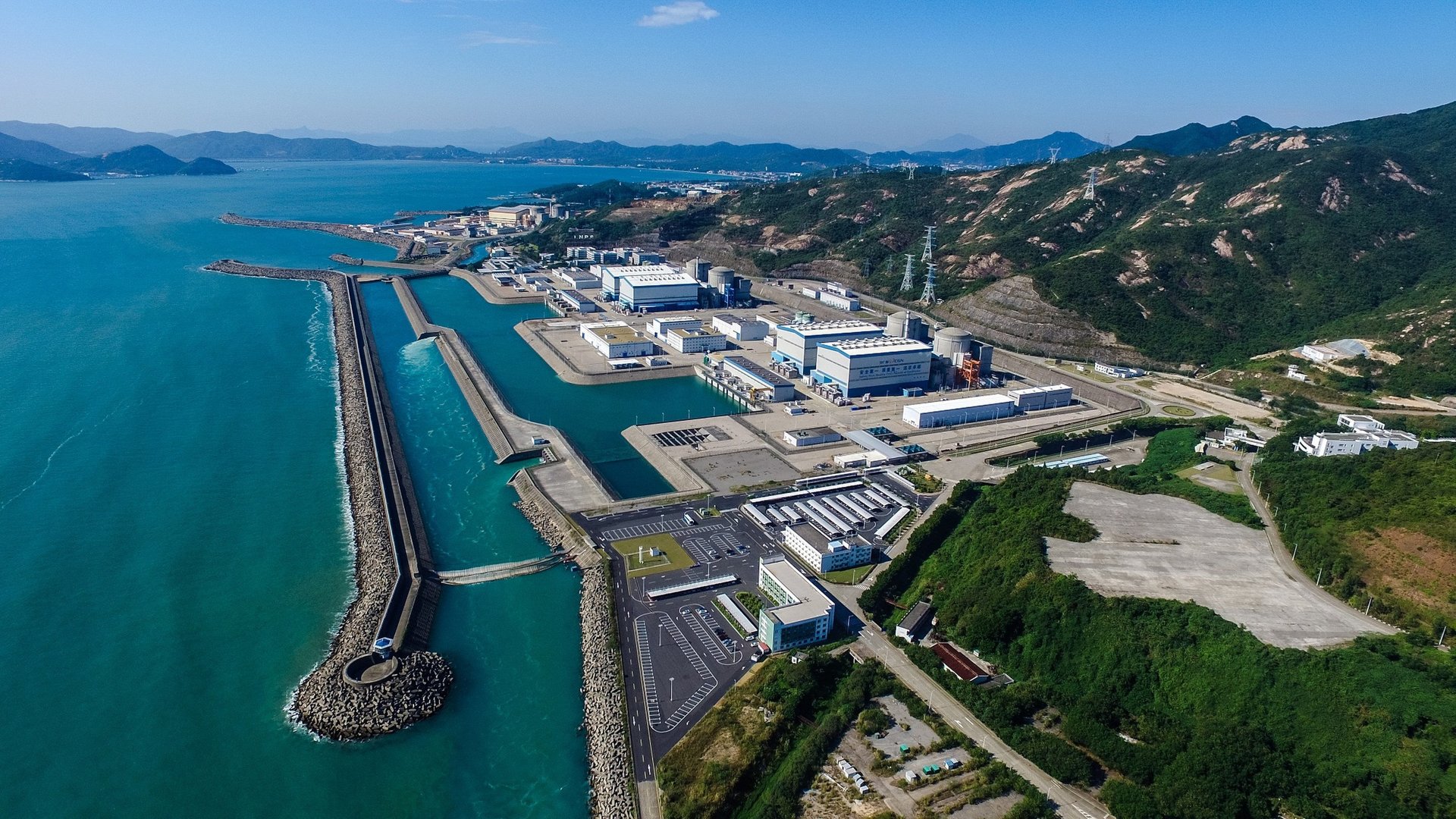
What is confirmed is that Hong Kong authorities stated the reported glitch at a nuclear plant in Shenzhen did not pose any safety risk to the public.
The clarification followed inquiries and public concern about whether the incident had any environmental or radiation-related impact.
Officials emphasized that monitoring systems did not detect abnormal radiation levels affecting Hong Kong and that the situation remained under control.
The plant in question is part of China’s broader network of civilian nuclear energy facilities in the Guangdong region, which supply electricity to support one of the most industrialized and densely populated economic zones in the country.
These facilities operate under strict regulatory frameworks and are monitored through layered safety systems, including cross-border reporting channels relevant to Hong Kong due to geographic proximity.
The immediate concern following such reports typically centers on whether technical issues could escalate into safety hazards or environmental contamination.
In this case, authorities moved quickly to address public concern, stressing that there was no evidence of radiation leakage or system failure that would affect surrounding areas, including Hong Kong.
Hong Kong maintains its own radiation monitoring infrastructure, which continuously tracks environmental radiation levels.
Officials rely on these systems, along with communication from mainland regulatory counterparts, to assess any potential risk from nearby nuclear facilities.
In this instance, monitoring data reportedly remained within normal background levels.
The broader context reflects long-standing public sensitivity in Hong Kong regarding nuclear safety in the region.
The city is located within close range of several mainland energy facilities, making transparency and rapid communication essential components of public trust in incident response.
Past concerns over nuclear safety in the Pearl River Delta have reinforced the importance of coordinated emergency protocols between Hong Kong and mainland authorities.
While the reported glitch did not lead to any confirmed safety impact, the episode underscores how even minor technical issues at large-scale energy infrastructure can generate public concern in densely populated cross-border regions.
It also highlights the reliance on coordinated monitoring systems and official communication channels to manage risk perception as much as physical risk itself.
Authorities have indicated that standard monitoring and reporting procedures remain in place, and no further public safety measures were required following the clarification that there was no hazardous release or operational threat.
The response from authorities has focused on risk assessment, cross-border communication, and public reassurance rather than confirmation of any operational failure with safety consequences.
What is confirmed is that Hong Kong authorities stated the reported glitch at a nuclear plant in Shenzhen did not pose any safety risk to the public.
The clarification followed inquiries and public concern about whether the incident had any environmental or radiation-related impact.
Officials emphasized that monitoring systems did not detect abnormal radiation levels affecting Hong Kong and that the situation remained under control.
The plant in question is part of China’s broader network of civilian nuclear energy facilities in the Guangdong region, which supply electricity to support one of the most industrialized and densely populated economic zones in the country.
These facilities operate under strict regulatory frameworks and are monitored through layered safety systems, including cross-border reporting channels relevant to Hong Kong due to geographic proximity.
The immediate concern following such reports typically centers on whether technical issues could escalate into safety hazards or environmental contamination.
In this case, authorities moved quickly to address public concern, stressing that there was no evidence of radiation leakage or system failure that would affect surrounding areas, including Hong Kong.
Hong Kong maintains its own radiation monitoring infrastructure, which continuously tracks environmental radiation levels.
Officials rely on these systems, along with communication from mainland regulatory counterparts, to assess any potential risk from nearby nuclear facilities.
In this instance, monitoring data reportedly remained within normal background levels.
The broader context reflects long-standing public sensitivity in Hong Kong regarding nuclear safety in the region.
The city is located within close range of several mainland energy facilities, making transparency and rapid communication essential components of public trust in incident response.
Past concerns over nuclear safety in the Pearl River Delta have reinforced the importance of coordinated emergency protocols between Hong Kong and mainland authorities.
While the reported glitch did not lead to any confirmed safety impact, the episode underscores how even minor technical issues at large-scale energy infrastructure can generate public concern in densely populated cross-border regions.
It also highlights the reliance on coordinated monitoring systems and official communication channels to manage risk perception as much as physical risk itself.
Authorities have indicated that standard monitoring and reporting procedures remain in place, and no further public safety measures were required following the clarification that there was no hazardous release or operational threat.