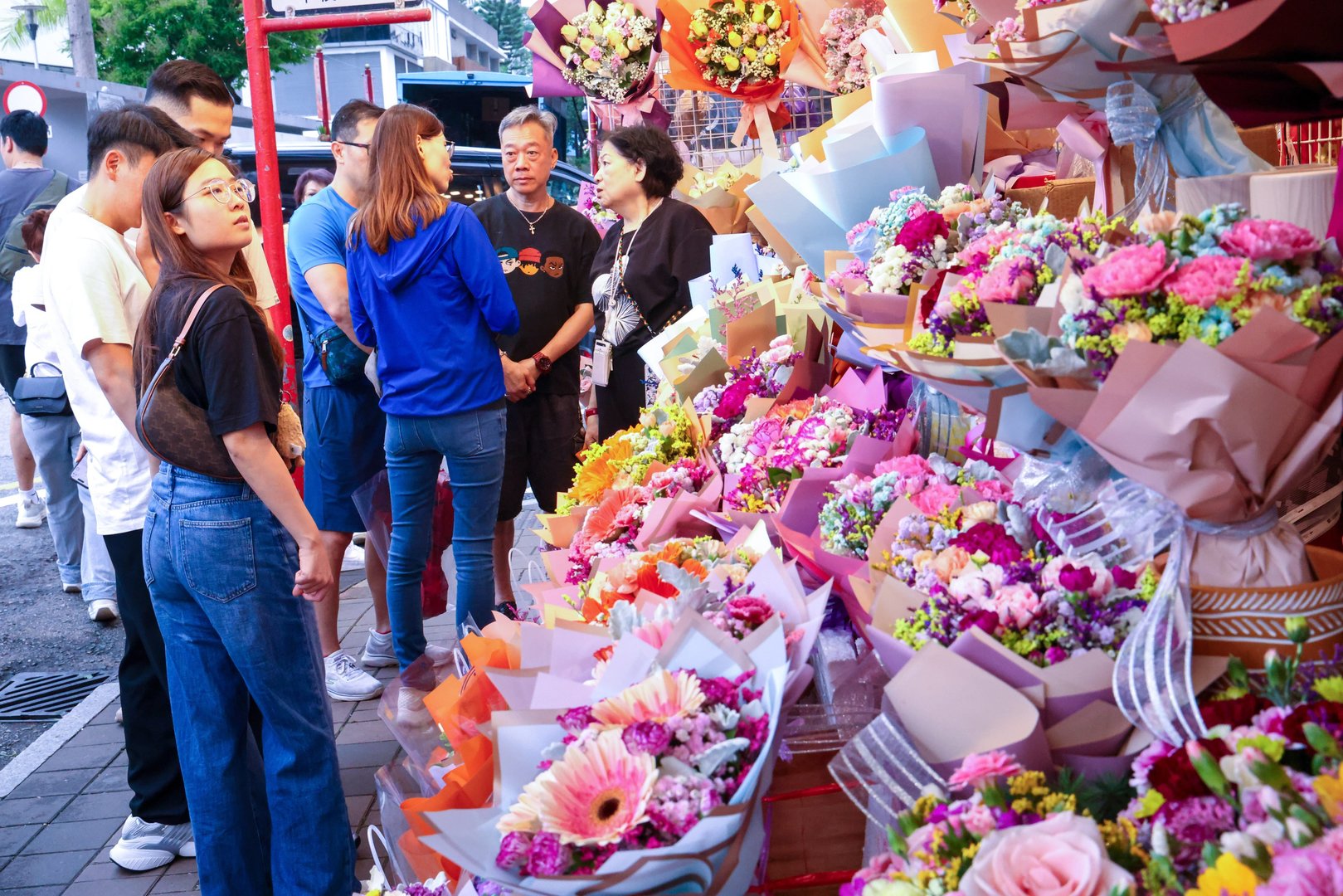
Retailers are lowering flower prices and adjusting supply strategies to attract buyers during one of the city’s most important seasonal gifting periods, reflecting tighter margins and heightened competition.
A seasonal retail pricing shift in Hong Kong’s flower industry is intensifying ahead of Mother’s Day, with florists reducing prices and adjusting inventory strategies to capture demand in a highly competitive gifting market.
What is confirmed is that florists across Hong Kong are offering discounts and promotional pricing on popular Mother’s Day bouquets, a peak sales period for the industry.
The adjustments are aimed at stimulating demand in a market where consumers are increasingly sensitive to discretionary spending, particularly amid broader economic uncertainty and cost-of-living pressures.
Mother’s Day is one of the most commercially significant occasions for Hong Kong’s floral sector, typically driving a sharp increase in sales over a short window.
Retailers rely on this seasonal spike to offset weaker demand during the rest of the year, making pricing strategy during this period particularly important.
This year’s competition appears more pronounced, with vendors lowering prices earlier and more aggressively than in some previous cycles.
Florists are also refining supply chains, adjusting import volumes, and diversifying product offerings to include smaller, lower-cost arrangements alongside premium bouquets.
These shifts reflect attempts to balance volume sales with shrinking per-unit margins.
What is newly emerging is a more fragmented pricing environment, where small independent florists and larger chain operators are competing directly on discounts, customization, and delivery speed.
Online ordering platforms and social media marketing have further intensified competition, making pricing transparency higher and reducing traditional pricing power for individual retailers.
Hong Kong’s reliance on imported flowers adds another layer of complexity.
Most floral stock is sourced from regional suppliers in countries such as the Netherlands, Ecuador, and parts of Southeast Asia, meaning costs are influenced by international logistics, freight prices, and currency fluctuations.
These factors limit how much retailers can reduce prices without affecting profitability.
At the consumer level, demand remains concentrated in symbolic and premium gifting categories, with roses, lilies, and mixed bouquets dominating sales.
However, retailers report increasing demand for smaller, more affordable arrangements, suggesting that buyers are adjusting spending habits rather than exiting the market entirely.
The broader implication for the sector is a tightening margin environment in which seasonal peaks remain essential but increasingly competitive.
Florists are relying on operational efficiency, digital sales channels, and targeted promotions to maintain revenue during high-demand periods.
As Mother’s Day approaches, the final sales outcome will depend on whether price reductions successfully expand demand or simply redistribute market share among an increasingly crowded field of competitors.
What is confirmed is that florists across Hong Kong are offering discounts and promotional pricing on popular Mother’s Day bouquets, a peak sales period for the industry.
The adjustments are aimed at stimulating demand in a market where consumers are increasingly sensitive to discretionary spending, particularly amid broader economic uncertainty and cost-of-living pressures.
Mother’s Day is one of the most commercially significant occasions for Hong Kong’s floral sector, typically driving a sharp increase in sales over a short window.
Retailers rely on this seasonal spike to offset weaker demand during the rest of the year, making pricing strategy during this period particularly important.
This year’s competition appears more pronounced, with vendors lowering prices earlier and more aggressively than in some previous cycles.
Florists are also refining supply chains, adjusting import volumes, and diversifying product offerings to include smaller, lower-cost arrangements alongside premium bouquets.
These shifts reflect attempts to balance volume sales with shrinking per-unit margins.
What is newly emerging is a more fragmented pricing environment, where small independent florists and larger chain operators are competing directly on discounts, customization, and delivery speed.
Online ordering platforms and social media marketing have further intensified competition, making pricing transparency higher and reducing traditional pricing power for individual retailers.
Hong Kong’s reliance on imported flowers adds another layer of complexity.
Most floral stock is sourced from regional suppliers in countries such as the Netherlands, Ecuador, and parts of Southeast Asia, meaning costs are influenced by international logistics, freight prices, and currency fluctuations.
These factors limit how much retailers can reduce prices without affecting profitability.
At the consumer level, demand remains concentrated in symbolic and premium gifting categories, with roses, lilies, and mixed bouquets dominating sales.
However, retailers report increasing demand for smaller, more affordable arrangements, suggesting that buyers are adjusting spending habits rather than exiting the market entirely.
The broader implication for the sector is a tightening margin environment in which seasonal peaks remain essential but increasingly competitive.
Florists are relying on operational efficiency, digital sales channels, and targeted promotions to maintain revenue during high-demand periods.
As Mother’s Day approaches, the final sales outcome will depend on whether price reductions successfully expand demand or simply redistribute market share among an increasingly crowded field of competitors.