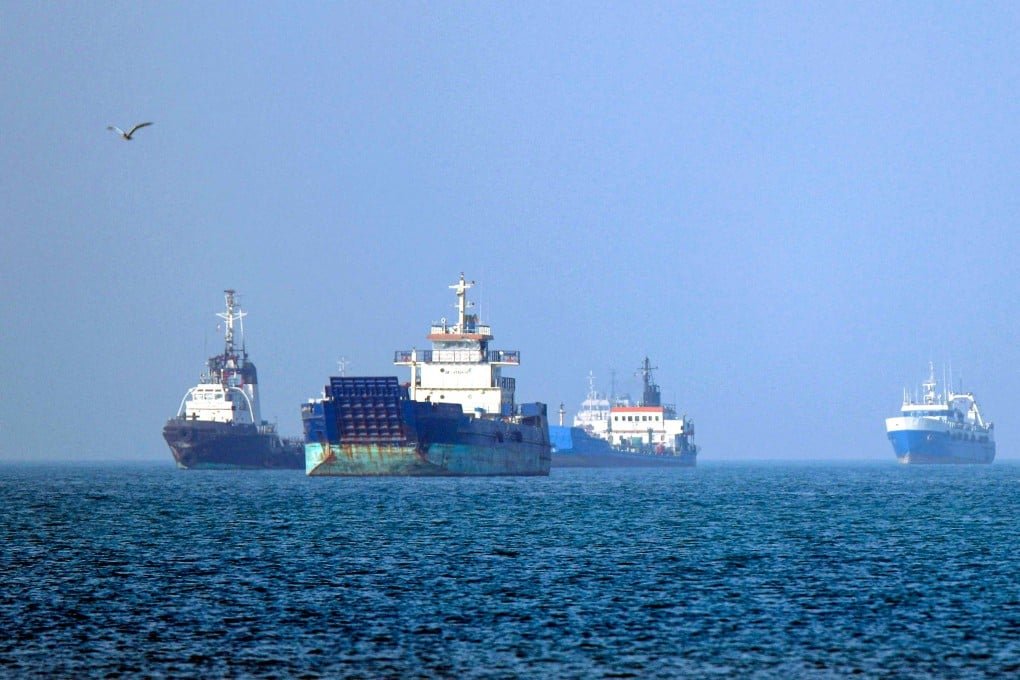
Reports of vessels delayed or held near a critical oil chokepoint highlight escalating maritime risk as regional tensions disrupt global trade routes
An event-driven maritime disruption involving commercial shipping in one of the world’s most strategically sensitive waterways has intensified concerns over global energy security and trade stability after reports that around one hundred Hong Kong-linked vessels have been delayed or unable to proceed through the Strait of Hormuz.
What is confirmed is that commercial shipping traffic in and around the Strait of Hormuz has experienced significant disruption amid ongoing military and political tensions in the wider Middle East.
The strait, a narrow maritime corridor between Iran and Oman, is one of the most important chokepoints for global oil transport, carrying a substantial share of seaborne crude exports.
The key issue is not only the reported concentration of affected vessels but the vulnerability of global supply chains that rely on predictable passage through the region.
Even temporary delays in this corridor can ripple through energy markets, insurance pricing, and shipping schedules, particularly for tankers operating under flags or ownership structures linked to jurisdictions such as Hong Kong, which plays a major role in global maritime registration and trade finance.
The reported “stranding” refers in maritime operational terms to vessels being held at anchorage, rerouted, or delayed due to security advisories, naval activity, or risk assessments issued by shipping operators and insurers.
In high-risk environments, commercial operators often voluntarily pause transits rather than enter zones where escalation or interception is possible.
The Strait of Hormuz has long been a focal point of geopolitical tension because it serves as the primary export route for several major oil producers.
Any perception of instability in the area can trigger immediate market reactions, including fluctuations in oil prices and changes in freight insurance premiums.
Shipping firms typically adjust routing decisions dynamically in response to threat assessments from naval forces, intelligence warnings, or insurance underwriters.
Hong Kong’s role in the global shipping ecosystem adds another layer of complexity.
While many vessels registered or managed through Hong Kong operate under international ownership structures, they are often integrated into global logistics networks that depend on uninterrupted passage through Middle Eastern maritime corridors.
Disruption therefore affects not only regional carriers but also multinational supply chains tied to energy and industrial goods.
The broader context is an ongoing escalation in regional conflict dynamics that has increased risk perception for commercial vessels operating near conflict-adjacent waters.
In previous episodes of heightened tension, shipping companies have diverted traffic through longer routes around the Cape of Good Hope, absorbing higher fuel costs and longer transit times to avoid exposure in the Gulf region.
The immediate consequence of the reported disruption is operational uncertainty for shipping operators, insurers, and commodity traders, as vessel scheduling becomes less predictable and risk premiums adjust upward.
The wider implication is renewed exposure of global trade to geopolitical flashpoints concentrated in narrow maritime corridors that cannot be easily bypassed without significant economic cost.
What is confirmed is that commercial shipping traffic in and around the Strait of Hormuz has experienced significant disruption amid ongoing military and political tensions in the wider Middle East.
The strait, a narrow maritime corridor between Iran and Oman, is one of the most important chokepoints for global oil transport, carrying a substantial share of seaborne crude exports.
The key issue is not only the reported concentration of affected vessels but the vulnerability of global supply chains that rely on predictable passage through the region.
Even temporary delays in this corridor can ripple through energy markets, insurance pricing, and shipping schedules, particularly for tankers operating under flags or ownership structures linked to jurisdictions such as Hong Kong, which plays a major role in global maritime registration and trade finance.
The reported “stranding” refers in maritime operational terms to vessels being held at anchorage, rerouted, or delayed due to security advisories, naval activity, or risk assessments issued by shipping operators and insurers.
In high-risk environments, commercial operators often voluntarily pause transits rather than enter zones where escalation or interception is possible.
The Strait of Hormuz has long been a focal point of geopolitical tension because it serves as the primary export route for several major oil producers.
Any perception of instability in the area can trigger immediate market reactions, including fluctuations in oil prices and changes in freight insurance premiums.
Shipping firms typically adjust routing decisions dynamically in response to threat assessments from naval forces, intelligence warnings, or insurance underwriters.
Hong Kong’s role in the global shipping ecosystem adds another layer of complexity.
While many vessels registered or managed through Hong Kong operate under international ownership structures, they are often integrated into global logistics networks that depend on uninterrupted passage through Middle Eastern maritime corridors.
Disruption therefore affects not only regional carriers but also multinational supply chains tied to energy and industrial goods.
The broader context is an ongoing escalation in regional conflict dynamics that has increased risk perception for commercial vessels operating near conflict-adjacent waters.
In previous episodes of heightened tension, shipping companies have diverted traffic through longer routes around the Cape of Good Hope, absorbing higher fuel costs and longer transit times to avoid exposure in the Gulf region.
The immediate consequence of the reported disruption is operational uncertainty for shipping operators, insurers, and commodity traders, as vessel scheduling becomes less predictable and risk premiums adjust upward.
The wider implication is renewed exposure of global trade to geopolitical flashpoints concentrated in narrow maritime corridors that cannot be easily bypassed without significant economic cost.