A generational transfer of private assets is accelerating across China and Asia, reshaping banking, family businesses, investment strategy, and the country’s next economic elite.
China’s banking and wealth-management industry is preparing for one of the largest intergenerational asset transfers in modern financial history as the children of the country’s first generation of post-reform entrepreneurs begin inheriting control of family fortunes earlier and in larger volumes than previous generations.
The story is fundamentally system-driven.
The core issue is not a single inheritance dispute or celebrity fortune, but the emergence of a new financial architecture around succession planning, family offices, trusts, tax structuring, and cross-border wealth preservation.
Chinese private wealth accumulated rapidly after the economic reforms of the nineteen eighties and nineties.
The founders who built property empires, manufacturing conglomerates, technology firms, logistics networks, and export businesses are now aging simultaneously.
Financial institutions estimate that more than eleven trillion dollars in wealth could change hands across China over the coming decades as ownership moves from founders to children and grandchildren.
The transfer is occurring alongside slower economic growth, a weaker property sector, tighter regulation, geopolitical tension, and rising scrutiny of outbound capital flows.
That combination has transformed succession planning from a private family matter into a strategic issue for banks, regulators, and corporate boards.
What is confirmed is that Chinese and broader Asia-Pacific heirs are increasingly relying on professional wealth advisers rather than informal family arrangements.
Major global banks report that younger inheritors in Asia are significantly more likely than their Western counterparts to seek structured guidance from private banks, lawyers, and family-office specialists.
The shift reflects both the scale and complexity of modern Chinese wealth.
The next generation is also inheriting younger.
Many wealthy Chinese founders built businesses in their thirties and forties during the country’s industrial expansion.
Their children, often educated overseas and already integrated into corporate management, are now assuming leadership roles in their thirties and early forties rather than waiting until late middle age.
That earlier transfer is changing investment behavior across sectors including technology, artificial intelligence, biotechnology, green energy, and overseas assets.
The mechanics of the transition are complex.
Much of China’s private wealth is tied to privately held businesses, commercial real estate, manufacturing operations, and politically sensitive sectors rather than liquid stock portfolios.
Succession therefore involves more than distributing money.
Families must decide who controls voting rights, board seats, operating authority, overseas subsidiaries, and debt obligations.
Chinese business succession has historically faced structural weaknesses.
Many founders delayed estate planning because public discussion of inheritance was culturally uncomfortable and politically sensitive during earlier decades of rapid growth.
Some entrepreneurs built businesses around highly centralized personal authority rather than formal governance systems.
As a result, succession can expose internal family rivalries, weak corporate oversight, and uncertain ownership structures.
Banks and wealth-management firms are moving aggressively to profit from the transition.
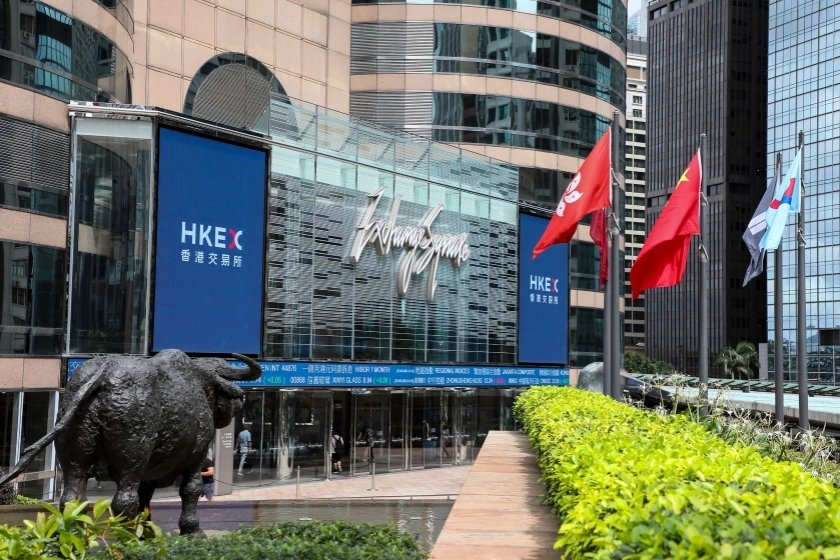
Hong Kong and Singapore are competing to become regional hubs for family offices, trust structures, and succession services aimed at wealthy mainland Chinese families.
Financial firms are expanding private-banking teams focused specifically on inheritance planning, tax optimization, philanthropy, and governance consulting.
Hong Kong has become particularly important because it offers international capital access, a convertible currency, sophisticated legal infrastructure, and proximity to mainland wealth creators.
Wealth planners report rising demand from Chinese families seeking to diversify assets geographically while maintaining operational ties to mainland businesses.
Family offices are increasingly using Hong Kong structures to manage overseas investments, education planning, and inheritance arrangements.
The transfer also carries political and economic implications for Beijing.
China’s leadership has emphasized “common prosperity” and tighter regulation of excessive corporate influence while simultaneously trying to stabilize private-sector confidence.
A massive transfer of inherited wealth raises sensitive questions about inequality, dynastic privilege, and long-term concentration of capital.
At the same time, authorities want successful private firms to survive beyond their founders.
Failed succession could destabilize major employers, local tax bases, and supply chains.
For policymakers, orderly inheritance is increasingly tied to economic continuity.
The younger generation of heirs differs sharply from the founders.
Many studied abroad, speak multiple languages, and are more comfortable with global investing and technology-driven sectors.
Some are less interested in traditional industries such as construction, heavy manufacturing, or low-margin exports.
Others are pushing family firms toward automation, digitalization, renewable energy, consumer brands, and international expansion.
That generational gap can produce conflict.
Founders who built fortunes through aggressive expansion and personal risk-taking often prioritize control and capital preservation.
Younger successors may favor institutional management, diversified portfolios, environmental investments, or reduced dependence on politically exposed industries.
In some cases, heirs do not want operational control at all and instead prefer passive ownership with professional management.
The wealth transfer is also reshaping China’s financial-services industry itself.
Banks are designing products specifically for multi-generational clients, including family trusts, inheritance insurance, governance advisory services, and philanthropy planning.
Regulators have gradually expanded frameworks for trusts and family-office structures as demand grows among high-net-worth households.
Public attention around inheritance has intensified following several high-profile deaths and rumored succession arrangements involving major Chinese billionaires and business families.
Some inheritance claims circulating online remain unverified, but the broader trend is clear: succession planning has moved from a niche legal topic into mainstream economic discussion.
The stakes extend beyond wealthy families.
China’s private sector accounts for large portions of employment, innovation, and consumer activity.
If succession is chaotic, major companies could fragment or lose competitiveness.
If transitions are orderly, younger leadership could accelerate modernization in sectors where older founders resisted change.
The broader global context matters as well.
Analysts describe the current period as part of the largest wealth transfer in modern history, with tens of trillions of dollars expected to move between generations worldwide over the next two decades.
China’s share is especially significant because much of the country’s private wealth was created within a single generation after market reforms.
The result is a historic transition from first-generation entrepreneurs to inheritors who grew up inside an already wealthy China.
That shift is redefining who controls capital, how Asian wealth is managed, where assets are held, and how political and economic influence will be exercised in the next era of Chinese capitalism.
The story is fundamentally system-driven.
The core issue is not a single inheritance dispute or celebrity fortune, but the emergence of a new financial architecture around succession planning, family offices, trusts, tax structuring, and cross-border wealth preservation.
Chinese private wealth accumulated rapidly after the economic reforms of the nineteen eighties and nineties.
The founders who built property empires, manufacturing conglomerates, technology firms, logistics networks, and export businesses are now aging simultaneously.
Financial institutions estimate that more than eleven trillion dollars in wealth could change hands across China over the coming decades as ownership moves from founders to children and grandchildren.
The transfer is occurring alongside slower economic growth, a weaker property sector, tighter regulation, geopolitical tension, and rising scrutiny of outbound capital flows.
That combination has transformed succession planning from a private family matter into a strategic issue for banks, regulators, and corporate boards.
What is confirmed is that Chinese and broader Asia-Pacific heirs are increasingly relying on professional wealth advisers rather than informal family arrangements.
Major global banks report that younger inheritors in Asia are significantly more likely than their Western counterparts to seek structured guidance from private banks, lawyers, and family-office specialists.
The shift reflects both the scale and complexity of modern Chinese wealth.
The next generation is also inheriting younger.
Many wealthy Chinese founders built businesses in their thirties and forties during the country’s industrial expansion.
Their children, often educated overseas and already integrated into corporate management, are now assuming leadership roles in their thirties and early forties rather than waiting until late middle age.
That earlier transfer is changing investment behavior across sectors including technology, artificial intelligence, biotechnology, green energy, and overseas assets.
The mechanics of the transition are complex.
Much of China’s private wealth is tied to privately held businesses, commercial real estate, manufacturing operations, and politically sensitive sectors rather than liquid stock portfolios.
Succession therefore involves more than distributing money.
Families must decide who controls voting rights, board seats, operating authority, overseas subsidiaries, and debt obligations.
Chinese business succession has historically faced structural weaknesses.
Many founders delayed estate planning because public discussion of inheritance was culturally uncomfortable and politically sensitive during earlier decades of rapid growth.
Some entrepreneurs built businesses around highly centralized personal authority rather than formal governance systems.
As a result, succession can expose internal family rivalries, weak corporate oversight, and uncertain ownership structures.
Banks and wealth-management firms are moving aggressively to profit from the transition.
Hong Kong and Singapore are competing to become regional hubs for family offices, trust structures, and succession services aimed at wealthy mainland Chinese families.
Financial firms are expanding private-banking teams focused specifically on inheritance planning, tax optimization, philanthropy, and governance consulting.
Hong Kong has become particularly important because it offers international capital access, a convertible currency, sophisticated legal infrastructure, and proximity to mainland wealth creators.
Wealth planners report rising demand from Chinese families seeking to diversify assets geographically while maintaining operational ties to mainland businesses.
Family offices are increasingly using Hong Kong structures to manage overseas investments, education planning, and inheritance arrangements.
The transfer also carries political and economic implications for Beijing.
China’s leadership has emphasized “common prosperity” and tighter regulation of excessive corporate influence while simultaneously trying to stabilize private-sector confidence.
A massive transfer of inherited wealth raises sensitive questions about inequality, dynastic privilege, and long-term concentration of capital.
At the same time, authorities want successful private firms to survive beyond their founders.
Failed succession could destabilize major employers, local tax bases, and supply chains.
For policymakers, orderly inheritance is increasingly tied to economic continuity.
The younger generation of heirs differs sharply from the founders.
Many studied abroad, speak multiple languages, and are more comfortable with global investing and technology-driven sectors.
Some are less interested in traditional industries such as construction, heavy manufacturing, or low-margin exports.
Others are pushing family firms toward automation, digitalization, renewable energy, consumer brands, and international expansion.
That generational gap can produce conflict.
Founders who built fortunes through aggressive expansion and personal risk-taking often prioritize control and capital preservation.
Younger successors may favor institutional management, diversified portfolios, environmental investments, or reduced dependence on politically exposed industries.
In some cases, heirs do not want operational control at all and instead prefer passive ownership with professional management.
The wealth transfer is also reshaping China’s financial-services industry itself.
Banks are designing products specifically for multi-generational clients, including family trusts, inheritance insurance, governance advisory services, and philanthropy planning.
Regulators have gradually expanded frameworks for trusts and family-office structures as demand grows among high-net-worth households.
Public attention around inheritance has intensified following several high-profile deaths and rumored succession arrangements involving major Chinese billionaires and business families.
Some inheritance claims circulating online remain unverified, but the broader trend is clear: succession planning has moved from a niche legal topic into mainstream economic discussion.
The stakes extend beyond wealthy families.
China’s private sector accounts for large portions of employment, innovation, and consumer activity.
If succession is chaotic, major companies could fragment or lose competitiveness.
If transitions are orderly, younger leadership could accelerate modernization in sectors where older founders resisted change.
The broader global context matters as well.
Analysts describe the current period as part of the largest wealth transfer in modern history, with tens of trillions of dollars expected to move between generations worldwide over the next two decades.
China’s share is especially significant because much of the country’s private wealth was created within a single generation after market reforms.
The result is a historic transition from first-generation entrepreneurs to inheritors who grew up inside an already wealthy China.
That shift is redefining who controls capital, how Asian wealth is managed, where assets are held, and how political and economic influence will be exercised in the next era of Chinese capitalism.