As global regulators race to define digital currency rules, Hong Kong is attempting to build a tightly controlled stablecoin regime that balances financial stability with competitiveness in digital finance
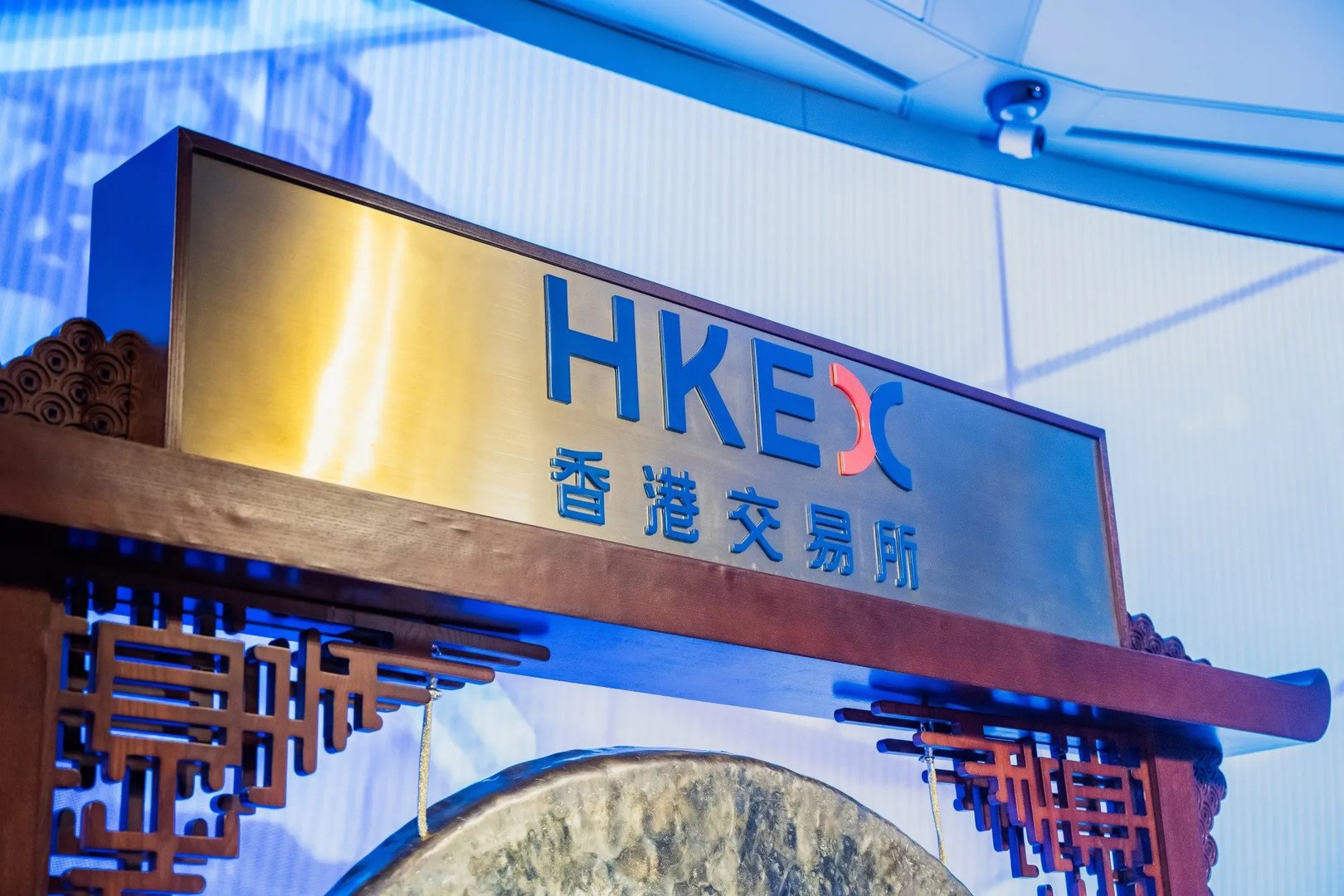
The development of Hong Kong’s stablecoin regulatory framework represents a system-level effort to position the city as a regulated hub for digital assets while avoiding two competing risks: financial instability from poorly controlled issuance and strategic irrelevance if adoption shifts to more permissive jurisdictions.
Stablecoins are digital tokens typically pegged to fiat currencies such as the US dollar, designed to maintain a stable value and facilitate trading, payments, and cross-border transfers within crypto and financial markets.
The core policy challenge facing Hong Kong is structural.
Stablecoins sit at the intersection of traditional monetary systems and decentralized digital finance, meaning they can function both as payment instruments and as quasi-bank liabilities depending on how they are backed and redeemed.
Without strict oversight, they can introduce liquidity risks similar to unregulated deposit systems.
But if regulation becomes too restrictive, issuers and trading activity may migrate to jurisdictions with looser frameworks, reducing Hong Kong’s relevance in a rapidly evolving global crypto economy.
What is confirmed is that Hong Kong has been building a formal licensing regime for stablecoin issuers, requiring full backing reserves, transparency requirements, and regulatory approval before issuance.
The intent is to ensure that any stablecoin operating in or from Hong Kong maintains parity with underlying assets and can be redeemed reliably under stress conditions.
The approach reflects the city’s broader strategy of integrating digital asset markets into its financial system under a regulated perimeter rather than allowing open-ended experimentation.
The policy tension arises because global stablecoin markets are already highly concentrated in a small number of dominant dollar-linked tokens issued outside Hong Kong.
These existing systems benefit from network effects: liquidity, exchange integration, and user trust accumulate around established issuers.
Any new regulated framework must therefore compete not only on legal clarity but also on usability and scale.
The first risk Hong Kong is attempting to avoid is systemic disorder.
Unregulated or poorly backed stablecoins have previously contributed to market instability when issuers failed to maintain sufficient reserves or when confidence in redemption mechanisms collapsed.
Such events can trigger rapid withdrawals, price deviations from pegs, and spillover effects into broader crypto markets.
Regulators in Hong Kong are explicitly trying to prevent these dynamics from taking root in a jurisdiction tightly linked to global capital flows.
The second risk is strategic marginalization.
If regulatory requirements become too strict relative to competing hubs, issuers may choose to launch tokens elsewhere, limiting Hong Kong’s influence over the infrastructure of digital payments and blockchain-based settlement systems.
This concern is particularly relevant as multiple financial centers, including those in Europe, the Middle East, and the United States, develop their own stablecoin frameworks with varying degrees of openness and institutional integration.
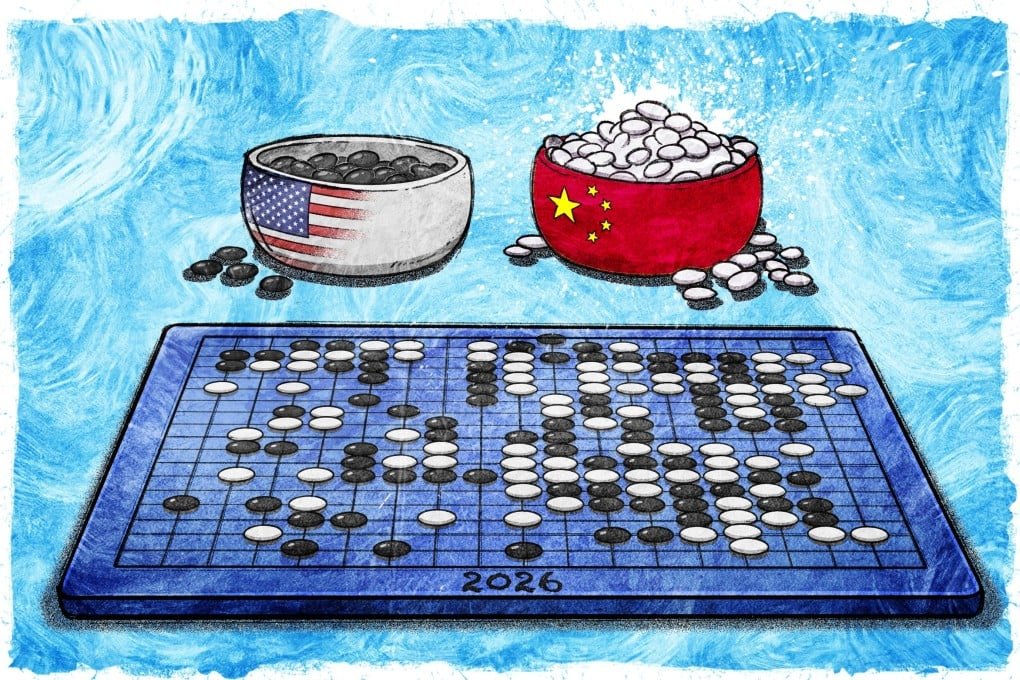
The broader implication is that stablecoin regulation is no longer a niche financial issue but part of a larger contest over the architecture of digital money.
Jurisdictions that successfully balance credibility, liquidity, and innovation are likely to shape how cross-border value transfer systems evolve over the next decade.
Hong Kong’s approach reflects a deliberate attempt to position itself within that contest as a tightly regulated but functional bridge between traditional finance and digital asset markets, with the outcome dependent on whether global issuers and investors view compliance as a cost or a competitive advantage.
Stablecoins are digital tokens typically pegged to fiat currencies such as the US dollar, designed to maintain a stable value and facilitate trading, payments, and cross-border transfers within crypto and financial markets.
The core policy challenge facing Hong Kong is structural.
Stablecoins sit at the intersection of traditional monetary systems and decentralized digital finance, meaning they can function both as payment instruments and as quasi-bank liabilities depending on how they are backed and redeemed.
Without strict oversight, they can introduce liquidity risks similar to unregulated deposit systems.
But if regulation becomes too restrictive, issuers and trading activity may migrate to jurisdictions with looser frameworks, reducing Hong Kong’s relevance in a rapidly evolving global crypto economy.
What is confirmed is that Hong Kong has been building a formal licensing regime for stablecoin issuers, requiring full backing reserves, transparency requirements, and regulatory approval before issuance.
The intent is to ensure that any stablecoin operating in or from Hong Kong maintains parity with underlying assets and can be redeemed reliably under stress conditions.
The approach reflects the city’s broader strategy of integrating digital asset markets into its financial system under a regulated perimeter rather than allowing open-ended experimentation.
The policy tension arises because global stablecoin markets are already highly concentrated in a small number of dominant dollar-linked tokens issued outside Hong Kong.
These existing systems benefit from network effects: liquidity, exchange integration, and user trust accumulate around established issuers.
Any new regulated framework must therefore compete not only on legal clarity but also on usability and scale.
The first risk Hong Kong is attempting to avoid is systemic disorder.
Unregulated or poorly backed stablecoins have previously contributed to market instability when issuers failed to maintain sufficient reserves or when confidence in redemption mechanisms collapsed.
Such events can trigger rapid withdrawals, price deviations from pegs, and spillover effects into broader crypto markets.
Regulators in Hong Kong are explicitly trying to prevent these dynamics from taking root in a jurisdiction tightly linked to global capital flows.
The second risk is strategic marginalization.
If regulatory requirements become too strict relative to competing hubs, issuers may choose to launch tokens elsewhere, limiting Hong Kong’s influence over the infrastructure of digital payments and blockchain-based settlement systems.
This concern is particularly relevant as multiple financial centers, including those in Europe, the Middle East, and the United States, develop their own stablecoin frameworks with varying degrees of openness and institutional integration.
The broader implication is that stablecoin regulation is no longer a niche financial issue but part of a larger contest over the architecture of digital money.
Jurisdictions that successfully balance credibility, liquidity, and innovation are likely to shape how cross-border value transfer systems evolve over the next decade.
Hong Kong’s approach reflects a deliberate attempt to position itself within that contest as a tightly regulated but functional bridge between traditional finance and digital asset markets, with the outcome dependent on whether global issuers and investors view compliance as a cost or a competitive advantage.