The Web3 platform is targeting cross-border payment efficiency and settlement connectivity as Hong Kong pushes deeper into regulated digital asset infrastructure
SYSTEM-DRIVEN financial infrastructure development in Hong Kong’s digital asset sector is accelerating as DACC, a blockchain payments platform, secures ten million US dollars in new funding aimed at expanding cross-border settlement capabilities and strengthening institutional-grade payment rails.
What is confirmed is that DACC has completed a ten million dollar fundraising round intended to support the development of its blockchain-based payment and settlement systems.
The company positions its platform as a bridge between traditional financial infrastructure and decentralized blockchain networks, focusing on improving the speed, cost efficiency, and interoperability of cross-border transactions.
The core mechanism DACC is building targets a persistent inefficiency in global finance: cross-border payments still rely heavily on correspondent banking networks, which introduce delays, multiple intermediaries, and high settlement costs.
Blockchain-based systems aim to reduce these frictions by enabling near-real-time settlement across distributed ledgers, potentially lowering operational costs for institutions and payment providers.
Hong Kong’s regulatory environment is a key enabling factor in this development.
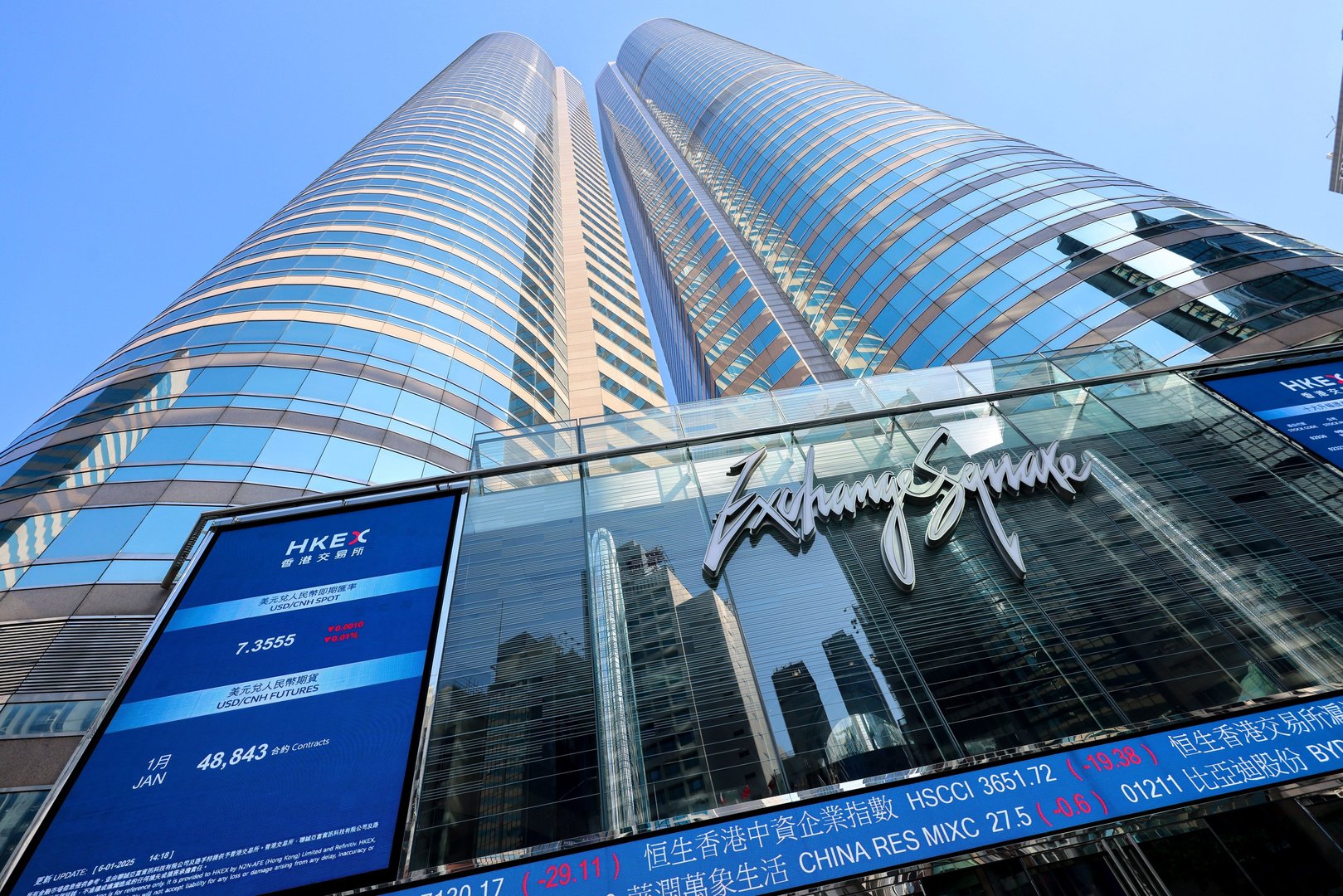
The city has been actively positioning itself as a regulated hub for digital assets, introducing licensing frameworks for virtual asset trading platforms and encouraging institutional participation in blockchain-related financial services.
This policy direction has created a structured environment in which blockchain payment startups can raise capital and test infrastructure under supervisory oversight.
DACC’s fundraising reflects broader investor interest in real-world financial applications of blockchain technology, moving beyond speculative cryptocurrency trading toward infrastructure use cases such as settlement, remittances, and enterprise payment routing.
This shift is significant because it aligns blockchain development more closely with regulated financial markets rather than purely decentralized consumer applications.
What is confirmed is that the company has not disclosed full technical deployment timelines or specific institutional partners tied to the newly raised capital.
The practical effectiveness of the platform will depend on integration with banks, payment processors, and regulatory-compliant stable settlement mechanisms, all of which require coordination across multiple jurisdictions and financial authorities.
Cross-border payments remain one of the most cost-intensive segments of global finance, particularly for small and medium-sized enterprises and remittance corridors between Asia, Europe, and North America.
If blockchain-based systems can achieve regulatory acceptance and operational scale, they could materially reduce transaction costs and settlement times, although adoption depends on interoperability with existing banking infrastructure rather than replacement of it.
The funding also highlights increasing competition among blockchain infrastructure providers in Asia, where Singapore, Hong Kong, and parts of the Middle East are competing to attract digital asset companies with clear regulatory frameworks.
Hong Kong’s approach has emphasized controlled openness, allowing innovation within defined compliance boundaries rather than unrestricted crypto market expansion.
The immediate implication of the raise is that DACC now has additional capital to expand engineering capacity and pursue institutional partnerships, but the broader outcome will depend on whether blockchain payment systems can move from pilot-scale deployments to high-volume financial rails used in mainstream global commerce.
What is confirmed is that DACC has completed a ten million dollar fundraising round intended to support the development of its blockchain-based payment and settlement systems.
The company positions its platform as a bridge between traditional financial infrastructure and decentralized blockchain networks, focusing on improving the speed, cost efficiency, and interoperability of cross-border transactions.
The core mechanism DACC is building targets a persistent inefficiency in global finance: cross-border payments still rely heavily on correspondent banking networks, which introduce delays, multiple intermediaries, and high settlement costs.
Blockchain-based systems aim to reduce these frictions by enabling near-real-time settlement across distributed ledgers, potentially lowering operational costs for institutions and payment providers.
Hong Kong’s regulatory environment is a key enabling factor in this development.
The city has been actively positioning itself as a regulated hub for digital assets, introducing licensing frameworks for virtual asset trading platforms and encouraging institutional participation in blockchain-related financial services.
This policy direction has created a structured environment in which blockchain payment startups can raise capital and test infrastructure under supervisory oversight.
DACC’s fundraising reflects broader investor interest in real-world financial applications of blockchain technology, moving beyond speculative cryptocurrency trading toward infrastructure use cases such as settlement, remittances, and enterprise payment routing.
This shift is significant because it aligns blockchain development more closely with regulated financial markets rather than purely decentralized consumer applications.
What is confirmed is that the company has not disclosed full technical deployment timelines or specific institutional partners tied to the newly raised capital.
The practical effectiveness of the platform will depend on integration with banks, payment processors, and regulatory-compliant stable settlement mechanisms, all of which require coordination across multiple jurisdictions and financial authorities.
Cross-border payments remain one of the most cost-intensive segments of global finance, particularly for small and medium-sized enterprises and remittance corridors between Asia, Europe, and North America.
If blockchain-based systems can achieve regulatory acceptance and operational scale, they could materially reduce transaction costs and settlement times, although adoption depends on interoperability with existing banking infrastructure rather than replacement of it.
The funding also highlights increasing competition among blockchain infrastructure providers in Asia, where Singapore, Hong Kong, and parts of the Middle East are competing to attract digital asset companies with clear regulatory frameworks.
Hong Kong’s approach has emphasized controlled openness, allowing innovation within defined compliance boundaries rather than unrestricted crypto market expansion.
The immediate implication of the raise is that DACC now has additional capital to expand engineering capacity and pursue institutional partnerships, but the broader outcome will depend on whether blockchain payment systems can move from pilot-scale deployments to high-volume financial rails used in mainstream global commerce.