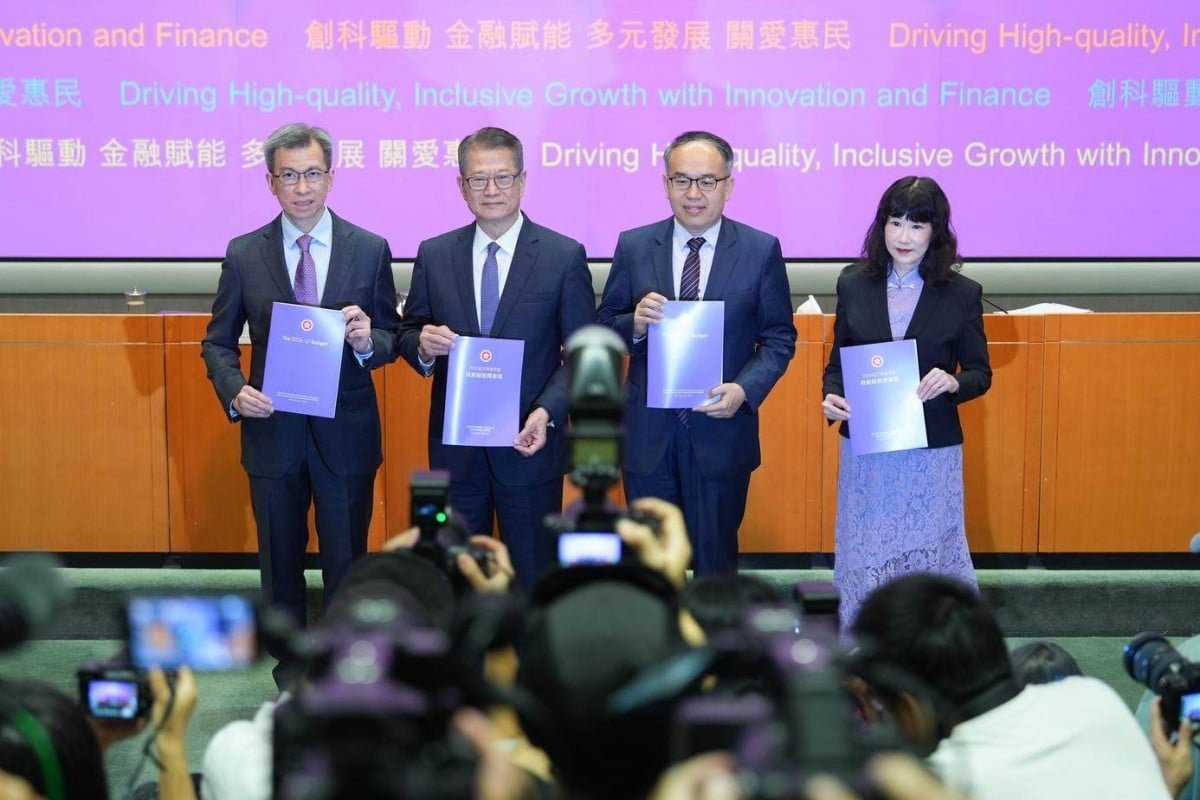
Financial Secretary unveils strategic spending to accelerate innovation, technology and urban expansion as engines of economic transformation
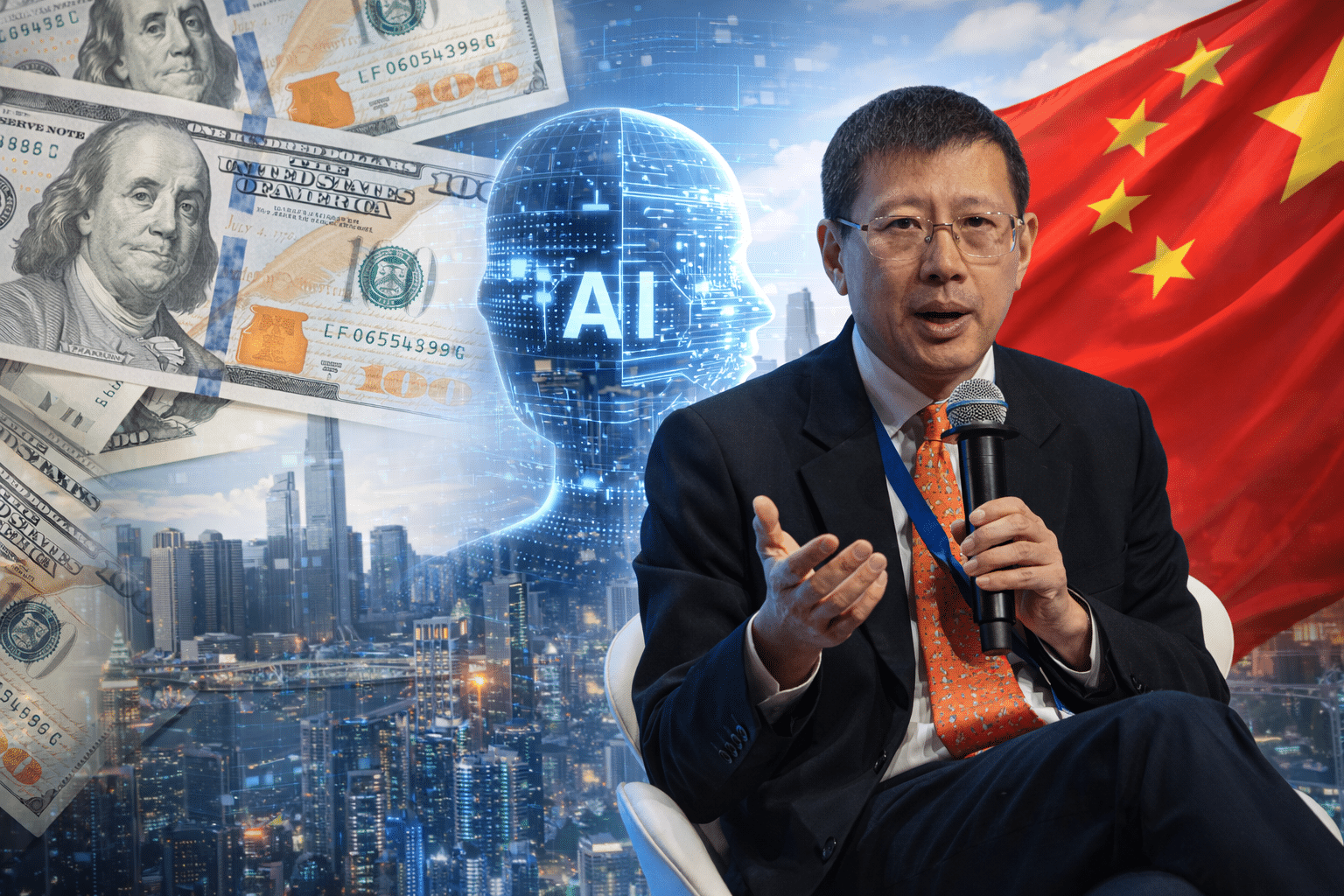
Hong Kong’s government has unveiled a budget that places substantial emphasis on artificial intelligence, semiconductor advancement and the long-term development of the Northern Metropolis in a bid to reshape the city’s economic future.
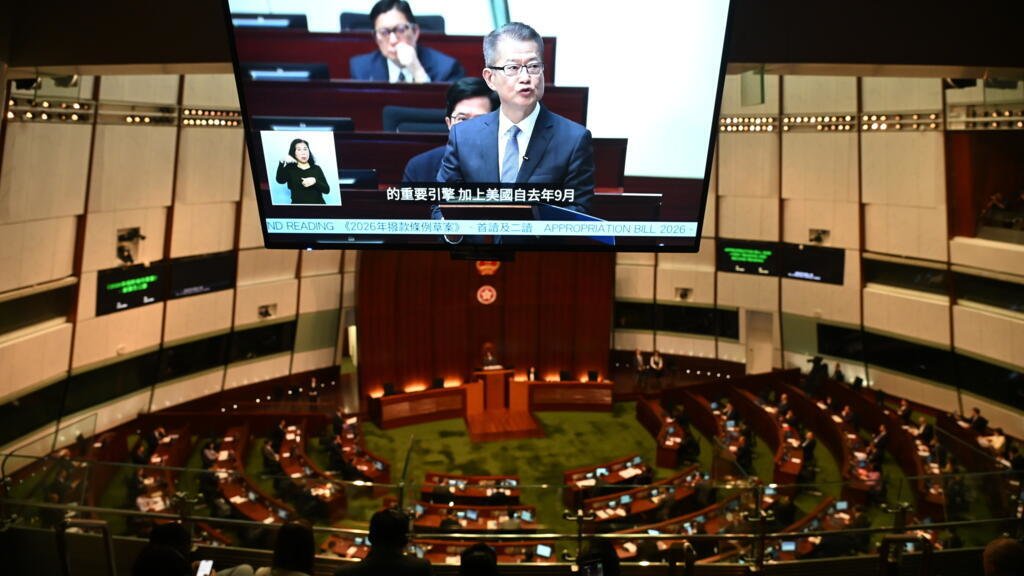
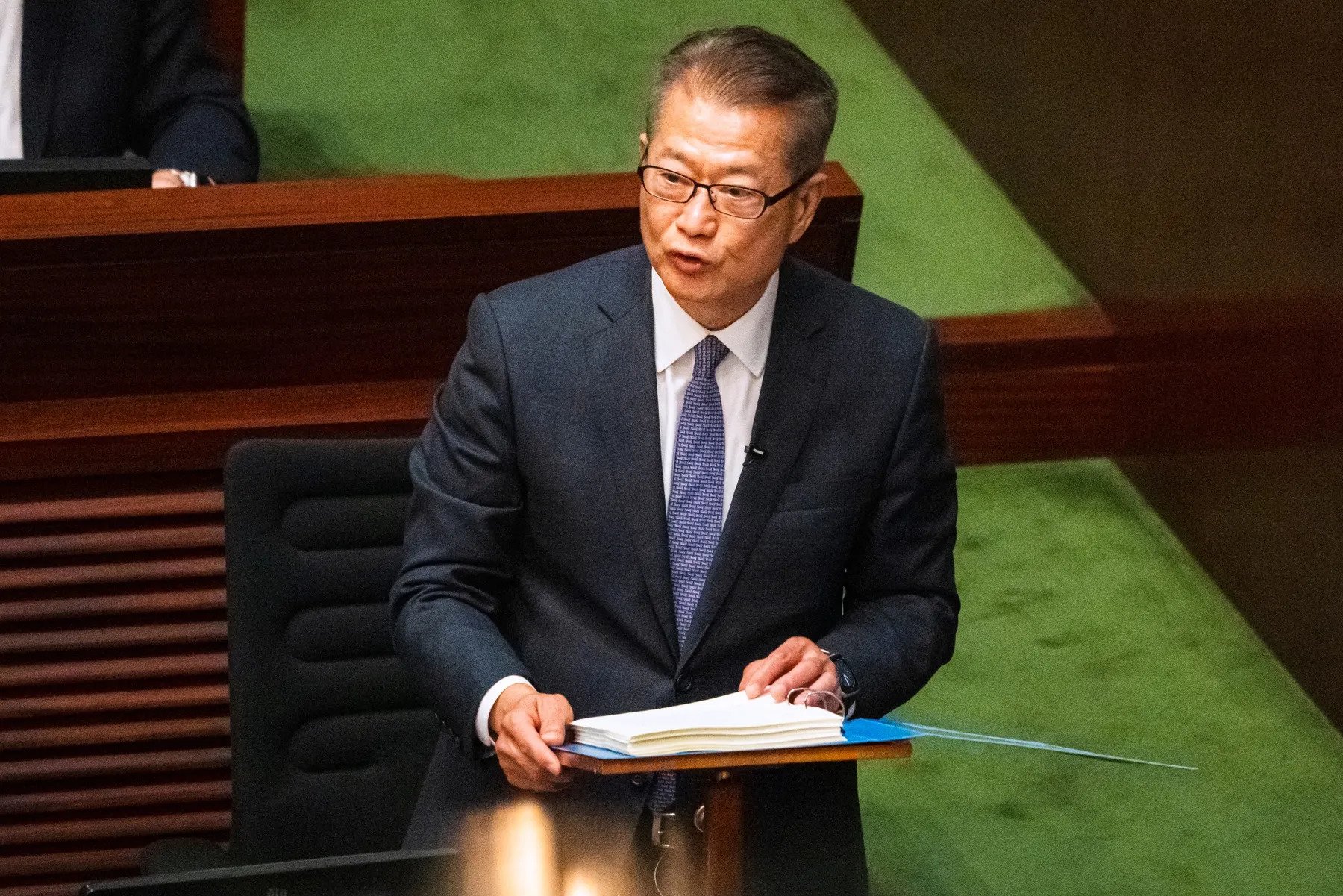
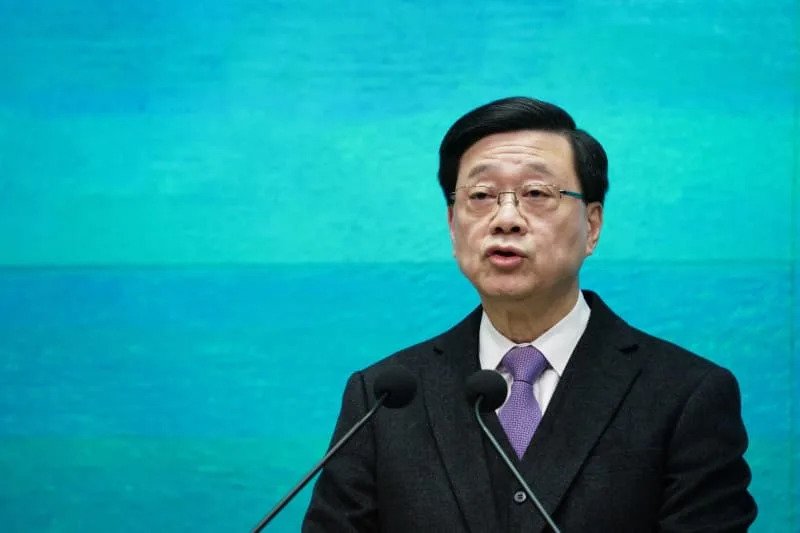
In his 2025-26 budget address, Financial Secretary Paul Chan articulated a comprehensive plan to accelerate innovation and technology (I&T) as core pillars of growth, setting aside significant funding for AI research, industry-oriented support schemes and infrastructure to position Hong Kong as a global technology hub.
The administration is reinforcing its focus on emerging industries, including semiconductors and smart manufacturing, to broaden the city’s economic base.
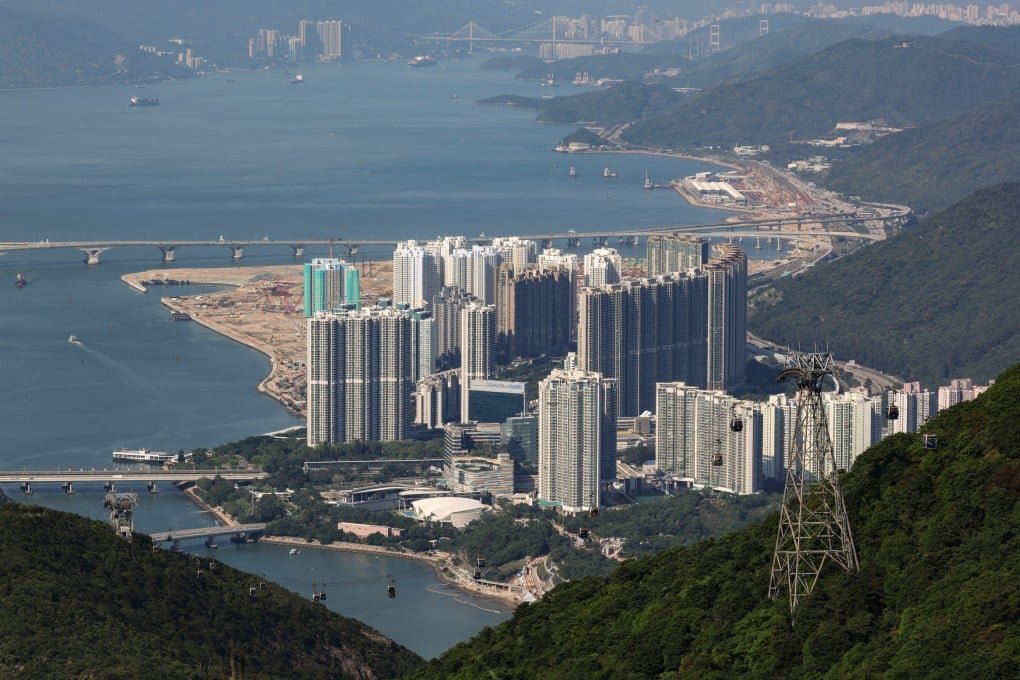
A key component of the strategy is the Northern Metropolis initiative, which the government has identified as central to Hong Kong’s long-term economic and spatial development.
The plan foresees the Northern Metropolis — encompassing major new technology, education and logistics zones — as a catalyst for innovation and integration with the broader Greater Bay Area, while also creating quality job opportunities and new residential development.
To underpin these ambitions, authorities have earmarked substantial land allocations and infrastructure projects.
The Hong Kong Park within the Hetao Shenzhen-Hong Kong Science & Technology Innovation Co-operation Zone is entering its operational phase, with AI, life sciences and data-driven enterprises set to take up space.
Phase 1 infrastructure for the park, supported by a dedicated HK$3.7 billion outlay, is expected to attract tens of thousands of jobs and contribute billions to the economy.
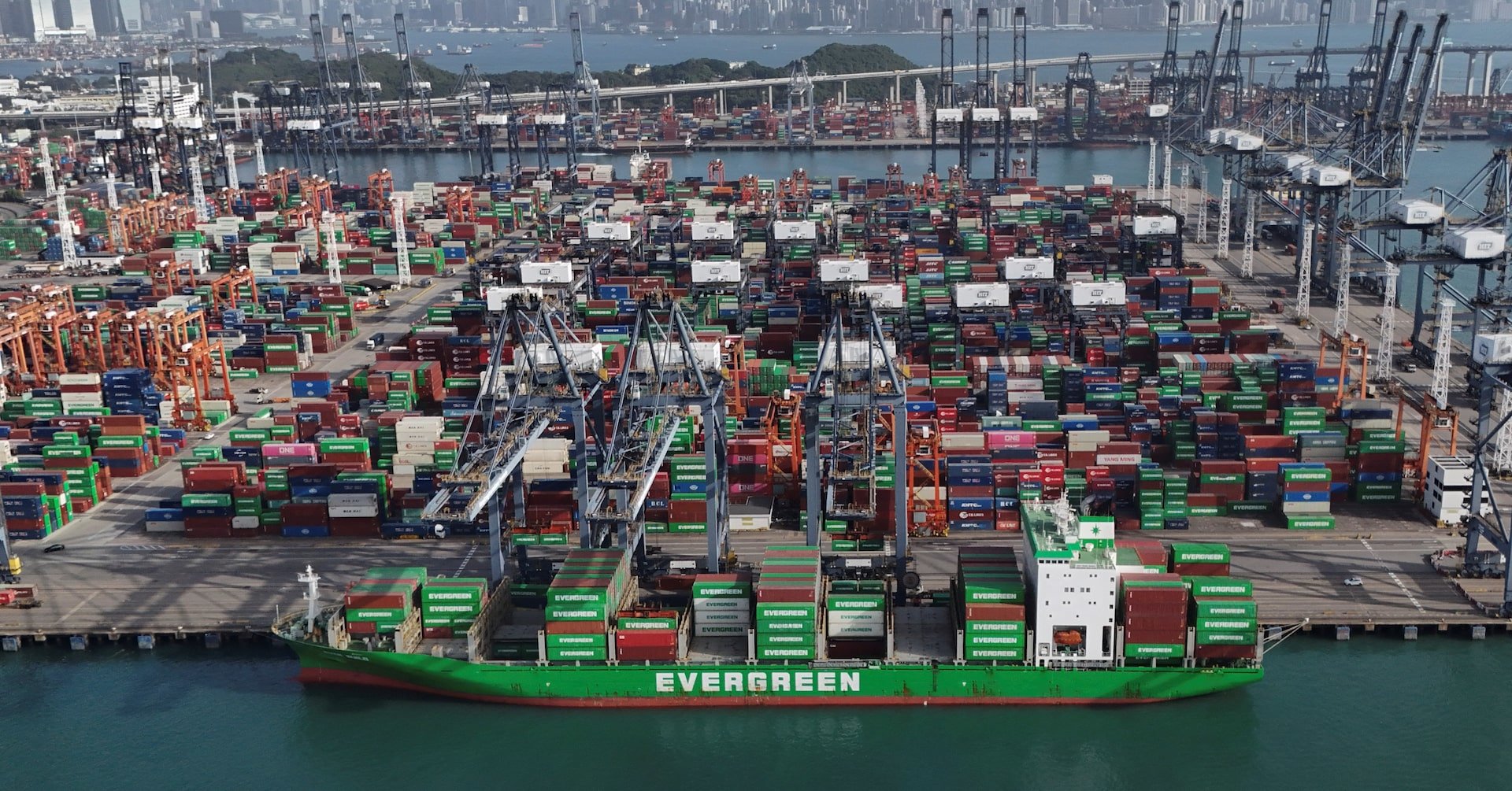
Beyond AI and spatial planning, the budget introduces incentives to strengthen Hong Kong’s broader competitive edge, including new listing channels for technology firms, tax incentives and smart port and aviation initiatives.
Schemes to support startups and manufacturing upgrades, such as the “Manufacturing+” pilot production support, are designed to help local enterprises adopt advanced technologies and scale up operations.
Land-use planning remains a priority, with re-zoning efforts underway for data centre clusters and other mixed-use facilities in the Northern Metropolis.
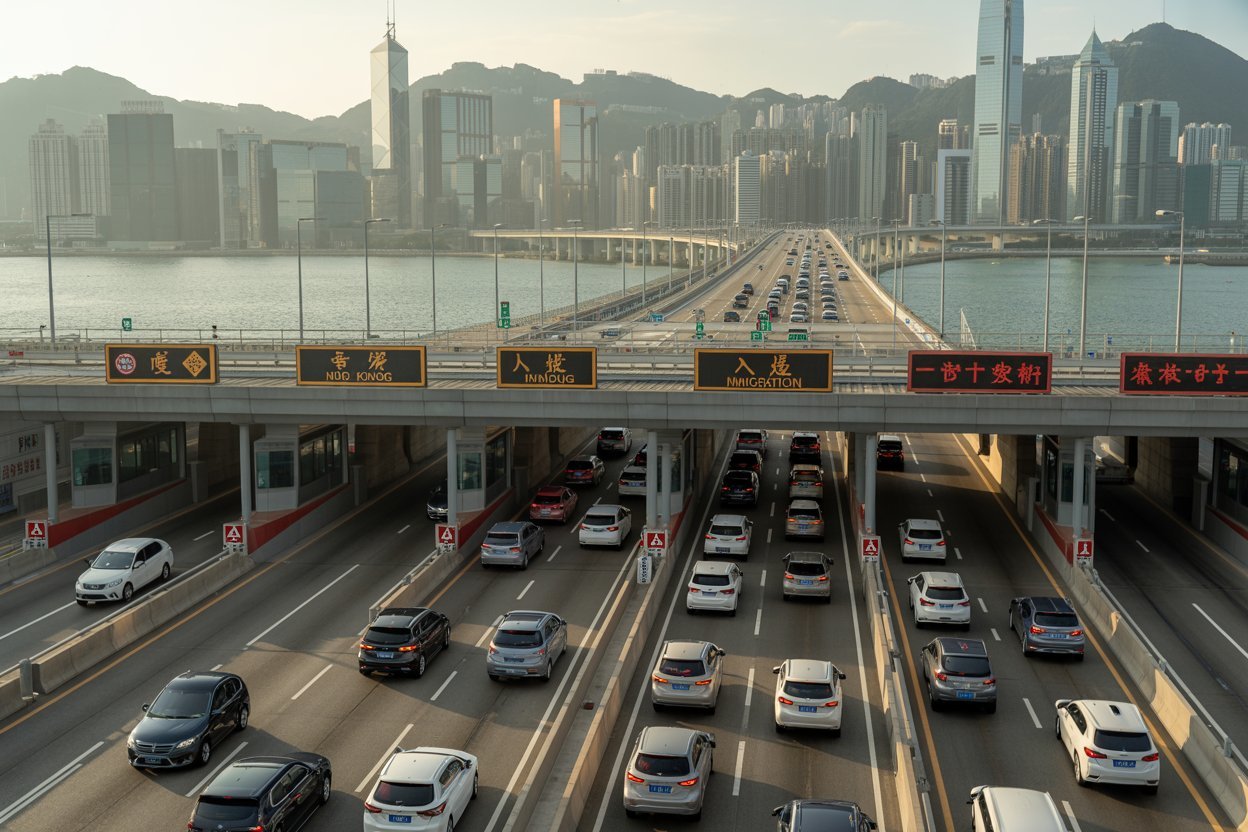
The government is also working on cross-boundary transport links to connect emerging districts with Shenzhen, expanding connectivity and facilitating logistics integration.
The budget’s long-term outlook reflects a strategic pivot toward high-value sectors and sustained investment in modern infrastructure.
By combining targeted public funding with private sector engagement and cross-border cooperation, Hong Kong aims to strengthen its role as an international hub for innovation, finance and technology in an increasingly competitive global landscape.
In his 2025-26 budget address, Financial Secretary Paul Chan articulated a comprehensive plan to accelerate innovation and technology (I&T) as core pillars of growth, setting aside significant funding for AI research, industry-oriented support schemes and infrastructure to position Hong Kong as a global technology hub.
The administration is reinforcing its focus on emerging industries, including semiconductors and smart manufacturing, to broaden the city’s economic base.
A key component of the strategy is the Northern Metropolis initiative, which the government has identified as central to Hong Kong’s long-term economic and spatial development.
The plan foresees the Northern Metropolis — encompassing major new technology, education and logistics zones — as a catalyst for innovation and integration with the broader Greater Bay Area, while also creating quality job opportunities and new residential development.
To underpin these ambitions, authorities have earmarked substantial land allocations and infrastructure projects.
The Hong Kong Park within the Hetao Shenzhen-Hong Kong Science & Technology Innovation Co-operation Zone is entering its operational phase, with AI, life sciences and data-driven enterprises set to take up space.
Phase 1 infrastructure for the park, supported by a dedicated HK$3.7 billion outlay, is expected to attract tens of thousands of jobs and contribute billions to the economy.
Beyond AI and spatial planning, the budget introduces incentives to strengthen Hong Kong’s broader competitive edge, including new listing channels for technology firms, tax incentives and smart port and aviation initiatives.
Schemes to support startups and manufacturing upgrades, such as the “Manufacturing+” pilot production support, are designed to help local enterprises adopt advanced technologies and scale up operations.
Land-use planning remains a priority, with re-zoning efforts underway for data centre clusters and other mixed-use facilities in the Northern Metropolis.
The government is also working on cross-boundary transport links to connect emerging districts with Shenzhen, expanding connectivity and facilitating logistics integration.
The budget’s long-term outlook reflects a strategic pivot toward high-value sectors and sustained investment in modern infrastructure.
By combining targeted public funding with private sector engagement and cross-border cooperation, Hong Kong aims to strengthen its role as an international hub for innovation, finance and technology in an increasingly competitive global landscape.