City’s capital markets, currency access and global connectivity remain central to Beijing’s long-term strategy
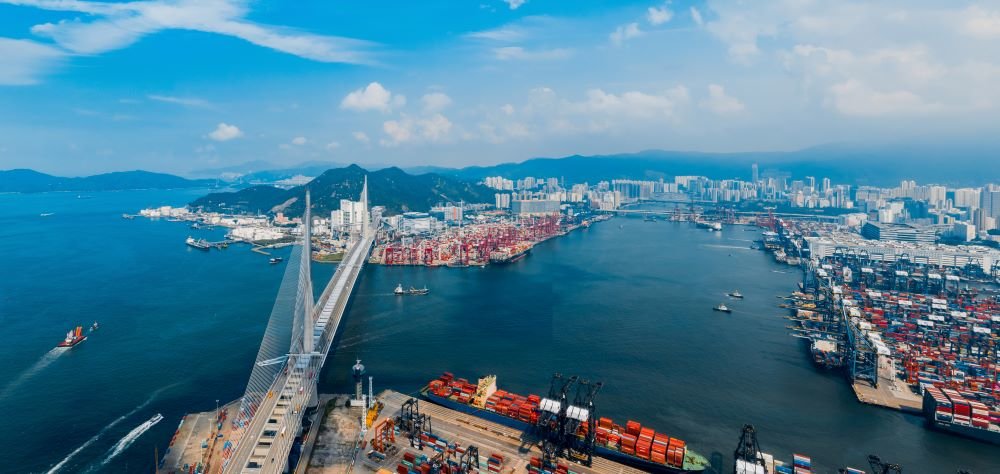
China’s ambition to cement its status as a global financial superpower is increasingly viewed as intertwined with the future of Hong Kong, whose unique position as an international financial centre continues to serve as a bridge between mainland markets and global capital.
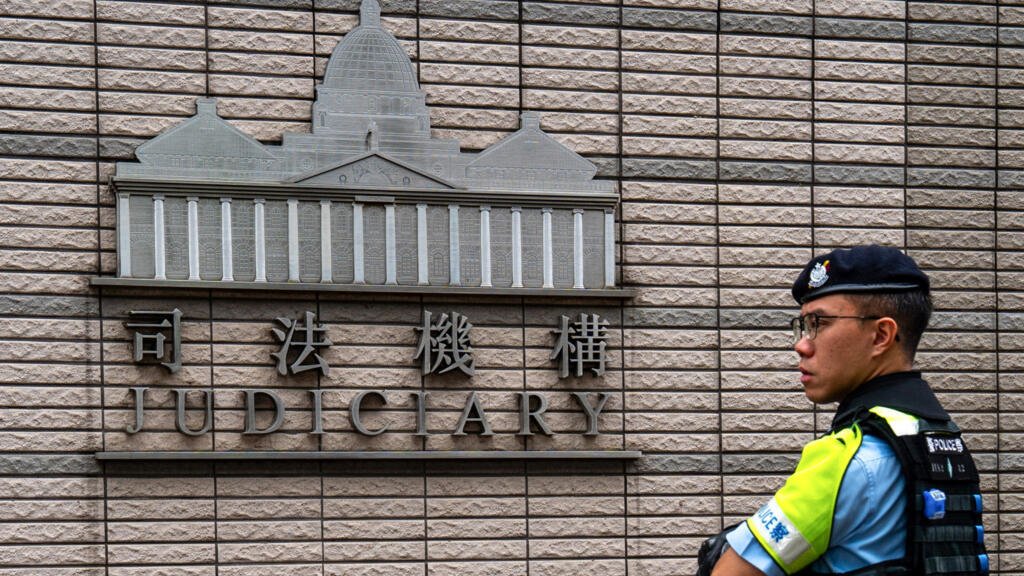
Despite sweeping political changes in recent years, Hong Kong retains distinct legal, regulatory and currency systems that differentiate it from mainland China.
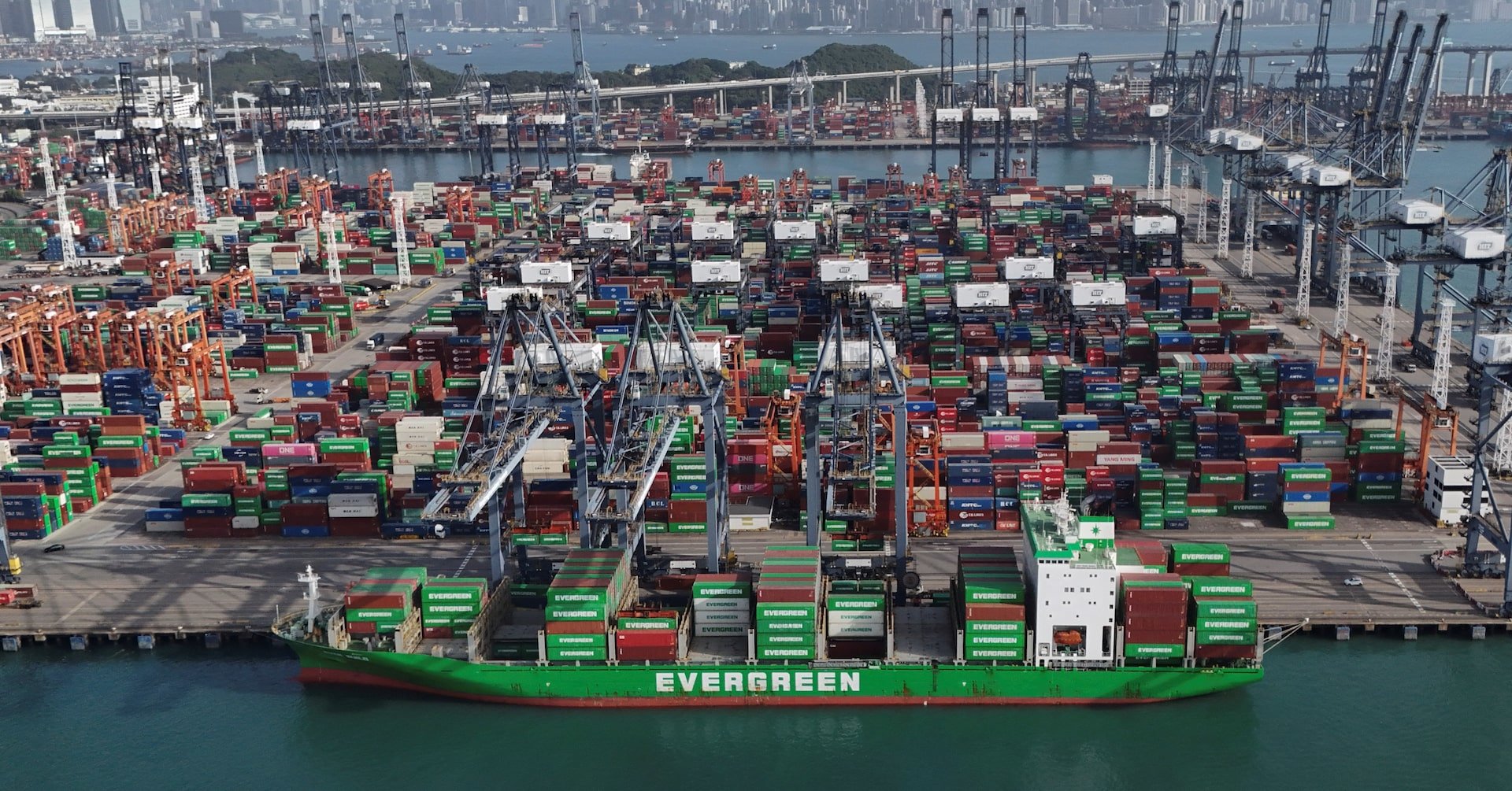
The city’s common law framework, freely convertible currency and deep capital markets have long enabled foreign investors to access Chinese assets while providing mainland firms with a trusted platform to raise international funding.
Analysts say this dual function remains central to Beijing’s strategy.
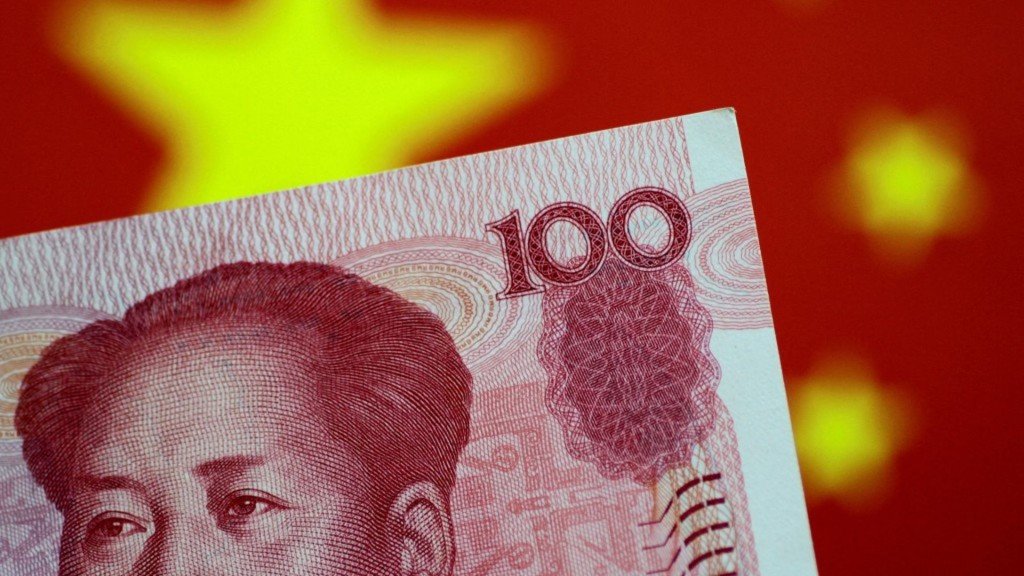
Hong Kong hosts the majority of offshore renminbi business, including bond issuance and currency clearing, reinforcing the internationalisation of China’s currency.
It also plays a leading role in Stock Connect and Bond Connect programmes, which channel foreign capital into mainland exchanges and facilitate cross-border investment flows.
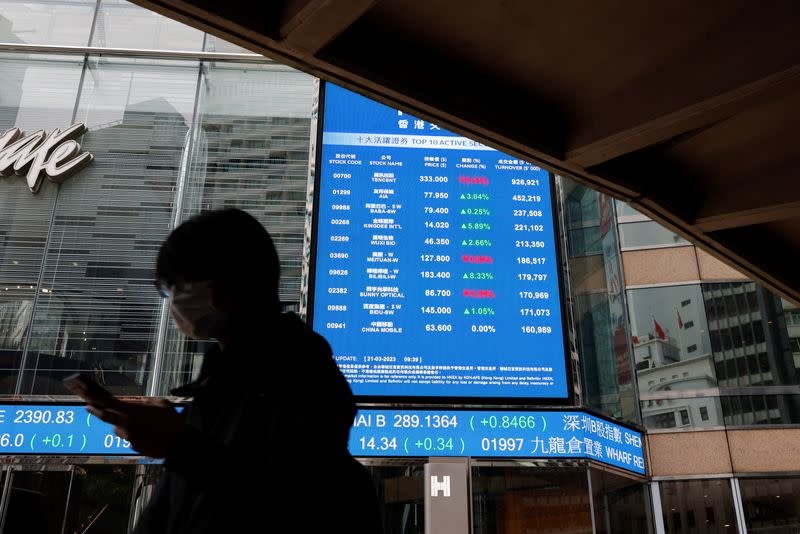
The territory continues to rank among the world’s largest equity fundraising centres, with mainland companies frequently choosing Hong Kong for primary and secondary listings.
This has proven especially significant as geopolitical tensions and regulatory scrutiny in other jurisdictions have complicated overseas listings for Chinese firms.
At the same time, Hong Kong’s fortunes are closely tied to broader perceptions of stability and openness.
While Beijing has emphasised integration between the mainland and the city through initiatives such as the Greater Bay Area, international investors continue to assess legal transparency, regulatory independence and market liquidity as key determinants of long-term confidence.
For China, leveraging Hong Kong’s global connectivity offers a pathway to expand the renminbi’s global use, attract long-term foreign capital and shape financial standards beyond its borders.
Observers note that sustaining the city’s competitiveness will likely remain a strategic priority if Beijing aims to deepen its influence in global finance while maintaining access to international markets.
As China seeks a larger voice in setting financial norms and institutions worldwide, Hong Kong’s ability to function as both a Chinese and an international hub may prove decisive in determining how far and how smoothly that ambition can advance.
Despite sweeping political changes in recent years, Hong Kong retains distinct legal, regulatory and currency systems that differentiate it from mainland China.
The city’s common law framework, freely convertible currency and deep capital markets have long enabled foreign investors to access Chinese assets while providing mainland firms with a trusted platform to raise international funding.
Analysts say this dual function remains central to Beijing’s strategy.
Hong Kong hosts the majority of offshore renminbi business, including bond issuance and currency clearing, reinforcing the internationalisation of China’s currency.
It also plays a leading role in Stock Connect and Bond Connect programmes, which channel foreign capital into mainland exchanges and facilitate cross-border investment flows.
The territory continues to rank among the world’s largest equity fundraising centres, with mainland companies frequently choosing Hong Kong for primary and secondary listings.
This has proven especially significant as geopolitical tensions and regulatory scrutiny in other jurisdictions have complicated overseas listings for Chinese firms.
At the same time, Hong Kong’s fortunes are closely tied to broader perceptions of stability and openness.
While Beijing has emphasised integration between the mainland and the city through initiatives such as the Greater Bay Area, international investors continue to assess legal transparency, regulatory independence and market liquidity as key determinants of long-term confidence.
For China, leveraging Hong Kong’s global connectivity offers a pathway to expand the renminbi’s global use, attract long-term foreign capital and shape financial standards beyond its borders.
Observers note that sustaining the city’s competitiveness will likely remain a strategic priority if Beijing aims to deepen its influence in global finance while maintaining access to international markets.
As China seeks a larger voice in setting financial norms and institutions worldwide, Hong Kong’s ability to function as both a Chinese and an international hub may prove decisive in determining how far and how smoothly that ambition can advance.