Beijing aims to strengthen its role in bullion markets as part of broader financial strategy
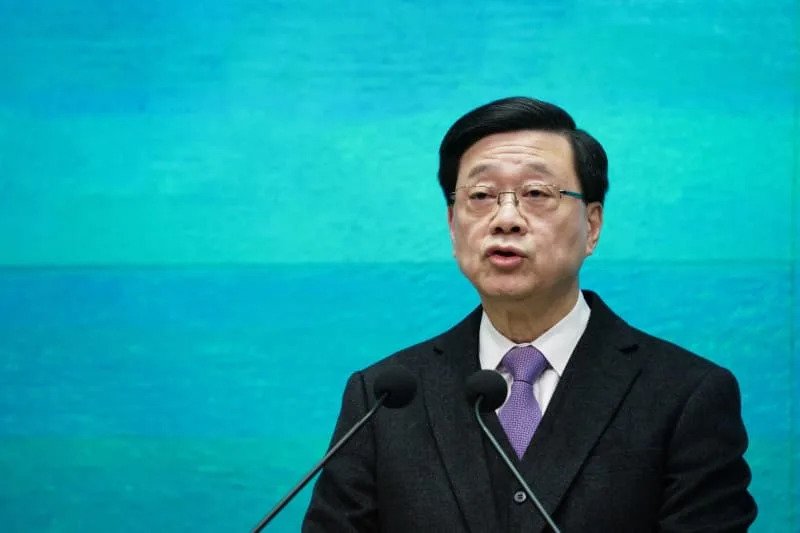
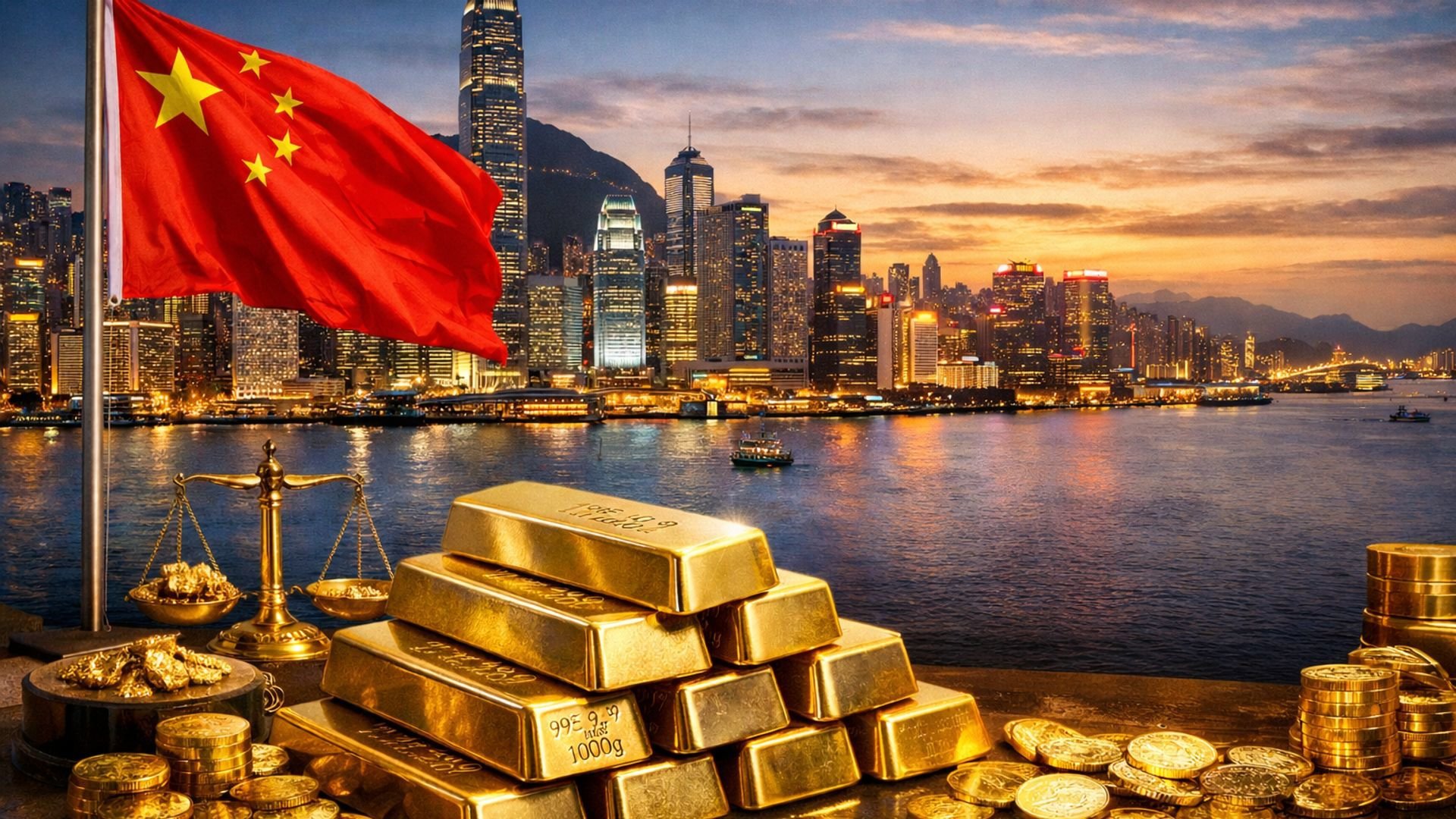
China intends to expand its market share and strengthen its influence over pricing in the international gold market, a senior Hong Kong official has said, underscoring Beijing’s ambition to deepen its role in global commodities and financial benchmarks.
Speaking at a recent financial forum, the official outlined plans to bolster the country’s participation in gold trading, settlement and pricing mechanisms, with Hong Kong positioned as a key conduit between mainland institutions and international investors.
The remarks reflect a strategic push to enhance China’s presence in global bullion markets at a time of heightened volatility and rising demand for safe-haven assets.
China is already one of the world’s largest producers and consumers of gold.
Analysts say that greater influence over pricing structures would align with Beijing’s broader objective of increasing the international use of the renminbi and reducing reliance on Western-dominated financial benchmarks.
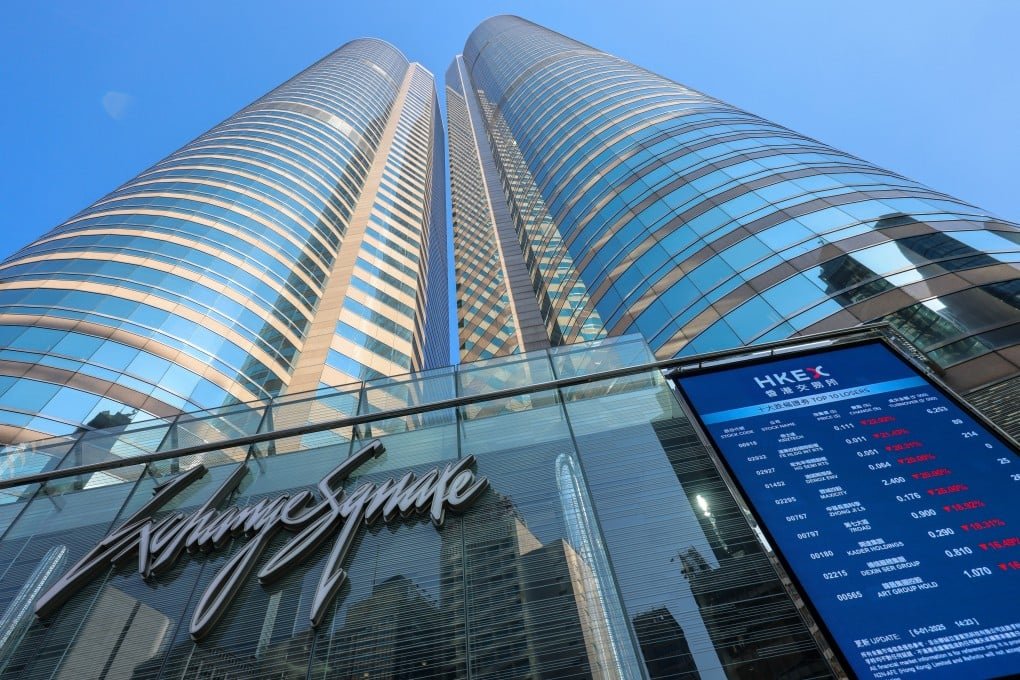
Hong Kong, with its established legal framework and open capital markets, is expected to play a central role in this effort.
The city hosts active gold trading platforms and provides access to offshore renminbi liquidity, making it a natural bridge for cross-border transactions and potential pricing reforms.
Market observers note that expanding influence in gold pricing could involve increasing liquidity on domestic exchanges, promoting renminbi-denominated contracts, and strengthening connectivity between mainland and international trading systems.
Such measures would seek to draw more global participants into Chinese-linked bullion markets.
The initiative forms part of a wider policy direction aimed at reinforcing China’s position in global finance, from commodities to currency markets.
As geopolitical tensions and currency fluctuations reshape investor behaviour, gold has regained prominence, amplifying the strategic significance of pricing power in the sector.
While the global gold market remains deeply integrated and competitive, the official’s comments signal that Beijing views enhanced participation and pricing influence as a long-term objective tied to financial sovereignty and international market leadership.
Speaking at a recent financial forum, the official outlined plans to bolster the country’s participation in gold trading, settlement and pricing mechanisms, with Hong Kong positioned as a key conduit between mainland institutions and international investors.
The remarks reflect a strategic push to enhance China’s presence in global bullion markets at a time of heightened volatility and rising demand for safe-haven assets.
China is already one of the world’s largest producers and consumers of gold.
Analysts say that greater influence over pricing structures would align with Beijing’s broader objective of increasing the international use of the renminbi and reducing reliance on Western-dominated financial benchmarks.
Hong Kong, with its established legal framework and open capital markets, is expected to play a central role in this effort.
The city hosts active gold trading platforms and provides access to offshore renminbi liquidity, making it a natural bridge for cross-border transactions and potential pricing reforms.
Market observers note that expanding influence in gold pricing could involve increasing liquidity on domestic exchanges, promoting renminbi-denominated contracts, and strengthening connectivity between mainland and international trading systems.
Such measures would seek to draw more global participants into Chinese-linked bullion markets.
The initiative forms part of a wider policy direction aimed at reinforcing China’s position in global finance, from commodities to currency markets.
As geopolitical tensions and currency fluctuations reshape investor behaviour, gold has regained prominence, amplifying the strategic significance of pricing power in the sector.
While the global gold market remains deeply integrated and competitive, the official’s comments signal that Beijing views enhanced participation and pricing influence as a long-term objective tied to financial sovereignty and international market leadership.