Authorities deploy peg defense resources for the first time in decades to maintain stability of the Hong Kong dollar against the US dollar
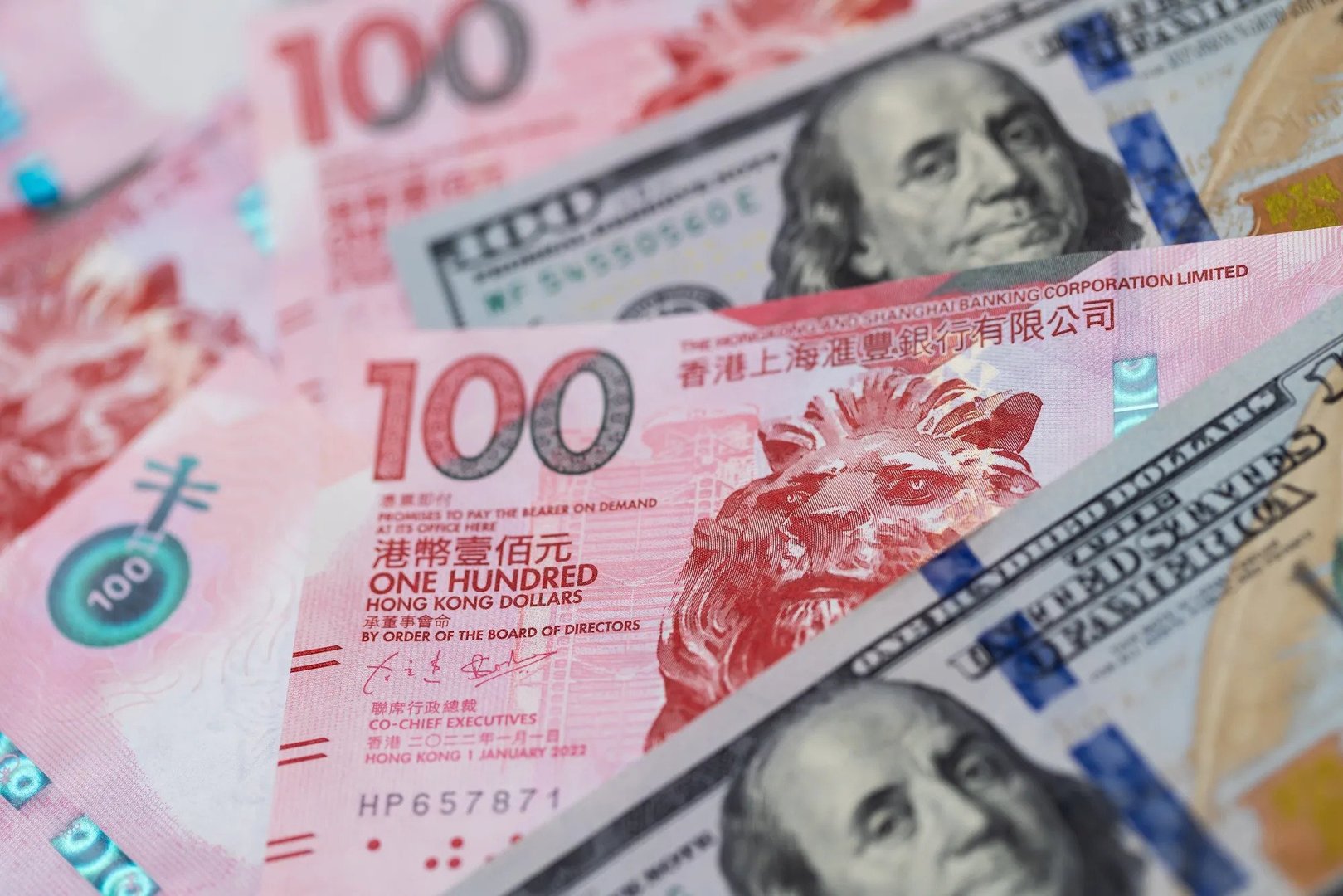
Hong Kong authorities have taken decisive action to support the city’s longstanding currency arrangement by deploying resources from its peg defense apparatus for the first time in many years, underscoring heightened volatility in global exchange markets.
The move comes as the Hong Kong dollar, anchored to the United States dollar within a defined trading band, faced renewed pressure from capital flows and interest rate differentials.
In a series of interventions, the Hong Kong Monetary Authority, acting as the city’s de facto central bank, has actively entered the foreign exchange market to defend the peg, buying local currency and US dollars at different times to maintain the exchange rate within its permitted range.
This marks a significant juncture in monetary policy implementation and reflects the authority’s commitment to preserving financial stability in an increasingly uncertain global economic environment.
The fixed exchange rate system, first adopted in the early 1980s and operating within a narrow trading band since 2005, has been a cornerstone of Hong Kong’s financial architecture, providing confidence for investors and businesses alike.
The recent market dynamics saw the Hong Kong dollar approach both the weak and strong ends of its trading band, prompting the authority to absorb excess liquidity and counter speculative pressures in multiple interventions.
As part of these efforts, the HKMA purchased substantial amounts of the local currency to counter weakness and at other times acquired US dollars to check rapid appreciation.
These operations, among the most active in recent market history, highlight the robustness of Hong Kong’s monetary framework and its readiness to deploy defense mechanisms when required.
Officials have reiterated that the peg remains sound and that such actions are aimed at ensuring orderly market functioning, supporting confidence in the city’s financial system and safeguarding economic resilience.
While the interventions have implications for liquidity conditions and interbank funding costs, the broader objective remains to uphold the integrity of the linked exchange rate system amid shifting global capital patterns and interest rate landscapes.
The move comes as the Hong Kong dollar, anchored to the United States dollar within a defined trading band, faced renewed pressure from capital flows and interest rate differentials.
In a series of interventions, the Hong Kong Monetary Authority, acting as the city’s de facto central bank, has actively entered the foreign exchange market to defend the peg, buying local currency and US dollars at different times to maintain the exchange rate within its permitted range.
This marks a significant juncture in monetary policy implementation and reflects the authority’s commitment to preserving financial stability in an increasingly uncertain global economic environment.
The fixed exchange rate system, first adopted in the early 1980s and operating within a narrow trading band since 2005, has been a cornerstone of Hong Kong’s financial architecture, providing confidence for investors and businesses alike.
The recent market dynamics saw the Hong Kong dollar approach both the weak and strong ends of its trading band, prompting the authority to absorb excess liquidity and counter speculative pressures in multiple interventions.
As part of these efforts, the HKMA purchased substantial amounts of the local currency to counter weakness and at other times acquired US dollars to check rapid appreciation.
These operations, among the most active in recent market history, highlight the robustness of Hong Kong’s monetary framework and its readiness to deploy defense mechanisms when required.
Officials have reiterated that the peg remains sound and that such actions are aimed at ensuring orderly market functioning, supporting confidence in the city’s financial system and safeguarding economic resilience.
While the interventions have implications for liquidity conditions and interbank funding costs, the broader objective remains to uphold the integrity of the linked exchange rate system amid shifting global capital patterns and interest rate landscapes.