Trade-sensitive and technology stocks lead gains as investors respond to ruling that challenges Washington’s levy framework
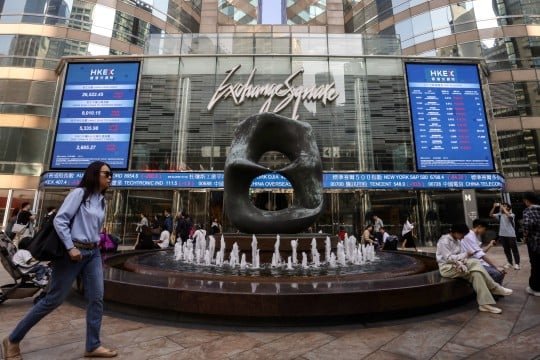
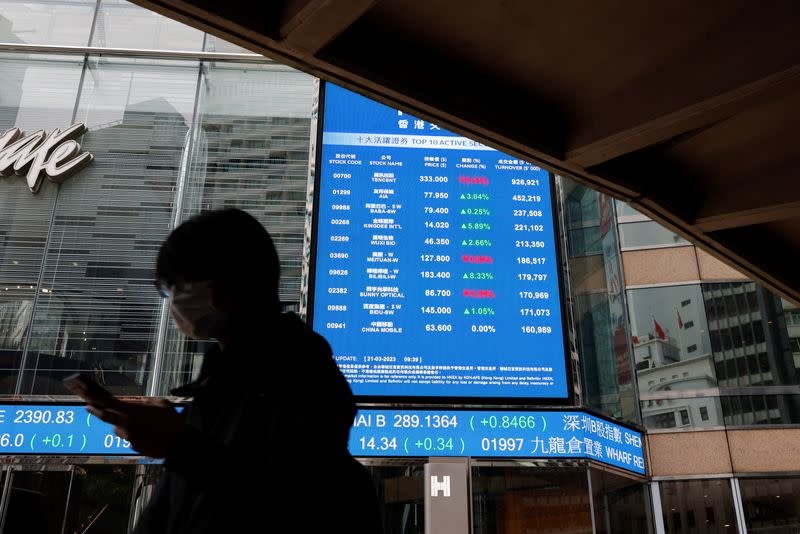
Hong Kong equities climbed sharply, with benchmark indices rising about 2.5%, after a United States court moved to invalidate a series of tariffs that had weighed on Chinese exports and regional investor sentiment.
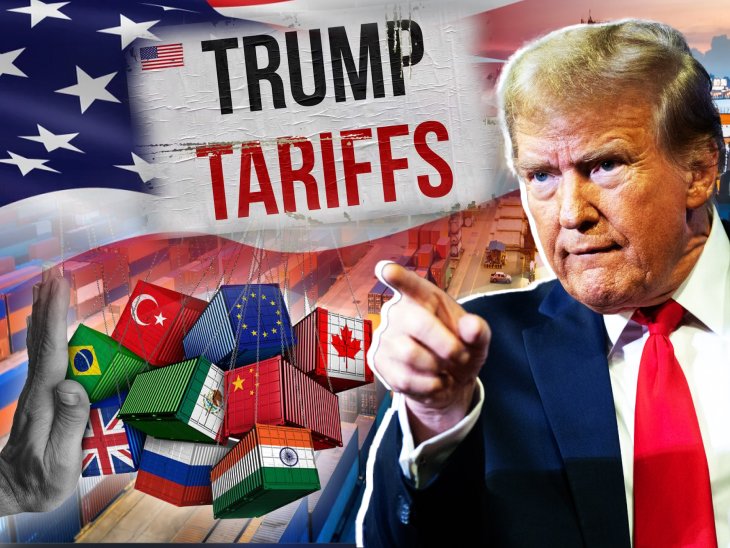
The ruling, which questioned the legal authority underpinning certain trade levies imposed during earlier phases of U.S.–China tensions, was interpreted by markets as a potential easing of pressure on companies exposed to cross-border commerce.
Technology, consumer electronics and export-oriented industrial stocks led the advance in early trading.
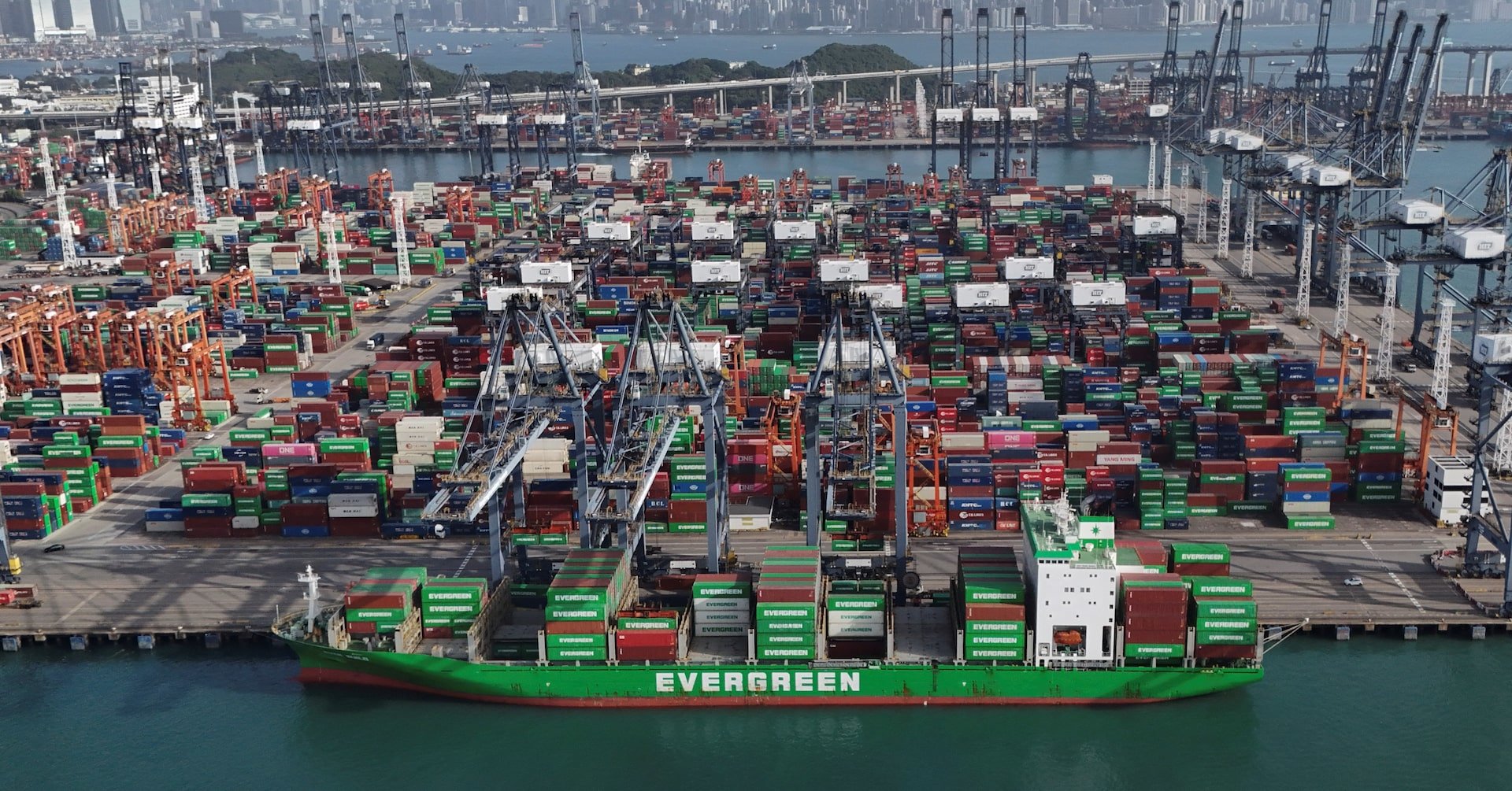
Investors reacted swiftly to the prospect that reduced tariff burdens could support corporate margins and revive trade flows at a time when global supply chains remain sensitive to geopolitical risk.
Market strategists said the decision offered a near-term catalyst for equities that have been volatile amid shifting policy signals from Washington and Beijing.
Analysts cautioned that the legal process may not be окончate, noting that appeals or administrative responses could follow before any material change in tariff policy takes effect.
Even so, the judgment was seen as a positive signal for sectors directly affected by higher import duties over recent years.
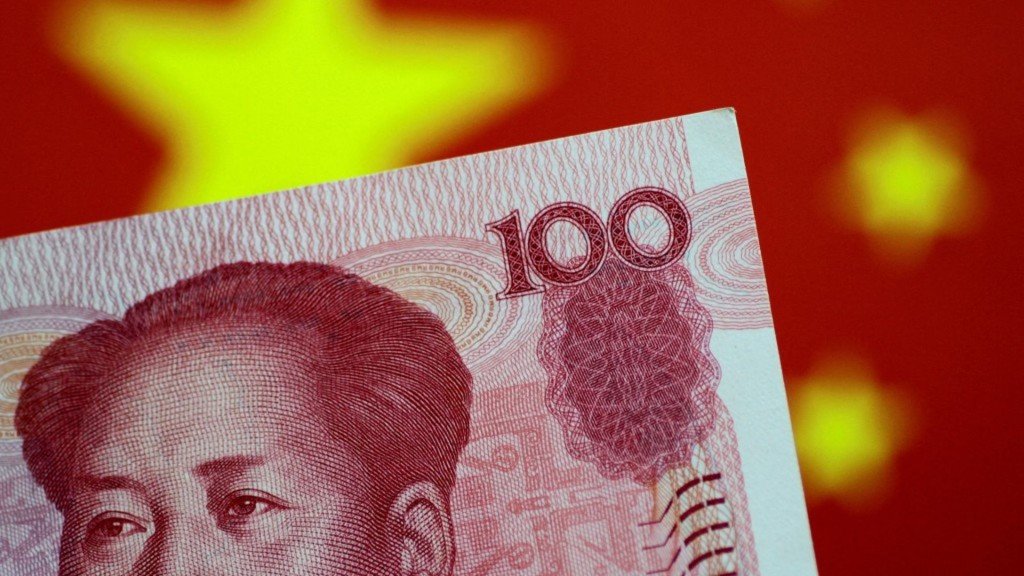
Currency markets also reflected improved risk appetite, with the offshore renminbi strengthening modestly during Asian trading hours.
Broader regional indices moved higher alongside Hong Kong, as traders recalibrated expectations for bilateral economic relations.
While uncertainty persists around the longer-term trajectory of trade policy, the market’s reaction underscored the sensitivity of Hong Kong-listed Chinese shares to developments in U.S. courts and the continuing centrality of legal and regulatory decisions to global capital flows.
The ruling, which questioned the legal authority underpinning certain trade levies imposed during earlier phases of U.S.–China tensions, was interpreted by markets as a potential easing of pressure on companies exposed to cross-border commerce.
Technology, consumer electronics and export-oriented industrial stocks led the advance in early trading.
Investors reacted swiftly to the prospect that reduced tariff burdens could support corporate margins and revive trade flows at a time when global supply chains remain sensitive to geopolitical risk.
Market strategists said the decision offered a near-term catalyst for equities that have been volatile amid shifting policy signals from Washington and Beijing.
Analysts cautioned that the legal process may not be окончate, noting that appeals or administrative responses could follow before any material change in tariff policy takes effect.
Even so, the judgment was seen as a positive signal for sectors directly affected by higher import duties over recent years.
Currency markets also reflected improved risk appetite, with the offshore renminbi strengthening modestly during Asian trading hours.
Broader regional indices moved higher alongside Hong Kong, as traders recalibrated expectations for bilateral economic relations.
While uncertainty persists around the longer-term trajectory of trade policy, the market’s reaction underscored the sensitivity of Hong Kong-listed Chinese shares to developments in U.S. courts and the continuing centrality of legal and regulatory decisions to global capital flows.