Decision expected to shape next phase of high-profile national security prosecutions
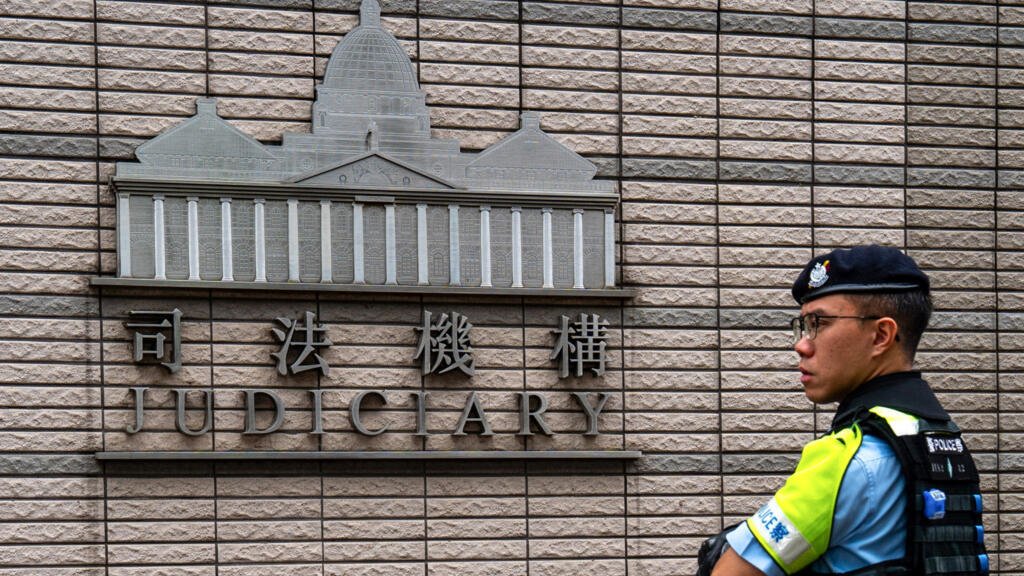
Hong Kong’s Court of Appeal is preparing to rule on challenges brought by a group of jailed democracy campaigners in one of the city’s most closely watched national security cases.
The defendants, who were previously convicted over their roles in organising or participating in an unofficial primary election, are seeking to overturn their convictions or reduce their sentences.
The case stems from activities prosecutors argued were part of a coordinated plan to paralyse the government by securing a legislative majority and using it to block the city’s budget.
During earlier proceedings, the court found that the primary election effort amounted to a conspiracy to commit subversion under the national security law imposed in 2020. Several of the defendants received substantial prison terms, prompting appeals centred on the interpretation of intent, proportionality of sentencing and the scope of lawful political participation.
Legal representatives for the appellants have argued that the primary election was a political strategy rather than an attempt to undermine state power.
Prosecutors, however, maintain that the plan crossed legal boundaries by aiming to coerce the administration through institutional paralysis.
The forthcoming judgment is expected to address how the courts interpret key provisions of the national security law, including what constitutes subversion and the evidentiary threshold for demonstrating intent.
Observers say the ruling could influence future prosecutions and clarify the legal landscape for political activity in the city.
Since the introduction of the national security framework, Hong Kong authorities have said the law is necessary to restore stability after prolonged unrest.
Critics of the legislation argue that it has curtailed political freedoms, a characterisation officials reject.
The appeals court’s decision will determine whether the convictions stand, are modified or are overturned, marking a significant moment in the evolution of Hong Kong’s post-2020 legal order.
The defendants, who were previously convicted over their roles in organising or participating in an unofficial primary election, are seeking to overturn their convictions or reduce their sentences.
The case stems from activities prosecutors argued were part of a coordinated plan to paralyse the government by securing a legislative majority and using it to block the city’s budget.
During earlier proceedings, the court found that the primary election effort amounted to a conspiracy to commit subversion under the national security law imposed in 2020. Several of the defendants received substantial prison terms, prompting appeals centred on the interpretation of intent, proportionality of sentencing and the scope of lawful political participation.
Legal representatives for the appellants have argued that the primary election was a political strategy rather than an attempt to undermine state power.
Prosecutors, however, maintain that the plan crossed legal boundaries by aiming to coerce the administration through institutional paralysis.
The forthcoming judgment is expected to address how the courts interpret key provisions of the national security law, including what constitutes subversion and the evidentiary threshold for demonstrating intent.
Observers say the ruling could influence future prosecutions and clarify the legal landscape for political activity in the city.
Since the introduction of the national security framework, Hong Kong authorities have said the law is necessary to restore stability after prolonged unrest.
Critics of the legislation argue that it has curtailed political freedoms, a characterisation officials reject.
The appeals court’s decision will determine whether the convictions stand, are modified or are overturned, marking a significant moment in the evolution of Hong Kong’s post-2020 legal order.