Southern Japanese city attracts growing wave of Hong Kong firms seeking expansion and diversification
Fukuoka is rapidly positioning itself as a preferred entry point into Japan for Hong Kong businesses, as companies seek geographic diversification and closer access to regional markets.
Located on Japan’s southern island of Kyushu, Fukuoka has stepped up efforts to court foreign investment through tax incentives, startup support programmes and streamlined administrative procedures.
Officials and business leaders say interest from Hong Kong firms has accelerated in recent years, particularly in technology, finance, logistics and food services.
Executives cite Fukuoka’s proximity to major Asian cities, comparatively lower operating costs than Tokyo and Osaka, and a supportive local government as key advantages.
The city has cultivated a reputation as a startup hub, offering visa flexibility and dedicated zones aimed at fostering innovation.
For Hong Kong companies navigating shifting geopolitical and economic conditions, Japan’s stable regulatory framework and strong consumer market present attractive opportunities.
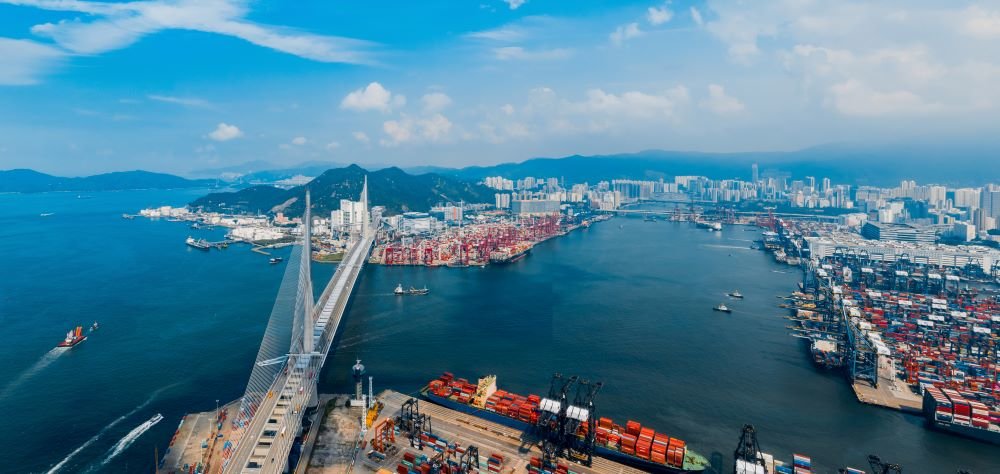
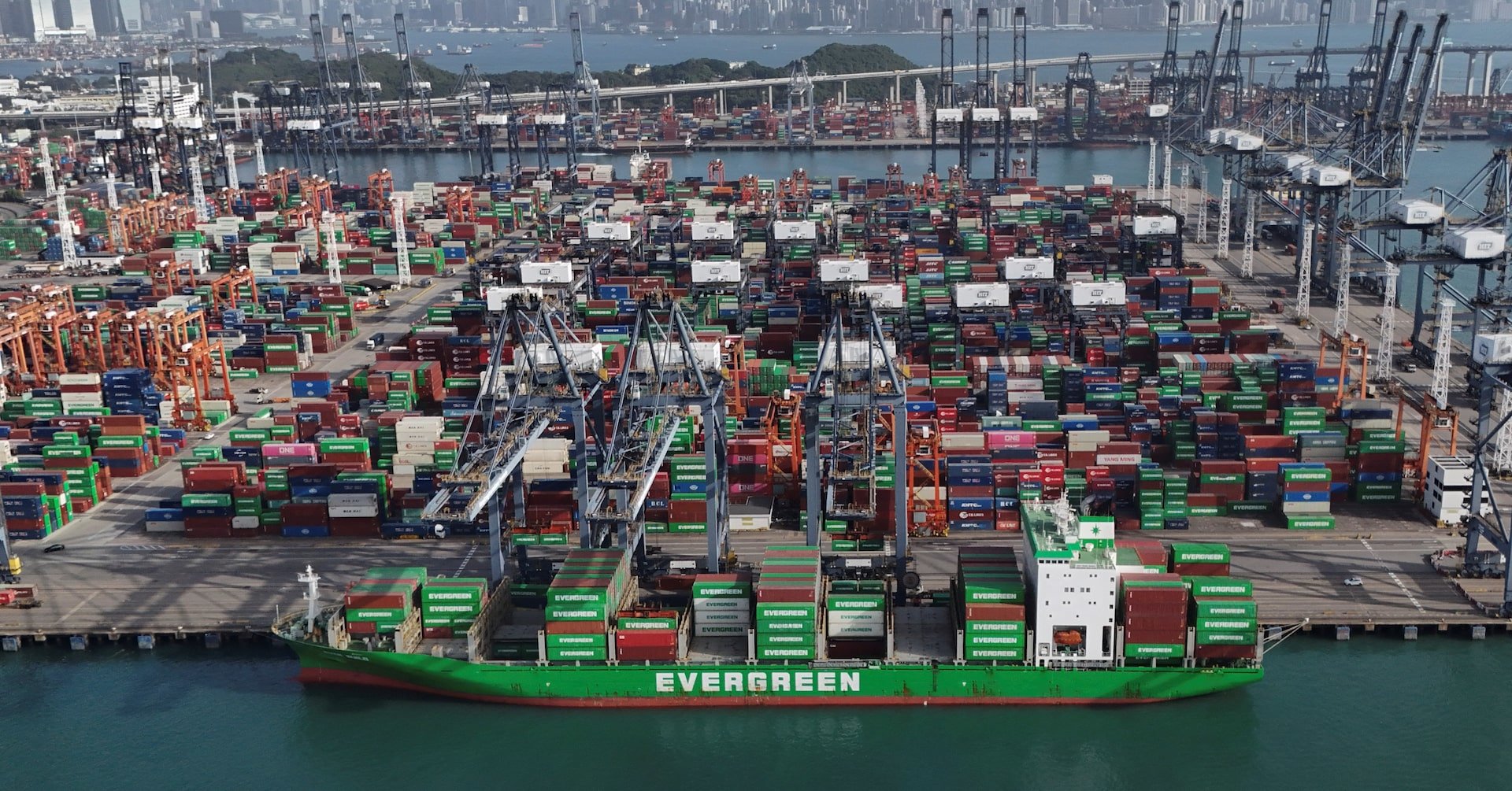
Fukuoka’s port infrastructure and growing connectivity to mainland Asia further enhance its appeal as a base for regional operations.
Local authorities have highlighted collaboration agreements and investment seminars designed to strengthen ties with Hong Kong’s business community.
Industry groups report increased inquiries from small and medium-sized enterprises exploring partnerships or branch offices in the city.
While Tokyo remains Japan’s dominant financial centre, Fukuoka’s strategy has focused on agility and targeted incentives, positioning itself as a complementary alternative rather than a direct competitor.
Analysts say the city’s rise reflects a broader trend of decentralised investment flows within Japan.
As cross-border business strategies evolve, Fukuoka’s growing prominence underscores the dynamic links between Hong Kong and regional innovation hubs in East Asia.
Located on Japan’s southern island of Kyushu, Fukuoka has stepped up efforts to court foreign investment through tax incentives, startup support programmes and streamlined administrative procedures.
Officials and business leaders say interest from Hong Kong firms has accelerated in recent years, particularly in technology, finance, logistics and food services.
Executives cite Fukuoka’s proximity to major Asian cities, comparatively lower operating costs than Tokyo and Osaka, and a supportive local government as key advantages.
The city has cultivated a reputation as a startup hub, offering visa flexibility and dedicated zones aimed at fostering innovation.
For Hong Kong companies navigating shifting geopolitical and economic conditions, Japan’s stable regulatory framework and strong consumer market present attractive opportunities.
Fukuoka’s port infrastructure and growing connectivity to mainland Asia further enhance its appeal as a base for regional operations.
Local authorities have highlighted collaboration agreements and investment seminars designed to strengthen ties with Hong Kong’s business community.
Industry groups report increased inquiries from small and medium-sized enterprises exploring partnerships or branch offices in the city.
While Tokyo remains Japan’s dominant financial centre, Fukuoka’s strategy has focused on agility and targeted incentives, positioning itself as a complementary alternative rather than a direct competitor.
Analysts say the city’s rise reflects a broader trend of decentralised investment flows within Japan.
As cross-border business strategies evolve, Fukuoka’s growing prominence underscores the dynamic links between Hong Kong and regional innovation hubs in East Asia.