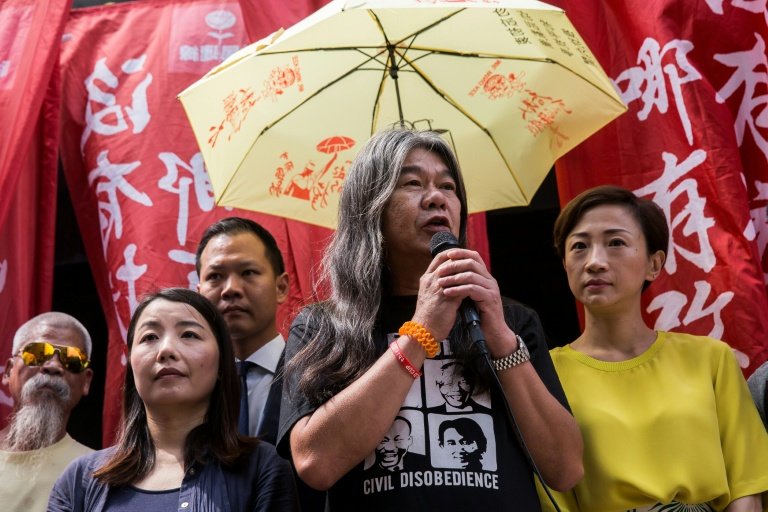
High-profile national security case tests boundaries of political dissent and legal interpretation
A group of jailed Hong Kong democracy campaigners are pressing ahead with appeals against their subversion convictions in a case that has become a defining test of the city’s national security framework.
The defendants were previously found guilty over their roles in organising and participating in an unofficial primary election intended to select opposition candidates for the Legislative Council.
Prosecutors argued that the initiative formed part of a coordinated strategy to secure a legislative majority and use it to veto government budgets, thereby exerting pressure on the administration.
Trial judges concluded that the plan amounted to a conspiracy to commit subversion under the national security law introduced in 2020. Several of the campaigners received lengthy prison sentences, prompting legal challenges focused on whether their actions constituted legitimate political participation or crossed into criminal conduct.
In their appeals, defence lawyers contend that organising a primary election was a political exercise aimed at maximising electoral competitiveness within the existing system.
They argue that using constitutional mechanisms, including the power to reject budgets, does not inherently equate to an attempt to undermine state authority.
Prosecutors maintain that the scale and coordination of the plan, coupled with public statements about forcing government concessions, met the threshold for subversion.
The case has drawn sustained attention from international observers and legal analysts, who view it as a significant moment in defining the limits of dissent under Hong Kong’s current legal order.
Since the enactment of the national security law, authorities have said the legislation was necessary to restore stability after extended unrest.
Critics, including some foreign governments and advocacy groups, argue that it has curtailed political freedoms—an assertion Hong Kong officials reject.
The outcome of the appeals could clarify how courts interpret intent, proportionality and the permissible scope of opposition strategy within the city’s constitutional framework.
The decision is expected to shape future prosecutions and the broader trajectory of political life in Hong Kong.
The defendants were previously found guilty over their roles in organising and participating in an unofficial primary election intended to select opposition candidates for the Legislative Council.
Prosecutors argued that the initiative formed part of a coordinated strategy to secure a legislative majority and use it to veto government budgets, thereby exerting pressure on the administration.
Trial judges concluded that the plan amounted to a conspiracy to commit subversion under the national security law introduced in 2020. Several of the campaigners received lengthy prison sentences, prompting legal challenges focused on whether their actions constituted legitimate political participation or crossed into criminal conduct.
In their appeals, defence lawyers contend that organising a primary election was a political exercise aimed at maximising electoral competitiveness within the existing system.
They argue that using constitutional mechanisms, including the power to reject budgets, does not inherently equate to an attempt to undermine state authority.
Prosecutors maintain that the scale and coordination of the plan, coupled with public statements about forcing government concessions, met the threshold for subversion.
The case has drawn sustained attention from international observers and legal analysts, who view it as a significant moment in defining the limits of dissent under Hong Kong’s current legal order.
Since the enactment of the national security law, authorities have said the legislation was necessary to restore stability after extended unrest.
Critics, including some foreign governments and advocacy groups, argue that it has curtailed political freedoms—an assertion Hong Kong officials reject.
The outcome of the appeals could clarify how courts interpret intent, proportionality and the permissible scope of opposition strategy within the city’s constitutional framework.
The decision is expected to shape future prosecutions and the broader trajectory of political life in Hong Kong.