Economists and lawmakers assess fiscal measures that could strengthen the city’s position as an offshore renminbi hub
As Hong Kong prepares its next budget, policymakers and financial experts are debating whether additional measures should be introduced to reinforce the city’s role in advancing the international use of the yuan.
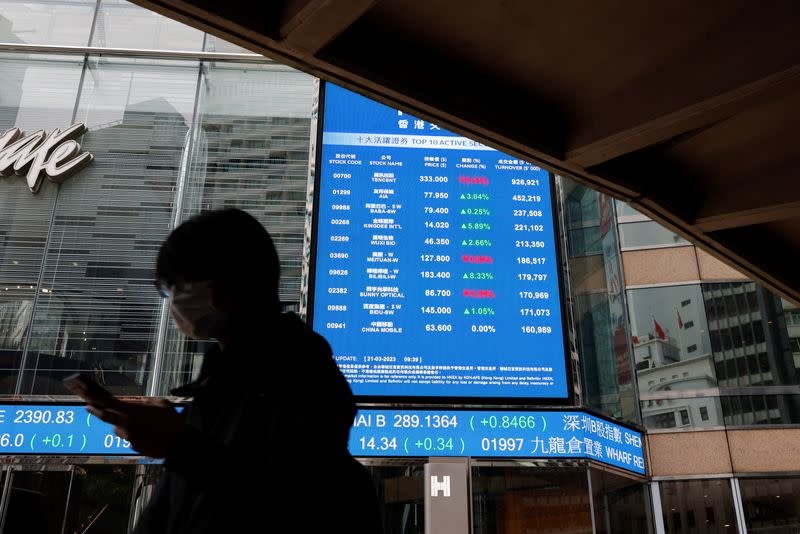
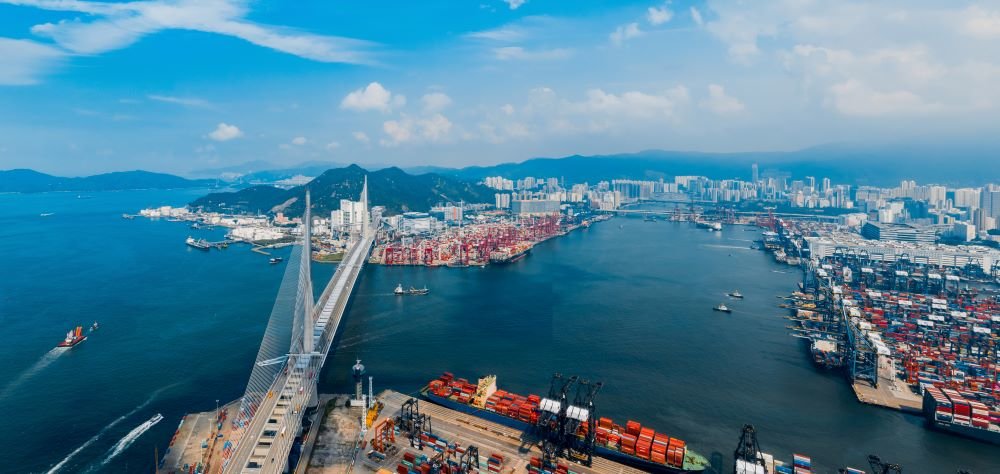
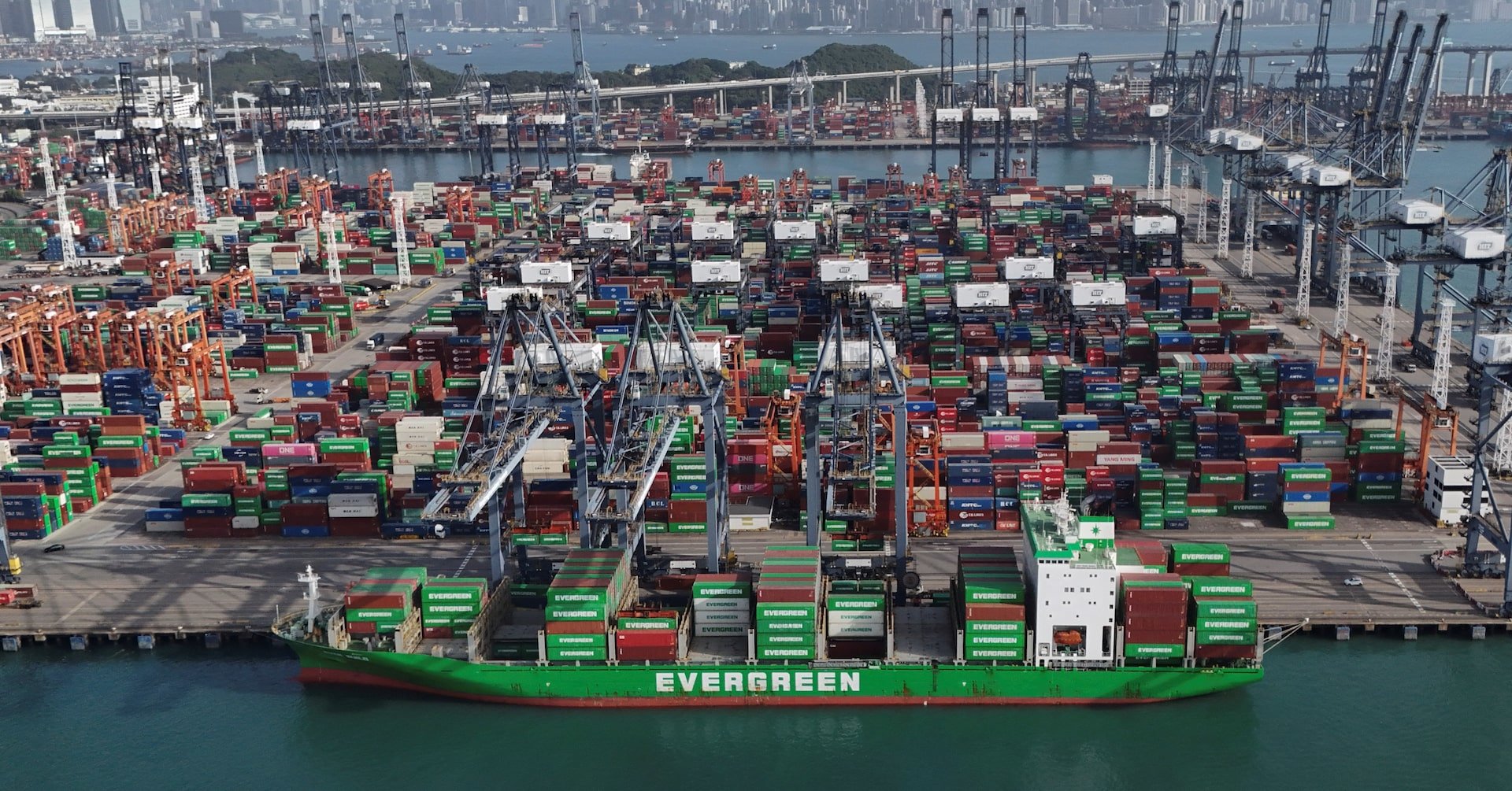
Hong Kong is already the world’s largest offshore renminbi, or yuan, centre, handling the bulk of cross-border settlement, bond issuance and liquidity outside mainland China.
Analysts say the forthcoming fiscal blueprint presents an opportunity to consolidate that position through tax incentives, market infrastructure upgrades and expanded trading channels.
Some economists argue that targeted budgetary support could deepen yuan-denominated bond markets, enhance derivatives products and attract more international investors seeking exposure to Chinese assets.
They contend that strengthening offshore clearing, expanding swap arrangements and encouraging yuan usage in trade settlement would align with broader efforts to promote currency diversification.
Others caution that fiscal policy must remain balanced, particularly given budgetary pressures following recent economic headwinds.
They emphasise that long-term success in promoting the yuan depends not only on local initiatives but also on regulatory clarity and capital market reforms on the mainland.
Financial sector representatives have suggested that incentives for asset managers and multinational corporations to conduct more transactions in yuan could reinforce Hong Kong’s intermediary role between global investors and mainland markets.
Proposals under discussion include support for green finance instruments denominated in yuan and further integration with mainland financial platforms.
Hong Kong authorities have consistently highlighted the city’s unique legal system, deep capital markets and convertible currency framework as advantages in facilitating renminbi internationalisation.
The budget debate reflects a broader strategic question: how far fiscal policy should go in shaping the next phase of the yuan’s global footprint.
The final budget measures are expected to signal the government’s priorities as Hong Kong navigates a shifting financial landscape and seeks to maintain its competitive edge in regional and global markets.
Hong Kong is already the world’s largest offshore renminbi, or yuan, centre, handling the bulk of cross-border settlement, bond issuance and liquidity outside mainland China.
Analysts say the forthcoming fiscal blueprint presents an opportunity to consolidate that position through tax incentives, market infrastructure upgrades and expanded trading channels.
Some economists argue that targeted budgetary support could deepen yuan-denominated bond markets, enhance derivatives products and attract more international investors seeking exposure to Chinese assets.
They contend that strengthening offshore clearing, expanding swap arrangements and encouraging yuan usage in trade settlement would align with broader efforts to promote currency diversification.
Others caution that fiscal policy must remain balanced, particularly given budgetary pressures following recent economic headwinds.
They emphasise that long-term success in promoting the yuan depends not only on local initiatives but also on regulatory clarity and capital market reforms on the mainland.
Financial sector representatives have suggested that incentives for asset managers and multinational corporations to conduct more transactions in yuan could reinforce Hong Kong’s intermediary role between global investors and mainland markets.
Proposals under discussion include support for green finance instruments denominated in yuan and further integration with mainland financial platforms.
Hong Kong authorities have consistently highlighted the city’s unique legal system, deep capital markets and convertible currency framework as advantages in facilitating renminbi internationalisation.
The budget debate reflects a broader strategic question: how far fiscal policy should go in shaping the next phase of the yuan’s global footprint.
The final budget measures are expected to signal the government’s priorities as Hong Kong navigates a shifting financial landscape and seeks to maintain its competitive edge in regional and global markets.