Institutions report growing appeal among students from emerging economies as city strengthens regional education ties
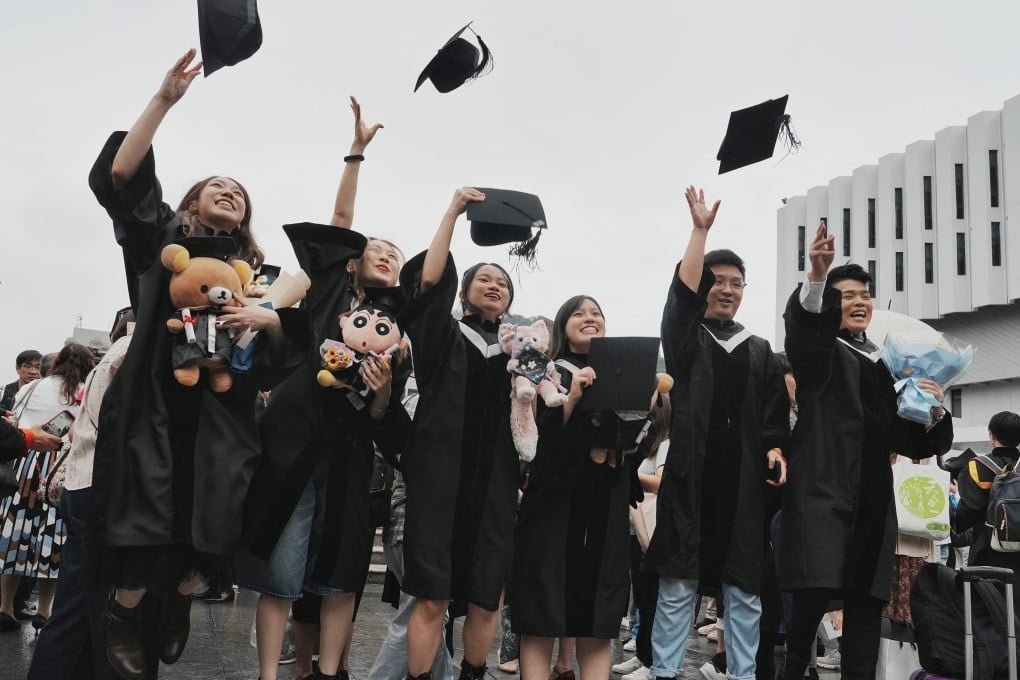
Hong Kong’s universities are reporting a steady increase in applications and enrolments from students originating in Belt and Road partner countries and members of the Association of Southeast Asian Nations, reflecting the city’s expanding educational links across Asia and beyond.
University administrators say interest has grown across a range of disciplines, including business, engineering, public policy and health sciences.
The trend is attributed to a combination of competitive global rankings, English-language instruction and proximity to mainland China, alongside scholarship schemes and government-supported outreach initiatives.
Education officials have in recent years emphasised Hong Kong’s role as an international higher-education hub, positioning the city as a bridge between China and the wider region.
Policy measures have included streamlined visa arrangements, expanded non-local student quotas and targeted recruitment drives in Southeast Asia and Belt and Road economies.
Institutions report that students from countries such as Indonesia, Malaysia, Thailand, Vietnam and Central Asian states are increasingly viewing Hong Kong as an alternative to traditional Western study destinations.
University representatives cite the city’s financial connectivity, research funding and partnerships with mainland institutions as factors enhancing its appeal.
Analysts note that geopolitical shifts and changes in global visa regimes have influenced international student flows, prompting some families to consider Asian education centres more seriously.
Hong Kong’s blend of common law traditions, global business presence and integration with the Greater Bay Area has been presented as offering both international exposure and access to mainland opportunities.
The inflow of students from Belt and Road and ASEAN countries is also seen as supporting longer-term diplomatic and economic ties, as graduates often maintain professional links with Hong Kong after returning home.
Universities have responded by expanding language support services, regional alumni networks and exchange programmes to strengthen engagement.
While competition among regional education hubs remains intense, university leaders say application figures suggest sustained momentum.
Authorities have indicated that further measures to attract international talent will be considered as part of broader efforts to enhance Hong Kong’s global competitiveness in education and research.
University administrators say interest has grown across a range of disciplines, including business, engineering, public policy and health sciences.
The trend is attributed to a combination of competitive global rankings, English-language instruction and proximity to mainland China, alongside scholarship schemes and government-supported outreach initiatives.
Education officials have in recent years emphasised Hong Kong’s role as an international higher-education hub, positioning the city as a bridge between China and the wider region.
Policy measures have included streamlined visa arrangements, expanded non-local student quotas and targeted recruitment drives in Southeast Asia and Belt and Road economies.
Institutions report that students from countries such as Indonesia, Malaysia, Thailand, Vietnam and Central Asian states are increasingly viewing Hong Kong as an alternative to traditional Western study destinations.
University representatives cite the city’s financial connectivity, research funding and partnerships with mainland institutions as factors enhancing its appeal.
Analysts note that geopolitical shifts and changes in global visa regimes have influenced international student flows, prompting some families to consider Asian education centres more seriously.
Hong Kong’s blend of common law traditions, global business presence and integration with the Greater Bay Area has been presented as offering both international exposure and access to mainland opportunities.
The inflow of students from Belt and Road and ASEAN countries is also seen as supporting longer-term diplomatic and economic ties, as graduates often maintain professional links with Hong Kong after returning home.
Universities have responded by expanding language support services, regional alumni networks and exchange programmes to strengthen engagement.
While competition among regional education hubs remains intense, university leaders say application figures suggest sustained momentum.
Authorities have indicated that further measures to attract international talent will be considered as part of broader efforts to enhance Hong Kong’s global competitiveness in education and research.