Supporters who followed the K-pop star’s hinted number picks see surge of interest after local draw results
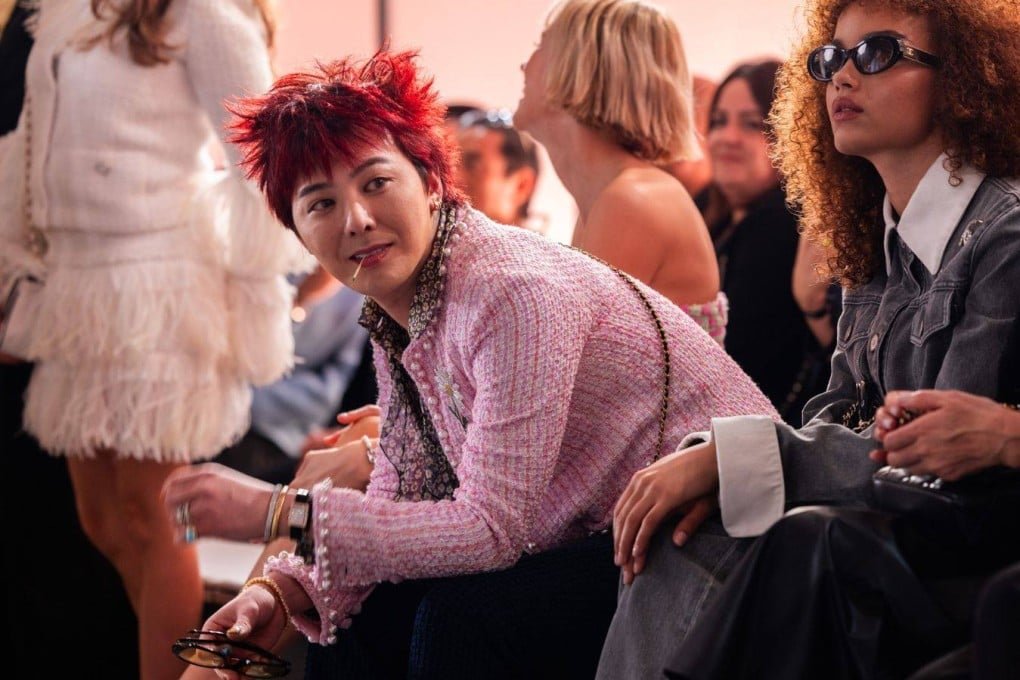
Hong Kong lottery outlets have reported a surge in ticket sales after fans of South Korean artist G-Dragon claimed that numbers associated with the K-pop star featured in a recent winning draw.
The excitement began when supporters circulated combinations said to be inspired by the performer’s publicly referenced “lucky” numbers, drawn from dates, symbolic figures and personal motifs long linked to his brand.
When several of those numbers appeared in a local lottery result, social media platforms in Hong Kong filled with celebratory posts from fans who had followed the suggestions.
Lottery retailers said the spike in interest was driven largely by younger customers, many of whom described their purchases as a light-hearted show of support rather than a serious betting strategy.
Some outlets reported temporary queues as word of the draw spread online.
Financial analysts note that celebrity-linked betting trends are not new in Hong Kong, where popular culture often intersects with gaming habits.
Experts caution that lottery outcomes remain entirely random and that any perceived pattern is coincidental.
Fan communities, however, described the episode as an entertaining moment of collective optimism.
Several supporters said they had chosen the numbers as a tribute to the artist rather than in expectation of a windfall.
While no official endorsement of lottery participation was made by G-Dragon, the episode underscores the powerful influence of K-pop figures across Asian markets.
From fashion to finance-related fads, celebrity impact continues to shape consumer behaviour in unexpected ways.
Authorities reiterated that lottery participation should remain responsible and within personal means, even as the latest draw demonstrated how quickly digital fan culture can translate into real-world activity.
The excitement began when supporters circulated combinations said to be inspired by the performer’s publicly referenced “lucky” numbers, drawn from dates, symbolic figures and personal motifs long linked to his brand.
When several of those numbers appeared in a local lottery result, social media platforms in Hong Kong filled with celebratory posts from fans who had followed the suggestions.
Lottery retailers said the spike in interest was driven largely by younger customers, many of whom described their purchases as a light-hearted show of support rather than a serious betting strategy.
Some outlets reported temporary queues as word of the draw spread online.
Financial analysts note that celebrity-linked betting trends are not new in Hong Kong, where popular culture often intersects with gaming habits.
Experts caution that lottery outcomes remain entirely random and that any perceived pattern is coincidental.
Fan communities, however, described the episode as an entertaining moment of collective optimism.
Several supporters said they had chosen the numbers as a tribute to the artist rather than in expectation of a windfall.
While no official endorsement of lottery participation was made by G-Dragon, the episode underscores the powerful influence of K-pop figures across Asian markets.
From fashion to finance-related fads, celebrity impact continues to shape consumer behaviour in unexpected ways.
Authorities reiterated that lottery participation should remain responsible and within personal means, even as the latest draw demonstrated how quickly digital fan culture can translate into real-world activity.