Defender says decision to change nationality reflects long-term commitment to Hong Kong football
Hong Kong footballer Jay Haddow has spoken publicly about coming to terms with the personal cost of renouncing his Japanese passport in order to represent Hong Kong at the international level.
Haddow, a defender who has featured prominently in the Hong Kong Premier League, explained that the decision was not taken lightly.
Japan does not generally recognise dual nationality for adults, and his commitment to play for Hong Kong required a formal change in citizenship status.
The move enables Haddow to compete in official tournaments under Hong Kong’s flag, strengthening the squad’s defensive options as the team looks to build momentum in regional competitions.
He described the process as both emotional and pragmatic, balancing professional ambition with personal identity.
Born with ties to both Japan and Hong Kong, Haddow said he ultimately chose the path that offered clearer opportunities for international football and long-term development.
He acknowledged that surrendering a Japanese passport carried symbolic weight but said he felt at peace with the decision after careful consideration.
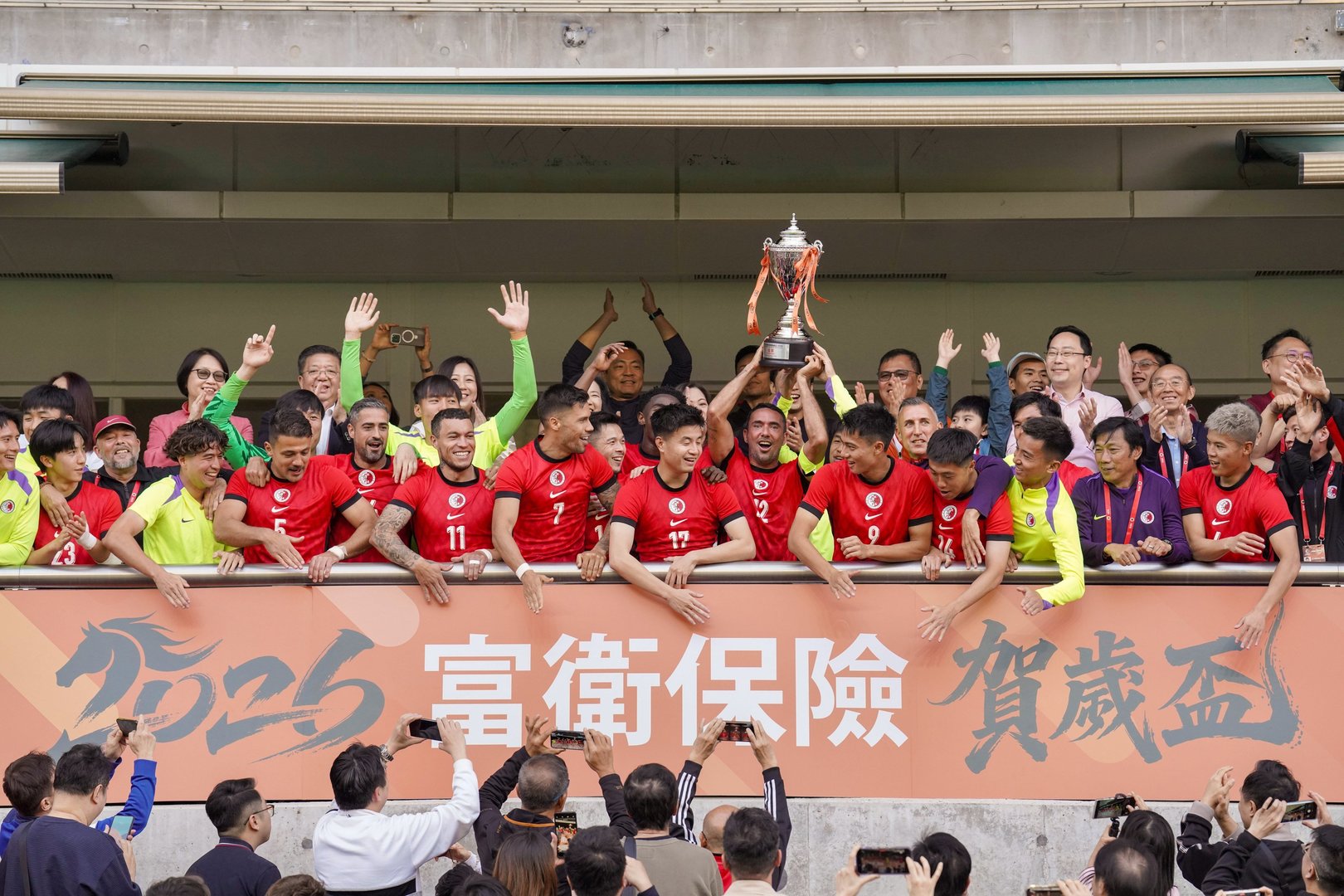
Hong Kong football authorities have welcomed his commitment, viewing it as part of a broader effort to nurture a competitive national side.
In recent years, the team has sought to blend homegrown talent with players who have international backgrounds but strong local connections.
The defender indicated that he remains grateful for his Japanese heritage while embracing his future with Hong Kong.
As the team prepares for upcoming fixtures, Haddow’s decision underscores the complex personal choices athletes sometimes face in navigating eligibility rules and international careers.
Haddow, a defender who has featured prominently in the Hong Kong Premier League, explained that the decision was not taken lightly.
Japan does not generally recognise dual nationality for adults, and his commitment to play for Hong Kong required a formal change in citizenship status.
The move enables Haddow to compete in official tournaments under Hong Kong’s flag, strengthening the squad’s defensive options as the team looks to build momentum in regional competitions.
He described the process as both emotional and pragmatic, balancing professional ambition with personal identity.
Born with ties to both Japan and Hong Kong, Haddow said he ultimately chose the path that offered clearer opportunities for international football and long-term development.
He acknowledged that surrendering a Japanese passport carried symbolic weight but said he felt at peace with the decision after careful consideration.
Hong Kong football authorities have welcomed his commitment, viewing it as part of a broader effort to nurture a competitive national side.
In recent years, the team has sought to blend homegrown talent with players who have international backgrounds but strong local connections.
The defender indicated that he remains grateful for his Japanese heritage while embracing his future with Hong Kong.
As the team prepares for upcoming fixtures, Haddow’s decision underscores the complex personal choices athletes sometimes face in navigating eligibility rules and international careers.