Investors rally on ruling that curbs trade levies, lifting technology and export-driven stocks in Asian markets
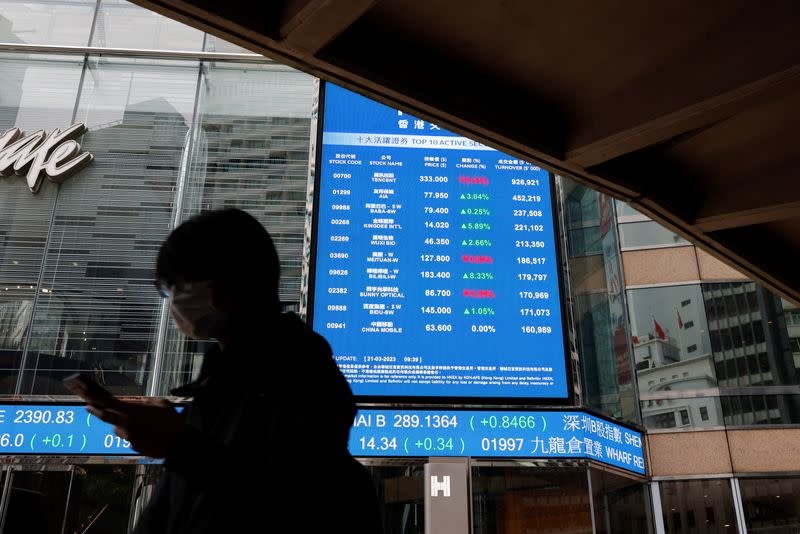
Chinese companies listed in Hong Kong rallied sharply after a United States court moved to strike down a set of tariffs that had weighed on trade flows and investor sentiment.
The ruling, which challenged the legal basis for certain duties imposed during an earlier phase of U.S.–China trade tensions, was interpreted by markets as a potential easing of pressure on exporters and technology suppliers.
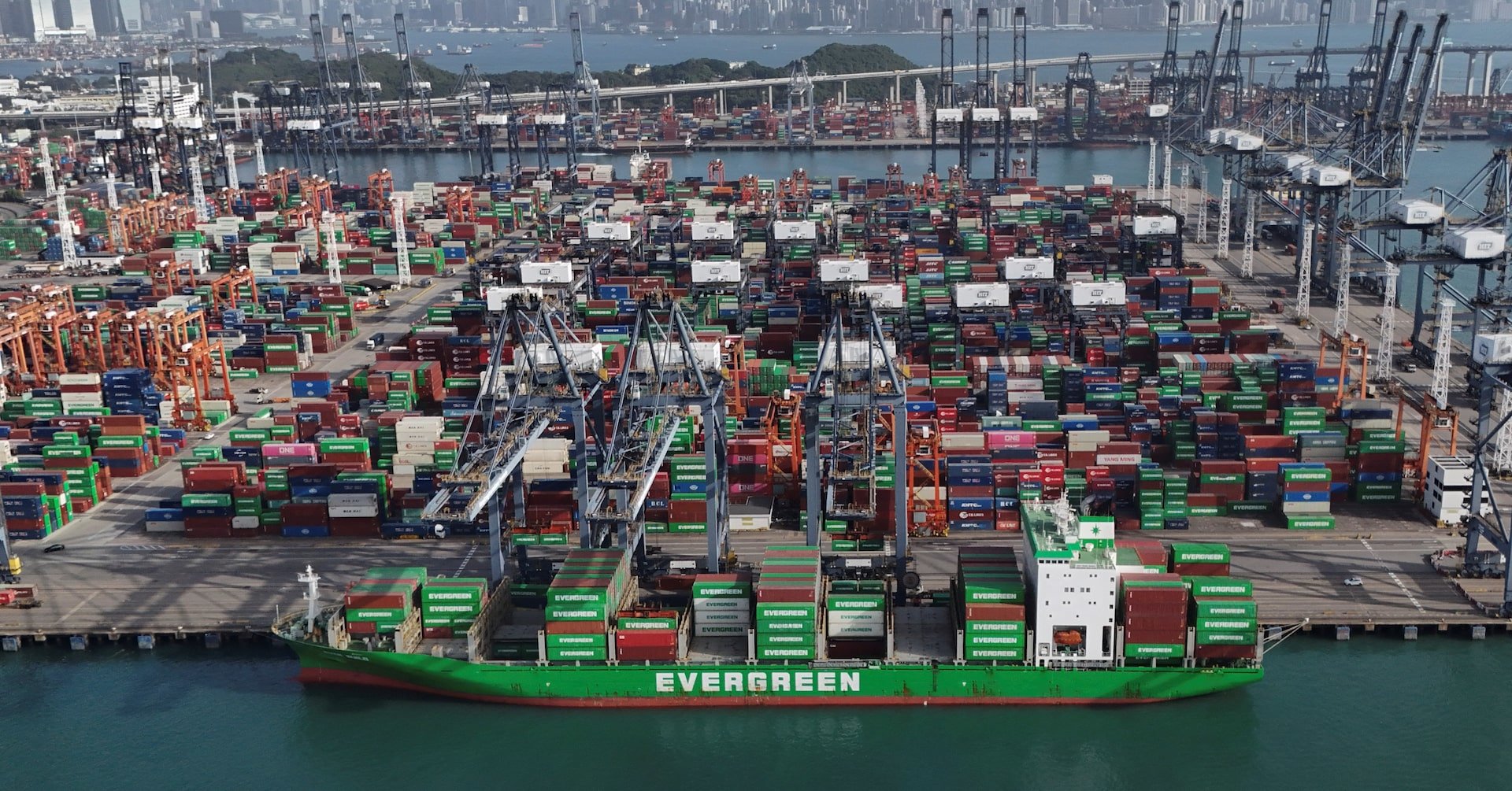
Shares in sectors most exposed to cross-border commerce, including consumer electronics, industrial manufacturing and e-commerce, posted notable gains in early trading.
Market participants said the decision injected fresh optimism into a market that has been sensitive to shifts in trade policy and regulatory signals from both Washington and Beijing.
Hong Kong’s benchmark indices rose in tandem, with mainland-focused counters leading advances.
Analysts cautioned that while the court’s decision could open the door to reduced tariff burdens, further legal and political steps may be required before any concrete policy changes take effect.
Trade measures have historically been subject to appeals and executive review, and officials in Washington have not immediately outlined next steps.
Investors nevertheless viewed the development as a sign that long-standing trade frictions could soften, particularly as global supply chains remain under strain from geopolitical uncertainty and shifting economic conditions.
Companies reliant on U.S. consumer demand have faced higher input costs and compressed margins under tariff regimes introduced in previous years.
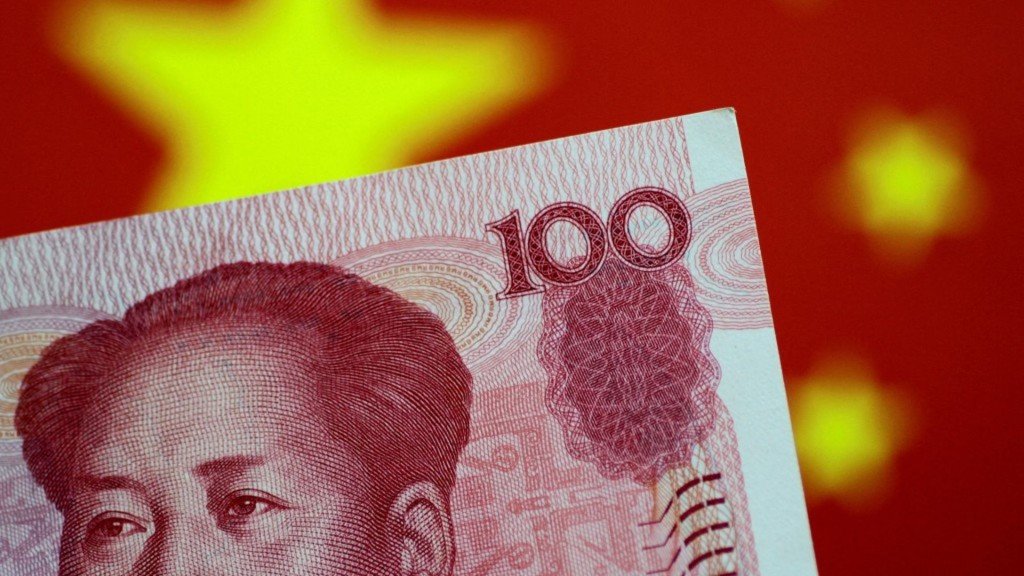
Currency markets reflected the improved risk appetite, with the offshore renminbi firming modestly against the dollar during Asian trading hours.
Broader regional indices also edged higher as traders recalibrated expectations for bilateral trade relations.
While uncertainties remain around the durability of the ruling and the broader trajectory of U.S.–China economic ties, the immediate market reaction underscored the continued sensitivity of Hong Kong-listed Chinese equities to legal and policy developments in the United States.
The ruling, which challenged the legal basis for certain duties imposed during an earlier phase of U.S.–China trade tensions, was interpreted by markets as a potential easing of pressure on exporters and technology suppliers.
Shares in sectors most exposed to cross-border commerce, including consumer electronics, industrial manufacturing and e-commerce, posted notable gains in early trading.
Market participants said the decision injected fresh optimism into a market that has been sensitive to shifts in trade policy and regulatory signals from both Washington and Beijing.
Hong Kong’s benchmark indices rose in tandem, with mainland-focused counters leading advances.
Analysts cautioned that while the court’s decision could open the door to reduced tariff burdens, further legal and political steps may be required before any concrete policy changes take effect.
Trade measures have historically been subject to appeals and executive review, and officials in Washington have not immediately outlined next steps.
Investors nevertheless viewed the development as a sign that long-standing trade frictions could soften, particularly as global supply chains remain under strain from geopolitical uncertainty and shifting economic conditions.
Companies reliant on U.S. consumer demand have faced higher input costs and compressed margins under tariff regimes introduced in previous years.
Currency markets reflected the improved risk appetite, with the offshore renminbi firming modestly against the dollar during Asian trading hours.
Broader regional indices also edged higher as traders recalibrated expectations for bilateral trade relations.
While uncertainties remain around the durability of the ruling and the broader trajectory of U.S.–China economic ties, the immediate market reaction underscored the continued sensitivity of Hong Kong-listed Chinese equities to legal and policy developments in the United States.