Market-making giant strengthens Asian trading operations amid intensifying regional competition
Citadel Securities has made another significant hire in Hong Kong, reinforcing its equities business in a region that remains central to global capital markets despite shifting geopolitical currents.

The firm, one of the world’s largest market makers, has recruited a senior equities specialist to bolster its presence in Asian cash equities and related products, according to people familiar with the move.

The appointment reflects Citadel Securities’ continued investment in Hong Kong as a strategic trading hub for mainland Chinese listings and international capital flows.

Hong Kong remains a key venue for initial public offerings, secondary listings and cross-border trading through Stock Connect programs linking the city with mainland exchanges.

As liquidity conditions fluctuate and regulatory environments evolve, global trading firms have been recalibrating their staffing and technology strategies to capture market share in the region.

Citadel Securities has steadily expanded its Asia-Pacific footprint in recent years, hiring experienced traders and technologists to deepen coverage across equities and derivatives.

The latest addition is seen as part of a broader effort to enhance execution capabilities and strengthen relationships with institutional clients operating across time zones.

Industry analysts note that competition among global market makers in Hong Kong has intensified as firms seek to capitalize on increased volatility and growing participation from mainland investors.

Strategic hires are viewed as critical to maintaining speed, pricing accuracy and risk management in a fast-moving electronic trading landscape.

The recruitment underscores Hong Kong’s continued relevance as a financial gateway between China and international markets, even as firms weigh regulatory considerations and geopolitical dynamics in shaping long-term expansion plans.

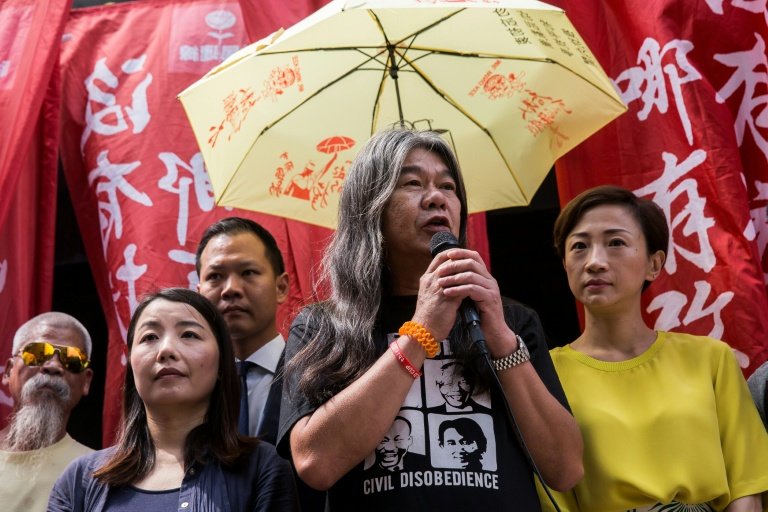
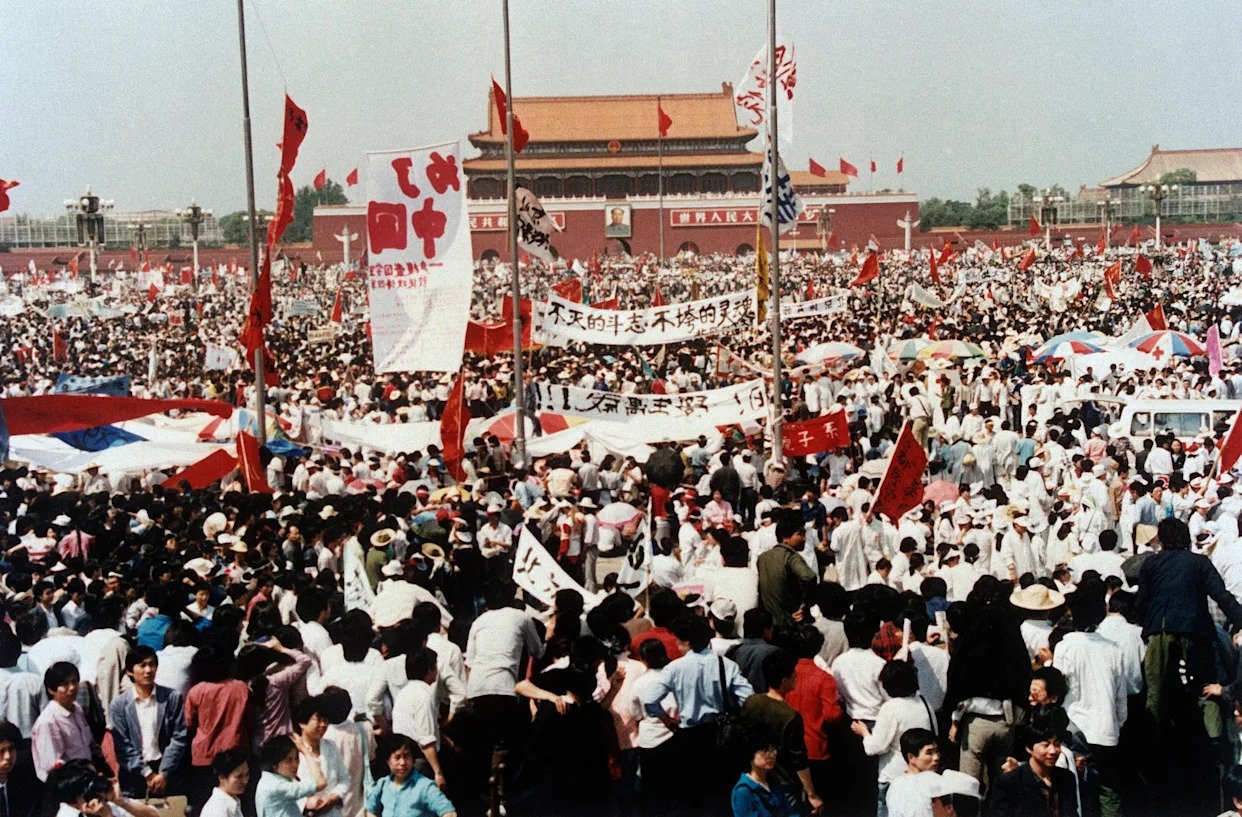
Judges uphold earlier convictions and sentences against pro-democracy figures accused of subversion under Beijing-imposed security law
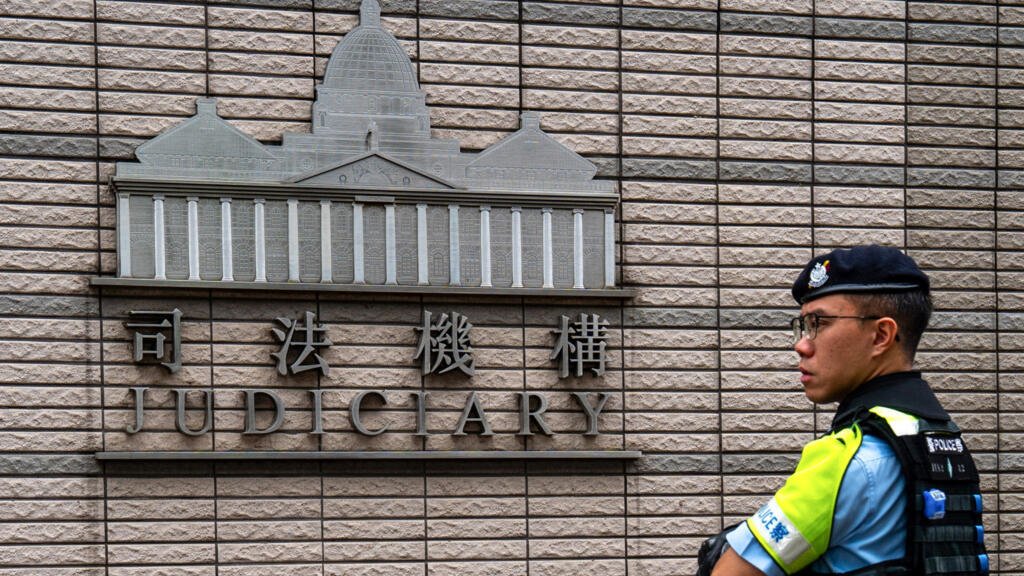
A Hong Kong court has rejected appeals lodged by defendants in the high-profile “Hong Kong 47” national security case, upholding earlier convictions tied to an unofficial primary election held by pro-democracy activists.

The ruling affirms decisions made under the sweeping national security law introduced in 2020, which criminalizes acts deemed to constitute secession, subversion, terrorism or collusion with foreign forces.

Prosecutors had argued that organizing and participating in the primary vote amounted to a coordinated plan to paralyze the government by securing a legislative majority and blocking key budgets.

The defendants — a group of politicians, activists and campaigners — were among dozens arrested in early 2021 in one of the most extensive crackdowns since the law’s enactment.

Several pleaded guilty, while others contested the charges.

The appeals sought to overturn convictions or reduce sentences, challenging the interpretation of subversion and the scope of lawful political activity.

In its decision, the court held that the original findings were consistent with the statutory framework and that the conduct in question met the legal threshold for subversion under Hong Kong law.

Judges said the appeals did not demonstrate sufficient grounds to disturb the lower court’s conclusions.

The case has drawn sustained international attention, with foreign governments and human rights groups expressing concern over the breadth of the national security legislation and its impact on political freedoms.

Hong Kong and Beijing authorities have consistently defended the law as necessary to restore stability following months of unrest in 2019, arguing that it targets only acts threatening national security while safeguarding ordinary rights and freedoms.

Legal analysts note that the appeals ruling further consolidates the post-2020 legal landscape in Hong Kong, where courts have played a central role in defining the reach of the security statute.

The decision marks another milestone in a case widely regarded as a defining test of the territory’s judicial and political evolution under the current framework.
Move follows confirmation of highly pathogenic avian influenza cases in affected regions
Hong Kong has imposed temporary bans on poultry imports from specific areas of Japan and Denmark following reports of highly pathogenic avian influenza outbreaks in those regions.

The city’s food safety authorities announced that the restrictions were introduced after notifications from international veterinary bodies confirmed cases of bird flu in designated prefectures and municipalities.

The suspension covers the import of poultry meat and products, including eggs, from the affected zones.

Officials said the measures were taken in accordance with established risk assessment protocols aimed at safeguarding public health and maintaining biosecurity.

Hong Kong regularly monitors reports from overseas agricultural and animal health authorities and adjusts its import controls in response to confirmed outbreaks.

The bans apply only to the specific regions where infections have been detected, rather than to entire countries.

Authorities said they would maintain close contact with Japanese and Danish counterparts and review the situation as additional information becomes available.

Hong Kong relies heavily on imported food supplies, and its regulatory framework includes swift trade adjustments when animal disease outbreaks are reported abroad.

Previous avian influenza incidents have prompted similar precautionary measures targeting limited geographic areas.

Local officials emphasised that there is currently no evidence of affected products entering the Hong Kong market and that existing inspection and quarantine procedures remain in place.

They reiterated that properly handled and thoroughly cooked poultry products are safe for consumption.

The import suspensions will remain in effect until authorities are satisfied that the outbreaks have been effectively contained and that the risk of transmission has been mitigated.
Institutions report growing appeal among students from emerging economies as city strengthens regional education ties
Hong Kong’s universities are reporting a steady increase in applications and enrolments from students originating in Belt and Road partner countries and members of the Association of Southeast Asian Nations, reflecting the city’s expanding educational links across Asia and beyond.

University administrators say interest has grown across a range of disciplines, including business, engineering, public policy and health sciences.

The trend is attributed to a combination of competitive global rankings, English-language instruction and proximity to mainland China, alongside scholarship schemes and government-supported outreach initiatives.

Education officials have in recent years emphasised Hong Kong’s role as an international higher-education hub, positioning the city as a bridge between China and the wider region.

Policy measures have included streamlined visa arrangements, expanded non-local student quotas and targeted recruitment drives in Southeast Asia and Belt and Road economies.

Institutions report that students from countries such as Indonesia, Malaysia, Thailand, Vietnam and Central Asian states are increasingly viewing Hong Kong as an alternative to traditional Western study destinations.

University representatives cite the city’s financial connectivity, research funding and partnerships with mainland institutions as factors enhancing its appeal.

Analysts note that geopolitical shifts and changes in global visa regimes have influenced international student flows, prompting some families to consider Asian education centres more seriously.

Hong Kong’s blend of common law traditions, global business presence and integration with the Greater Bay Area has been presented as offering both international exposure and access to mainland opportunities.

The inflow of students from Belt and Road and ASEAN countries is also seen as supporting longer-term diplomatic and economic ties, as graduates often maintain professional links with Hong Kong after returning home.

Universities have responded by expanding language support services, regional alumni networks and exchange programmes to strengthen engagement.

While competition among regional education hubs remains intense, university leaders say application figures suggest sustained momentum.

Authorities have indicated that further measures to attract international talent will be considered as part of broader efforts to enhance Hong Kong’s global competitiveness in education and research.
Authorities approve longer test runs as city accelerates push to develop smart mobility ecosystem
Hong Kong has moved to broaden its autonomous vehicle testing programme, authorising longer routes and expanded road access in a step designed to accelerate the development of self-driving technology in the city.

Transport authorities confirmed that approved operators will be permitted to conduct trials over extended distances, beyond previously restricted short-loop or confined test areas.

The change allows autonomous vehicles to operate across more complex urban environments, including sections with heavier traffic and varied road conditions.

Officials said the expansion follows earlier pilot schemes that demonstrated stable performance under controlled circumstances.

The updated framework introduces additional safeguards, including real-time monitoring requirements, trained safety operators and defined operational hours, while enabling more ambitious route planning.

The decision forms part of a broader policy effort to position Hong Kong as a hub for smart mobility and advanced transport technologies.

Authorities have in recent years revised regulatory provisions to accommodate emerging vehicle technologies, including the introduction of specific licensing arrangements for autonomous trials.

Industry participants have indicated that longer routes will allow for more comprehensive data collection, particularly in areas such as navigation reliability, interaction with pedestrians and traffic systems, and performance under varied weather conditions.

Analysts say such data is critical for eventual commercial deployment.

The expanded testing comes as cities across Asia intensify investment in intelligent transport systems, seeking to improve road safety, reduce congestion and support environmental objectives.

Hong Kong’s dense urban landscape presents both a challenge and an opportunity for developers, offering complex real-world conditions in a compact geographic area.

Authorities have not yet announced a timeline for full-scale public deployment, emphasising that safety and regulatory compliance remain paramount.

However, officials signalled that incremental expansion of testing zones will continue if performance benchmarks are met.

The move reflects growing confidence among policymakers that autonomous vehicle technology is ready for more advanced urban trials, marking a significant step in the city’s evolving transport strategy.
Award of management deal for waterfront venue draws attention amid ongoing debate over cross-border business ties
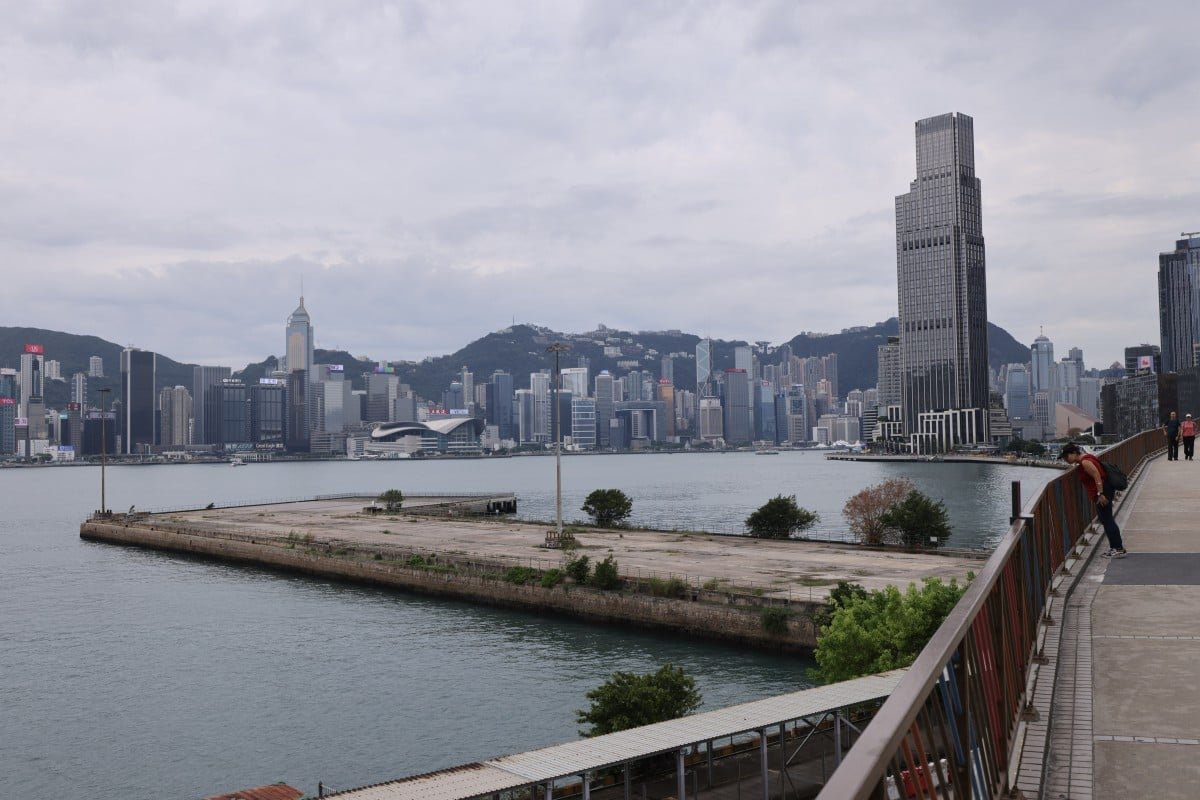
A company with links to mainland China has been awarded a contract to operate a high-profile harbourfront site in Hong Kong, marking a significant development in the management of one of the city’s most visible public spaces.

Authorities confirmed that the firm emerged as the successful bidder following a tender process for the operation and programming of the waterfront venue.

The space, situated along Victoria Harbour, is widely used for public events, leisure activities and cultural programming, making its management a matter of both commercial and civic interest.

Officials said the selection was based on established procurement criteria, including financial viability, operational experience and proposed programming.

The operator will be responsible for day-to-day management, maintenance and the organization of events, under terms set out in the agreement.

The decision has drawn scrutiny from some local observers, who note the company’s mainland affiliations at a time when Hong Kong’s economic and political integration with the mainland continues to evolve.

Supporters of the arrangement argue that cross-border investment and expertise are consistent with Hong Kong’s role as an international city with strong mainland connections.

The harbourfront has been a focal point of urban development efforts in recent years, with authorities emphasizing its importance as a shared public asset and tourism draw.

Management contracts for such spaces are typically structured to balance commercial sustainability with public accessibility.

Government representatives reiterated that the tender process adhered to established guidelines and that the operator is expected to maintain open access and deliver diverse programming for residents and visitors.

The firm has not publicly detailed its plans but is expected to outline a schedule of events and improvements in the coming months.

The award underscores the continued involvement of mainland-linked enterprises in Hong Kong’s infrastructure and cultural landscape, reflecting broader economic ties between the city and the mainland.
Trade-sensitive and technology stocks lead gains as investors respond to ruling that challenges Washington’s levy framework
Hong Kong equities climbed sharply, with benchmark indices rising about 2.5%, after a United States court moved to invalidate a series of tariffs that had weighed on Chinese exports and regional investor sentiment.

The ruling, which questioned the legal authority underpinning certain trade levies imposed during earlier phases of U.S.–China tensions, was interpreted by markets as a potential easing of pressure on companies exposed to cross-border commerce.

Technology, consumer electronics and export-oriented industrial stocks led the advance in early trading.

Investors reacted swiftly to the prospect that reduced tariff burdens could support corporate margins and revive trade flows at a time when global supply chains remain sensitive to geopolitical risk.

Market strategists said the decision offered a near-term catalyst for equities that have been volatile amid shifting policy signals from Washington and Beijing.

Analysts cautioned that the legal process may not be окончate, noting that appeals or administrative responses could follow before any material change in tariff policy takes effect.

Even so, the judgment was seen as a positive signal for sectors directly affected by higher import duties over recent years.

Currency markets also reflected improved risk appetite, with the offshore renminbi strengthening modestly during Asian trading hours.

Broader regional indices moved higher alongside Hong Kong, as traders recalibrated expectations for bilateral economic relations.

While uncertainty persists around the longer-term trajectory of trade policy, the market’s reaction underscored the sensitivity of Hong Kong-listed Chinese shares to developments in U.S. courts and the continuing centrality of legal and regulatory decisions to global capital flows.
Authorities intercept large consignment in latest crackdown on cross-border tobacco smuggling
Hong Kong police have seized approximately 2.2 million suspected illicit cigarettes in a major anti-smuggling operation, underscoring ongoing efforts to combat the territory’s black-market tobacco trade.

According to authorities, officers intercepted the consignment during a targeted enforcement action aimed at disrupting organized smuggling networks.

The cigarettes, believed to have been imported without declaration or payment of duty, were discovered concealed within a cargo shipment.

Investigators are examining the origin and intended distribution channels of the goods.

Police estimated that the seizure represents a significant amount of unpaid tobacco duty and market value, though final calculations remain subject to verification.

Several individuals were detained for questioning in connection with the operation, and inquiries are continuing to determine whether the shipment is linked to broader cross-border trafficking syndicates.

Hong Kong maintains comparatively high tobacco duties as part of its public health strategy, a policy that has historically made the city a target for illicit cigarette imports.

Law enforcement agencies have intensified intelligence-led operations in recent years, focusing on cargo inspections, supply-chain monitoring and collaboration with customs authorities.

Officials reiterated that smuggling undermines public revenue and public health objectives, as illicit tobacco products are often sold at lower prices and may not meet regulatory standards.

Authorities said further arrests could follow as the investigation develops.

The seizure forms part of a broader campaign to deter illegal trade activity and reinforce compliance with customs and excise regulations across one of the world’s busiest trading hubs.
Investors rally on ruling that curbs trade levies, lifting technology and export-driven stocks in Asian markets
Chinese companies listed in Hong Kong rallied sharply after a United States court moved to strike down a set of tariffs that had weighed on trade flows and investor sentiment.

The ruling, which challenged the legal basis for certain duties imposed during an earlier phase of U.S.–China trade tensions, was interpreted by markets as a potential easing of pressure on exporters and technology suppliers.

Shares in sectors most exposed to cross-border commerce, including consumer electronics, industrial manufacturing and e-commerce, posted notable gains in early trading.

Market participants said the decision injected fresh optimism into a market that has been sensitive to shifts in trade policy and regulatory signals from both Washington and Beijing.

Hong Kong’s benchmark indices rose in tandem, with mainland-focused counters leading advances.

Analysts cautioned that while the court’s decision could open the door to reduced tariff burdens, further legal and political steps may be required before any concrete policy changes take effect.

Trade measures have historically been subject to appeals and executive review, and officials in Washington have not immediately outlined next steps.

Investors nevertheless viewed the development as a sign that long-standing trade frictions could soften, particularly as global supply chains remain under strain from geopolitical uncertainty and shifting economic conditions.

Companies reliant on U.S. consumer demand have faced higher input costs and compressed margins under tariff regimes introduced in previous years.

Currency markets reflected the improved risk appetite, with the offshore renminbi firming modestly against the dollar during Asian trading hours.

Broader regional indices also edged higher as traders recalibrated expectations for bilateral trade relations.

While uncertainties remain around the durability of the ruling and the broader trajectory of U.S.–China economic ties, the immediate market reaction underscored the continued sensitivity of Hong Kong-listed Chinese equities to legal and policy developments in the United States.
Diplomatic tensions over canceled entry permits cast uncertainty over strategic digital link between South America and Asia
The revocation of visas for key personnel has strained a planned subsea cable project intended to connect Chile directly with Hong Kong, raising fresh uncertainty over one of the most strategically significant digital infrastructure ventures linking South America and Asia.

Officials and industry representatives involved in the initiative said the canceled visas have complicated coordination and technical planning for the trans-Pacific cable, which is designed to strengthen data connectivity, reduce latency and expand commercial and research links between the two regions.

The project has been viewed as a milestone in Chile’s ambition to position itself as a digital gateway between Latin America and Asia.

The dispute centers on entry permissions for engineers and project staff whose presence is considered essential for site assessments, regulatory consultations and installation planning.

Without in-country access, progress on environmental studies, permitting and construction timelines could face delays.

The cable, first proposed several years ago, is expected to span thousands of kilometers across the Pacific Ocean, providing a direct data route that bypasses traditional North American hubs.

Supporters argue that such diversification enhances network resilience and strengthens economic integration in sectors ranging from finance and e-commerce to scientific collaboration.

Chile has pursued multiple digital infrastructure partnerships as part of a broader strategy to expand international connectivity and attract technology investment.

Hong Kong-based stakeholders have similarly highlighted the commercial advantages of closer links with Latin American markets.

Diplomatic observers note that visa disputes can carry broader geopolitical implications, particularly when projects involve sensitive communications infrastructure.

Governments globally have tightened scrutiny of cross-border technology ventures, citing national security and data protection considerations.

Despite the setback, individuals familiar with the discussions indicated that dialogue remains ongoing to resolve the issue and keep the cable project on track.

The outcome may determine not only the timeline of the connection but also the future trajectory of digital cooperation between Chile and Hong Kong.
Cross-border car initiative fuels sharp rise in self-drive trips, raising hopes of a new phase in regional tourism integration
A new southbound travel scheme allowing motorists from Guangdong province to drive directly into Hong Kong has triggered a sharp increase in cross-border trips, prompting officials and industry leaders to speak of a potential transformation in regional tourism patterns.

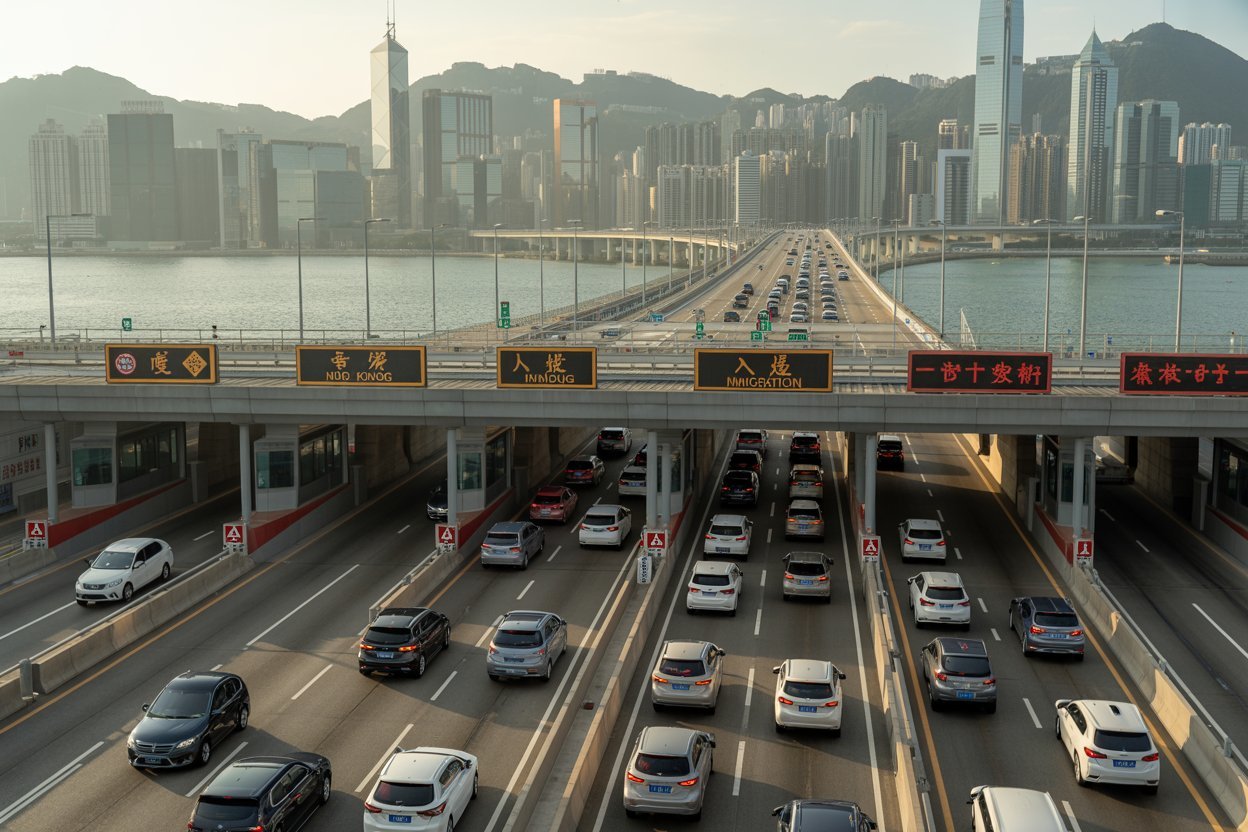
Under the expanded arrangement, eligible private vehicle owners from designated Guangdong cities can apply for permits to enter Hong Kong via the Hong Kong-Zhuhai-Macao Bridge and other approved crossings.

Authorities say applications and vehicle quotas have been filling rapidly since the scheme’s rollout, with weekend and holiday periods seeing particularly strong demand.

Tourism operators report that self-drive visitors are contributing to higher spending on accommodation, dining and retail, especially in districts outside traditional tourist zones.

Hotel groups have noted an uptick in short-stay bookings from families travelling by car, while shopping centres in the New Territories and outlying areas have recorded increased footfall.

Officials describe the programme as part of broader efforts to deepen integration within the Greater Bay Area, linking Hong Kong more closely with neighbouring mainland cities through transport and economic initiatives.

By lowering logistical barriers for private vehicle travel, policymakers aim to encourage more flexible and spontaneous trips.

Transport authorities have emphasised that traffic management and safety measures remain in place, including daily vehicle caps and compliance checks.

Infrastructure at key border crossings has been adjusted to accommodate the higher volume of private cars.

Economists suggest that while the immediate boost is encouraging, the long-term impact will depend on sustained visitor confidence and the capacity of local businesses to cater to changing travel habits.

Nevertheless, the visible influx of Guangdong-plated vehicles in recent weeks has reinforced expectations that self-drive tourism could become a lasting feature of cross-border mobility.

As the scheme gains traction, stakeholders across retail, hospitality and transport sectors are assessing how best to capture demand from a new segment of mainland travellers, potentially marking the beginning of a more integrated and dynamic cross-border tourism landscape.
Retailers report renewed momentum as influx of mainland Chinese tourists boosts luxury spending
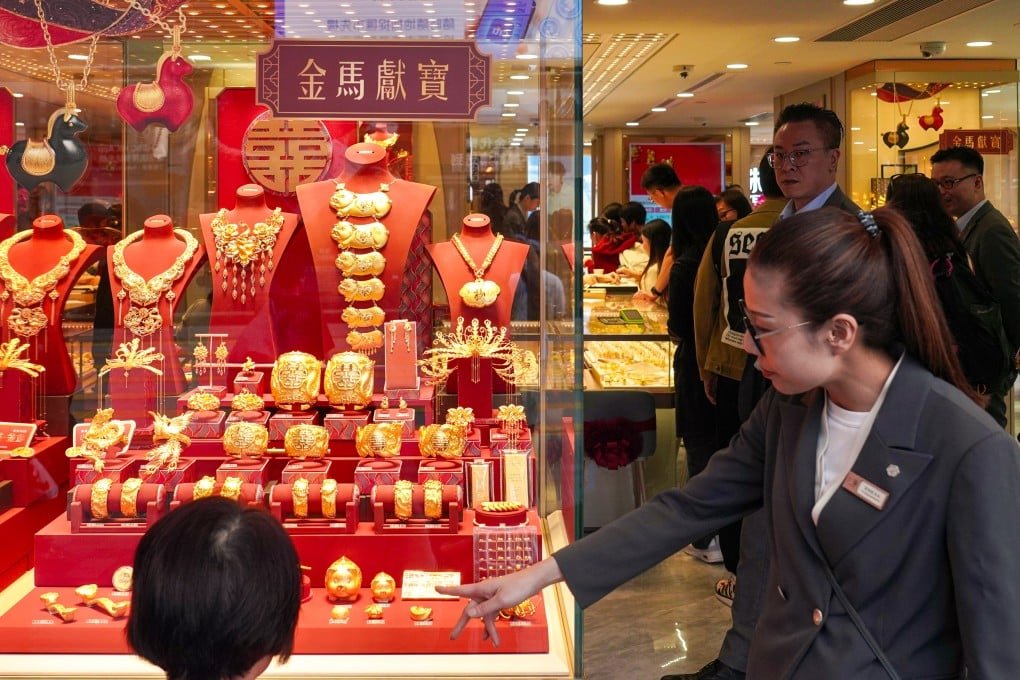
Jewellery retailers in Hong Kong are reporting a marked rebound in sales following a 13 per cent rise in visitor arrivals from mainland China, offering fresh momentum to a sector closely tied to tourism flows.

Industry figures indicate that the increase in mainland travellers has translated into stronger foot traffic in prime shopping districts, with gold, diamond and branded luxury pieces among the most sought-after items.

Retail groups say higher-value purchases have become more frequent, particularly during peak holiday periods and promotional campaigns.

The recovery reflects improving cross-border mobility and a steady revival in consumer confidence among mainland visitors.

Analysts note that jewellery purchases are often associated with gifting, weddings and investment demand, making the category especially sensitive to tourism trends and currency dynamics.

Retail associations have highlighted that sales growth has been most visible in areas traditionally popular with visitors, including Tsim Sha Tsui and Causeway Bay.

Some operators have adjusted inventory strategies to cater to mainland preferences, focusing on contemporary designs and investment-grade gold products.

While overall retail performance in Hong Kong remains uneven across categories, jewellery has emerged as a standout performer in recent months.

Market observers attribute this to pent-up demand following years of travel disruption, as well as Hong Kong’s reputation for product authenticity and competitive pricing.

Economists caution that sustaining the rebound will depend on broader economic conditions and exchange rate movements, but they acknowledge that the latest visitor figures provide an encouraging signal for the city’s retail and tourism sectors.

For jewellery merchants, the uptick in mainland arrivals has restored a measure of optimism, reinforcing the city’s traditional role as a regional shopping hub and underlining the close link between cross-border travel and high-end retail performance.
Billionaire brothers consolidate leadership roles within Henderson Land empire following the legacy of one of Hong Kong’s most influential developers
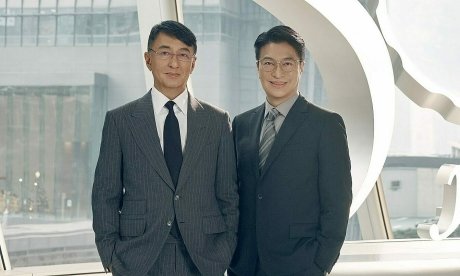
Peter Lee and Martin Lee, sons of the late property magnate Lee Shau-kee, are increasingly shaping the future of one of Hong Kong’s largest real estate empires as they carry forward the legacy of their father, once the city’s second richest man.

Lee Shau-kee, founder of Henderson Land Development, built a vast portfolio spanning residential towers, commercial complexes, hotels and infrastructure investments across Hong Kong and mainland China.

Over decades, he became one of Asia’s most prominent business figures, known for his disciplined land acquisitions and long-term development strategy.

Following leadership transitions within the conglomerate, Peter Lee and Martin Lee have taken on more prominent executive responsibilities.

The brothers are deeply involved in overseeing property development, asset management and strategic expansion, while also navigating a more complex market environment marked by higher interest rates and shifting demand patterns.

Henderson Land remains a cornerstone of Hong Kong’s property sector, with projects that define parts of the city’s skyline.

In recent years, the company has also pursued mixed-use developments, urban regeneration projects and investments in technology-linked infrastructure, reflecting broader shifts in the region’s economic landscape.

Peter Lee, who has long been active in operational leadership, is associated with managing major commercial and residential portfolios, while Martin Lee has played a key role in strategic planning and corporate governance.

Together, they represent a generational transition within a family-controlled enterprise that remains influential in both local and cross-border markets.

Beyond property, the Lee family’s business interests extend into energy, hospitality and investment holdings.

The brothers have signalled continuity in maintaining a conservative financial approach while adapting to evolving regulatory and market conditions.

Their stewardship comes at a time when Hong Kong’s property market faces structural challenges, including changing demographics and increased regional competition.

Analysts say the brothers’ ability to balance legacy assets with innovation will shape the long-term trajectory of the Henderson Land group.

As heirs to one of Hong Kong’s most storied business fortunes, Peter and Martin Lee now stand at the forefront of a new chapter for the family empire, with investors closely watching how they guide the conglomerate through the next phase of growth.
Supporters who followed the K-pop star’s hinted number picks see surge of interest after local draw results
Hong Kong lottery outlets have reported a surge in ticket sales after fans of South Korean artist G-Dragon claimed that numbers associated with the K-pop star featured in a recent winning draw.

The excitement began when supporters circulated combinations said to be inspired by the performer’s publicly referenced “lucky” numbers, drawn from dates, symbolic figures and personal motifs long linked to his brand.

When several of those numbers appeared in a local lottery result, social media platforms in Hong Kong filled with celebratory posts from fans who had followed the suggestions.

Lottery retailers said the spike in interest was driven largely by younger customers, many of whom described their purchases as a light-hearted show of support rather than a serious betting strategy.

Some outlets reported temporary queues as word of the draw spread online.

Financial analysts note that celebrity-linked betting trends are not new in Hong Kong, where popular culture often intersects with gaming habits.

Experts caution that lottery outcomes remain entirely random and that any perceived pattern is coincidental.

Fan communities, however, described the episode as an entertaining moment of collective optimism.

Several supporters said they had chosen the numbers as a tribute to the artist rather than in expectation of a windfall.

While no official endorsement of lottery participation was made by G-Dragon, the episode underscores the powerful influence of K-pop figures across Asian markets.

From fashion to finance-related fads, celebrity impact continues to shape consumer behaviour in unexpected ways.

Authorities reiterated that lottery participation should remain responsible and within personal means, even as the latest draw demonstrated how quickly digital fan culture can translate into real-world activity.
Cross-border cooperation expands as both hubs position themselves at the forefront of virtual asset regulation and innovation
Hong Kong and the United Arab Emirates are strengthening financial cooperation, placing digital assets and fintech collaboration at the centre of a growing strategic partnership between the two international hubs.

Officials and regulators from both sides have intensified dialogue on virtual asset oversight, tokenisation and cross-border investment frameworks, reflecting shared ambitions to become leading global centres for digital finance.

Recent exchanges have focused on aligning regulatory standards, facilitating market access and encouraging joint innovation in blockchain-based financial services.

Hong Kong authorities have advanced a licensing regime for virtual asset trading platforms and expanded pilot programmes involving tokenised bonds and digital green finance instruments.

In parallel, financial regulators in the UAE have developed comprehensive frameworks governing digital asset exchanges and custody providers, positioning the Gulf state as a regional leader in crypto-related activity.

Market participants say the complementary strengths of the two jurisdictions — Hong Kong’s deep capital markets and gateway role to mainland China, alongside the UAE’s growing role as a Middle Eastern financial centre — create opportunities for collaboration in asset management, cross-listings and fintech investment.

Business leaders note increasing interest in joint ventures and cross-border fund flows involving digital assets.

Initiatives under discussion include mutual recognition of regulatory standards, innovation sandboxes and potential cooperation in central bank digital currency research.

Both governments have emphasised that robust compliance and investor protection remain central to their digital asset strategies.

Regulators have underscored the need for transparency, anti-money laundering safeguards and prudent risk management as virtual asset markets mature.

The expanding partnership highlights a broader shift in global finance, as jurisdictions compete to shape the regulatory architecture of emerging technologies.

By coordinating policy approaches and encouraging cross-border experimentation, Hong Kong and the UAE aim to reinforce their status as forward-looking financial centres in an evolving digital economy.
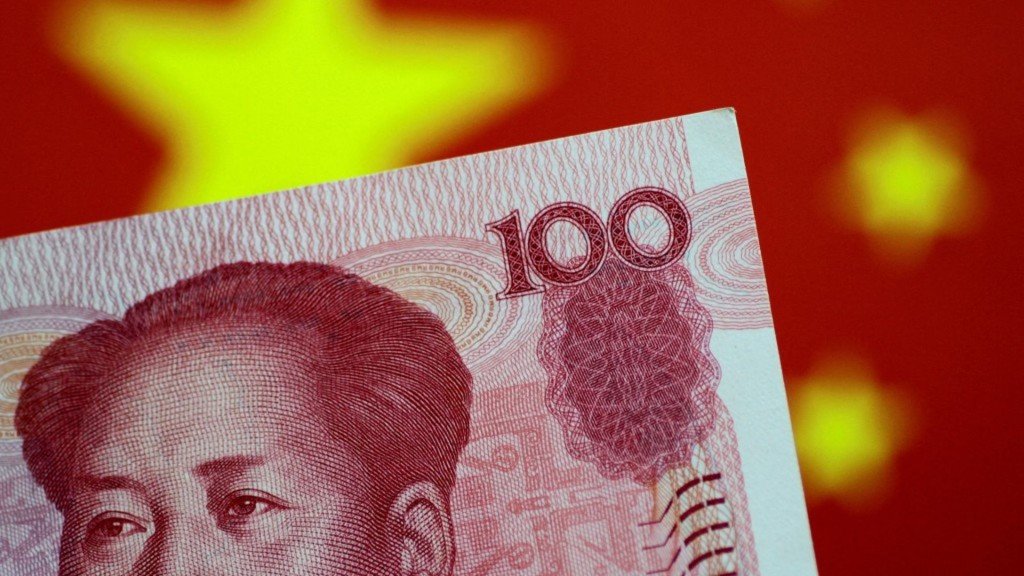
Economists and lawmakers assess fiscal measures that could strengthen the city’s position as an offshore renminbi hub
As Hong Kong prepares its next budget, policymakers and financial experts are debating whether additional measures should be introduced to reinforce the city’s role in advancing the international use of the yuan.

Hong Kong is already the world’s largest offshore renminbi, or yuan, centre, handling the bulk of cross-border settlement, bond issuance and liquidity outside mainland China.

Analysts say the forthcoming fiscal blueprint presents an opportunity to consolidate that position through tax incentives, market infrastructure upgrades and expanded trading channels.

Some economists argue that targeted budgetary support could deepen yuan-denominated bond markets, enhance derivatives products and attract more international investors seeking exposure to Chinese assets.

They contend that strengthening offshore clearing, expanding swap arrangements and encouraging yuan usage in trade settlement would align with broader efforts to promote currency diversification.

Others caution that fiscal policy must remain balanced, particularly given budgetary pressures following recent economic headwinds.

They emphasise that long-term success in promoting the yuan depends not only on local initiatives but also on regulatory clarity and capital market reforms on the mainland.

Financial sector representatives have suggested that incentives for asset managers and multinational corporations to conduct more transactions in yuan could reinforce Hong Kong’s intermediary role between global investors and mainland markets.

Proposals under discussion include support for green finance instruments denominated in yuan and further integration with mainland financial platforms.

Hong Kong authorities have consistently highlighted the city’s unique legal system, deep capital markets and convertible currency framework as advantages in facilitating renminbi internationalisation.

The budget debate reflects a broader strategic question: how far fiscal policy should go in shaping the next phase of the yuan’s global footprint.

The final budget measures are expected to signal the government’s priorities as Hong Kong navigates a shifting financial landscape and seeks to maintain its competitive edge in regional and global markets.
Defender says decision to change nationality reflects long-term commitment to Hong Kong football
Hong Kong footballer Jay Haddow has spoken publicly about coming to terms with the personal cost of renouncing his Japanese passport in order to represent Hong Kong at the international level.

Haddow, a defender who has featured prominently in the Hong Kong Premier League, explained that the decision was not taken lightly.

Japan does not generally recognise dual nationality for adults, and his commitment to play for Hong Kong required a formal change in citizenship status.

The move enables Haddow to compete in official tournaments under Hong Kong’s flag, strengthening the squad’s defensive options as the team looks to build momentum in regional competitions.

He described the process as both emotional and pragmatic, balancing professional ambition with personal identity.

Born with ties to both Japan and Hong Kong, Haddow said he ultimately chose the path that offered clearer opportunities for international football and long-term development.

He acknowledged that surrendering a Japanese passport carried symbolic weight but said he felt at peace with the decision after careful consideration.

Hong Kong football authorities have welcomed his commitment, viewing it as part of a broader effort to nurture a competitive national side.

In recent years, the team has sought to blend homegrown talent with players who have international backgrounds but strong local connections.

The defender indicated that he remains grateful for his Japanese heritage while embracing his future with Hong Kong.

As the team prepares for upcoming fixtures, Haddow’s decision underscores the complex personal choices athletes sometimes face in navigating eligibility rules and international careers.
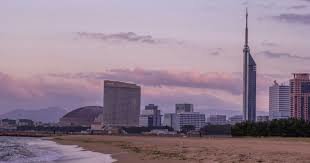
Southern Japanese city attracts growing wave of Hong Kong firms seeking expansion and diversification
Fukuoka is rapidly positioning itself as a preferred entry point into Japan for Hong Kong businesses, as companies seek geographic diversification and closer access to regional markets.

Located on Japan’s southern island of Kyushu, Fukuoka has stepped up efforts to court foreign investment through tax incentives, startup support programmes and streamlined administrative procedures.

Officials and business leaders say interest from Hong Kong firms has accelerated in recent years, particularly in technology, finance, logistics and food services.

Executives cite Fukuoka’s proximity to major Asian cities, comparatively lower operating costs than Tokyo and Osaka, and a supportive local government as key advantages.

The city has cultivated a reputation as a startup hub, offering visa flexibility and dedicated zones aimed at fostering innovation.

For Hong Kong companies navigating shifting geopolitical and economic conditions, Japan’s stable regulatory framework and strong consumer market present attractive opportunities.

Fukuoka’s port infrastructure and growing connectivity to mainland Asia further enhance its appeal as a base for regional operations.

Local authorities have highlighted collaboration agreements and investment seminars designed to strengthen ties with Hong Kong’s business community.

Industry groups report increased inquiries from small and medium-sized enterprises exploring partnerships or branch offices in the city.

While Tokyo remains Japan’s dominant financial centre, Fukuoka’s strategy has focused on agility and targeted incentives, positioning itself as a complementary alternative rather than a direct competitor.

Analysts say the city’s rise reflects a broader trend of decentralised investment flows within Japan.

As cross-border business strategies evolve, Fukuoka’s growing prominence underscores the dynamic links between Hong Kong and regional innovation hubs in East Asia.
The case alleges that Meta and YouTube contribute to mental health issues among youth.
Resurgent listings boost recruitment in capital markets, but firms continue to trim costs in other divisions
A revival in initial public offerings in Hong Kong is prompting a fresh wave of hiring across parts of the city’s financial sector, even as banks and advisory firms continue to implement selective staff reductions.

After a prolonged downturn in dealmaking, a pickup in listings—particularly from mainland Chinese companies and emerging technology groups—has improved sentiment among investment banks and brokerages.

Market participants say stronger pipelines and improved equity valuations have led firms to expand teams in equity capital markets, compliance and corporate finance.

Recruiters report increased demand for professionals with expertise in IPO execution, regulatory filings and investor relations.

Several international banks have quietly added staff in Hong Kong to handle anticipated mandates, reflecting renewed confidence that the territory is regaining momentum as a fundraising hub.

At the same time, cost pressures remain.

Slower activity in mergers and acquisitions and ongoing restructuring within global banks have resulted in continued workforce reductions in certain divisions, including back-office operations and non-core advisory roles.

Firms are seeking to balance renewed growth opportunities in primary markets with broader efficiency measures.

Hong Kong’s stock exchange has recently introduced reforms aimed at attracting more technology and specialist companies, while mainland Chinese authorities have encouraged overseas listings in the territory.

Analysts say these factors, combined with stabilising global interest rate expectations, have contributed to the improved IPO outlook.

However, the rebound is uneven.

While headline fundraising volumes have strengthened compared with the previous year, overall deal activity has not yet returned to peak levels seen earlier in the decade.

Executives caution that hiring remains targeted rather than broad-based.

The mixed landscape underscores the transitional phase facing Hong Kong’s financial industry: renewed energy in equity capital markets alongside continued pressure to streamline operations in a competitive global environment.
High-profile national security case tests boundaries of political dissent and legal interpretation
A group of jailed Hong Kong democracy campaigners are pressing ahead with appeals against their subversion convictions in a case that has become a defining test of the city’s national security framework.

The defendants were previously found guilty over their roles in organising and participating in an unofficial primary election intended to select opposition candidates for the Legislative Council.

Prosecutors argued that the initiative formed part of a coordinated strategy to secure a legislative majority and use it to veto government budgets, thereby exerting pressure on the administration.

Trial judges concluded that the plan amounted to a conspiracy to commit subversion under the national security law introduced in 2020. Several of the campaigners received lengthy prison sentences, prompting legal challenges focused on whether their actions constituted legitimate political participation or crossed into criminal conduct.

In their appeals, defence lawyers contend that organising a primary election was a political exercise aimed at maximising electoral competitiveness within the existing system.

They argue that using constitutional mechanisms, including the power to reject budgets, does not inherently equate to an attempt to undermine state authority.

Prosecutors maintain that the scale and coordination of the plan, coupled with public statements about forcing government concessions, met the threshold for subversion.

The case has drawn sustained attention from international observers and legal analysts, who view it as a significant moment in defining the limits of dissent under Hong Kong’s current legal order.

Since the enactment of the national security law, authorities have said the legislation was necessary to restore stability after extended unrest.

Critics, including some foreign governments and advocacy groups, argue that it has curtailed political freedoms—an assertion Hong Kong officials reject.

The outcome of the appeals could clarify how courts interpret intent, proportionality and the permissible scope of opposition strategy within the city’s constitutional framework.

The decision is expected to shape future prosecutions and the broader trajectory of political life in Hong Kong.
Decision expected to shape next phase of high-profile national security prosecutions
Hong Kong’s Court of Appeal is preparing to rule on challenges brought by a group of jailed democracy campaigners in one of the city’s most closely watched national security cases.

The defendants, who were previously convicted over their roles in organising or participating in an unofficial primary election, are seeking to overturn their convictions or reduce their sentences.

The case stems from activities prosecutors argued were part of a coordinated plan to paralyse the government by securing a legislative majority and using it to block the city’s budget.

During earlier proceedings, the court found that the primary election effort amounted to a conspiracy to commit subversion under the national security law imposed in 2020. Several of the defendants received substantial prison terms, prompting appeals centred on the interpretation of intent, proportionality of sentencing and the scope of lawful political participation.

Legal representatives for the appellants have argued that the primary election was a political strategy rather than an attempt to undermine state power.

Prosecutors, however, maintain that the plan crossed legal boundaries by aiming to coerce the administration through institutional paralysis.

The forthcoming judgment is expected to address how the courts interpret key provisions of the national security law, including what constitutes subversion and the evidentiary threshold for demonstrating intent.

Observers say the ruling could influence future prosecutions and clarify the legal landscape for political activity in the city.

Since the introduction of the national security framework, Hong Kong authorities have said the law is necessary to restore stability after prolonged unrest.

Critics of the legislation argue that it has curtailed political freedoms, a characterisation officials reject.

The appeals court’s decision will determine whether the convictions stand, are modified or are overturned, marking a significant moment in the evolution of Hong Kong’s post-2020 legal order.
Wealthy applicants from the United States, Hong Kong, Germany and across Asia drive renewed interest in updated ‘golden visa’ scheme
New Zealand is experiencing a marked increase in applications from wealthy foreign investors after overhauling its investor visa framework, with strong interest reported from the United States, Hong Kong, Germany, Taiwan, Singapore and Vietnam.

The revised programme, designed to attract high-net-worth individuals and channel capital into productive sectors of the economy, introduces updated investment thresholds and simplified eligibility criteria.

Officials say the changes aim to balance economic benefit with transparency and long-term residency commitments.

Immigration authorities have confirmed a significant uptick in enquiries and formal submissions since the revamped visa category opened.

Prospective applicants are required to commit substantial funds to approved investments, which may include direct business ventures, managed funds or other government-sanctioned vehicles intended to support innovation, infrastructure and employment growth.

Interest from the United States has been notable, with advisers citing political and economic diversification as a motivating factor for some applicants.

In Hong Kong and parts of Asia, demand has been linked to broader considerations of mobility, educational access and asset security.

European applicants, including from Germany, have also reportedly shown growing interest in residency pathways tied to stable governance and environmental quality.

The New Zealand government has positioned the updated investor visa as a targeted economic development tool rather than a passive residency scheme.

Applicants must meet character and due diligence standards, and in certain cases demonstrate active engagement with the domestic economy.

Economists say that while so-called “golden visa” programmes can generate valuable capital inflows, their long-term success depends on ensuring funds are directed toward productive uses rather than passive real estate speculation.

Policymakers have emphasised safeguards intended to avoid housing market distortions.

The renewed inflow of global interest comes as several countries reassess or curtail their own investor migration schemes, tightening scrutiny over transparency and security.

Against that backdrop, New Zealand’s recalibrated framework appears to be positioning the country as an alternative destination for globally mobile capital and high-skilled entrepreneurial networks.
Cross-border investments highlight shifting technology alliances amid intensifying geopolitical rivalry
A Hong Kong-based investor is emerging as a pivotal conduit for American capital flowing into China’s fast-growing artificial intelligence sector, underscoring the increasingly complex financial ties that persist despite geopolitical tensions.

The financier, whose portfolio spans venture capital and private equity interests, has helped direct US dollar funding into mainland technology firms developing advanced AI applications, including large language models, semiconductor design tools and data infrastructure platforms.

The investments are structured through Hong Kong-based entities, allowing capital to move within established international financial frameworks while remaining connected to mainland innovation ecosystems.

The strategy reflects both opportunity and risk.

China’s AI industry has expanded rapidly, buoyed by strong state backing, a deep engineering talent pool and growing domestic demand for automation and data-driven services.

At the same time, Washington has introduced export controls and tightened scrutiny of certain outbound investments tied to sensitive technologies.

Market participants say Hong Kong’s status as an international financial centre, with a freely convertible currency and globally integrated banking system, has enabled it to act as a bridge in areas where direct US–China flows have become more complicated.

The territory’s legal system and capital markets continue to facilitate fundraising structures attractive to global investors.

Analysts note that while regulatory oversight in the United States has increased, particularly around advanced semiconductors and military-linked technologies, many areas of commercial AI remain open to private investment.

Venture funding into Chinese AI startups has shown resilience, even as valuations fluctuate in response to policy developments.

The cross-border financing activity illustrates the paradox of the current technology landscape: strategic rivalry between the world’s two largest economies coexists with financial interdependence.

Investors are recalibrating risk assessments, weighing long-term growth prospects in China’s AI ecosystem against potential regulatory constraints.

For Hong Kong, the evolving investment pattern reinforces its function as a financial intermediary at the intersection of global capital and mainland innovation, even as the broader geopolitical environment grows more fragmented.
City official says policy shift in Washington reinforces Hong Kong’s role as a stable, open commercial hub
Hong Kong officials have said that newly announced tariffs by President Donald Trump’s administration underscore the city’s enduring advantages as an international trading and financial centre.

Speaking after Washington confirmed fresh tariff measures affecting a broad range of imports, a senior Hong Kong official argued that the policy shift highlights the territory’s distinct customs status, low-tax regime and long-standing commitment to free trade.

The official said Hong Kong’s position as a separate customs territory enables it to maintain tariff schedules and trade arrangements independent of mainland China.

President Trump has framed the tariff measures as part of a strategy to strengthen American industry and address trade imbalances, describing them as necessary steps to protect domestic manufacturing and national economic interests.

The White House has indicated that the policy is designed to encourage fairer trading practices and bolster supply chain resilience.

Hong Kong authorities said the evolving trade landscape could prompt companies to reassess supply routes and operational bases, potentially enhancing the city’s appeal as a logistics, arbitration and financial services hub.

Officials pointed to the territory’s deep capital markets, convertible currency and established legal system as key factors that support international business continuity.

While global markets reacted cautiously to the prospect of higher import costs and potential retaliatory measures, Hong Kong’s government maintained that the city’s diversified economic structure and gateway role between China and the rest of the world position it to adapt effectively.

Trade analysts note that Hong Kong’s status under international trade frameworks has historically allowed it to function as a conduit for regional commerce, even amid shifting geopolitical currents.

Authorities said they would continue to monitor developments closely and engage with trading partners to safeguard the city’s economic interests.

Officials emphasised that Hong Kong remains committed to an open trading system, arguing that periods of global uncertainty can also create opportunities for jurisdictions able to provide regulatory clarity and commercial stability.
Authorities outline plan to purchase fire-ravaged flats to speed recovery and support displaced residents
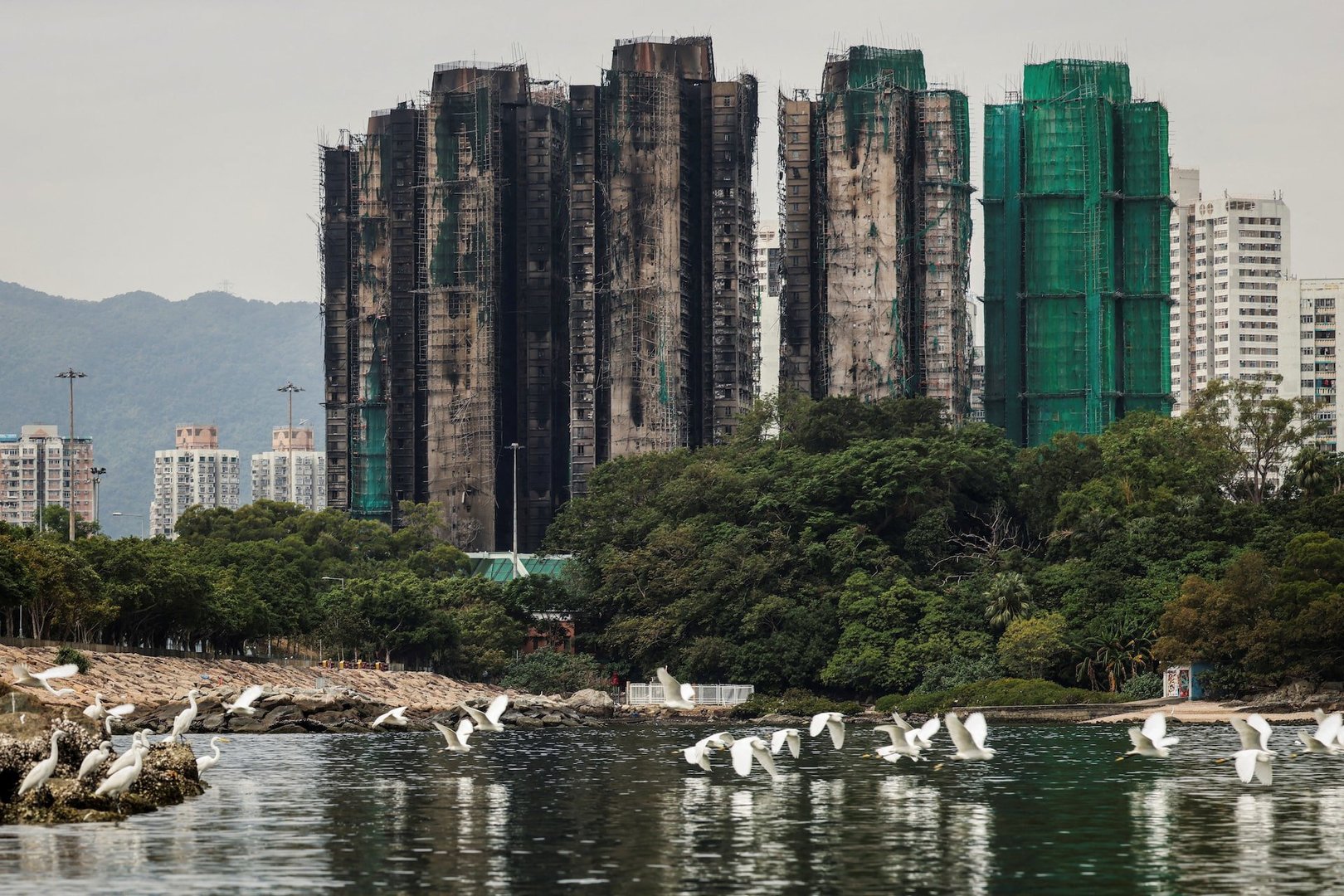
Hong Kong authorities have announced plans to buy back residential units destroyed or rendered unsafe by a deadly high-rise fire, as officials seek to accelerate recovery efforts and provide financial relief to affected homeowners.

The blaze, which swept through an ageing multi-storey building in a densely populated district, resulted in multiple fatalities and injuries, prompting a large-scale emergency response.

Firefighters battled intense flames and heavy smoke for hours before bringing the situation under control.

Subsequent inspections found extensive structural damage to several flats, with some units deemed uninhabitable.

In response, the government said it intends to purchase the most severely affected properties at assessed market value.

Officials described the proposed buyback as a pragmatic solution to help residents avoid prolonged uncertainty over rebuilding costs, insurance disputes or complex redevelopment procedures.

Authorities stated that detailed terms, including valuation mechanisms and eligibility criteria, will be finalised in consultation with owners and relevant agencies.

The initiative is expected to operate alongside existing disaster relief funds and temporary housing arrangements already offered to displaced families.

Social services departments have arranged interim accommodation and emergency financial assistance, while counselling support has been made available for survivors and relatives of victims.

Investigators continue to examine the cause of the fire, including potential issues related to building maintenance, fire safety systems and compliance with regulations.

Urban safety experts say the incident has renewed scrutiny of ageing residential blocks across the city, many of which were constructed decades ago under different regulatory standards.

Lawmakers have indicated that broader reviews of fire safety enforcement and building renewal policies may follow.

Officials emphasised that the buyback plan aims to provide certainty for residents while ensuring public safety, as Hong Kong confronts the immediate human impact of the tragedy and the longer-term challenges of urban renewal.
Photographic record charts the rise of the Hong Kong entrepreneur and his prominent role in the city’s pro-democracy movement
Jimmy Lai’s public life, spanning decades of entrepreneurship and political activism, has been chronicled through a series of defining images that trace his transformation from self-made media magnate to one of Hong Kong’s most recognisable political figures.

Born in mainland China and arriving in Hong Kong as a stowaway in his youth, Lai built a clothing empire before founding a major newspaper that became widely known for its outspoken editorial stance.

Photographs from the early years depict a confident businessman presiding over corporate launches and media expansions, emblematic of Hong Kong’s era of rapid economic growth and vibrant press culture.

As political tensions in the city intensified, later images show Lai increasingly present at rallies and public demonstrations, often standing alongside activists calling for greater political freedoms.

His shift from boardroom executive to prominent campaigner marked a significant change in both his personal trajectory and the broader political landscape of the territory.

Subsequent photographs capture moments of arrest, court appearances and public statements, reflecting the legal challenges he has faced under Hong Kong’s national security framework.

Supporters describe his activism as a continuation of his long-held views on civil liberties, while authorities have maintained that enforcement actions are grounded in existing law.

The visual record also reflects the wider transformation of Hong Kong itself, from a bustling commercial hub known for robust media pluralism to a city navigating profound political change.

Images of crowded newsrooms contrast with later scenes of shuttered offices, underscoring the pressures that reshaped the local media environment.

Through portraits, courtroom sketches and archive footage, Lai’s evolution illustrates the intersection of business, media and politics in modern Hong Kong, offering a lens on how individual figures can become entwined with larger historical shifts.
City to host elite global chess competition as international teams prepare for high-speed format showdown
Hong Kong will host the forthcoming World Rapid and Blitz Team Championships, bringing some of the world’s strongest chess players to the city for one of the sport’s most dynamic international events.

The tournament, organised under the auspices of the global governing body for chess, will feature national and club-based teams competing in rapid and blitz formats, which demand swift calculation and sharp tactical precision.

Rapid games typically allow players limited thinking time per move, while blitz contests compress the clock even further, creating high-intensity encounters decided in minutes.

Officials say the decision to stage the championships in Hong Kong reflects the city’s expanding profile as a venue for major international sporting events.

Local organisers are working alongside global chess authorities to finalise logistics, including venue arrangements, broadcasting infrastructure and hospitality provisions for participating teams.

The event is expected to draw grandmasters and rising talents from across Europe, Asia and the Americas.

Team-based rapid and blitz competitions have gained prominence in recent years, offering a different competitive dynamic from traditional individual championships and encouraging collaboration alongside individual brilliance.

Local chess associations have welcomed the announcement, describing it as an opportunity to inspire grassroots participation and strengthen Hong Kong’s standing within the global chess community.

Schools and community groups are expected to organise parallel activities and public exhibitions to coincide with the championship schedule.

With international travel returning to more predictable patterns, organisers anticipate strong attendance from both players and spectators.

The championships are set to add to Hong Kong’s calendar of high-profile global gatherings and reinforce its role as a bridge between international sporting networks and regional audiences.
Coach’s trust in seasoned leaders and emerging talent pays off in festive tournament victory
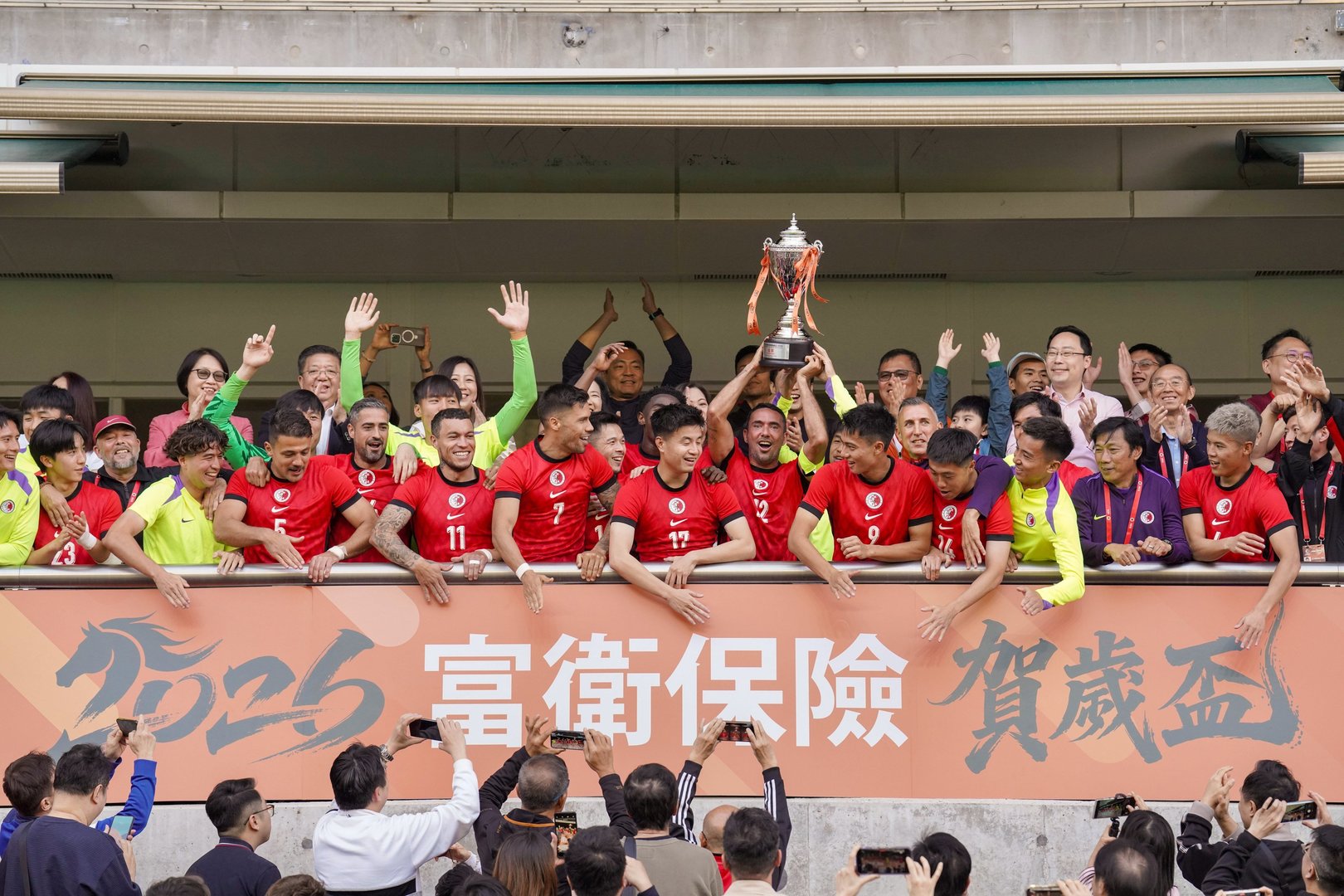
Hong Kong head coach Mariano Losada credited a carefully balanced squad of veteran leaders and emerging prospects after guiding his side to victory in the Chinese New Year Cup, a tournament that traditionally showcases regional talent during the Lunar New Year celebrations.

Losada’s selection strategy combined experienced campaigners with younger players eager to impress, a blend he described as essential to maintaining composure in high-pressure moments while injecting energy and pace into the team’s overall performance.

The approach proved decisive as Hong Kong navigated a competitive field and secured the trophy.

The coach had signalled in the lead-up to the competition that he intended to give opportunities to promising younger members of the squad without sidelining established figures who provide tactical discipline and leadership.

Throughout the tournament, senior players were seen organising the back line and setting the tempo, while younger teammates contributed with pressing intensity and attacking movement.

In the decisive match, Hong Kong displayed both defensive resilience and clinical finishing, capitalising on key opportunities and managing the game effectively in its closing stages.

Supporters in attendance welcomed the result as a positive indicator ahead of forthcoming regional fixtures.

Losada said the victory reflected a broader development plan aimed at strengthening squad depth and fostering continuity.

By integrating youth prospects into competitive matches alongside seasoned internationals, the coaching staff hopes to build a sustainable pipeline of talent capable of competing consistently at higher levels.

The Chinese New Year Cup, long regarded as a symbolic highlight of the football calendar, offered Hong Kong an opportunity not only to celebrate the holiday period but also to reinforce momentum and unity within the squad.

The triumph is expected to bolster confidence as preparations intensify for upcoming international competitions.
Authorities outline compensation plan for residents after fatal fire leaves dozens displaced
Hong Kong’s government has announced plans to purchase residential units severely damaged in a deadly high-rise fire, offering financial relief to affected owners and a pathway to rehousing displaced families.

The blaze, which tore through a multi-storey building in a densely populated district, left multiple fatalities and injured dozens, prompting a large-scale emergency response.

Firefighters battled the flames for hours before bringing the situation under control, as residents were evacuated amid heavy smoke and structural concerns.

In the aftermath, officials confirmed that several flats were rendered uninhabitable due to extensive fire and water damage.

Structural assessments conducted by building inspectors identified significant safety risks, raising questions about long-term viability and reconstruction costs.

The government’s proposal would allow authorities to acquire the most severely affected units at assessed market value, enabling owners to receive compensation without waiting for protracted insurance settlements or redevelopment plans.
Officials said the initiative is designed to stabilise the community and accelerate recovery efforts.

Social welfare departments have arranged temporary accommodation and emergency assistance for displaced residents, while counselling services have been made available to families impacted by the tragedy.

Authorities also pledged a comprehensive investigation into the cause of the fire, including scrutiny of building safety measures and compliance with fire regulations.

Urban planning experts note that high-density residential towers present particular challenges in fire prevention and evacuation.

The incident has renewed debate over ageing building infrastructure and the adequacy of safety upgrades in older districts.

Government representatives said detailed terms of the purchase scheme would be finalised in consultation with affected homeowners, as the city seeks to balance swift relief with longer-term redevelopment considerations.
Cross-border investment highlights complex financial ties as Beijing accelerates its drive for technological self-reliance
A prominent Hong Kong-based investor is directing American capital into China’s rapidly developing artificial intelligence sector, underscoring the intricate financial interdependence that persists despite intensifying geopolitical competition.

The investment activity, involving funds sourced from US institutions and high-net-worth individuals, is aimed at supporting Chinese AI start-ups and established technology firms focused on machine learning, advanced chips and industrial automation.

The strategy reflects confidence among certain investors that China’s push for technological self-sufficiency will generate long-term growth opportunities.

Beijing has placed artificial intelligence at the heart of its national development plans, committing substantial state resources to research, semiconductor design and data infrastructure.

Officials view AI as central to economic transformation, military modernisation and global competitiveness.

Private capital, both domestic and foreign, has played a critical role in scaling these ambitions.

At the same time, Washington has tightened export controls and screening mechanisms targeting sensitive technologies, citing national security concerns.

The resulting environment has forced investors to navigate a patchwork of compliance requirements, including scrutiny of venture funding linked to advanced computing and dual-use technologies.

The Hong Kong financier’s approach reportedly involves structuring investments through international vehicles designed to comply with evolving US regulations while maintaining exposure to Chinese innovation.

Analysts say such arrangements illustrate how global capital markets continue to find channels even amid strategic rivalry.

Critics argue that funneling US money into China’s AI ecosystem risks bolstering competitors in areas deemed strategically sensitive.

Supporters counter that diversified investment fosters innovation and that clear regulatory boundaries can mitigate security risks without severing financial ties entirely.

The episode reflects the broader tension between economic integration and national security priorities.

As both Washington and Beijing refine their policy frameworks, cross-border capital flows into emerging technologies are likely to remain a focal point of debate among policymakers and investors alike.
He emphasizes that advancements in various fields, including AI, are significant and often underestimated.
OpenAI's CEO Sam Altman on China:

The progress of Chinese tech companies across the entire stack and also not just in AI but in many fields is remarkable. 

The reason I'm pushing back on underestimated is it feels like every conversation I have is like, "Oh, China's beating us. What do we do about it?" So, I think people are aware of what's happening there. 

Yes, Chinese progress is amazingly fast.
Service launched to provide efficient charging solutions for drivers.
Latest labour data point to a modest rise in joblessness amid uneven recovery across retail, construction and professional sectors
Hong Kong’s unemployment rate rose to 3.9% in the three months from November to January, according to newly released official data, marking an increase from the previous rolling period and reflecting ongoing strains in parts of the city’s labour market.

The latest figures show a modest uptick in joblessness as certain sectors continue to grapple with softer demand and structural adjustments.

Retail, accommodation and food services recorded noticeable pressure, while segments of construction and professional services also experienced workforce fluctuations.

Authorities reported that the underemployment rate edged higher over the same period, indicating that some workers faced reduced hours or difficulty securing full-time positions.

Total employment declined slightly compared with the preceding three-month window, while the labour force also contracted marginally.

Officials noted that while overall economic activity has shown signs of stabilisation, the pace of improvement has been uneven across industries.

External trade dynamics, regional competition and shifting consumption patterns have all influenced hiring decisions.

The government said it would continue to monitor labour conditions closely and implement targeted measures to support job matching and workforce training.

Employment support schemes and vocational programmes remain central to policy efforts aimed at helping displaced workers transition into growth areas, including technology, financial services and advanced logistics.

Economists observe that although the unemployment rate remains well below historical crisis peaks, the recent rise underscores the fragility of the recovery in certain domestic-facing industries.

Much will depend on broader economic momentum, tourism flows and the resilience of Hong Kong’s financial and professional services sectors in the months ahead.

Officials emphasised that maintaining economic competitiveness and supporting enterprise development are critical to sustaining employment gains and restoring stronger labour market confidence as the year progresses.
Property transaction reflects continued movement in high-end residential segment despite broader market caution
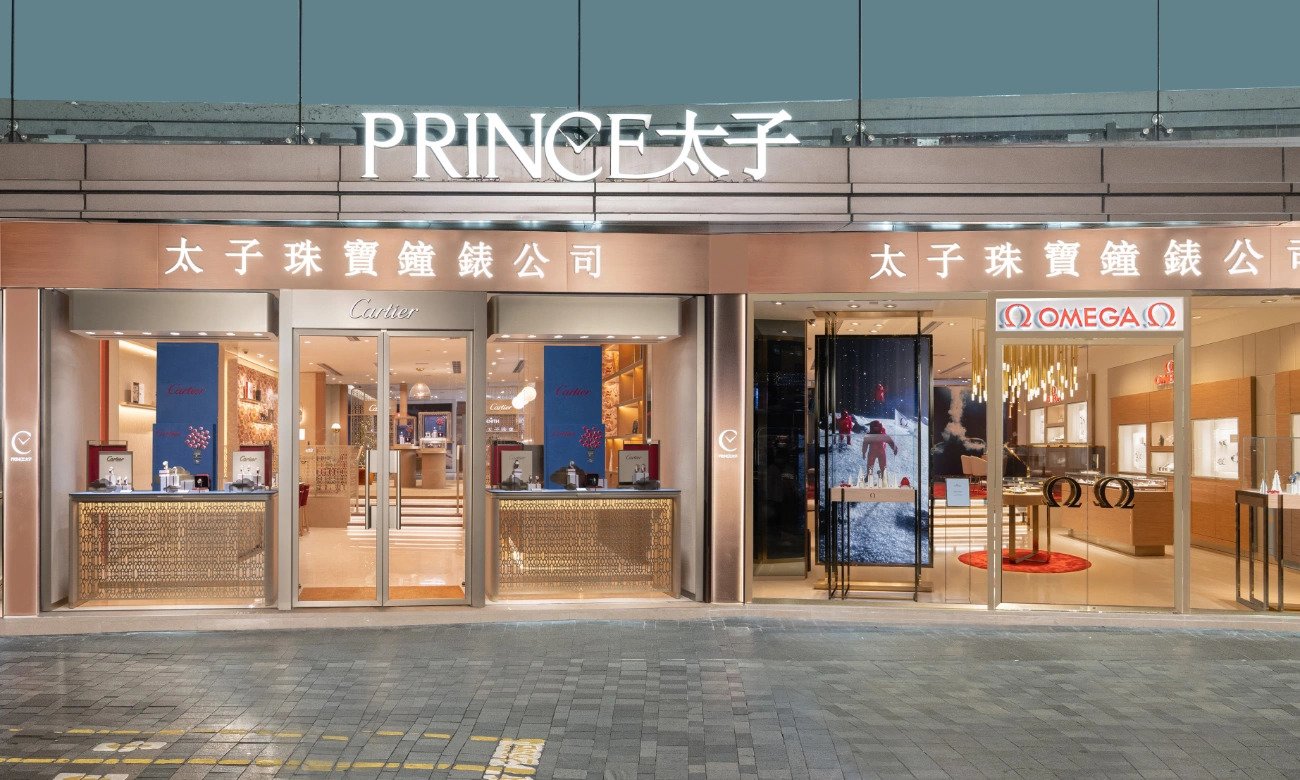
A director of Prince Jewellery & Watch has sold a luxury apartment in Hong Kong and purchased a larger duplex residence valued at approximately $6.4 million, underscoring continued activity in the city’s premium property market.

Land registry filings show that the executive recently disposed of a high-end flat in an upscale district before acquiring a more spacious duplex unit in another prime residential development.

The newly acquired property, priced at around $6.4 million, offers expanded living space and upgraded amenities, reflecting a strategic lifestyle upgrade rather than a retreat from the market.

Property analysts note that while Hong Kong’s broader residential sector has experienced price adjustments amid elevated interest rates and shifting demand, transactions in the luxury segment have remained comparatively resilient.

High-net-worth buyers continue to seek quality assets in established locations, particularly units offering distinctive layouts or panoramic views.

The move comes as developers and homeowners in the upper-tier market recalibrate pricing expectations in response to macroeconomic conditions.

Although transaction volumes have fluctuated in recent quarters, prime properties with strong attributes have continued to attract buyers willing to commit substantial capital.

Industry observers say such upgrades among business leaders signal confidence in long-term property fundamentals, even as short-term sentiment remains cautious.

The city’s luxury housing market, supported by limited land supply and enduring demand for premium urban residences, continues to see selective but notable deals.

The transaction involving the Prince Jewellery executive highlights the nuanced dynamics of Hong Kong’s real estate landscape, where strategic asset repositioning and lifestyle-driven purchases persist despite wider market headwinds.
Japanese police investigate altercation at restaurant after disagreement reportedly escalates into physical attack
A Hong Kong man was assaulted in the Japanese city of Sapporo after a dispute reportedly stemming from dining etiquette escalated into a physical confrontation, according to local authorities.

The incident took place at a restaurant in the Hokkaido capital, where the man, who was visiting Japan, is said to have become involved in an argument with another diner.

Police indicated that the disagreement was linked to perceived table manners, though details of the specific conduct at issue have not been publicly disclosed.

Witness accounts cited by investigators suggest that tensions rose quickly before the altercation turned violent.

The Hong Kong man sustained injuries and was taken for medical treatment.

Authorities said his condition was not life-threatening.

Japanese police have launched an investigation into the circumstances surrounding the assault, including reviewing surveillance footage and interviewing those present at the scene.

Officials have not confirmed whether any arrests have been made, but inquiries are ongoing.

The episode has drawn attention among Hong Kong residents travelling in Japan, a popular destination for leisure and business trips.

While incidents of violence involving tourists are relatively rare, the case underscores how cultural misunderstandings or disputes in public settings can escalate unexpectedly.

Local authorities in Sapporo said they are treating the matter as a potential assault case and will determine appropriate legal steps once the investigation is complete.
Equities retreat on first session after three-day holiday amid cautious regional sentiment and global rate concerns
Hong Kong equities fell as trading resumed following the three-day Lunar New Year holiday, with investors returning to a market shaped by mixed global signals and renewed caution over interest rate expectations.

The Hang Seng Index opened lower and extended losses through the session, reflecting weakness in technology and property shares.

Traders pointed to subdued sentiment in mainland Chinese markets and lingering concerns over global monetary policy as contributing factors behind the pullback.

Technology counters were among the notable laggards, mirroring recent volatility in international tech benchmarks.

Property developers also faced pressure, as investors reassessed the pace of recovery in Hong Kong’s real estate sector amid still-elevated borrowing costs and uneven demand conditions.

Market participants said trading volumes were relatively moderate as investors recalibrated positions after the holiday pause.

Developments during the break, including overseas economic data releases and shifts in U.S. Treasury yields, influenced early positioning in Asian markets.

Analysts noted that while short-term fluctuations are common after extended market closures, broader direction will likely depend on corporate earnings updates, mainland economic indicators and signals from major central banks.

Attention is also turning to upcoming policy meetings and data releases that could shape expectations for the global interest rate cycle.

Despite the day’s decline, some strategists maintain that valuations in select sectors remain attractive compared with historical averages, particularly if macroeconomic conditions stabilise in the months ahead.

For now, however, the reopening session underscored the cautious tone prevailing across regional markets as the Lunar New Year trading period begins.
The Thai government aims to transform its e-sports fan base into a powerhouse of innovation and intellectual property.
Thailand is taking significant steps to establish itself as a crucial player in the growing global e-sports industry, transitioning from merely consuming games to developing high-value intellectual property.

The Ministry of Commerce recently announced a comprehensive plan to utilize the booming e-sports fan base as a catalyst for economic growth.

Auramon Supthaweethum, the director-general of the Department of Intellectual Property, emphasized that e-sports is no longer just about entertainment but has evolved into a sophisticated technological battleground that can boost Thailand's digital economy.

With e-sports applications growing remarkably—from just four hundred seventy filings annually two decades ago to a peak of one thousand six hundred seventeen in twenty twenty-two—Thailand is keen to leverage this momentum.

The surge in patent filings is attributed to the increasing professionalism within the gaming sector and the popularity of immersive streaming technologies.

Thailand's strategy includes fostering collaborations with leading countries such as the United States, Japan, and South Korea, which are at the forefront of platform infrastructure and data analytics.

Additionally, the rise of new contenders like China, which heavily invests in cloud gaming and artificial intelligence coaching, presents both a challenge and an opportunity for Thailand.

As the nation seeks to enhance its digital landscape, strategic partnerships with these technological giants could help Thailand effectively manage the costs associated with research and development.

Overall, this initiative to embrace the e-sports market not only aims to drive economic stability but also seeks to inspire creativity and innovation among Thai youth.

The commitment to strengthening Thailand's position in the global e-sports arena could lead to a vibrant ecosystem that promotes technological advancement and enhances national pride.
Japanese investors express optimism about Thailand's economic recovery and ongoing opportunities post-election.
Thailand's recent elections have sparked renewed confidence among Japanese investors, who play a significant role as the country’s largest foreign investor group.

The formation of a new government is underway, and despite the ongoing certification process, executives from Japanese companies believe that the overall political stability will act as a pivotal tailwind for economic recovery.

With major political parties stepping into government roles, many investors feel encouraged that this administration will offer enhanced stability compared to its predecessor.

They recognize the complexities of forming a new government but maintain a positive outlook for Thailand's economic direction.

Recent assessments indicate that executives foresee improved economic conditions emerging as the second half of the year unfolds.

Investors are optimistic about Thailand maintaining its appeal over neighboring countries due to its strong fundamentals, including a robust infrastructure, advanced logistics systems, and a deeply rooted Japanese business network that has flourished for decades.

This infrastructure supports the essential value chains within sectors like automotive and electronics, further solidifying Japan's trust in Thailand as a production hub.

Factors such as quality of life, hospitality, safety, and excellent educational facilities continue to make Thailand an attractive base for expatriate families, which enhances its position as a regional aviation hub.

Despite the past few years seeing some investment diverted to Vietnam and Indonesia, Japanese firms still regard Thailand favorably for its reliability and commitment to business.

The importance of political stability and clear economic policies cannot be overstated, as they play critical roles in attracting future investments, especially in emerging sectors like electric vehicles and advanced technologies.

What we can confirm is that the ongoing support and commitment from Japanese investors reaffirm Thailand’s potential to remain a primary investment destination within ASEAN.
The Thai hospitality giant aims for substantial growth with ambitious plans for a one billion dollar REIT and exciting expansion in the restaurant sector.
Minor International, a leading player in Thailand's hospitality industry, is set to reshape its future with two major capital market initiatives.

The company is preparing to launch a one billion dollar real estate investment trust on the Singapore Exchange, alongside a potential public listing of its restaurant division, Minor Food, on the Hong Kong Stock Exchange.

This dual strategy aims to alleviate debt burdens while maximizing asset value.

Group Chief Executive Dilip Rajakarier announced that the REIT will include fourteen hotels, primarily in Europe, along with two properties in Thailand.

The expected launch of this initiative in the latter half of twenty twenty-five highlights the company's determination to enhance its financial health while maintaining a significant ownership stake.

This move is part of a broader deleveraging effort, which targets an improved credit profile through reduced net debt-to-equity and net debt-to-EBITDA ratios.

Additionally, Minor Food is eyeing the Hong Kong market for its higher earnings multiples and broader investor base, with updates anticipated in the coming months.

This expansion is underpinned by an ambitious growth target of signing ninety hotel contracts and opening nearly fifty new hotels in twenty twenty-six.

By twenty twenty-eight, Minor International aims to grow its portfolio to eight hundred and fifty hotels and over four thousand one hundred restaurants, primarily through asset-light strategies.

The strong performance in financial metrics and recent successful expansions serve as an encouraging foundation for its ambitious plans.

Throughout these developments, Rajakarier emphasized the importance of political stability in Thailand as a critical factor supporting foreign investment and tourism.

As the company positions itself to harness its comprehensive global vision, its commitment to Thai hospitality and culture remains steadfast, creating an optimistic outlook for the future.
With a remarkable Q4 profit of THB6.1 billion, True Corporation's robust performance signals a new era of stability in Thailand’s telecommunications market.
Thailand’s telecommunications industry is entering a promising phase characterized by newfound stability and discipline following years of significant investment in 5G and digital networks.

This development is essential for Thailand as it reflects a shift away from aggressive market expansion towards a model focused on revenue quality and operational efficiency.

True Corporation, one of the two major telecom players alongside Advanced Info Service, recently reported a normalized profit of 6.1 billion baht for the fourth quarter, indicating a consistent growth trajectory that analysts believe will extend into the upcoming year.

This consistent performance, marked by profits in four consecutive quarters, suggests a reliable operational foundation rather than a short-lived boost from extraordinary circumstances.

In addition to the profit figures, True's earnings before interest, tax, depreciation, and amortization reached 27.8 billion baht, showcasing a year-on-year growth of ten point three percent.

Such an expansion of margins underlines improved cost efficiency in network management, a crucial aspect of sustaining profitability in a competitive industry.

True's overall financial picture, including a strong balance sheet and attractive dividend proposals, fosters an environment of trust and confidence among investors.

As the company continues to implement strategies that prioritize average revenue per user and digital services, the framework for ongoing success becomes clearer.

This transition not only signals a robust outlook for True Corporation but also contributes positively to Thailand’s economic confidence and stability.

The telecommunications sector’s focus on financial health and service quality will enhance its role in driving Thailand's further development and global digital engagement, establishing a brighter future for the industry and its stakeholders.
Phuket to host key meetings on sustainability, diversity, and health in 2026.
In an exciting development for Thailand's tourism sector, Phuket has been selected to host three major global conferences in 2026, spotlighting the island as a leader in sustainable tourism, wellness, and diversity.

This strategic positioning by the Thailand Convention and Exhibition Bureau (TCEB) aims to align with the ongoing global trends towards sustainability and equitable development.

The first event, the Global Sustainable Tourism Conference, will take place at prestigious venues like the Royal Phuket City Hotel, welcoming international experts and stakeholders to address pressing issues in tourism.

TCEB's successful bid underlines Phuket's capabilities and ambition to enhance its brand while supporting provincial development strategies.

Supawan Teerarat, Director of TCEB, expressed her organization's enthusiasm in promoting Phuket as a model MICE (Meetings, Incentives, Conferences, and Exhibitions) city that can leverage these events for broader impact.

The conferences are not just chances for local businesses to thrive; they also elevate the island's global standing, driving investment and development.

Deputy Governor Suwit Phansengiam emphasized the economic advantages brought by international conferences, suggesting that they go well beyond tourism alone, fostering local business growth and community benefits.

The partnership between public and private sectors has been vital in bringing these conferences to fruition.

Bhummikitti Ruktaengam, a key figure in this initiative, noted that strong cooperation has been a driving force in aligning local strategies with global expectations.

The focus remains firmly on sustainable practices and the delivery of meaningful results that honor Thailand's commitment to both development and local wellbeing.

Phuket's sustainable tourism network is robust, featuring active collaborations with various stakeholders, including government entities and local communities, all dedicated to addressing sustainability.

Additionally, the InterPride General Meeting will position Phuket as a hub for LGBTQIA+ tourism, buoyed by recent advancements in marriage equality and labor rights in Thailand.

Events like these allow Phuket to showcase its vibrant, multicultural, and inclusive atmosphere, further affirming its reputation as the 'Rainbow Pearl of Asia' and attracting diverse MICE travelers.
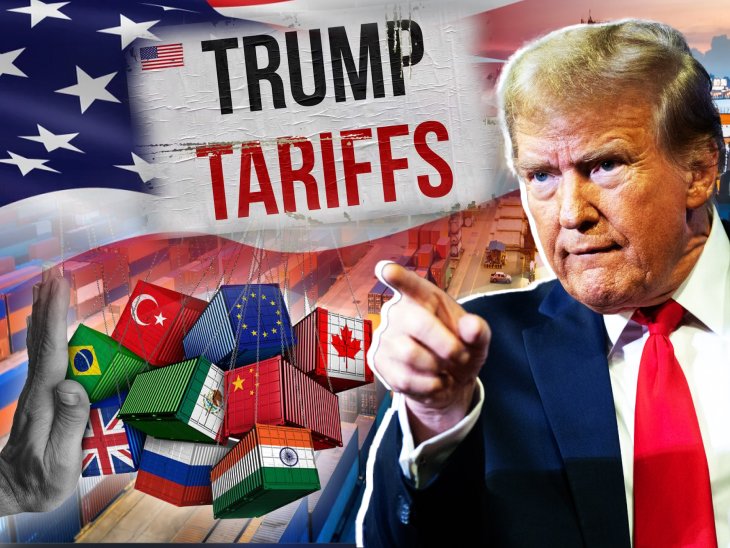
As for the Global Wellness Summit, Thailand's ambition to be recognized as a leading health and wellness destination is underscored.
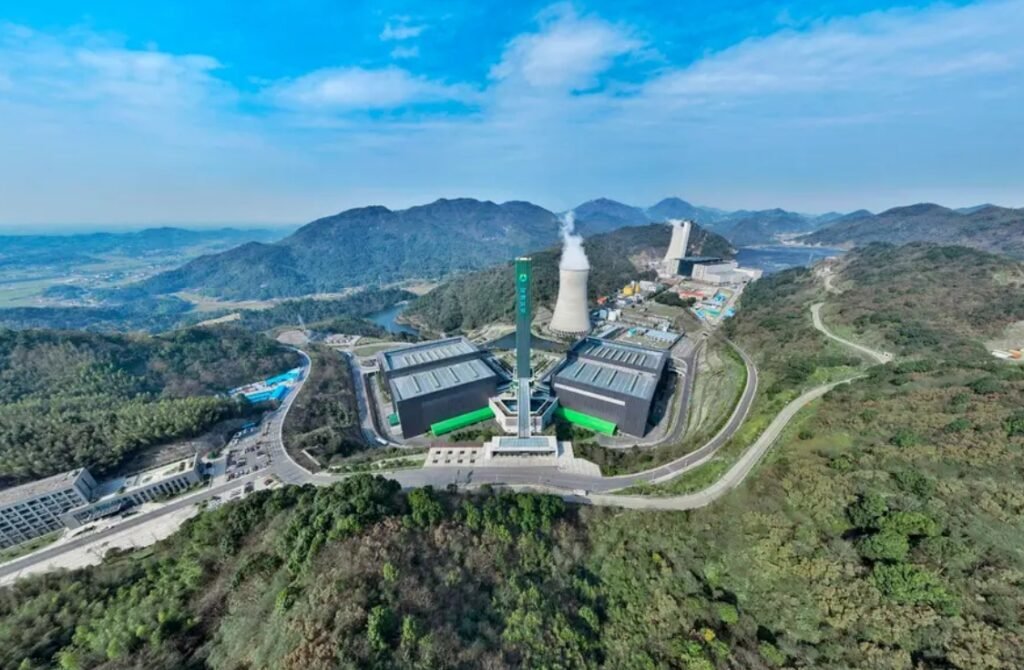
Phuket's five-star facilities and natural environment are conducive to health tourism, ensuring that it meets emerging global wellness demands.

The hosting of these global conferences heralds a significant leap forward in establishing Phuket and Thailand as premier destinations for sustainable, inclusive, and innovative event experiences.

Such developments not only enhance Thailand's image on the international stage but also contribute positively to local economies and communities, creating a thriving environment for future growth.
The President's announcement follows Obama’s comments on extraterrestrial life and classified information.
U.S. President Donald Trump has announced that he will instruct the Pentagon and other government entities to begin the process of identifying and making public documents related to unidentified flying objects and extraterrestrial life.
This statement comes in response to remarks made by former President Barack Obama, who said, 'There are aliens, but I haven't seen them.' Trump criticized Obama, suggesting that he inappropriately disclosed classified information concerning the matter.
He stated that he is uncertain about the existence of extraterrestrial beings but emphasized that Obama made a significant mistake in sharing classified details.
The move comes despite a Supreme Court ruling against the tariff plan, with implementation set to begin shortly.
U.S. President Donald Trump has announced the signing of a decree imposing a 10% tariff on imports from all countries.
This announcement was made in the Oval Office and shared via his social media platform, Truth Social.
Trump asserted that it is a significant honor for him to declare this global tariff, which will take effect almost immediately despite recent legal challenges.
The U.S. Supreme Court ruled against Trump's global tariff plan, determining that he overstepped his authority by utilizing a 1977 law intended for emergencies to impose these tariffs.
Following Trump's announcement, the White House indicated that the tariffs would be temporary, set for 150 days, and will officially come into effect on February 24. The administration stated that this move is designed to curb the outflow of U.S. dollars to foreign manufacturers.
By increasing domestic production, the U.S. aims to address its payment balance deficit, create high-paying jobs, and reduce consumer costs.
Furthermore, the White House conveyed that the disappointing Supreme Court decision would not deter Trump's efforts to reshape the long-standing global trade system impacting economic and national security.
Mainland environmental services group seeks listing to fund expansion as Beijing accelerates clean energy and waste treatment goals
One of China’s largest waste-to-energy operators has filed for an initial public offering in Hong Kong, aiming to raise capital to support expansion projects and strengthen its position in the country’s fast-growing environmental services sector.

The company, widely regarded as a national champion in converting municipal solid waste into electricity, submitted its listing application to the Hong Kong exchange this week.

Proceeds from the offering are expected to be directed toward new plant construction, technological upgrades and potential acquisitions, as China continues to scale up urban waste treatment capacity alongside its broader clean energy transition.

Waste-to-energy facilities incinerate household refuse to generate power, reducing landfill reliance while producing electricity for local grids.

Industry data show that China has become the world’s largest waste-to-energy market by installed capacity, driven by rapid urbanisation, tightening environmental standards and policy incentives encouraging renewable and low-carbon power generation.

The listing comes at a time when Hong Kong is positioning itself as a preferred offshore fundraising hub for mainland companies in strategic sectors, including green infrastructure and sustainable energy.

Market participants note that investor appetite for environmental, social and governance-linked assets has remained resilient, even amid broader volatility in equity markets.

Financial disclosures in the prospectus indicate steady revenue growth in recent years, supported by long-term concession agreements with municipal governments.

Analysts say the company’s scale and geographic diversification across multiple provinces provide operational stability, although sector participants continue to face regulatory adjustments and evolving tariff frameworks.

The IPO filing underscores renewed activity in Hong Kong’s primary market pipeline, with several mainland firms exploring listings to finance expansion and refinance debt.

For China’s waste-to-energy industry, access to international capital through Hong Kong could provide additional momentum as policymakers intensify efforts to improve urban waste management and advance carbon reduction targets.

Final pricing details and the timetable for the offering will be determined following regulatory review and investor roadshows, with market observers watching closely to gauge demand for large-scale green infrastructure assets.
Astronomy enthusiasts anticipate a total lunar eclipse that will bathe the Moon in a reddish glow visible across the city, weather permitting
Skywatchers in Hong Kong are preparing for a total lunar eclipse on March 3, when the Moon is expected to take on a striking reddish hue in a phenomenon often referred to as a “blood moon.” The celestial event will occur as the Earth passes directly between the Sun and the Moon, casting a shadow that gradually darkens the lunar surface before enveloping it completely.

Astronomical organisations in the city have outlined viewing times indicating that the eclipse will unfold over several hours, beginning with a partial phase before progressing to totality.

During totality, sunlight filtered through Earth’s atmosphere bends and scatters, allowing predominantly red wavelengths to reach the Moon, creating the distinctive coppery glow.

Observers are advised that no special equipment is required to view a lunar eclipse safely, though binoculars or telescopes may enhance the experience.

Clear skies will be essential for optimal visibility, and local weather conditions will determine how well the event can be seen from different districts.

Educational institutions and amateur astronomy groups are expected to host public viewing sessions and livestreams, providing commentary and guidance for residents eager to witness the spectacle.

Such events often attract significant interest in Hong Kong, where urban light pollution can limit everyday stargazing opportunities.

Total lunar eclipses are less frequent than partial ones, and their appearance varies depending on atmospheric conditions around the globe at the time of the event.

Scientists note that dust and particles in the atmosphere can influence the depth and intensity of the red coloration.

For many in Hong Kong, the March 3 eclipse will offer a rare chance to observe one of nature’s most dramatic astronomical displays, as the Moon transitions through shadow and emerges once again into full illumination.
Property group reduces issued share capital as part of ongoing repurchase programme aimed at enhancing shareholder value
Hongkong Land has cancelled 170,000 ordinary shares after repurchasing them on the open market, the company confirmed in a regulatory filing, as part of its continuing capital management programme.

The cancellation reduces the group’s total issued share capital and is intended to enhance earnings per share and long-term shareholder value.

Share buybacks have become an increasingly prominent tool for the Asian property developer as it seeks to signal confidence in its balance sheet strength and underlying asset base.

The latest move forms part of an authorised repurchase mandate approved by shareholders, allowing the company to acquire shares periodically when market conditions are deemed favourable.

By cancelling the repurchased shares rather than holding them in treasury, Hongkong Land effectively lowers the number of shares outstanding, potentially improving key financial metrics.

Market participants note that the company’s shares have at times traded at a discount to its reported net asset value, prompting management to deploy surplus capital toward buybacks.

Analysts say such actions can provide support to the share price while offering a disciplined approach to capital allocation, particularly in a property cycle characterised by cautious investment sentiment.

Hongkong Land, which holds prime commercial and mixed-use developments across Hong Kong, Singapore and other Asian markets, has in recent months emphasised balance sheet resilience and prudent financial management amid evolving macroeconomic conditions.

The company has also highlighted stable occupancy across core assets and continued interest in its premium office portfolio.

The cancellation of the 170,000 shares takes immediate effect, with the updated share count reflected in subsequent regulatory disclosures.

Investors will be watching whether further buybacks follow as the group continues to assess market conditions and capital deployment priorities.
Hong Kong Court Dismisses Appeals in High-Profile ‘Hong Kong 47’ National Security Case
Hong Kong Suspends Poultry Imports from Parts of Japan and Denmark After Bird Flu Outbreaks
Hong Kong Universities See Rising Enrolment from Belt and Road and ASEAN Countries
Hong Kong Expands Autonomous Vehicle Trials with Extended Routes and Broader Road Access
Mainland-Linked Firm Secures Contract to Operate Prominent Hong Kong Harbourfront Site
Hong Kong Shares Rally 2.5% After U.S. Court Invalidates Key Tariffs
Hong Kong Police Seize 2.2 Million Suspected Smuggled Cigarettes in Anti-Illicit Trade Operation
Citadel Securities Expands Hong Kong Equities Team With Senior Hire
Hong Kong–Listed Chinese Shares Surge After U.S. Court Blocks Key Tariffs
Visa Revocations Disrupt Chile–Hong Kong Subsea Cable Project
Guangdong Motorists Drive Surge in Hong Kong Visits Under New Southbound Travel Scheme
Hong Kong Jewellery Sales Surge as Mainland Visitor Numbers Climb 13%
Peter and Martin Lee Step Further Into Spotlight as Heirs to Property Tycoon Lee Shau-kee
G-Dragon’s Lucky Numbers Spark Lottery Frenzy Among Hong Kong Fans
Hong Kong and UAE Deepen Financial Partnership with Focus on Digital Assets
Debate Grows Over Whether Hong Kong’s Budget Should Accelerate the Yuan’s Global Role
Hong Kong Footballer Jay Haddow Comes to Terms With Giving Up Japanese Passport to Pursue Career
Fukuoka Emerges as Strategic Gateway to Japan for Hong Kong Businesses
Hong Kong IPO Revival Drives Finance Hiring Even as Layoffs Persist
Jailed Hong Kong Democrats Press Appeal Against Subversion Convictions
Hong Kong Appeals Court Set to Deliver Verdict on Imprisoned Democracy Campaigners
Surge in Global Applications Follows New Zealand’s Revamped Investor Visa Programme
Hong Kong Financier Channels US Capital Into China’s Expanding AI Ambitions
Hong Kong Highlights Competitive Edge as Trump’s New Tariffs Reshape Global Trade
Hong Kong Proposes Buyback of Severely Damaged Units After Fatal Residential Fire
Jimmy Lai’s Transformation from Media Tycoon to Political Activist Traced Through Defining Moments
World Rapid and Blitz Team Championships Set to Be Held in Hong Kong
Losada’s Blend of Experience and Youth Delivers Chinese New Year Cup Triumph for Hong Kong
Hong Kong Government Moves to Purchase Flats Damaged in Deadly High-Rise Blaze
Hong Kong Financier Channels U.S. Capital Into China’s Expanding Artificial Intelligence Sector
OpenAI CEO Sam Altman praises the rapid progress of Chinese tech companies.
North Korea's capital experiences a significant construction boom with the development of a new city district dubbed 'Pyonghattan'.
New electric vehicle charging service eliminates waiting times
Hong Kong Unemployment Rate Climbs to 3.9% in November–January Period
Prince Jewellery Director Sells Luxury Hong Kong Flat, Upgrades to $6.4 Million Duplex
Hong Kong Man Assaulted in Sapporo Following Alleged Dining Etiquette Dispute
Hong Kong Stocks Decline as Trading Resumes After Lunar New Year Break
Thailand Launches Ambitious E-sports Development Strategy to Enhance Digital Economy
Thailand Welcomes Japanese Firms as Political Stability Boosts Investment Confidence
Thailand's Minor International Launches Singapore REIT and Plans Hong Kong IPO to Boost Global Expansion
Thailand's True Corporation Achieves Profit Stability, Enhancing Investor Confidence
Thailand Announces Global Conferences to Enhance Wellness and Sustainable Tourism
Trump Directs Government to Release UFO and Alien Information
Trump Signs Global 10% Tariffs on Imports
China’s Leading Waste-to-Energy Operator Files for Hong Kong IPO
‘Blood Moon’ Lunar Eclipse Set to Grace Hong Kong Skies on March 3
Hongkong Land Cancels 170,000 Shares Following Market Buyback
Gold and Stablecoins Gain Traction as Hong Kong Investors Navigate Market Uncertainty
Hong Kong Filmart Marks 30 Years as It Evolves Into a Global Media Power Hub
Hongkong Land Shares Surge 15.5% Amid Renewed Optimism Over Property Outlook